

Introduction
Games have been an essential part of human culture for centuries. They entertain, challenge, and inspire people of all ages. From traditional board games to modern video games, they offer opportunities to develop skills, foster teamwork, and explore creativity. Games are more than just pastimes—they are tools for learning, connection, and personal growth.
The Evolution of Games
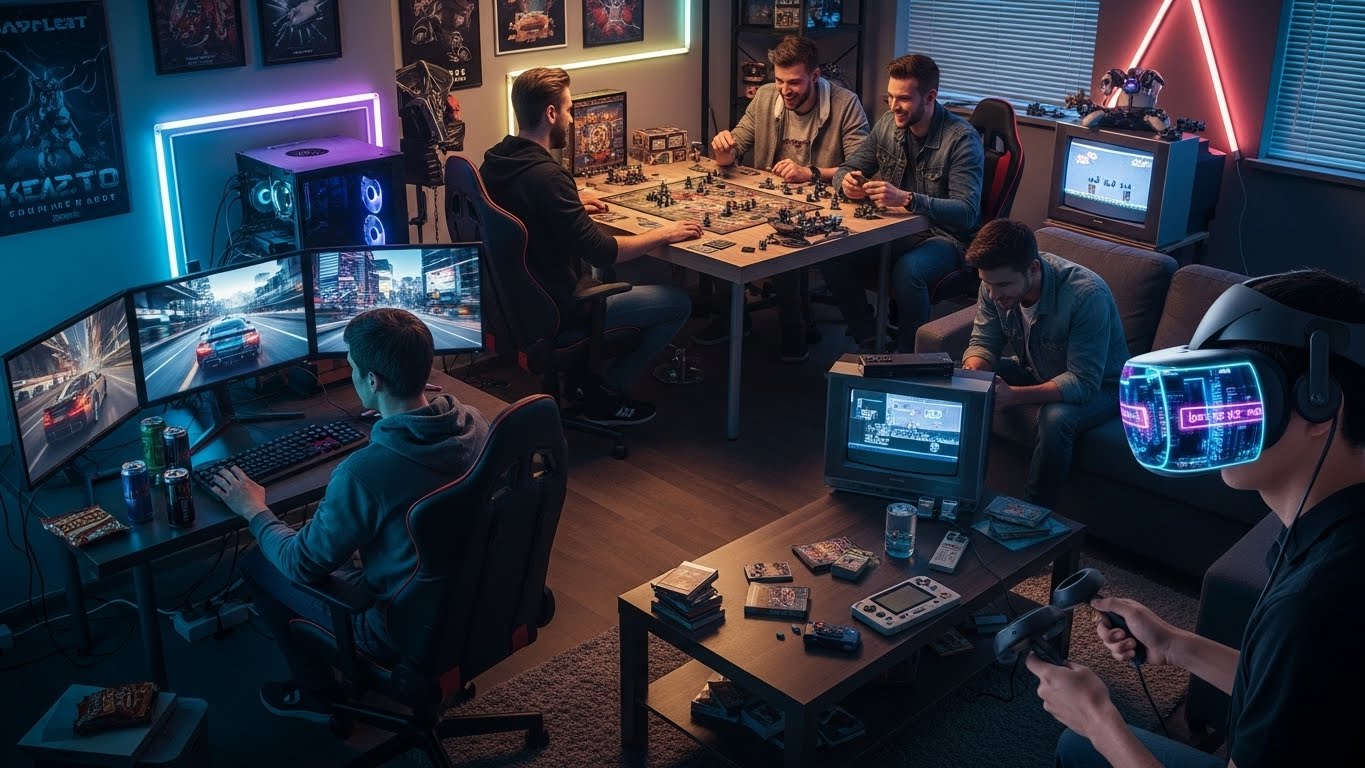
Games have evolved alongside human civilization. Early societies enjoyed simple physical contests, dice games, and strategy-based board games. With time, card games and organized competitions became popular, offering social interaction and mental stimulation. The digital age brought video games, mobile apps, and virtual reality experiences, transforming gaming into an interactive and immersive experience for millions around the world.
Types of Games
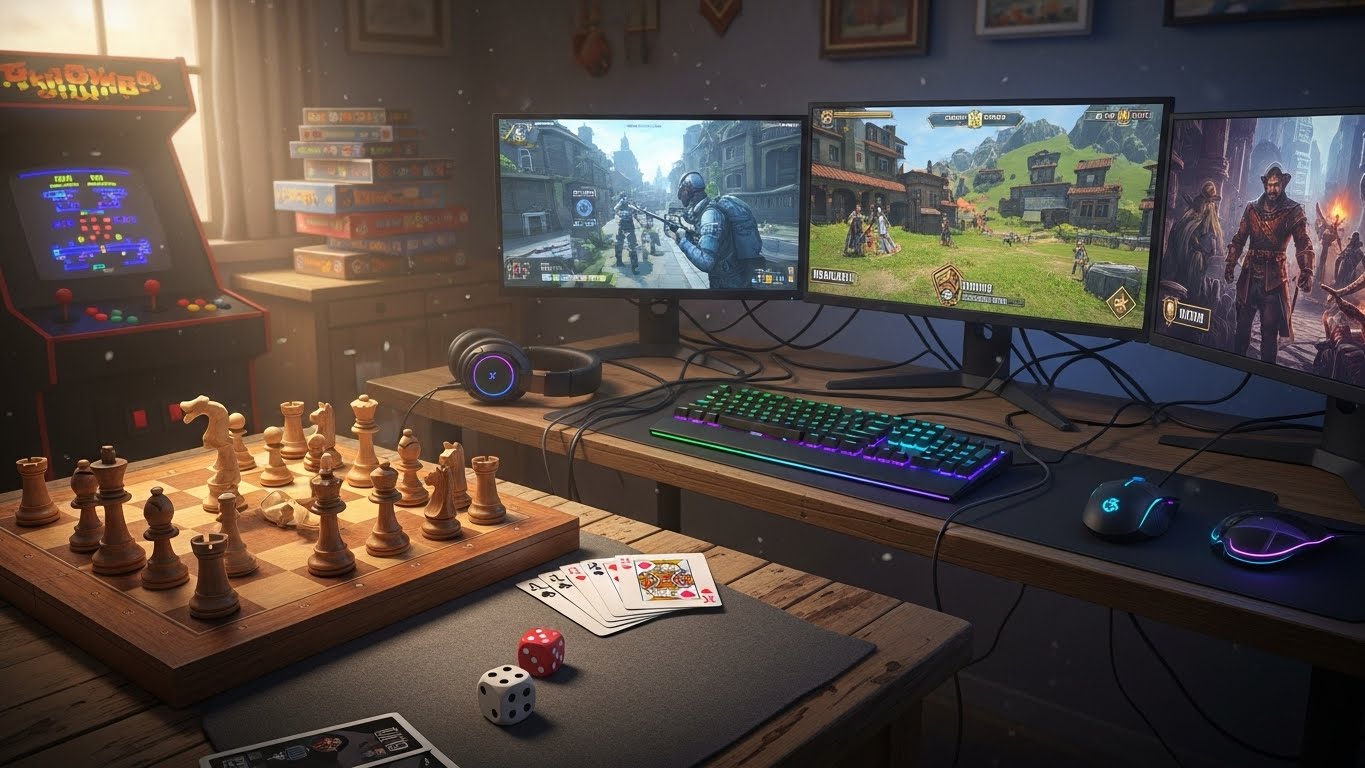
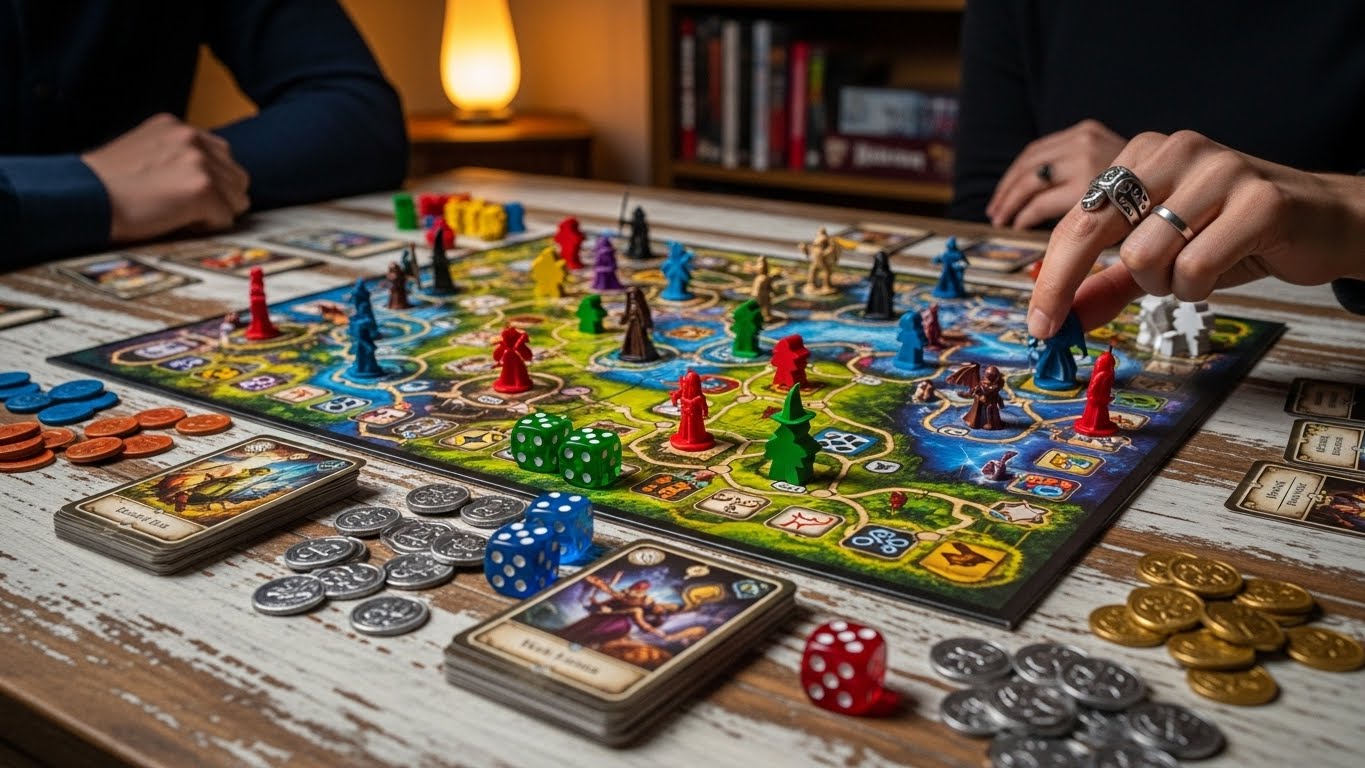
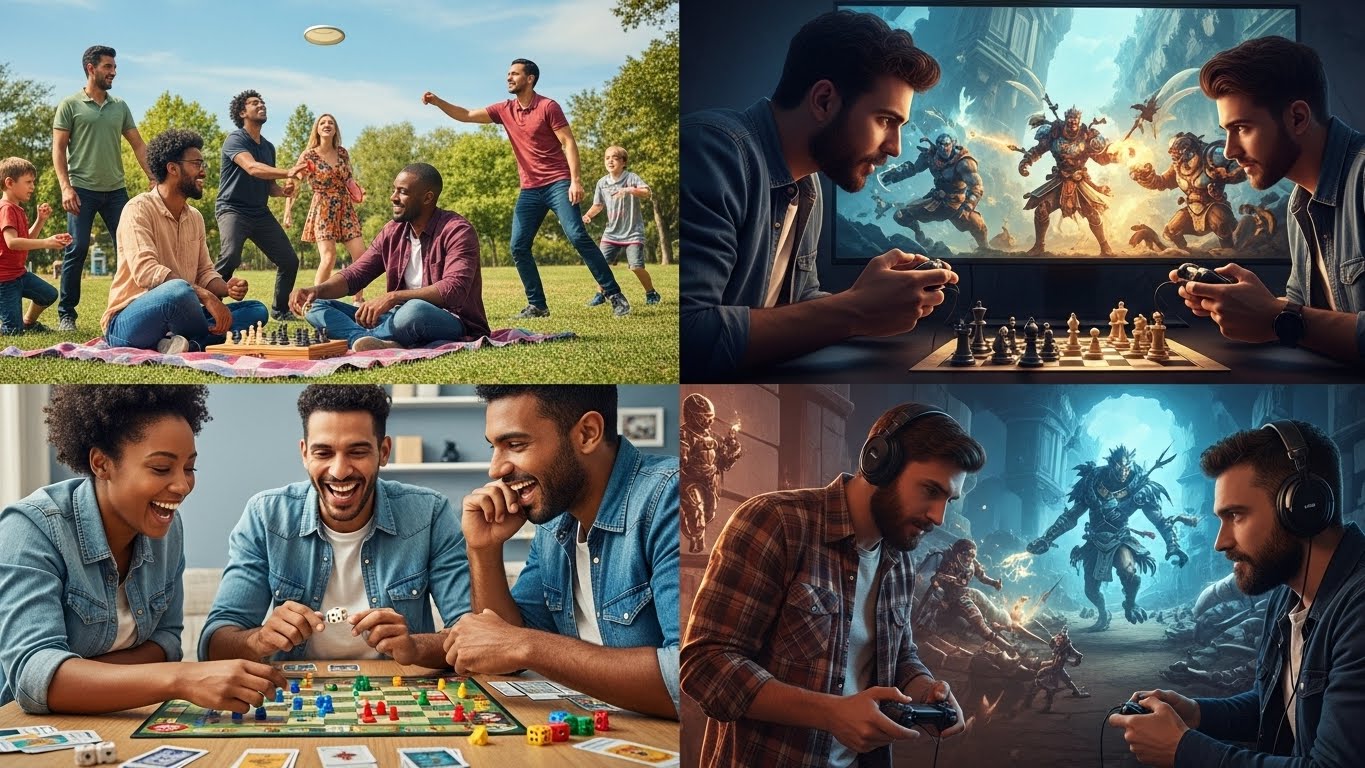
Games come in diverse forms to cater to various interests. Board and card games promote strategy, critical thinking, and social interaction. Sports and physical games enhance fitness, coordination, and teamwork. Video and computer games provide immersive worlds, combining storytelling, skill development, and reflex-based challenges. Mobile games offer quick entertainment for players on the go. Each type of game contributes uniquely to learning, fun, and personal development.
Cognitive and Social Benefits
Playing games offers significant cognitive and social benefits. Puzzle and strategy games improve problem-solving, memory, and analytical thinking. Action-based games enhance reflexes and hand-eye coordination. Multiplayer games foster collaboration, communication, and leadership, as players work together to achieve common goals. Games not only entertain but also strengthen mental agility and social skills.
Games as a Community Builder
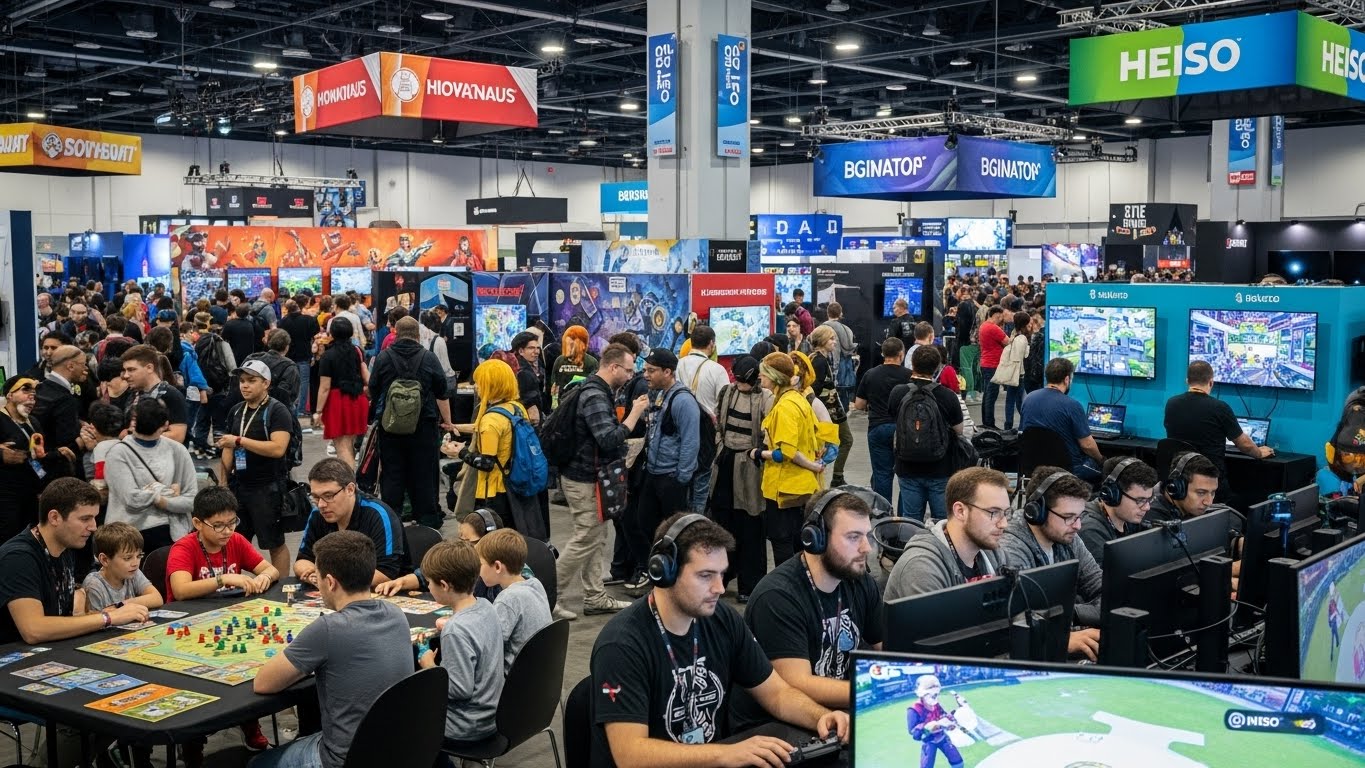
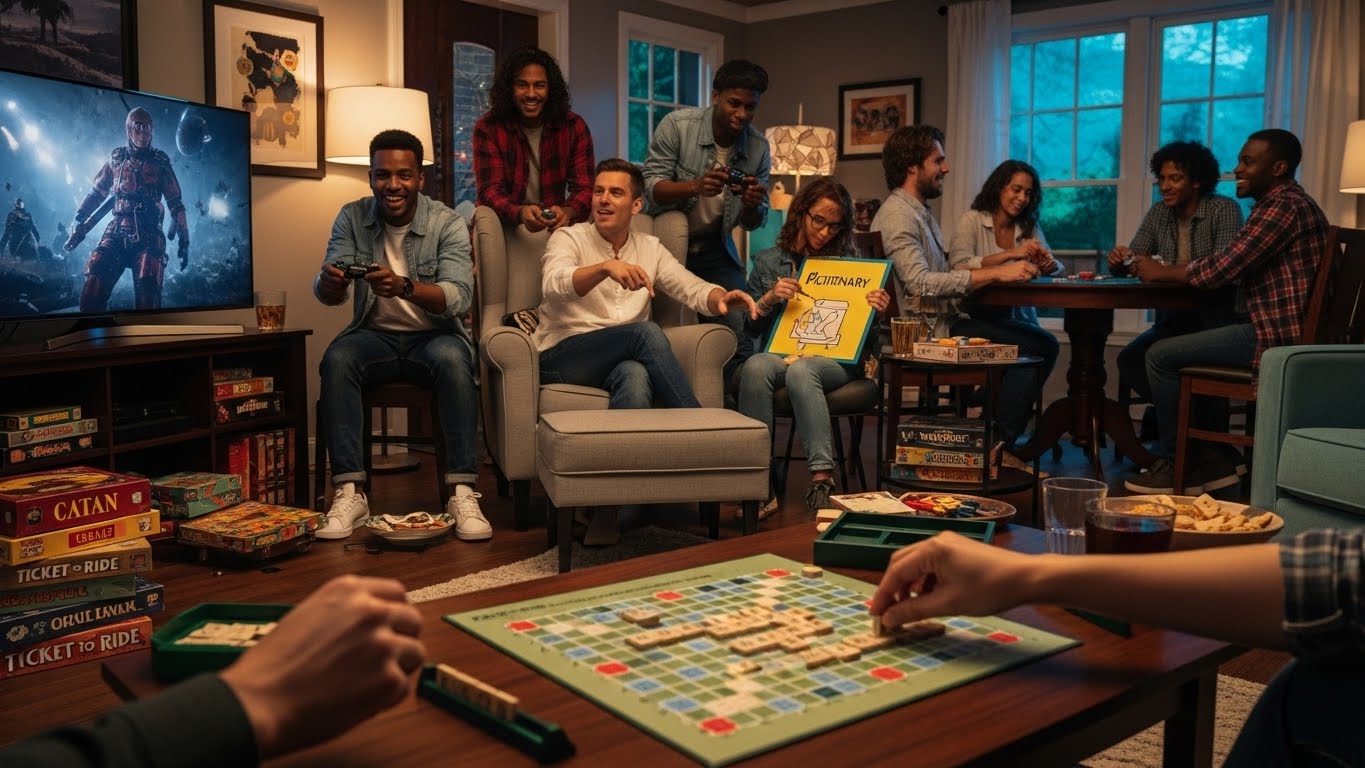
One of the most remarkable aspects of games is their ability to bring people together. Multiplayer games, whether physical or digital, encourage teamwork and shared experiences. Online communities allow players to connect globally, share strategies, and build friendships. Gaming tournaments and competitions provide a platform for social engagement, fostering camaraderie and mutual respect among players.
Technology and the Future of Gaming
Advancements in technology have transformed the gaming experience. High-quality graphics, artificial intelligence, and immersive sound design enhance gameplay. Virtual and augmented reality create realistic environments that engage players like never before. Cloud gaming allows access to games anywhere, breaking barriers of hardware limitations. Technology ensures that gaming continues to evolve, offering endless possibilities for creativity, strategy, and entertainment.
Games as a Career
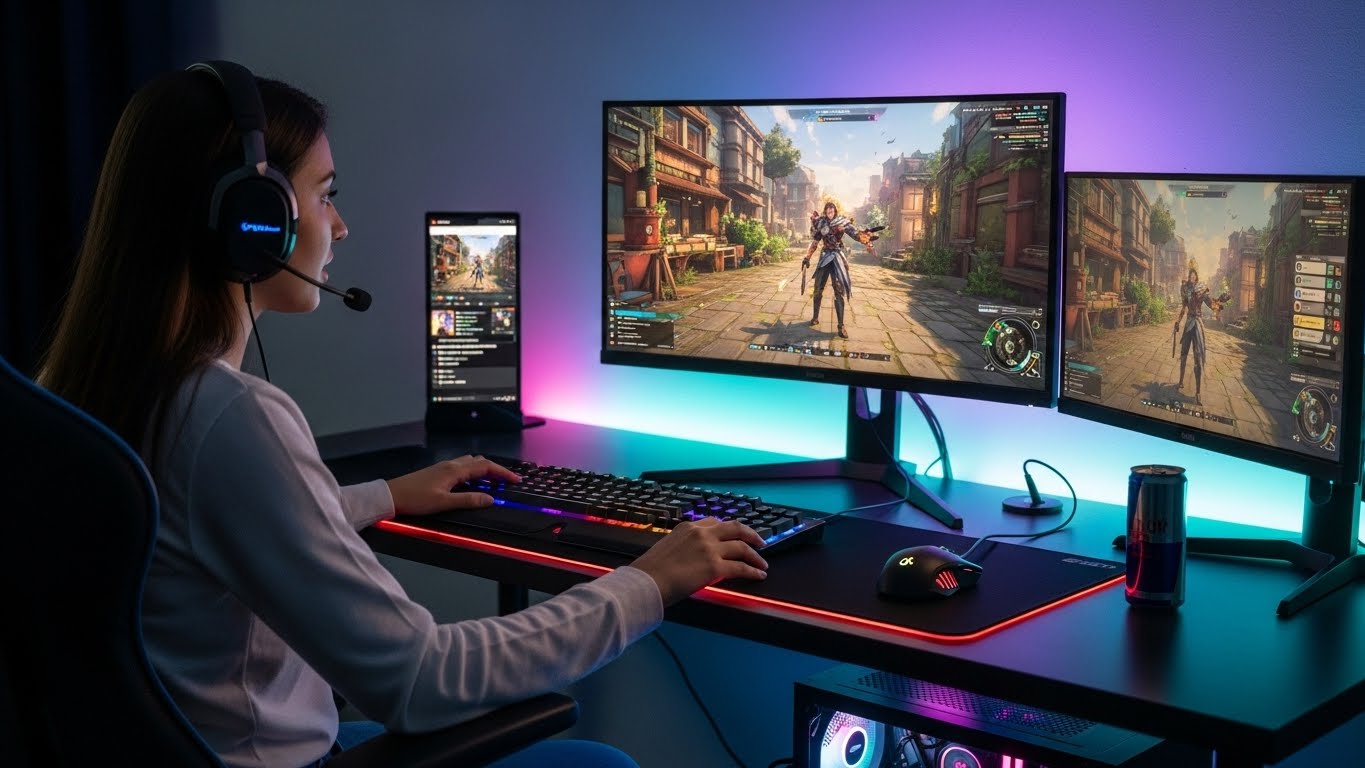
The gaming industry has grown into a global enterprise, offering various career paths. Professional gamers, developers, designers, and content creators turn their passion into professions. Esports competitions and streaming platforms allow players to reach international audiences, creating recognition and income. Gaming is not only a form of entertainment but also a viable career opportunity for skilled and dedicated individuals.
Conclusion
Games are a unique blend of fun, strategy, and creativity. They challenge the mind, encourage social interaction, and inspire imagination. From classic board games to advanced digital experiences, games enrich lives and foster connections. They are more than just a pastime—they are a gateway to learning, growth, and global engagement, proving that play is an essential part of human life.