
Gaming has undergone a massive transformation over the past few decades. What started as a hobby for a niche group of enthusiasts has evolved into a global phenomenon that spans across cultures, demographics, and continents. From the early days of pixelated arcade games to today’s ultra-realistic, interactive virtual worlds, video games have come to shape not only the entertainment industry but also social and cultural norms.
In this blog post, we will explore the evolution of gaming, its influence on society, the different types of games that have emerged, and where the future of gaming might take us.
The Humble Beginnings: Arcade Games and Home Consoles
The history of gaming dates back to the 1950s, but it was in the early 1970s that the first commercial arcade games started appearing. Pong, released in 1972, was one of the first arcade games that became a hit, and it marked the beginning of the video game industry. Players would use paddles to bounce a ball back and forth, mimicking the classic game of table tennis.
As the 1970s progressed, arcade games such as Space Invaders and Pac-Man captured the attention of gamers around the world. These games were simple yet captivating, offering people a form of entertainment that they had never experienced before. The introduction of high score tables also added a competitive element to the games, encouraging players to return in the hopes of beating the top scores.
At the same time, home consoles started gaining popularity. In 1977, the Atari 2600 was released, offering players the ability to enjoy arcade-style games at home. The 1980s would see the rise of iconic home consoles like the Nintendo Entertainment System (NES), Sega Genesis, and the Game Boy, which took gaming into living rooms and pockets across the globe.
The Golden Age of Gaming: The 1990s and the Rise of 3D Graphics
By the 1990s, the gaming industry had undergone a massive transformation. Home consoles were now the dominant platform for gaming, and the introduction of 3D graphics made video games more immersive than ever. Titles like Super Mario 64 and The Legend of Zelda: Ocarina of Time set new standards for gameplay and design, offering expansive worlds to explore and innovative mechanics.
The launch of Sony’s PlayStation in 1994 was a game-changer in the console wars. It quickly became the most popular gaming console of the 1990s, thanks to its cutting-edge 3D graphics and game library, which included iconic titles like Final Fantasy VII and Metal Gear Solid. This era saw the birth of many franchises that would go on to shape the gaming industry for decades to come.
In the world of PC gaming, the 1990s also brought about a new era of strategy and first-person shooters. Games like Warcraft, Starcraft, and Doom allowed players to immerse themselves in complex, interactive worlds, pushing the boundaries of what was possible on a computer.
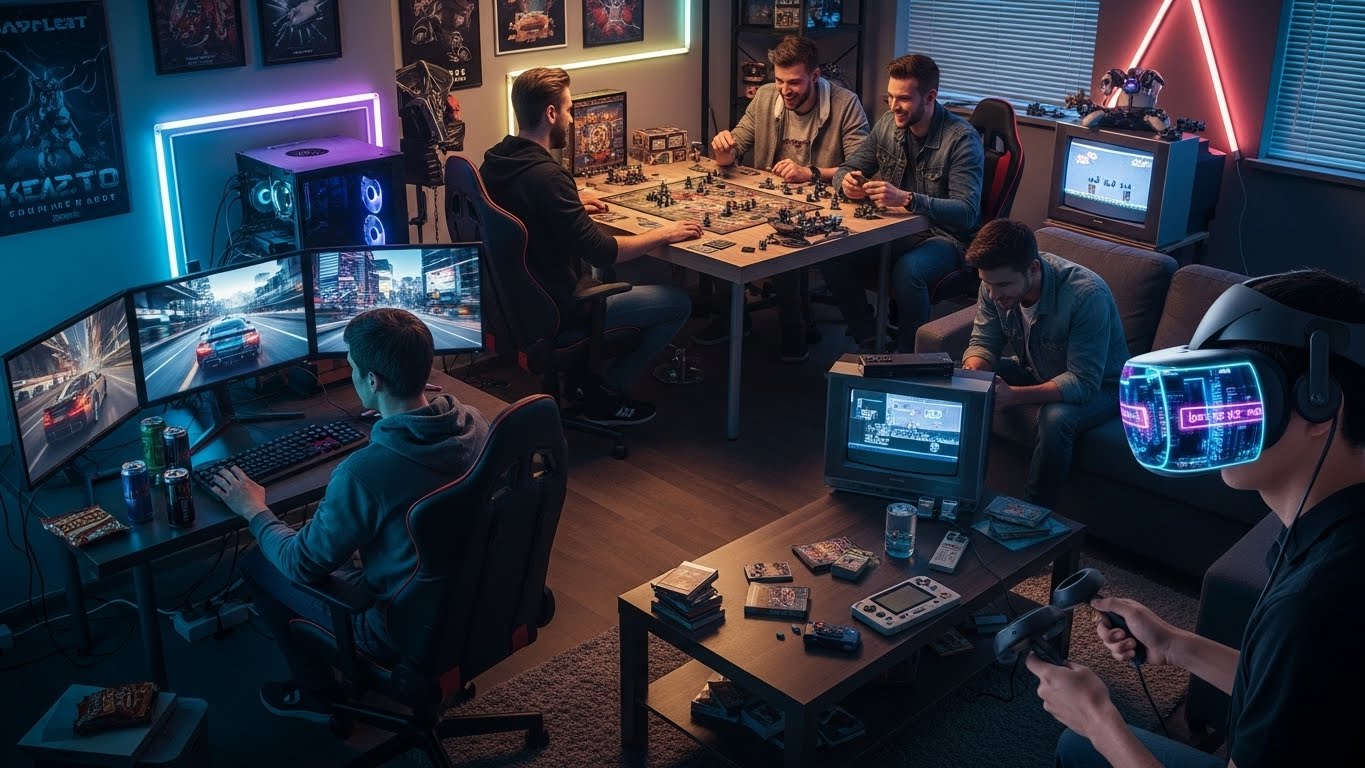
The 1990s were also a time when multiplayer gaming started to gain traction, especially in arcades and LAN parties. With the advent of the internet, online multiplayer games would soon become a significant aspect of gaming culture, laying the foundation for the massive online gaming communities we have today.
The Rise of Online Gaming and the Age of Mobile
As the 2000s approached, the internet began to play a much larger role in gaming. Broadband internet connections allowed gamers to connect to each other from anywhere in the world, leading to the rise of online multiplayer games. Titles like Halo 2 and World of Warcraft were among the pioneers of the online gaming era, offering players the chance to team up or compete against others in real-time, no matter where they were located.
The early 2000s also marked the dawn of gaming on the go. With the release of portable consoles like the Nintendo DS and the PlayStation Portable (PSP), gamers could now enjoy their favorite titles during commutes or travel. Mobile gaming, initially seen as a niche, exploded in popularity with the advent of smartphones. The iPhone, released in 2007, opened the floodgates for mobile gaming, and games like Angry Birds, Candy Crush Saga, and Clash of Clans became household names.
The accessibility and convenience of mobile gaming played a significant role in the expansion of gaming’s reach. People of all ages and backgrounds began to engage with video games on a regular basis, making gaming an integral part of modern entertainment.
The Rise of E-Sports and the Gaming Community
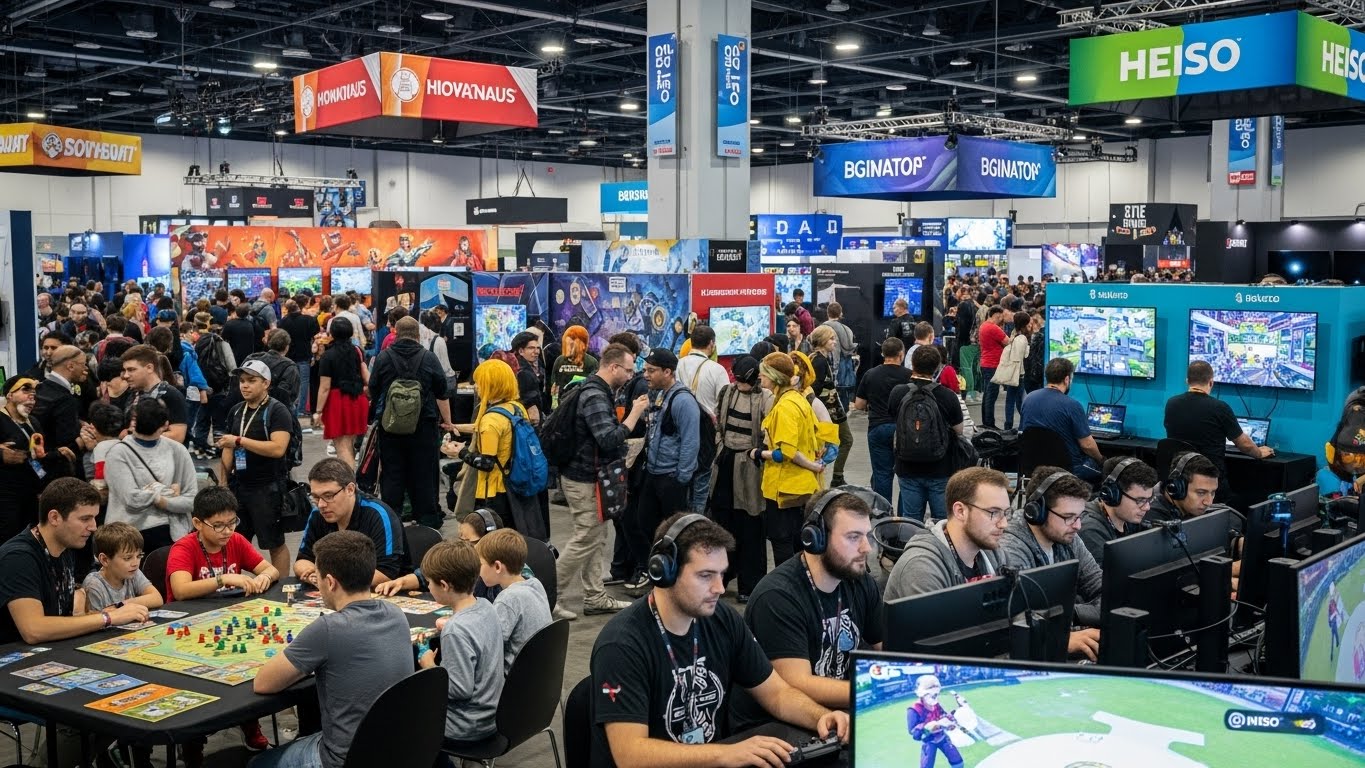
One of the most significant developments in the gaming world over the last two decades has been the emergence of e-sports. Competitive gaming has grown into a multi-million dollar industry, with professional players, teams, and tournaments attracting massive audiences both online and in person.
Games like League of Legends, Dota 2, Counter-Strike: Global Offensive, and Fortnite have turned gaming into a spectator sport. Major e-sports tournaments, such as The International (for Dota 2) and League of Legends World Championship, offer prize pools that can exceed $30 million, attracting players from around the globe.
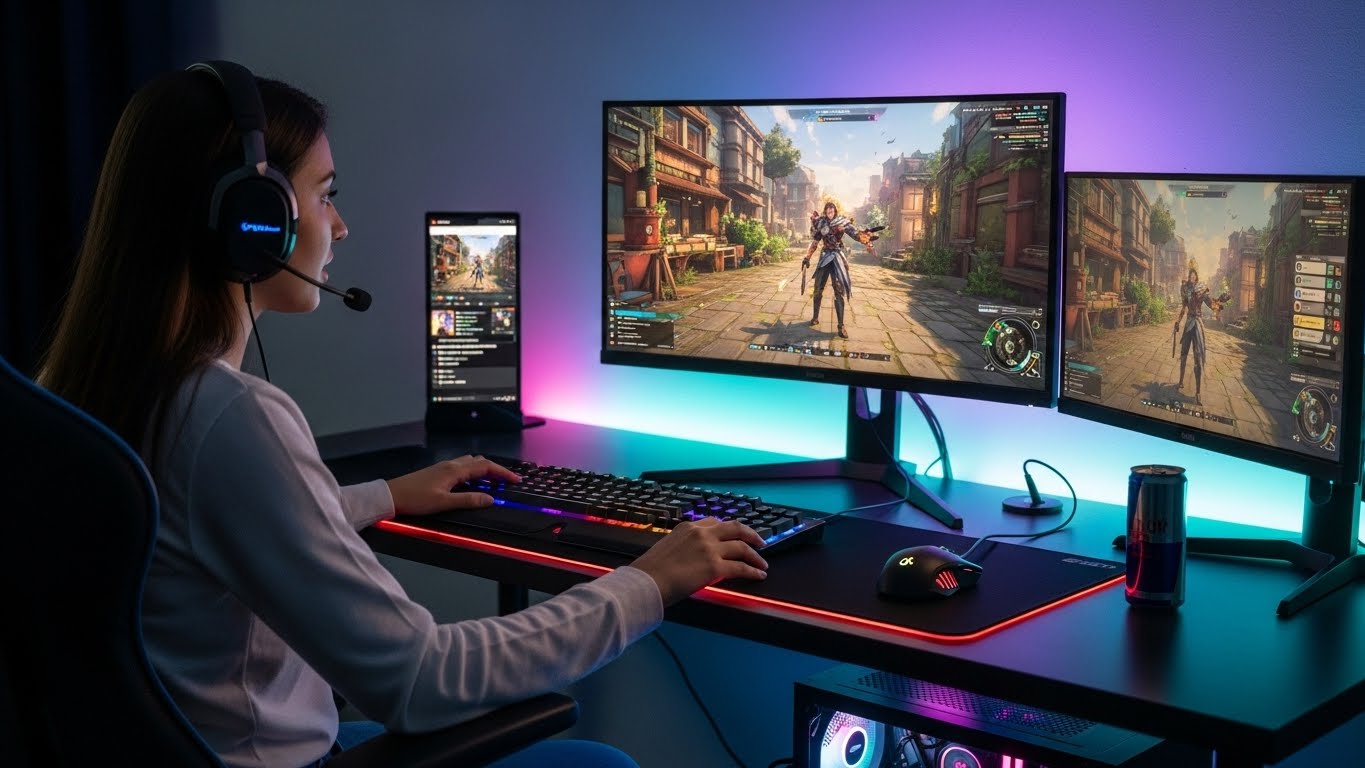
E-sports has also contributed to the growth of gaming as a legitimate career path. Professional gamers, streamers, and content creators on platforms like Twitch have amassed large followings and built lucrative careers around their gaming skills. Gaming has moved beyond being a simple hobby to a thriving industry with serious economic opportunities.
The gaming community itself has also evolved, with platforms like Discord, Reddit, and YouTube allowing gamers to connect, share their experiences, and collaborate on projects. These communities have created a vibrant ecosystem where gaming culture is celebrated and shared.
Virtual Reality and Augmented Reality: The Future of Gaming
As technology continues to advance, the next frontier in gaming is virtual reality (VR) and augmented reality (AR). These immersive technologies promise to take gaming experiences to a whole new level by blending the physical world with the digital one.
Virtual reality gaming allows players to step into fully immersive 3D environments, where they can interact with the world and other players in ways that were previously unimaginable. VR headsets, such as the Oculus Rift, PlayStation VR, and HTC Vive, have brought this technology into the mainstream, with a growing library of VR games offering experiences ranging from action-packed adventures to peaceful explorations of virtual worlds.
Augmented reality, on the other hand, overlays digital elements onto the real world. Games like Pokémon GO have already demonstrated the potential of AR by encouraging players to explore their surroundings in search of virtual creatures. In the future, AR could be used to enhance gameplay in a variety of ways, from adding layers of information to live-action games to creating entirely new forms of interactive storytelling.
Both VR and AR have the potential to reshape the way we think about gaming, making it more immersive, interactive, and connected than ever before. As these technologies become more affordable and accessible, we are likely to see a dramatic shift in how people engage with games.
Gaming’s Cultural Impact: More Than Just Entertainment
While gaming has always been about entertainment, its influence has expanded far beyond that. Video games have become a powerful cultural force, shaping everything from art and storytelling to social interaction and education.
Art and Storytelling
Video games have evolved into one of the most important forms of modern storytelling. From the emotional depth of The Last of Us to the narrative complexity of Red Dead Redemption 2, games are increasingly being recognized as art forms in their own right. Game developers have mastered the art of creating immersive worlds with rich backstories, complex characters, and intricate plots, rivaling the best novels, movies, and TV shows.
Education and Learning
Games are also being used as tools for education and learning. Serious games, or games designed for educational purposes, have been used in schools, universities, and professional training environments to teach everything from history and science to engineering and teamwork. Games like Minecraft have been used to teach children about architecture and spatial reasoning, while games like SimCity teach the principles of urban planning and management.
Social Interaction and Communities
Gaming has also become a vital platform for social interaction. Online multiplayer games allow players to form lasting friendships, participate in communities, and collaborate on complex objectives. Games like Fortnite and Among Us have introduced new ways for people to connect and have fun with friends, even if they are thousands of miles apart.
Conclusion: The Ever-Evolving World of Gaming
From its humble beginnings in arcades to the rise of virtual reality, gaming has come a long way. It has evolved into a global cultural phenomenon that touches virtually every aspect of modern life. With the advent of new technologies, the future of gaming looks more exciting than ever before. Whether it’s immersive VR experiences, large-scale e-sports tournaments, or new forms of social interaction, gaming will continue to evolve and shape the way we entertain ourselves, communicate, and learn.
As we look to the future, one thing is certain: gaming will remain a central part of our cultural landscape for years to come, continually pushing the boundaries of what’s possible in entertainment. The journey from Pong to virtual realities is just the beginning, and we can’t wait to see where it takes us next.