

Introduction
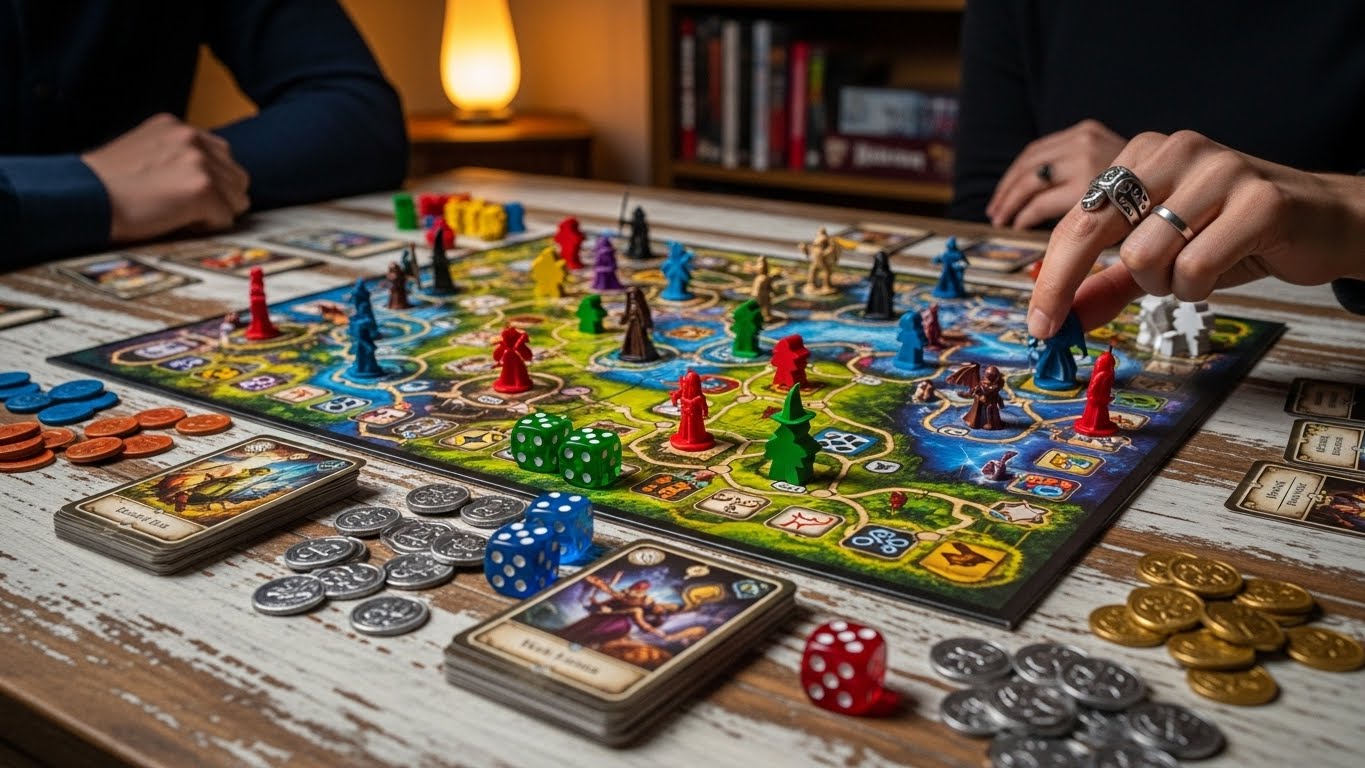
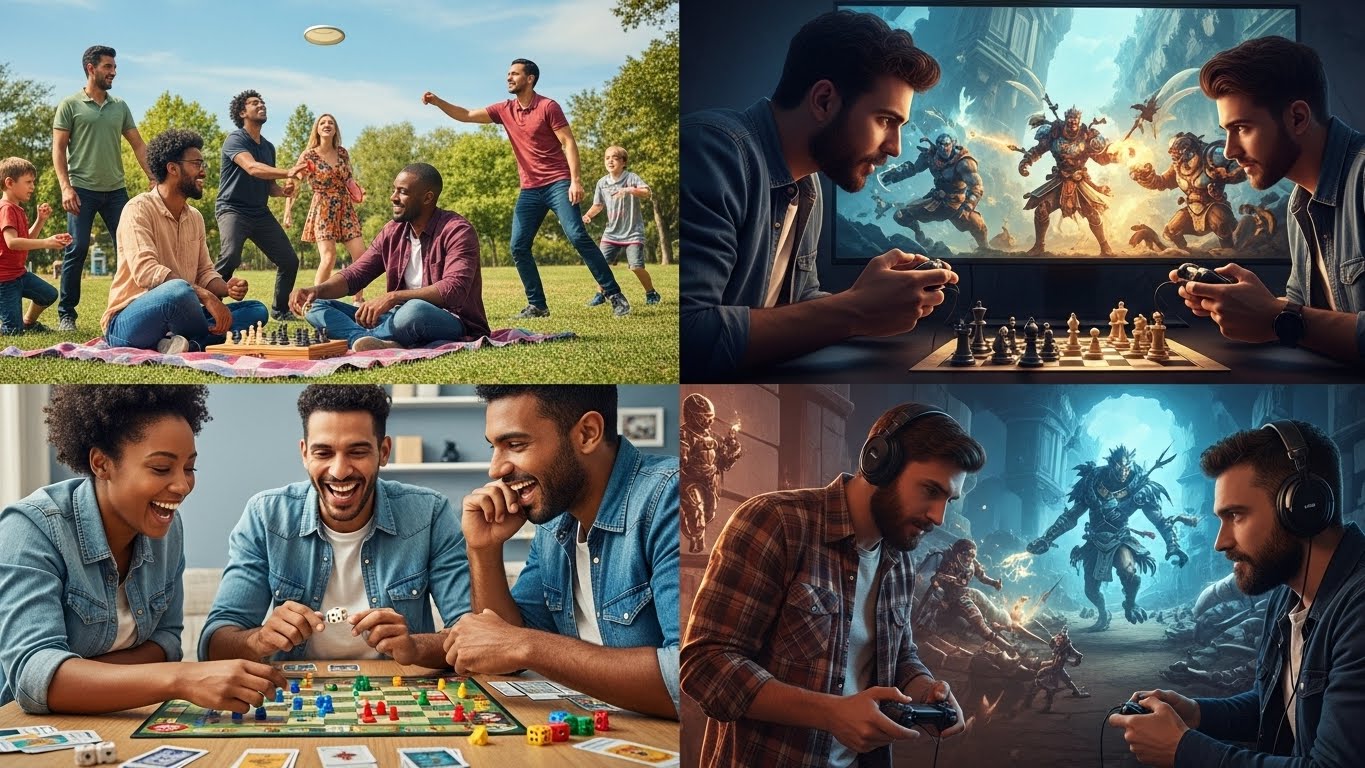
Games have always been a part of human culture, from ancient board games to modern digital adventures. They are more than just a way to pass time—they inspire creativity, improve focus, and bring people together. In today’s world, gaming has evolved into a global phenomenon, influencing technology, entertainment, and even education.
The Evolution of Gaming
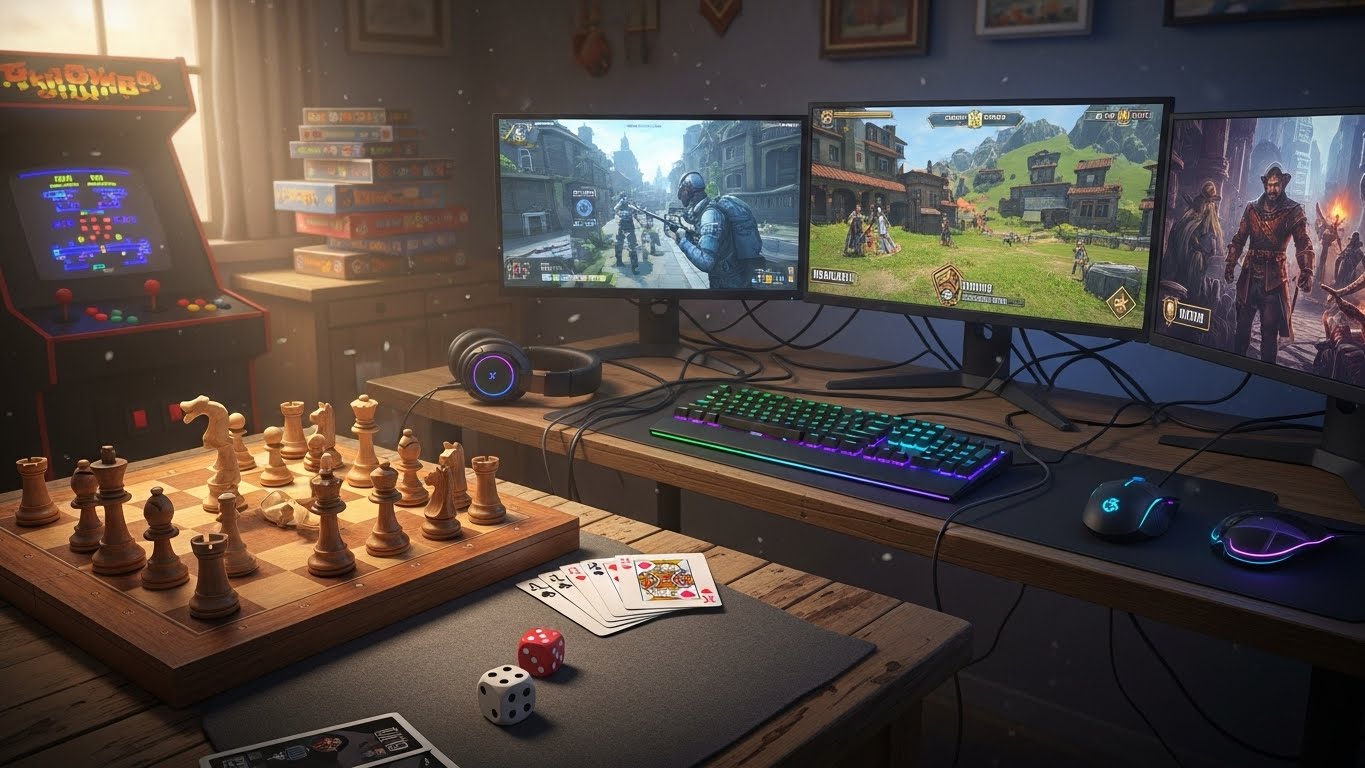
The journey of gaming began centuries ago with simple games made from stones and sticks. Over time, it evolved into card games, chess, and early arcade machines. The introduction of video games in the late twentieth century changed everything. From classic consoles to powerful gaming PCs and mobile platforms, gaming has grown into a vast digital universe where imagination has no limits.
The Different Types of Games
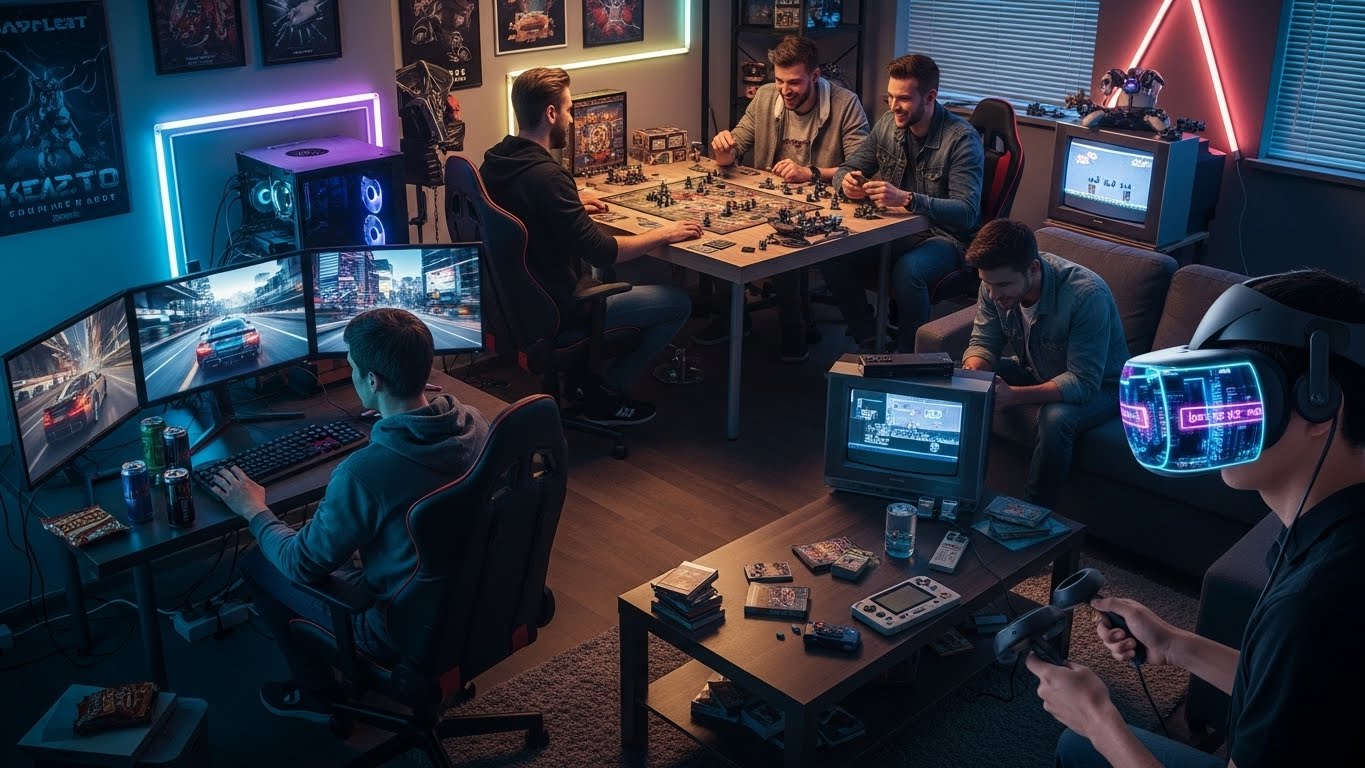
Games come in countless forms, each offering unique experiences. Action games test reflexes and decision-making, while strategy games challenge the mind with planning and tactics. Simulation games allow players to build and manage worlds, and sports games bring the excitement of real-life competition to the screen. Role-playing games let players live out stories and explore new worlds, offering emotional depth and adventure.
The Role of Technology in Gaming
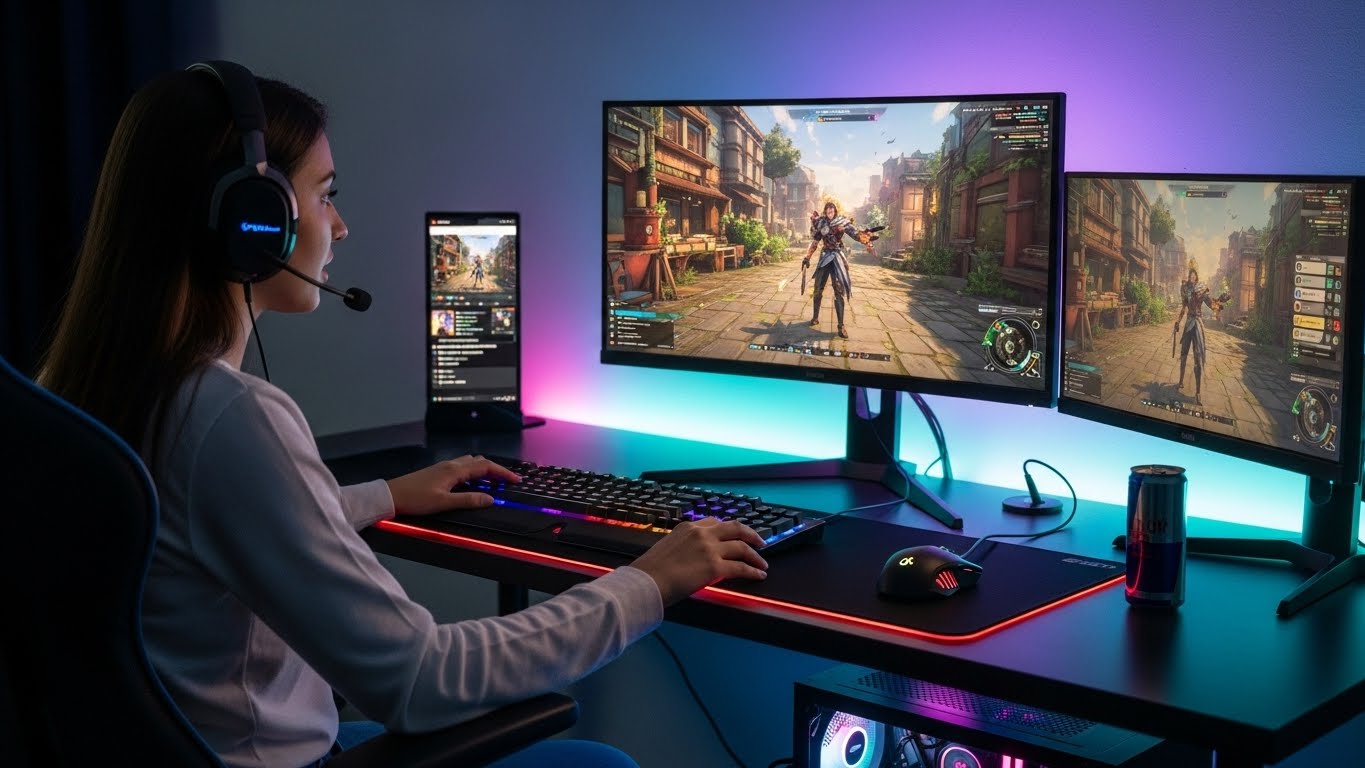
Technology has completely transformed the gaming experience. Advanced graphics, realistic sound effects, and artificial intelligence create lifelike worlds that immerse players completely. Online multiplayer platforms have connected gamers from every corner of the world, turning gaming into a social activity. Virtual reality and augmented reality have taken it a step further, allowing players to step inside their favorite games and experience them firsthand.
The Positive Impact of Games
Games are not just about entertainment—they have real benefits. Studies show that gaming can improve problem-solving skills, enhance memory, and promote teamwork. Educational games make learning more interactive and engaging for students. Even in professional fields, simulation games help in training pilots, surgeons, and engineers, proving that gaming can be both fun and useful.
The Social Side of Gaming
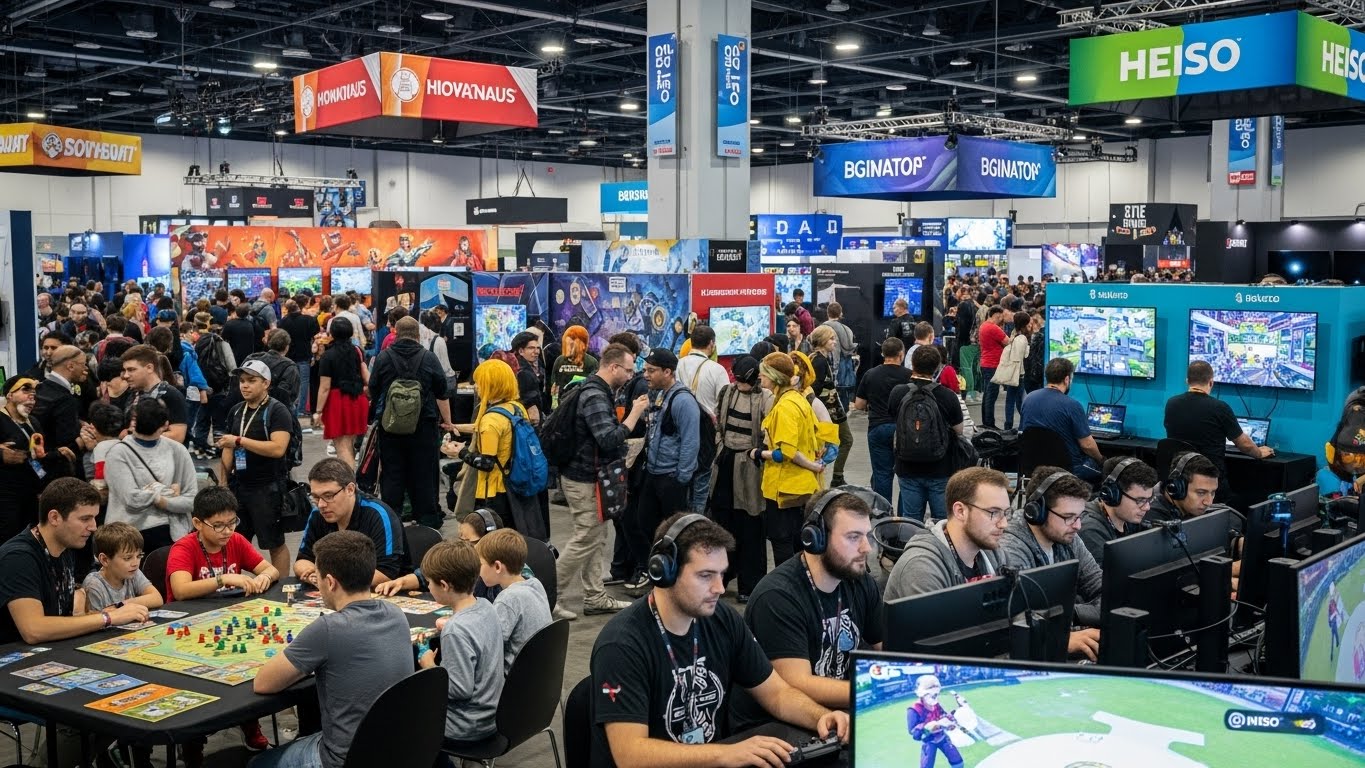
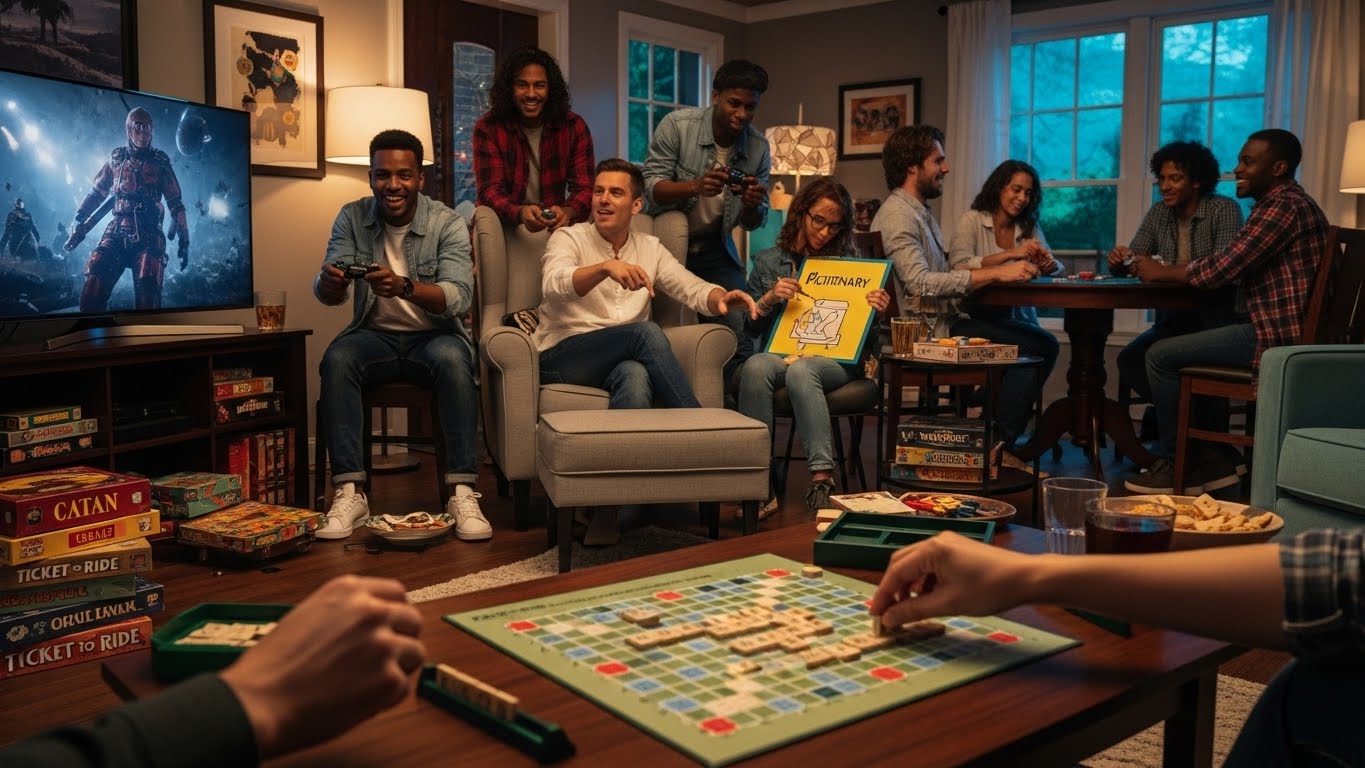
Gaming has created communities that cross borders and cultures. Players form friendships, join teams, and participate in tournaments. eSports, or competitive gaming, has become a major industry where skilled players compete for global recognition. Through online games, people communicate, collaborate, and share experiences, making gaming one of the most powerful social tools of the modern age.
The Future of Gaming
The future of gaming holds endless possibilities. With innovations like artificial intelligence, virtual reality, and cloud gaming, the next generation of games will be more interactive, realistic, and accessible than ever before. Developers are constantly pushing boundaries to create experiences that not only entertain but also inspire.
Conclusion
Games are a reflection of creativity, innovation, and human connection. They teach, entertain, and unite people from all walks of life. As technology continues to advance, gaming will remain a vital part of our culture, shaping how we learn, interact, and dream. The power of play will always remind us that games are more than just fun—they are a part of who we are.