

Introduction
Gaming has become one of the most dynamic and influential industries of the modern era. What once began as a simple source of entertainment has evolved into a global phenomenon that blends creativity, technology, and human interaction. Today, gaming connects people across cultures, inspires innovation, and serves as a platform for both fun and learning.
The Journey of Gaming Evolution
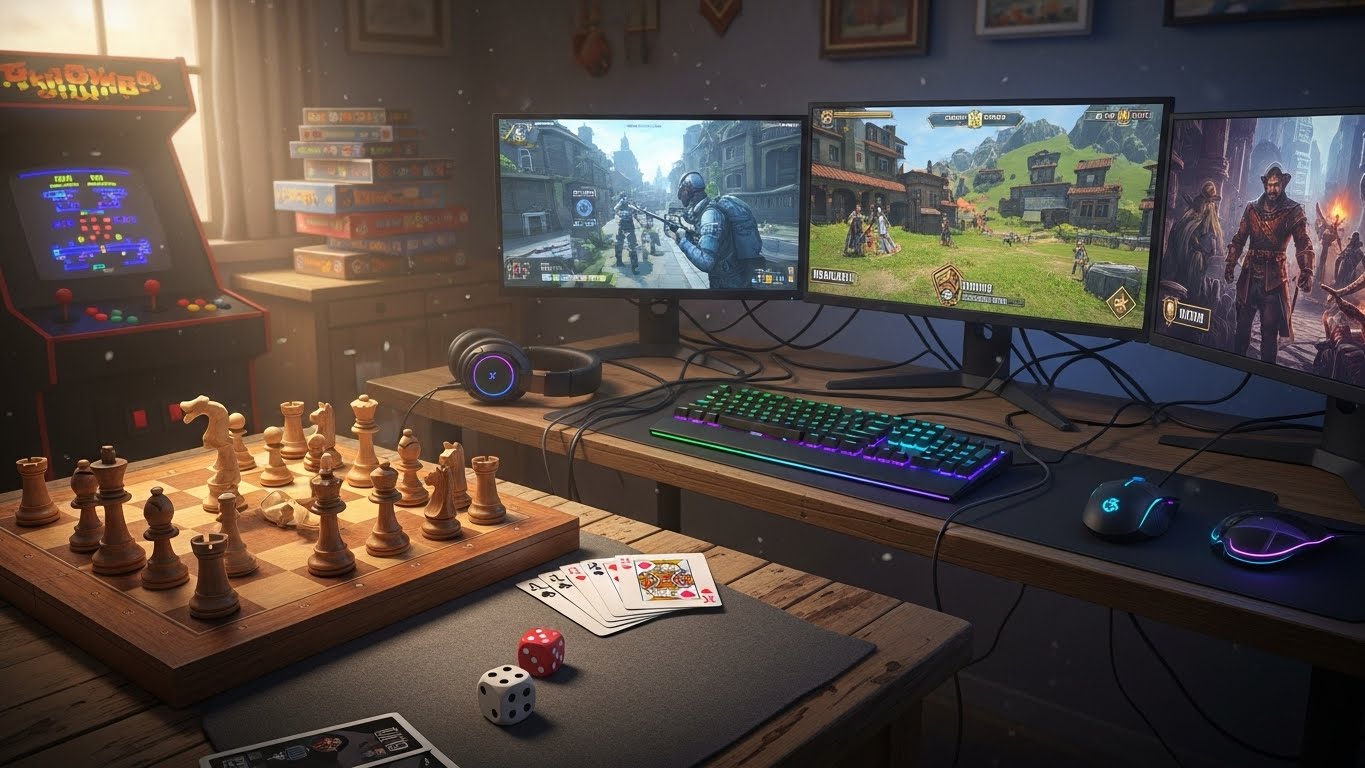
The history of gaming is a story of continuous transformation. From the pixelated graphics of the past to the lifelike visuals of today, gaming has grown hand in hand with technological progress. Early arcade games introduced the thrill of competition, while modern consoles and computers offer immersive worlds filled with adventure, storytelling, and exploration. Gaming has evolved from simple challenges into complex experiences that engage both the mind and the imagination.
The Art of Storytelling in Games
Modern games are not just about winning or scoring points—they are about telling stories. Game developers create characters, worlds, and plots that capture the emotions and curiosity of players. Every choice a player makes can shape the outcome, creating a personal and interactive journey. Games like role-playing adventures or simulation experiences allow players to live stories, not just watch them unfold.
The Role of Technology in Gaming
Technology has revolutionized gaming in unimaginable ways. High-definition graphics, advanced sound design, and artificial intelligence make games more realistic and engaging. Virtual reality and augmented reality take immersion to a whole new level, allowing players to step inside the game itself. Cloud gaming and mobile technology have also made games more accessible, enabling people to play anytime and anywhere.
Gaming as a Social Experience
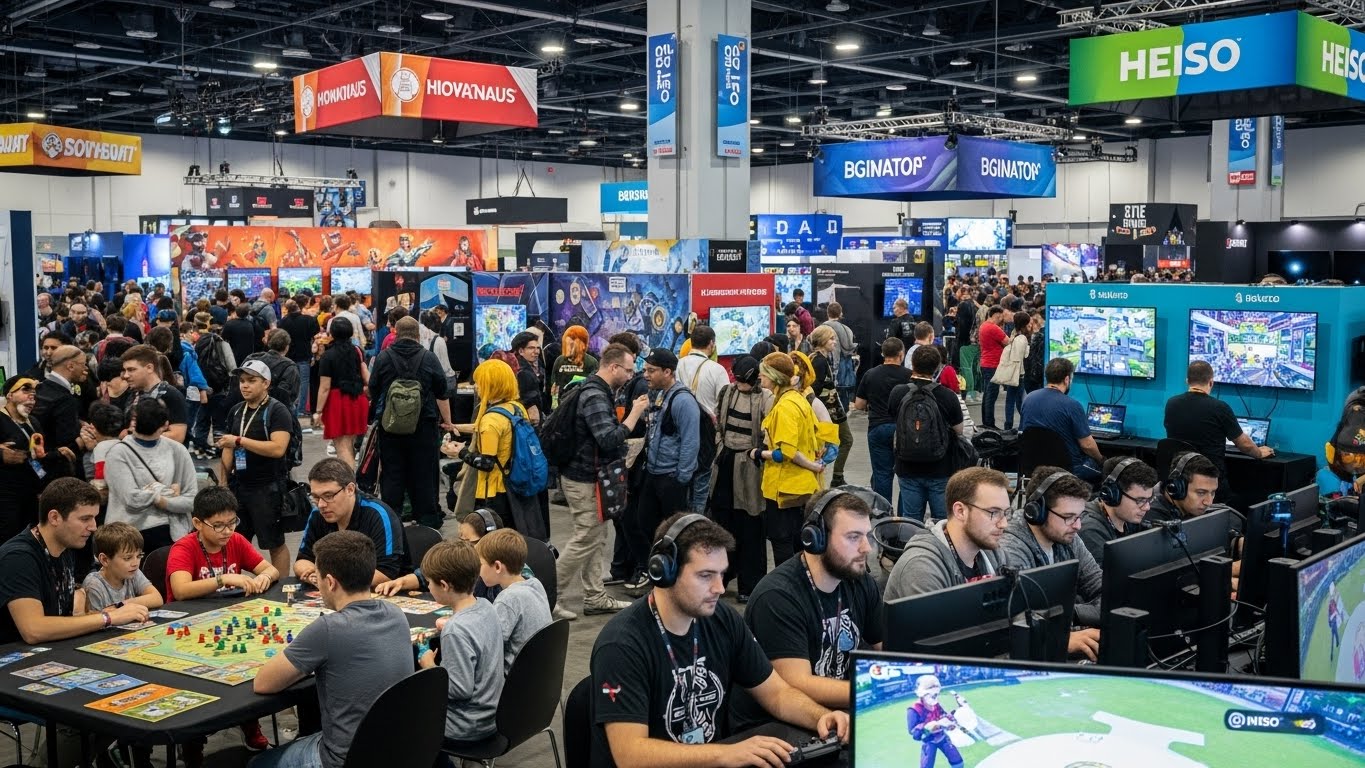
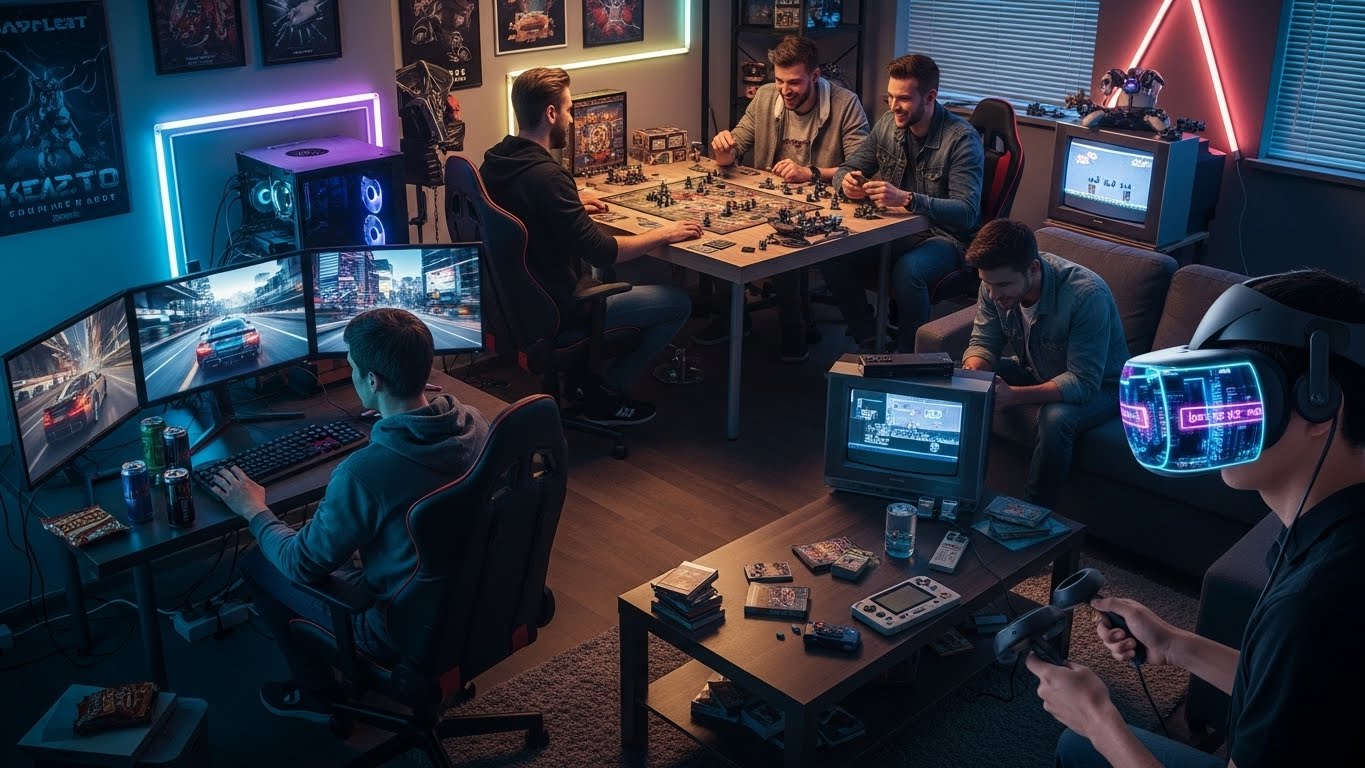
Gaming has grown from a solitary pastime into a powerful tool for social connection. Multiplayer and online games bring together players from all over the world to compete, collaborate, and communicate. Through teamwork and shared experiences, gamers form friendships that go beyond virtual spaces. The sense of community within gaming fosters unity and belonging among people of all ages and backgrounds.
The Positive Impact of Gaming
Contrary to old misconceptions, gaming provides several benefits that extend beyond entertainment. It enhances critical thinking, problem-solving, and hand-eye coordination. Many strategy and puzzle games encourage creativity and improve focus. Additionally, gaming can serve as a form of stress relief, helping players unwind and recharge after a long day. When balanced responsibly, gaming supports both mental and emotional well-being.
The Rise of Esports
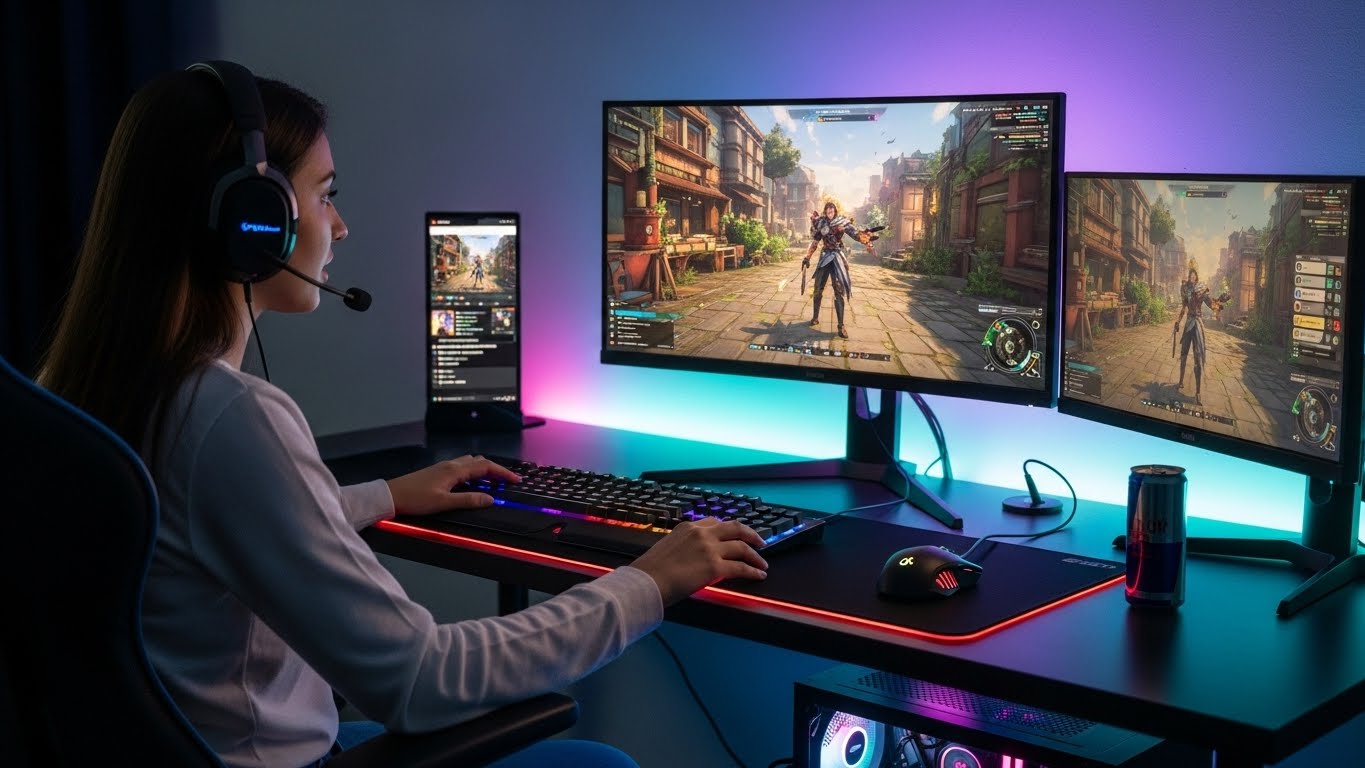
The competitive side of gaming, known as esports, has gained massive popularity worldwide. Players now compete at professional levels, showcasing skills that rival traditional athletes. Esports tournaments draw large audiences and create new career paths in gaming commentary, design, and management. This new era of digital competition proves that gaming is more than a hobby—it is a legitimate and evolving sport.
The Future of Gaming
The future of gaming looks brighter than ever. Innovations in artificial intelligence, virtual reality, and interactive storytelling will continue to redefine the gaming experience. Developers are creating more inclusive and diverse worlds, ensuring everyone can see themselves represented. Gaming will also play a growing role in education, creativity, and even health, becoming a vital part of everyday life.
Conclusion
Gaming has transformed into a world where imagination meets innovation. It entertains, educates, and connects people in ways that few other mediums can. From the earliest arcade classics to today’s virtual adventures, gaming has proven that it is more than just play—it is a reflection of creativity, technology, and human connection. As the digital playground continues to expand, gaming will remain a powerful force shaping the future of global entertainment and culture.