

Introduction: The Power of Games
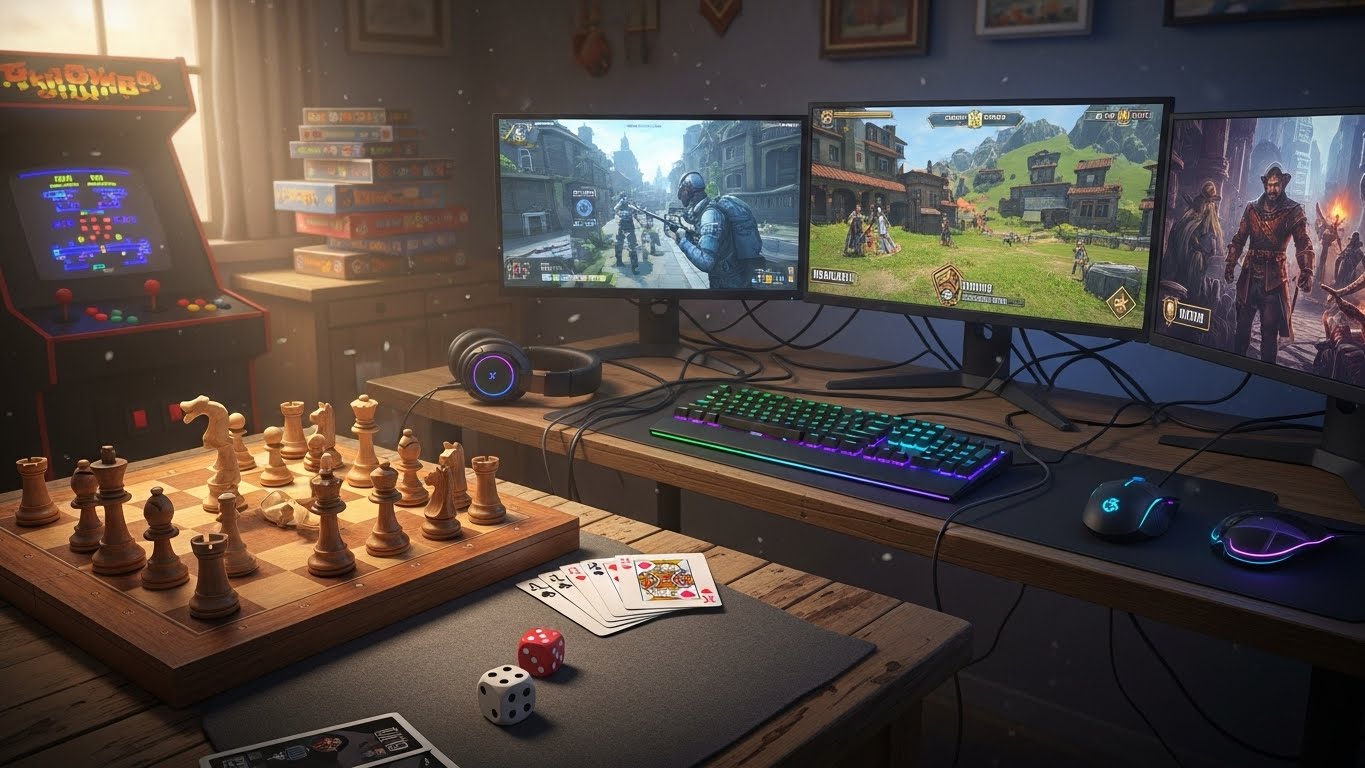
Games are more than just a pastime—they are a universal form of human expression, creativity, and connection. From ancient board games to modern digital experiences, games have always reflected societal values, fostered social interaction, and provided a platform for skill, strategy, and imagination. In today’s digital era, games have evolved into a multifaceted industry, encompassing casual mobile games, immersive video games, tabletop classics, and competitive esports. This blog explores the history, cultural impact, and future of games, highlighting their enduring appeal and transformative power.
The Origins of Games
The history of games stretches back thousands of years. Early humans developed games as tools for learning, strategy, and entertainment. Board games like Senet in ancient Egypt and the Royal Game of Ur in Mesopotamia allowed players to exercise critical thinking and social skills. Chess, originating in India, evolved into a global symbol of strategy and intellect.
These early games were not merely recreational—they were educational and often carried symbolic significance. Games encouraged problem-solving, decision-making, and the development of tactics, setting the foundation for the complex games we enjoy today.
The Rise of Board and Tabletop Games
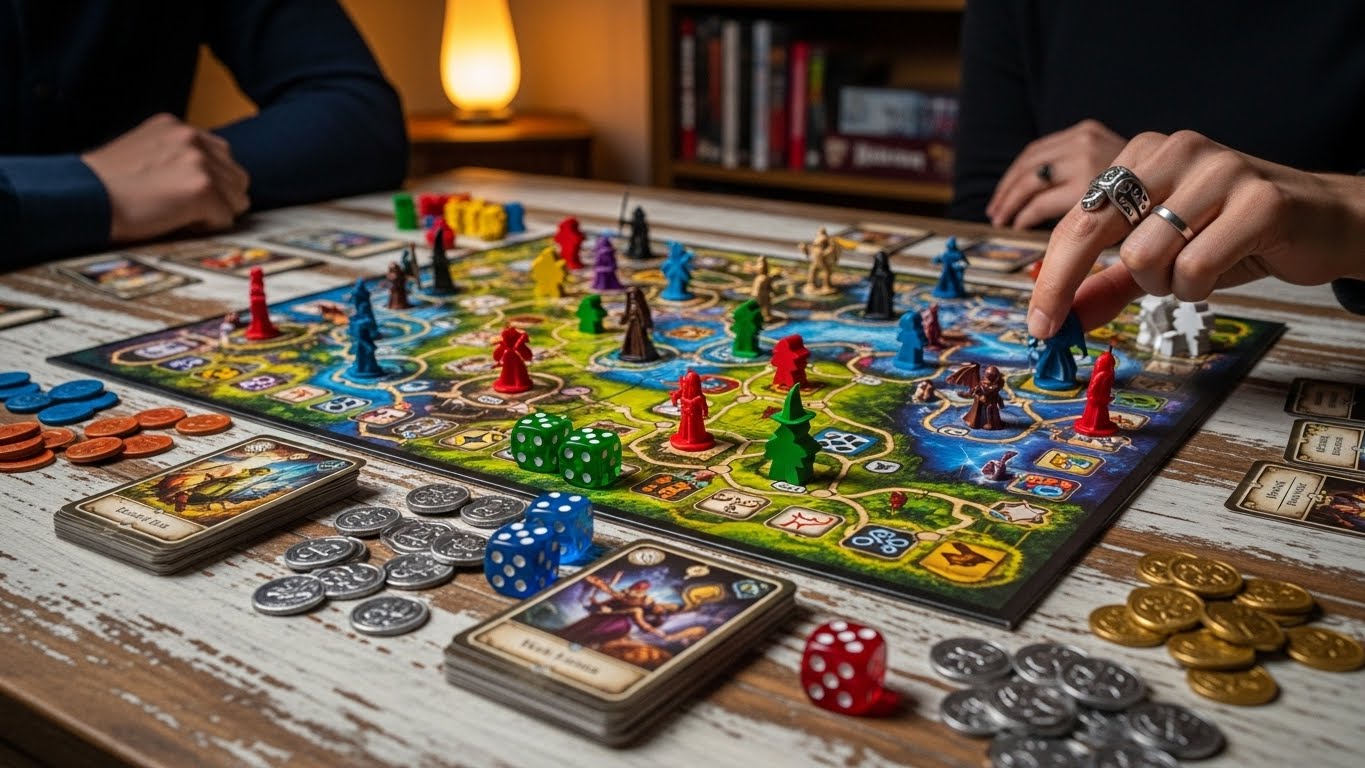
Board games and tabletop games have long been central to social interaction and entertainment. Classics like Monopoly, Scrabble, and Risk brought families and friends together, creating shared experiences and fostering friendly competition. Tabletop role-playing games such as Dungeons & Dragons introduced narrative-driven gameplay, allowing players to immerse themselves in imaginative worlds.
Board and tabletop games encourage collaboration, strategic thinking, and creativity. They also provide a tangible, interactive experience that digital games cannot replicate, highlighting the versatility of games as a medium of entertainment.
The Evolution of Video Games
The modern era of gaming began in the 1970s with arcade games and home consoles. Titles like Pong, Space Invaders, and Pac-Man captured public imagination, laying the groundwork for a thriving digital gaming culture. The 1980s and 1990s saw the rise of iconic franchises such as Super Mario, The Legend of Zelda, and Sonic the Hedgehog, combining storytelling, gameplay, and artistry.
Video games evolved into increasingly complex experiences, blending strategy, skill, and narrative. The introduction of online multiplayer gaming expanded the social dimension, enabling players to compete and collaborate across the globe. This evolution transformed gaming into a cultural and economic powerhouse.
Gaming Genres and Their Appeal
Games span countless genres, each appealing to different interests and playstyles. First-person shooters like Call of Duty and Overwatch demand reflexes, precision, and teamwork. Multiplayer online battle arenas such as League of Legends and Dota 2 emphasize strategy, coordination, and tactical planning.
Role-playing games offer immersive storytelling, character progression, and exploration, while sports simulation games recreate the excitement of real-world athletics. Puzzle games, strategy games, and sandbox games cater to creativity and problem-solving. This diversity ensures that gaming offers something for every player, from casual enthusiasts to competitive professionals.
Mobile Gaming: Play Anywhere, Anytime
The rise of mobile gaming has revolutionized access to games. Smartphones and tablets allow players to enjoy games anywhere, making gaming more convenient and inclusive. Titles like Candy Crush, Pokémon Go, and Among Us have reached millions of players worldwide, demonstrating the widespread appeal of casual, accessible gaming.
Mobile games often integrate social features, such as leaderboards, cooperative challenges, and in-game chat, enhancing engagement and fostering connections between players. The accessibility and portability of mobile gaming have contributed to its rapid growth and mainstream popularity.
The Social Dimension of Games
Gaming is inherently social. Multiplayer games, online communities, and live streaming platforms create spaces for collaboration, competition, and shared experiences. Players form teams, guilds, and clans, fostering camaraderie and friendship.
Streaming platforms allow fans to watch professional gamers, learn strategies, and participate in real-time discussions. Social interaction enhances the appeal of games, making them more than just entertainment—they become communities where players share experiences, celebrate achievements, and support one another.
Esports and Competitive Gaming
Esports has transformed games into professional competition. Players and teams compete in global tournaments, showcasing skill, strategy, and teamwork. Games like Dota 2, Fortnite, and Counter-Strike have become central to the esports ecosystem, attracting millions of viewers and offering substantial prize pools.
Esports mirrors traditional sports with structured leagues, coaching, analysis, and rigorous training. It has created new career paths for players, commentators, event organizers, and content creators. Competitive gaming has elevated the status of games, proving that they are a serious, respected form of entertainment and skill-based competition.
The Cognitive and Emotional Benefits of Games
Games offer more than fun—they provide cognitive and emotional benefits. Strategic games enhance critical thinking, decision-making, and problem-solving skills. Puzzle and logic-based games improve memory and concentration. Multiplayer and team-based games cultivate communication, collaboration, and leadership abilities.
Emotionally, games provide stress relief, relaxation, and a sense of achievement. Completing challenges, progressing through levels, and achieving high scores can boost confidence and motivation. Many educators now use gamification to teach and engage students, demonstrating that games are effective tools for learning.
Technological Innovations in Gaming
Technology drives the evolution of games. Advances in graphics, artificial intelligence, and physics engines enhance realism and immersion. Virtual reality and augmented reality provide fully interactive experiences, allowing players to enter digital worlds physically.
Cloud gaming allows high-quality gaming on devices without powerful hardware. Motion-sensing controllers, haptic feedback, and advanced audio technology create more interactive and realistic experiences. These innovations ensure that gaming continues to grow in depth, engagement, and creativity.
Games as a Medium of Storytelling
Games have become a powerful platform for storytelling. Role-playing games, adventure games, and narrative-driven experiences allow players to influence outcomes and immerse themselves in rich worlds. Titles like The Witcher, Red Dead Redemption, and The Last of Us demonstrate the potential of games to deliver compelling narratives and emotional engagement.
Unlike passive media, games allow players to participate in the story, making choices that affect characters, plots, and outcomes. This interactivity creates a deeper connection between players and the narrative, making gaming a unique storytelling medium.
The Business of Gaming
The gaming industry is a global economic force. Revenue comes from game sales, subscriptions, in-game purchases, esports, and merchandise. Companies invest heavily in marketing, development, and technology to maintain competitive advantages.
The industry supports a wide range of careers, from game design and programming to marketing, broadcasting, and event management. Independent developers contribute to diversity and innovation, offering creative alternatives to mainstream releases. Gaming’s economic impact extends beyond entertainment, influencing technology, media, and culture worldwide.
The Cultural Impact of Games
Games influence and reflect culture. They explore societal themes, challenge norms, and inspire creativity. Iconic characters, music, and narratives from games have entered popular culture, shaping fashion, language, and social trends.
Games also facilitate cross-cultural exchange. Online communities connect players from different backgrounds, exposing them to diverse perspectives and ideas. Games can promote empathy, teamwork, and understanding while providing entertainment that transcends borders.
The Future of Gaming
The future of games is filled with possibilities. Virtual reality and augmented reality will create more immersive experiences. Artificial intelligence will enhance gameplay, offering dynamic challenges and personalized experiences. Cloud gaming and advanced streaming technologies will make high-quality gaming accessible globally.
Gaming will continue to merge with other forms of entertainment, including films, music, and social media. The line between creators and players will blur, allowing audiences to participate more actively in game development, storytelling, and live experiences.
Why Games Will Always Matter
Games have endured because they combine creativity, skill, social connection, and entertainment. They challenge minds, inspire imagination, and foster collaboration. Games adapt to technological advances and cultural changes, yet their core appeal remains: engagement, challenge, and joy.
Whether through casual play, competitive esports, immersive storytelling, or social interaction, games provide experiences that are universally enjoyable and culturally significant. They are a testament to human creativity and the enduring desire to play, explore, and connect.
Conclusion: The Everlasting Appeal of Games
From ancient board games to modern digital experiences, games have evolved but never lost their appeal. They entertain, educate, connect, and inspire. The gaming industry continues to grow, innovate, and influence culture globally.
Games are more than a pastime—they are a reflection of human ingenuity, imagination, and social connection. As technology advances and creativity flourishes, games will remain a central part of entertainment and culture, offering endless possibilities for fun, learning, and connection for generations to come.