
Gaming has become more than just a hobby; it has transformed into a global culture, a multi-billion-dollar industry, and a source of endless entertainment. Whether you’re a casual player enjoying a quick session or a professional streamer with a dedicated fan base, the world of gaming is vast and offers something for everyone. This blog will explore the evolution of gaming, its cultural impact, technological advancements, and the future of the gaming industry.
The Evolution of Video Games: From Pong to Virtual Reality
When we think of the origins of gaming, many people remember the iconic “Pong,” released in 1972, as the birth of video games. It was simple, with two paddles and a single dot bouncing between them. It was basic by today’s standards, but it sparked the beginning of an era that would change the way we interact with technology and entertainment.
Since then, gaming has evolved at an astonishing pace. From the 8-bit graphics of the early Nintendo Entertainment System (NES) to the hyper-realistic visuals of PlayStation 5 and Xbox Series X, the graphical improvements alone are enough to impress even the most skeptical gamers. Games like “Super Mario Bros.,” “The Legend of Zelda,” and “Final Fantasy” helped lay the foundation for modern gaming.
The 1990s marked the rise of 3D graphics with consoles like the Sony PlayStation and Nintendo 64, which allowed players to explore worlds in a way that was previously unimaginable. The introduction of online multiplayer games like “Quake” and “Warcraft” also opened up new possibilities for gaming, allowing people to compete with others around the world in real-time.
In the 2000s, the introduction of high-definition graphics, open-world gameplay, and more complex storytelling took gaming to the next level. Titles like “Grand Theft Auto V,” “The Elder Scrolls V: Skyrim,” and “Halo 3” were groundbreaking in their design and execution, shaping the way we view video games as a form of art and entertainment.
Today, the cutting-edge technology of virtual reality (VR) and augmented reality (AR) is pushing the boundaries even further. Games like “Half-Life: Alyx” and “Beat Saber” offer immersive experiences where players can interact with digital environments as if they were truly part of them.
Gaming Genres: Diversity for Every Type of Player
One of the reasons why gaming has gained such widespread popularity is the sheer diversity of genres available. Whether you’re interested in racing, shooting, exploring fantasy worlds, or building intricate structures, there’s a game for every kind of player. Let’s explore some of the major gaming genres that have captivated audiences around the world.
Action and Adventure
Action-adventure games are perhaps the most well-known genre in gaming. These titles often combine elements of exploration, puzzle-solving, and combat. Games like “The Legend of Zelda: Breath of the Wild” and “Uncharted” take players on epic journeys filled with action-packed sequences and story-driven experiences. These games often require a combination of quick reflexes and strategic thinking to overcome obstacles and defeat enemies.
Role-Playing Games (RPGs)
Role-playing games are deeply immersive, allowing players to take on the roles of characters in fantastical worlds. RPGs like “The Witcher 3: Wild Hunt” and “Final Fantasy XV” are beloved for their expansive worlds, intricate lore, and character development. Players can make choices that impact the story, building connections with NPCs, and experiencing personal growth throughout the journey. These games often feature leveling systems, skill trees, and side quests that provide hours of gameplay.
First-Person and Third-Person Shooters
FPS (First-Person Shooter) and TPS (Third-Person Shooter) games are centered around gunplay and tactical combat. Some of the most popular titles in this category include “Call of Duty,” “Fortnite,” and “Apex Legends.” These games feature a variety of weapons, maps, and game modes, often with competitive multiplayer elements. FPS and TPS games are known for their fast-paced action, teamwork, and the thrill of shooting down opponents.
Simulation Games
Simulation games are designed to replicate real-life activities in a virtual world. These games range from life simulations like “The Sims” to city-building games like “SimCity” and farming simulators like “Stardew Valley.” These games focus on strategy and creativity, allowing players to control everything from managing a business to raising a family or even creating an entire civilization.
Strategy Games
For those who prefer a more thoughtful and tactical approach, strategy games offer a deep, cerebral experience. Games like “Civilization VI,” “StarCraft II,” and “XCOM 2” require players to think several moves ahead, manage resources, and develop long-term strategies. Whether it’s turn-based or real-time, strategy games often test a player’s decision-making and planning skills.
The Cultural Impact of Gaming
Video games have moved far beyond simple entertainment; they have become a cultural force in their own right. The influence of gaming can be seen in movies, television shows, music, and even social movements.
Esports and Competitive Gaming
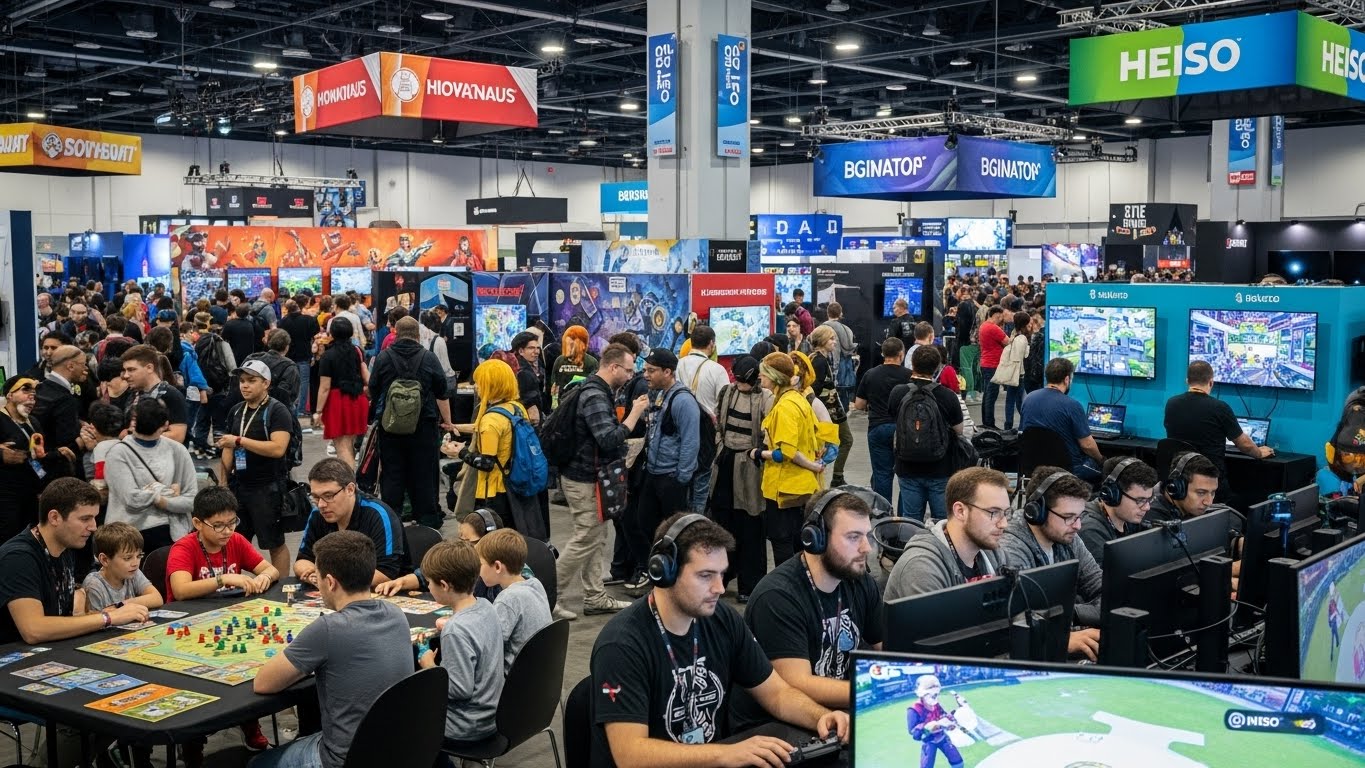
One of the most significant cultural shifts in the gaming world has been the rise of esports. What was once a niche hobby is now a professional sport, with major tournaments and leagues for games like “League of Legends,” “Dota 2,” and “Overwatch.” Esports athletes train rigorously, and some even make a living by competing in tournaments that offer millions in prize money. This has led to the establishment of esports as a legitimate industry, with sponsorship deals, advertising, and streaming platforms like Twitch becoming central to its growth.
Streaming and Content Creation
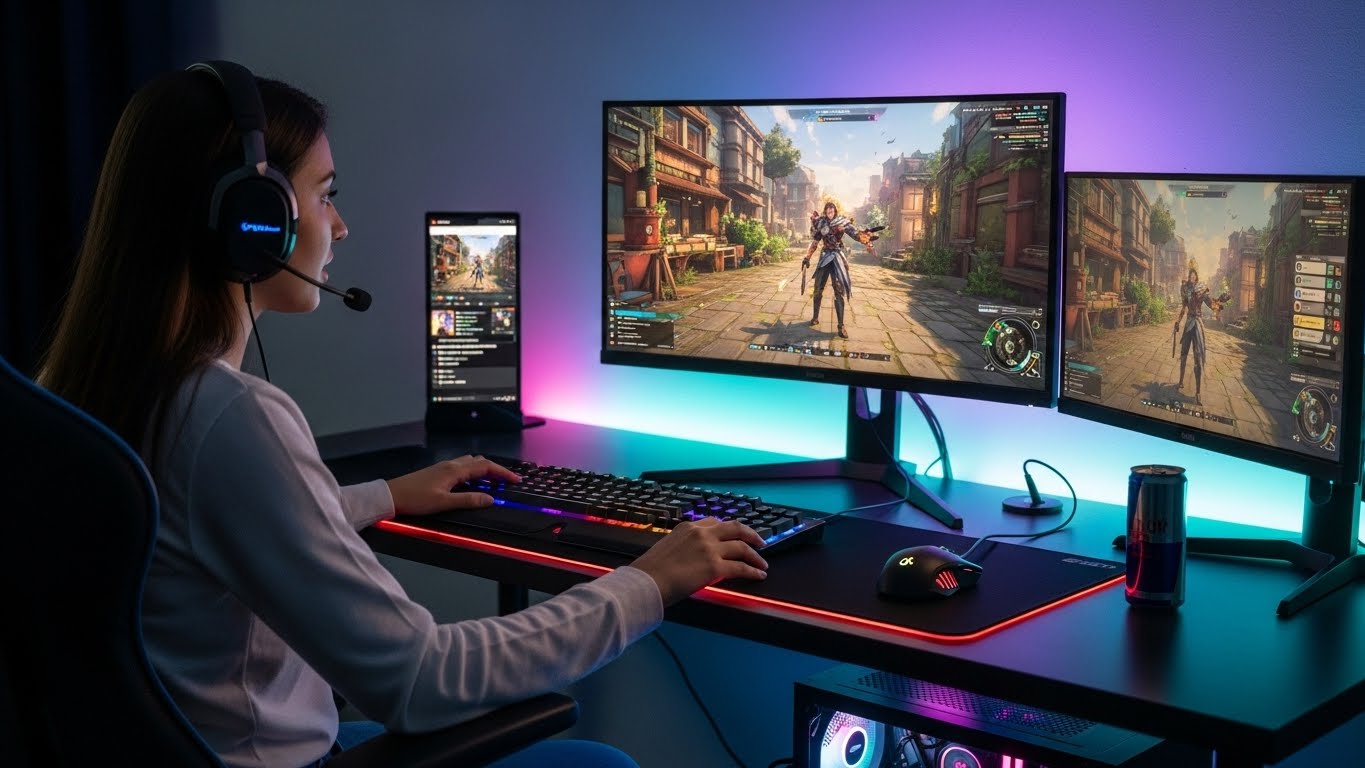
Another cultural shift driven by gaming is the explosion of content creation and streaming. Platforms like YouTube and Twitch allow gamers to broadcast their gameplay to millions of viewers around the world. Influencers like PewDiePie, Ninja, and Pokimane have become household names, amassing enormous followings and creating a new form of entertainment. These creators are more than just gamers—they are entertainers who connect with their audience through humor, skill, and authenticity.
Gaming and Socialization
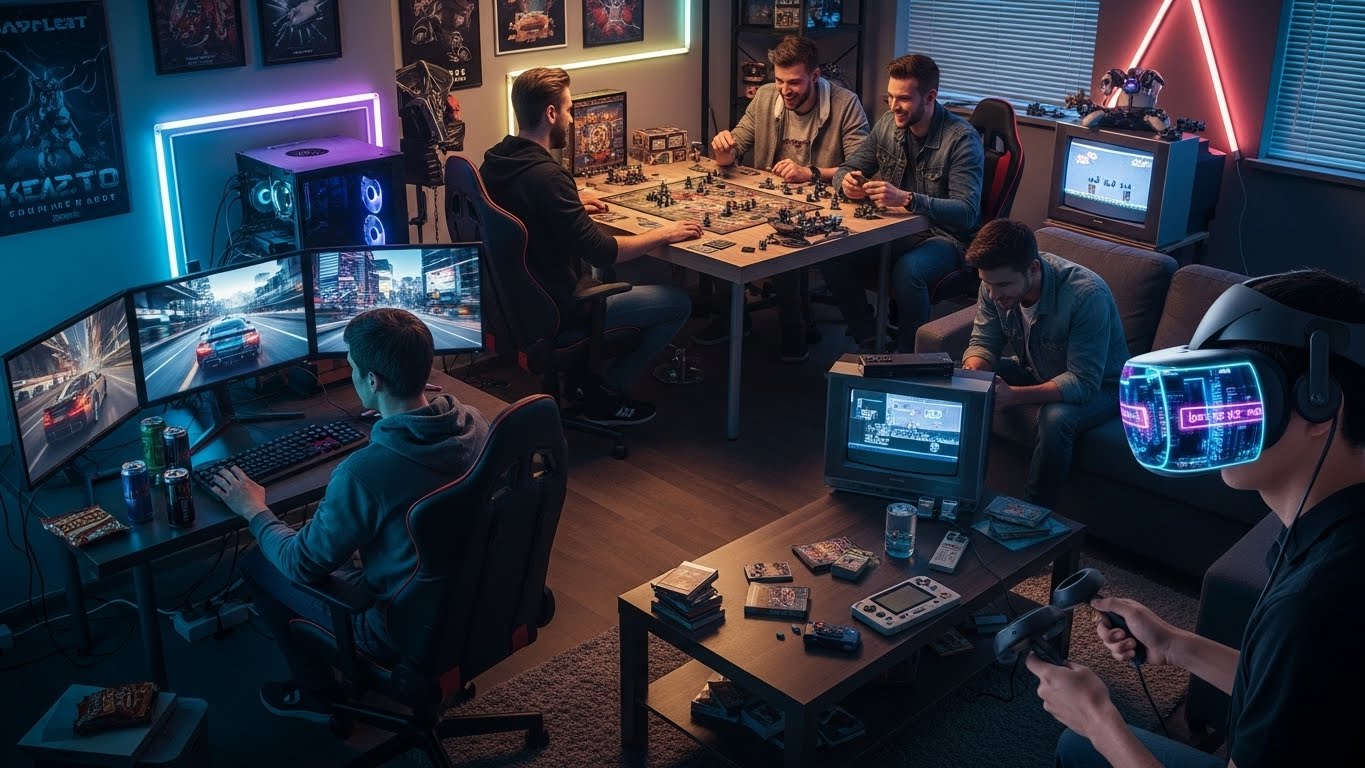
Gaming has also changed the way people socialize. Online multiplayer games provide a space for friends to connect, even if they are miles apart. Titles like “Fortnite,” “Minecraft,” and “Among Us” have become platforms for social interaction, where players can team up with friends or meet new people from different cultures and backgrounds. In many cases, gaming has become a bonding activity, allowing individuals to forge friendships that may not have existed otherwise.
The Technological Advancements Shaping Gaming
Behind every great game is groundbreaking technology. From the early days of basic pixel graphics to the present era of ray tracing and AI-driven content, technology has played a central role in the development of video games. Let’s look at some of the technological advancements that have shaped modern gaming.
Graphics and Visuals
Graphics have always been one of the most talked-about aspects of gaming. The transition from 2D to 3D was a monumental leap in the 1990s, but it’s the improvements in graphics over the past decade that have truly made a difference. Modern consoles and high-end gaming PCs are capable of producing lifelike visuals with features like ray tracing, which simulates how light behaves in the real world, creating more realistic reflections and shadows.
High-definition and 4K resolutions have become the standard, with games like “Cyberpunk 2077” and “Red Dead Redemption 2” showcasing the potential of these technologies. Photorealistic graphics are now a reality, and as technology continues to advance, games will only become more visually stunning.
Artificial Intelligence (AI)
AI plays a pivotal role in making games feel alive. Non-playable characters (NPCs) in modern games use AI to simulate human behavior, making them more responsive and dynamic. In open-world games, NPCs can react to the player’s actions in real-time, creating an immersive experience. AI is also used in procedural generation, which allows for the creation of vast, unique game worlds without human intervention. Games like “Minecraft” and “No Man’s Sky” utilize procedural generation to create endless landscapes for players to explore.
Virtual and Augmented Reality
Virtual reality (VR) and augmented reality (AR) are pushing the boundaries of gaming in ways that were once thought impossible. VR headsets like the Oculus Rift and HTC Vive provide an immersive experience, allowing players to step into the game world and interact with it directly. VR games like “Beat Saber” and “Job Simulator” have shown how these technologies can provide a completely new way to play. Meanwhile, AR games like “Pokémon GO” have proven that blending the digital and physical worlds can lead to innovative gameplay experiences.
The Future of Gaming: What’s Next?
Looking ahead, the future of gaming seems incredibly exciting. Several trends are already taking shape that could define the next era of gaming.
Cloud Gaming
Cloud gaming, or game streaming, allows players to access and play games without needing expensive hardware. Instead of running the game locally, it runs on a remote server, and the video is streamed to the player’s device. Services like Google Stadia and NVIDIA GeForce Now are pushing this technology forward, allowing gamers to play high-end games on less powerful devices like smartphones, tablets, or even smart TVs.
Artificial Intelligence and Procedural Content
As AI continues to advance, we can expect even more realistic and adaptive NPCs. The future of procedural content generation could also lead to fully dynamic game worlds that change based on the player’s actions. This could result in nearly infinite game worlds, each unique to the player’s experience.