
Introduction: Games Beyond Entertainment
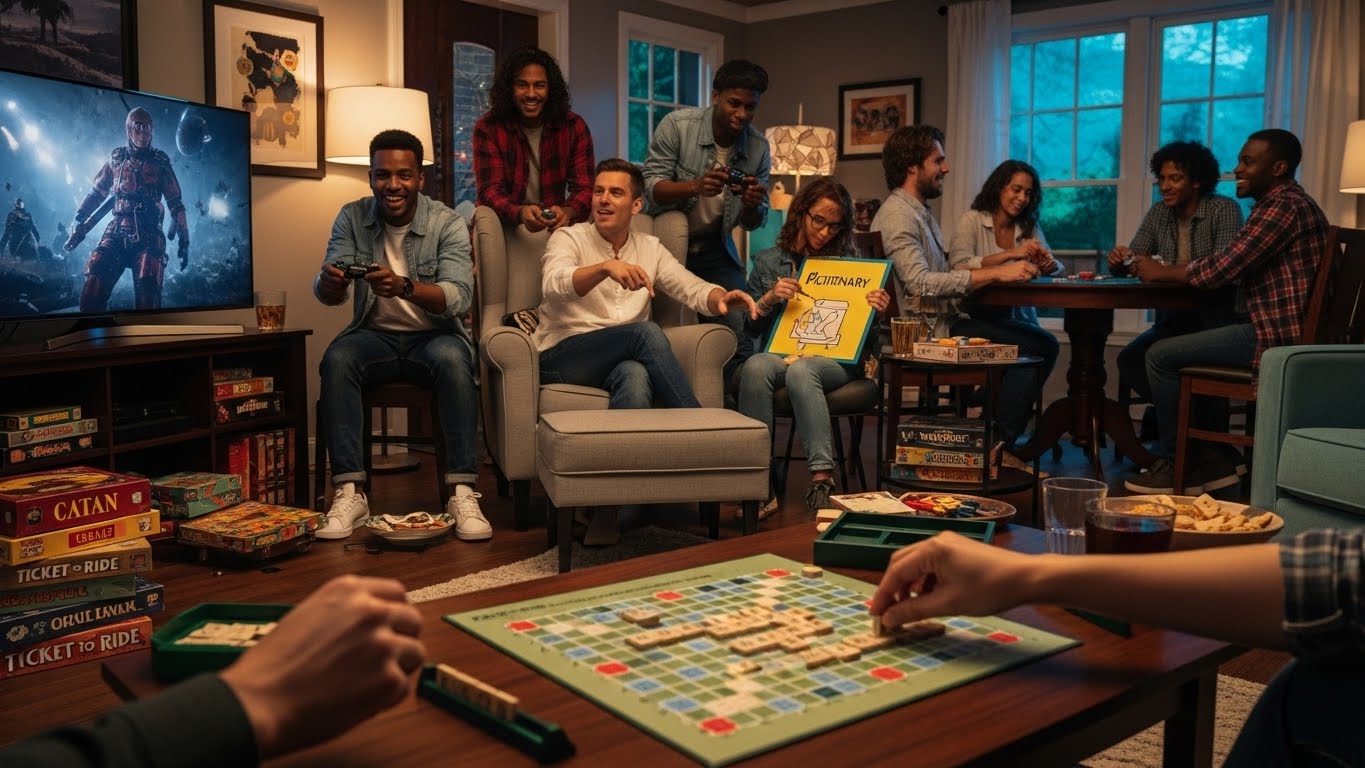
Games are more than just a source of fun—they are a reflection of human creativity, strategy, and imagination. From board games and puzzles to video games and sports-based games, they engage the mind and foster social interaction. Games have the power to teach critical thinking, teamwork, and problem-solving while providing a space for enjoyment and relaxation.
The Evolution of Games
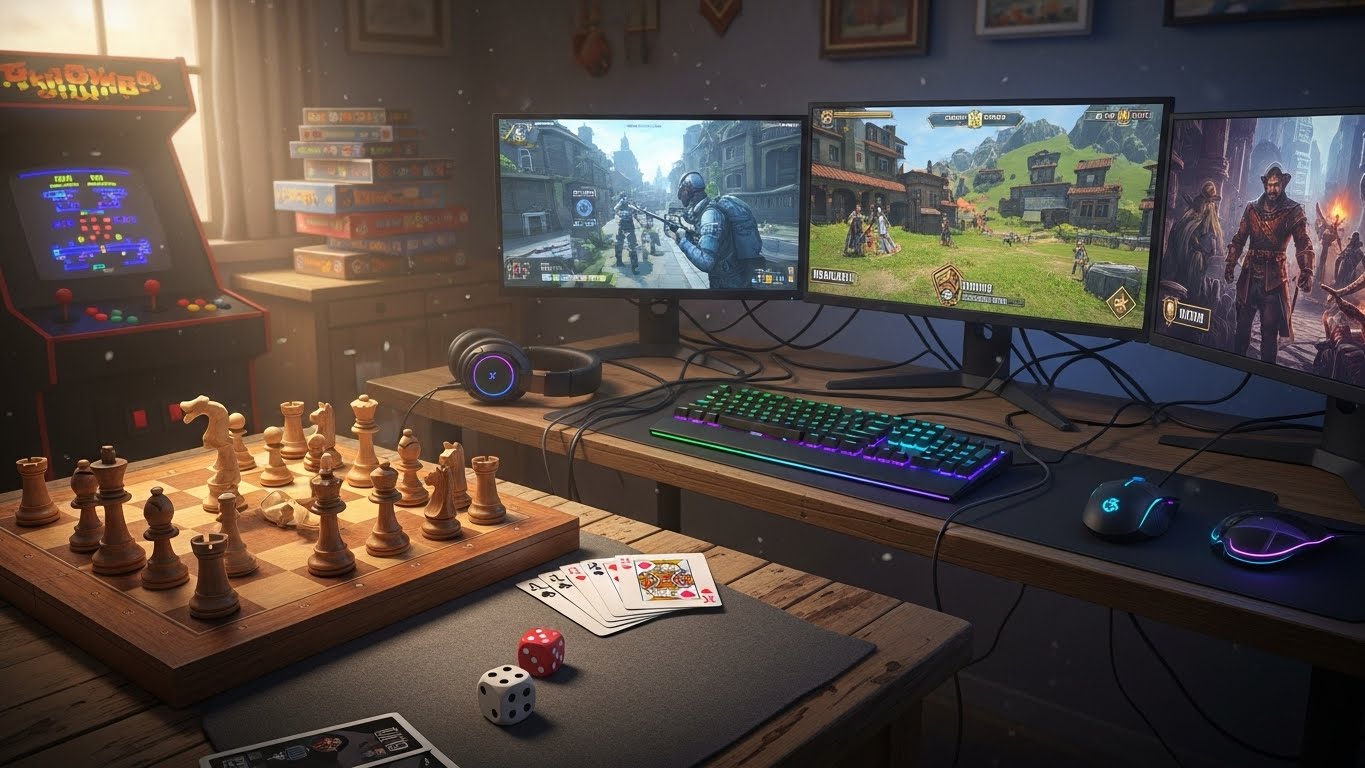
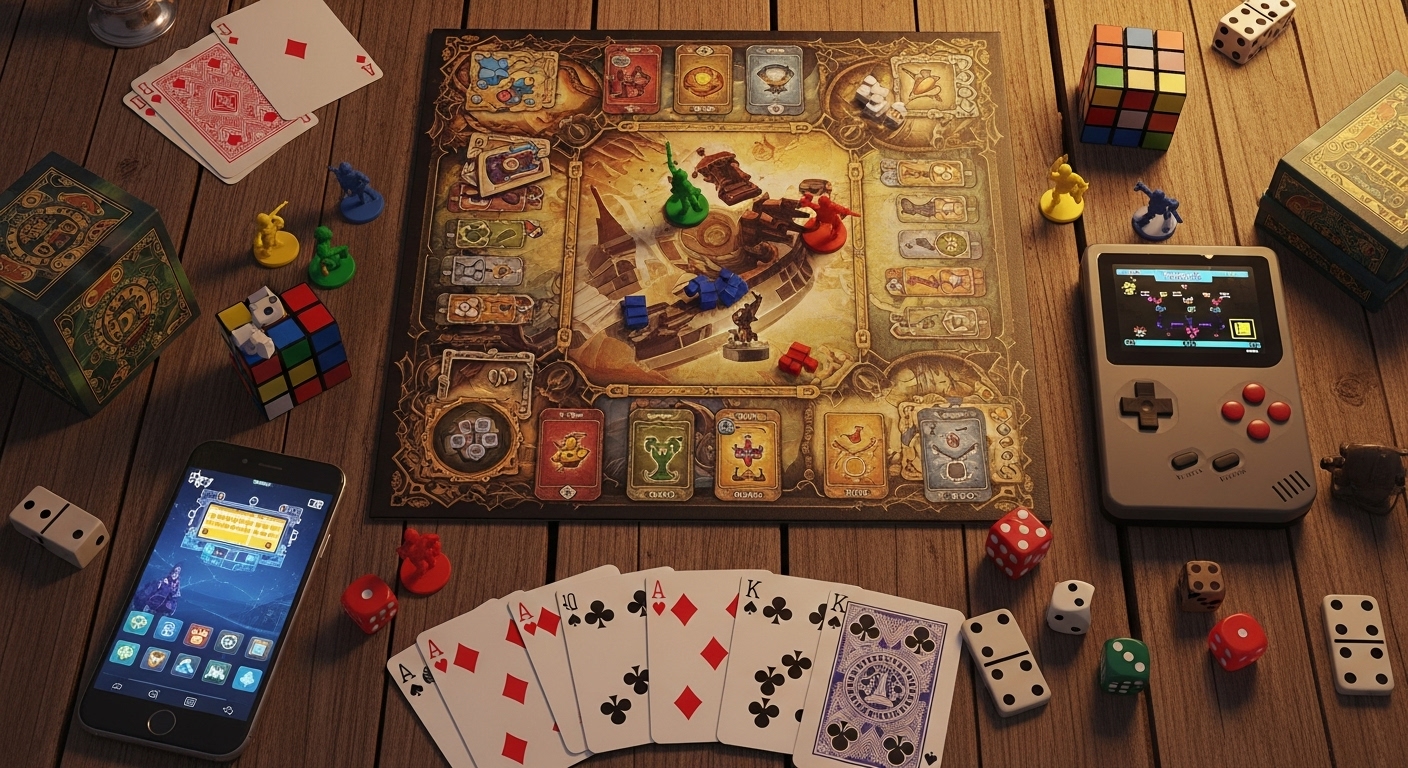
Games have existed since ancient times, evolving alongside human civilization. Early societies played games like dice, chess, and tag to test skill, strategy, and endurance. With technological advancements, digital games emerged, offering immersive worlds and interactive experiences. Today, games span multiple formats—from mobile apps to console and PC games—blurring the lines between traditional and digital play.
Cognitive Benefits of Games
Games are excellent tools for developing mental skills. Strategy and puzzle games enhance problem-solving abilities and critical thinking. Role-playing and simulation games improve decision-making and adaptability, while fast-paced games sharpen reflexes and focus. Beyond cognitive growth, games can boost creativity by encouraging players to explore new scenarios, design strategies, and solve challenges in unique ways.
Social Interaction Through Games
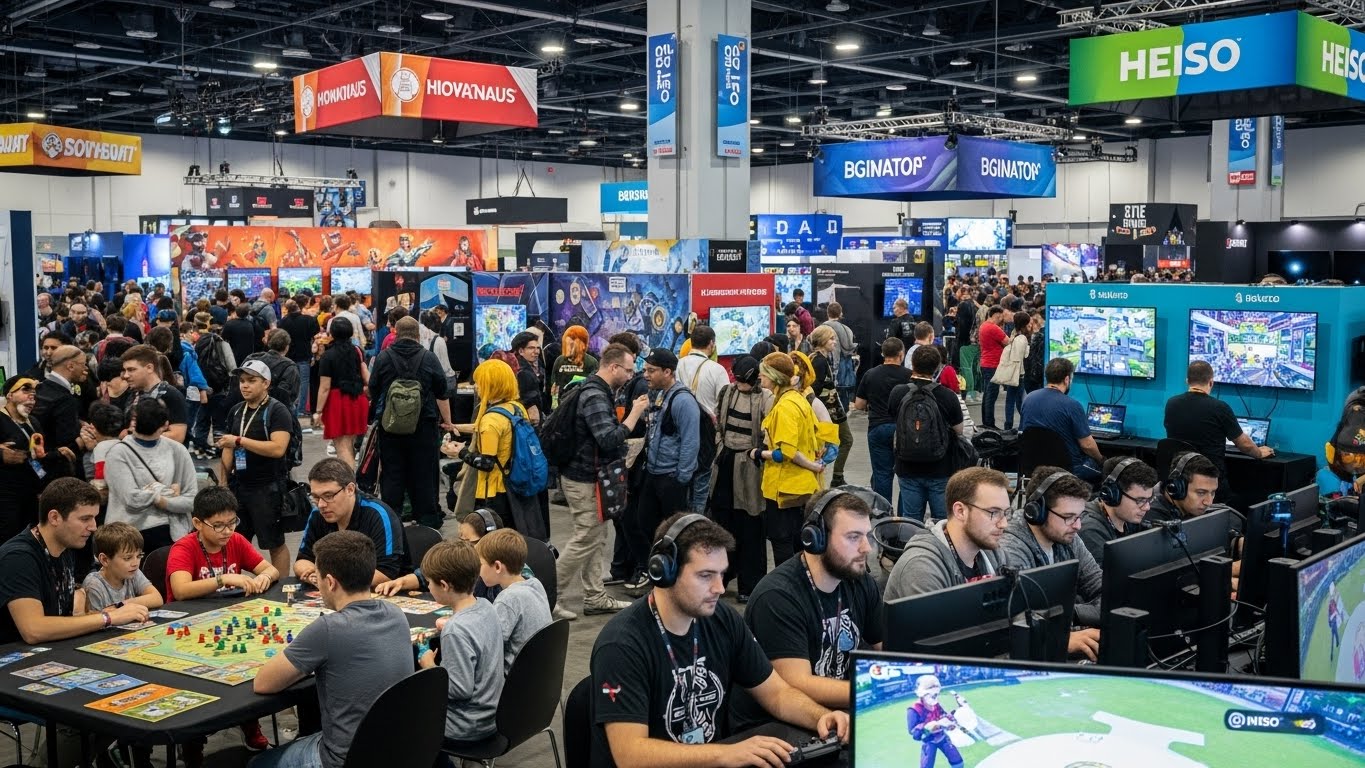
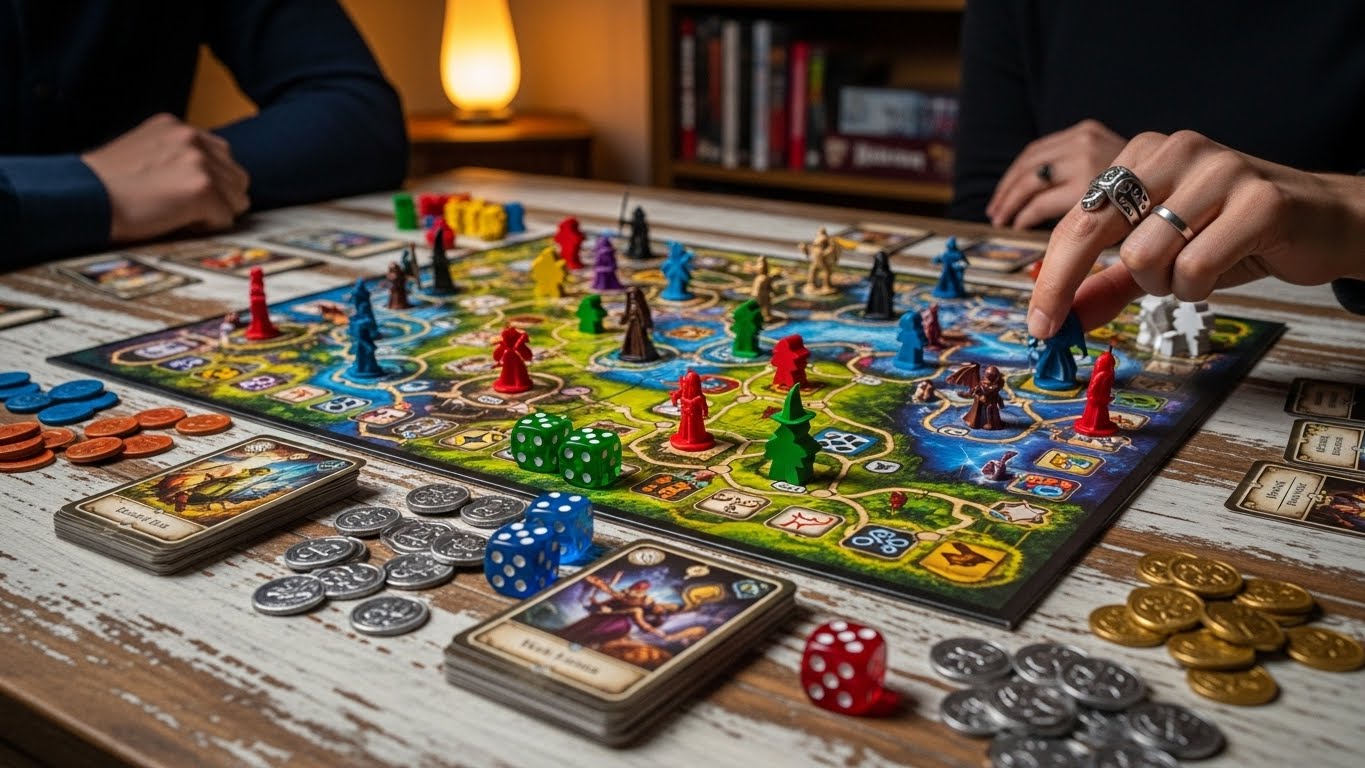
Games create a platform for social connection. Multiplayer and online games allow people to collaborate, compete, and communicate across distances. Even traditional board games bring friends and family together, fostering teamwork and healthy competition. Gaming communities provide a sense of belonging, where players share achievements, tips, and experiences, forming lasting friendships.
Games as a Professional Arena
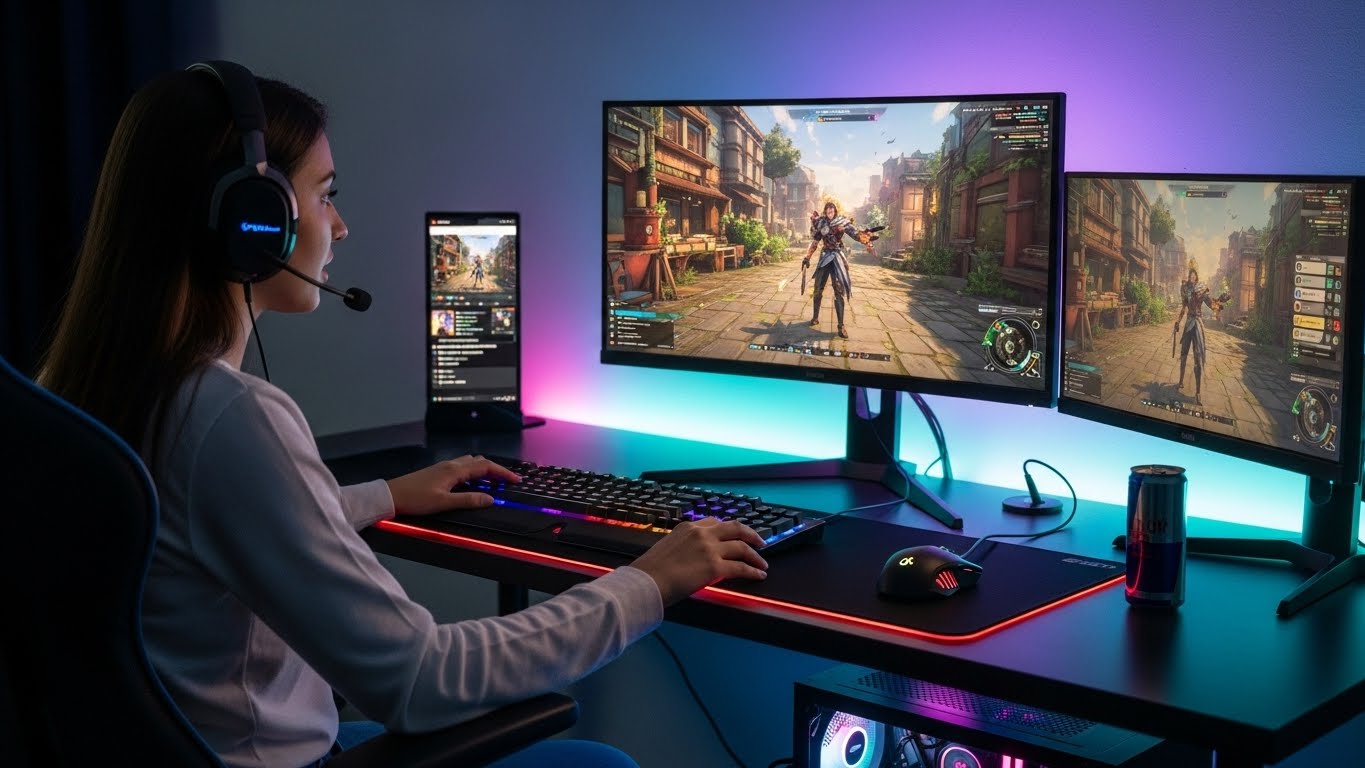
Gaming has grown into a professional industry, particularly with the rise of esports and competitive gaming. Players, streamers, and content creators now have opportunities to pursue careers in gaming. Tournaments, championships, and sponsorships highlight gaming as a legitimate competitive field, inspiring players worldwide to improve their skills and strive for excellence.
Challenges in the Gaming World
Despite their benefits, games present challenges. Excessive screen time, gaming addiction, and online toxicity are concerns that require attention. Responsible gaming practices, moderation, and positive community engagement are essential to ensure games remain a healthy and enriching activity. Balancing play with other aspects of life is key to enjoying games safely and meaningfully.
The Future of Games
The future of games promises greater innovation and immersion. Technologies like virtual reality, augmented reality, and artificial intelligence will create experiences that blend imagination and reality. Games will continue to evolve as tools for learning, creativity, and social interaction, offering new ways to challenge the mind and connect people across the world.
Conclusion: Games as a Force for Learning and Connection
Games are more than mere entertainment—they shape thinking, creativity, and social bonds. They inspire problem-solving, teamwork, and strategic thinking while providing joy and relaxation. As technology and creativity advance, games will continue to be an essential part of human culture, offering limitless opportunities for learning, connection, and fun.