
Introduction
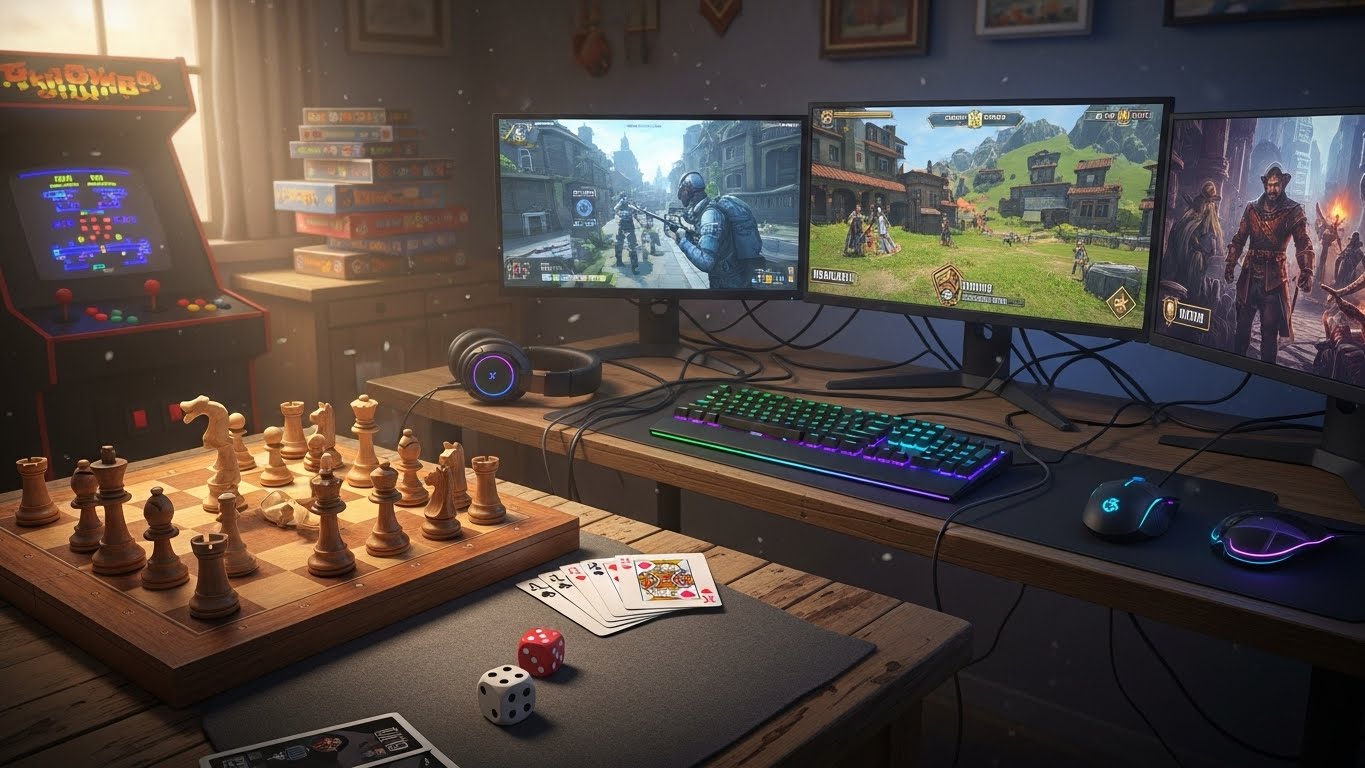
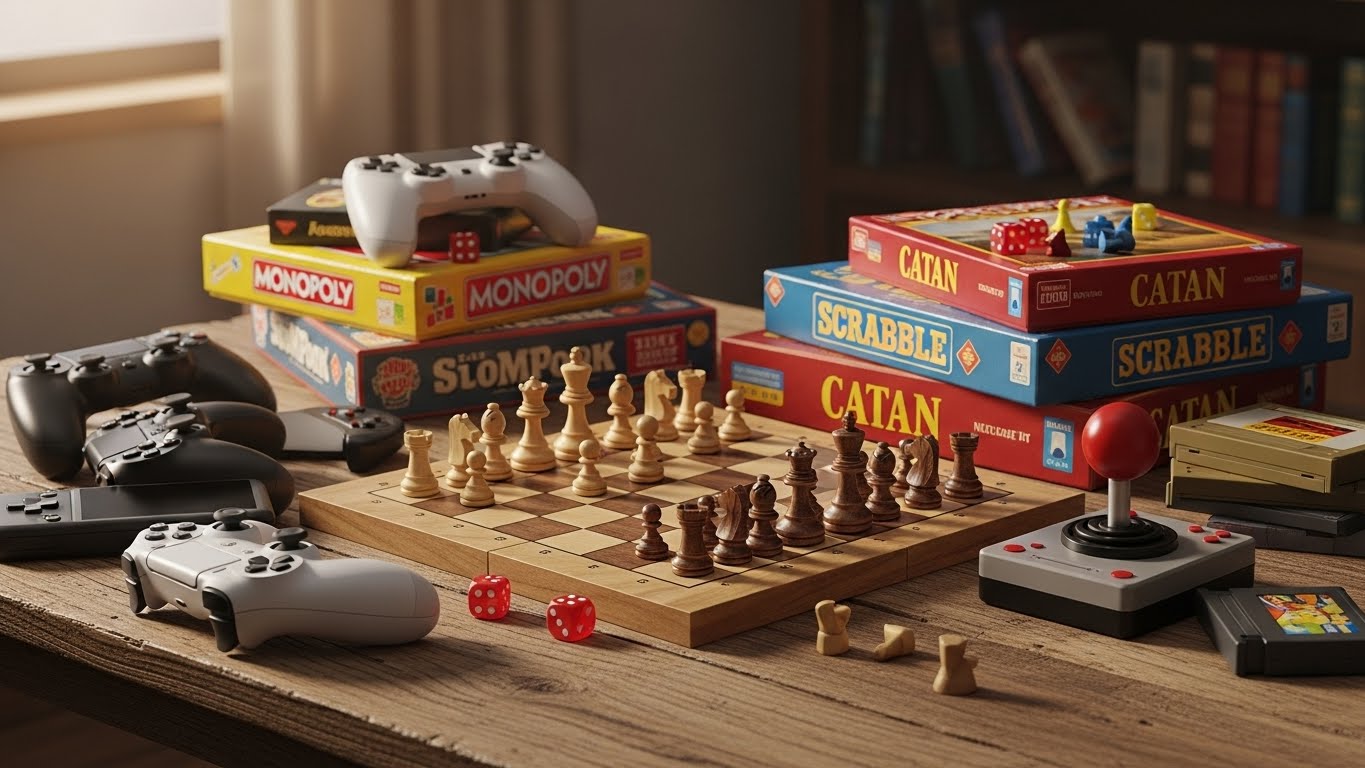
Games have been a part of human life for centuries. From traditional board games to modern video games, they entertain, challenge, and bring people together. Games are more than just a way to pass time—they help in developing strategic thinking, creativity, and social skills. Whether played casually or competitively, games continue to be a universal source of joy and learning.
The Evolution of Games
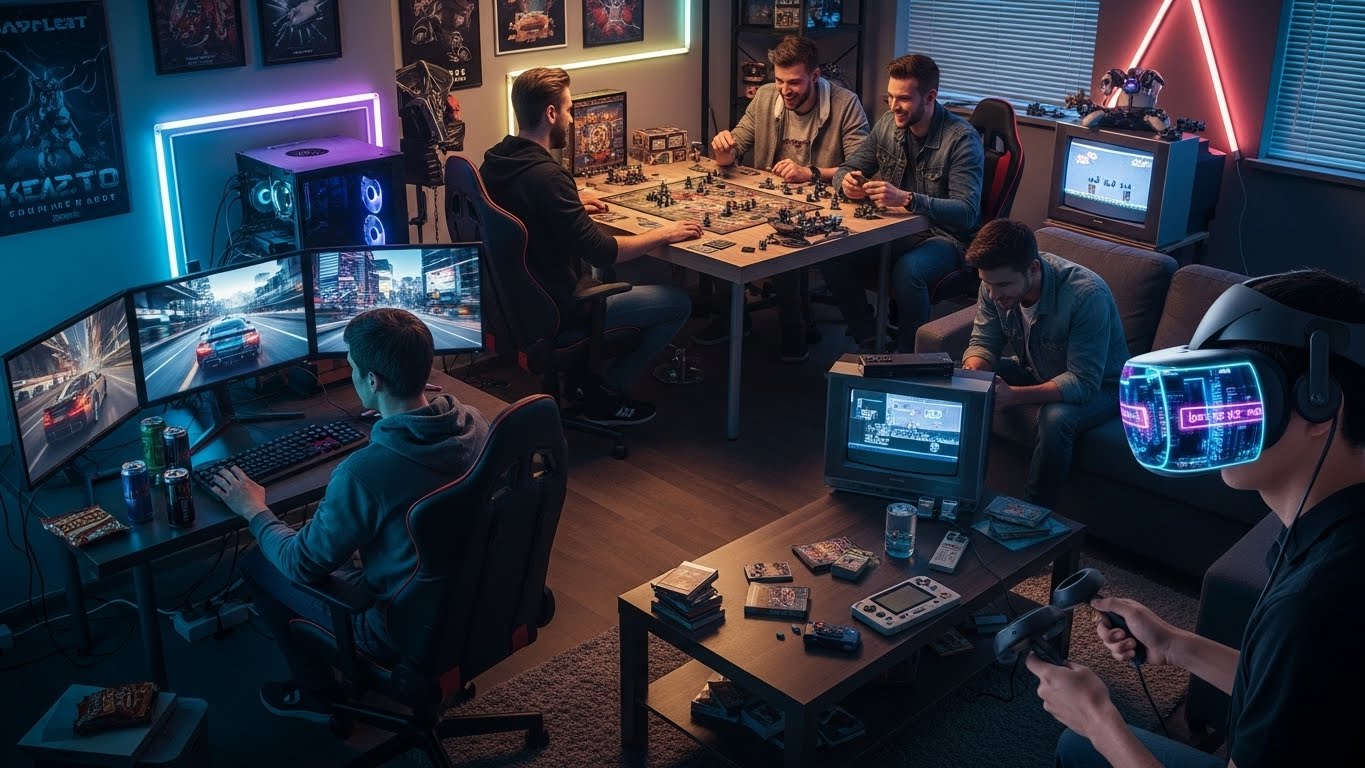
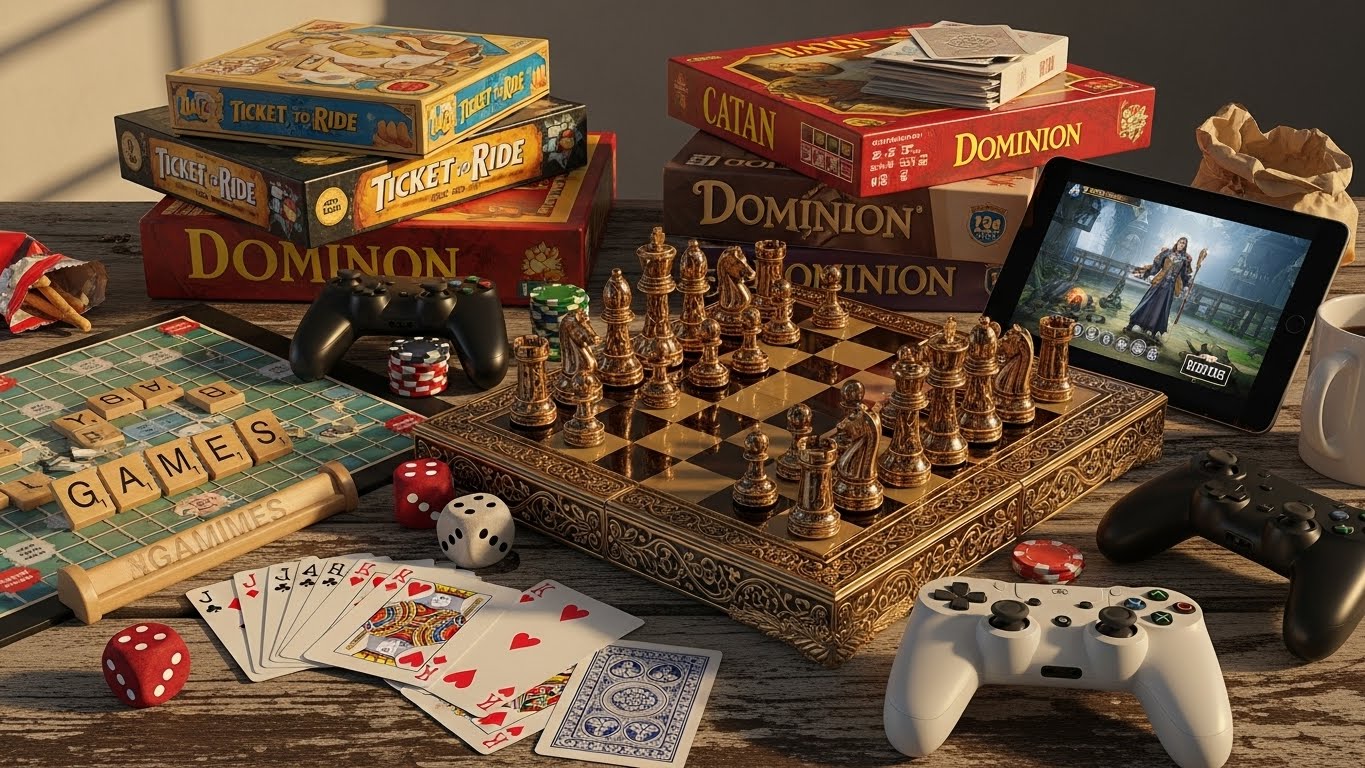
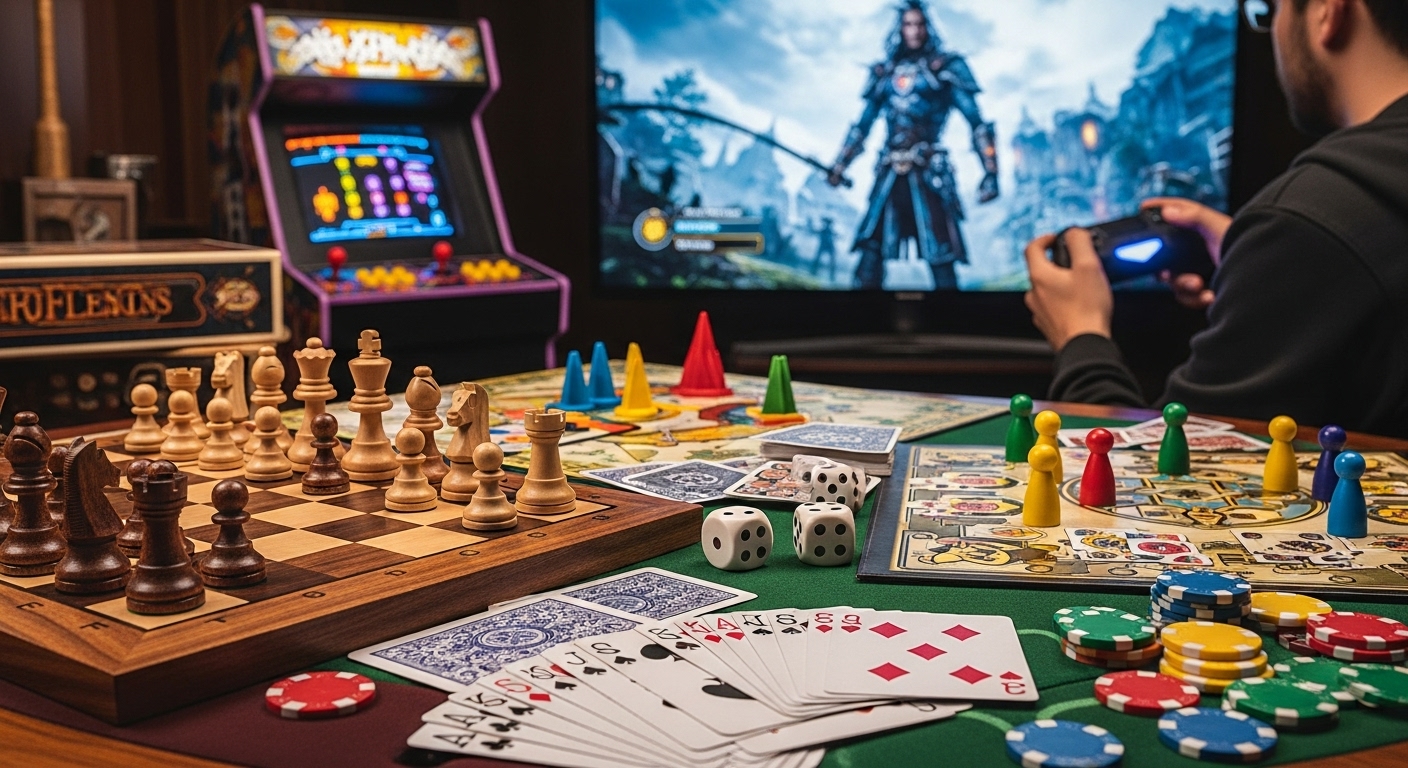
Games have evolved tremendously over the years. Ancient societies enjoyed simple games like chess, dice, and outdoor sports that encouraged strategy, competition, and physical activity. With the advent of technology, digital games emerged, bringing interactive experiences to computers, consoles, and mobile devices. Today, games range from casual mobile apps to immersive virtual reality worlds, showing the endless possibilities of play.
Games as a Source of Entertainment
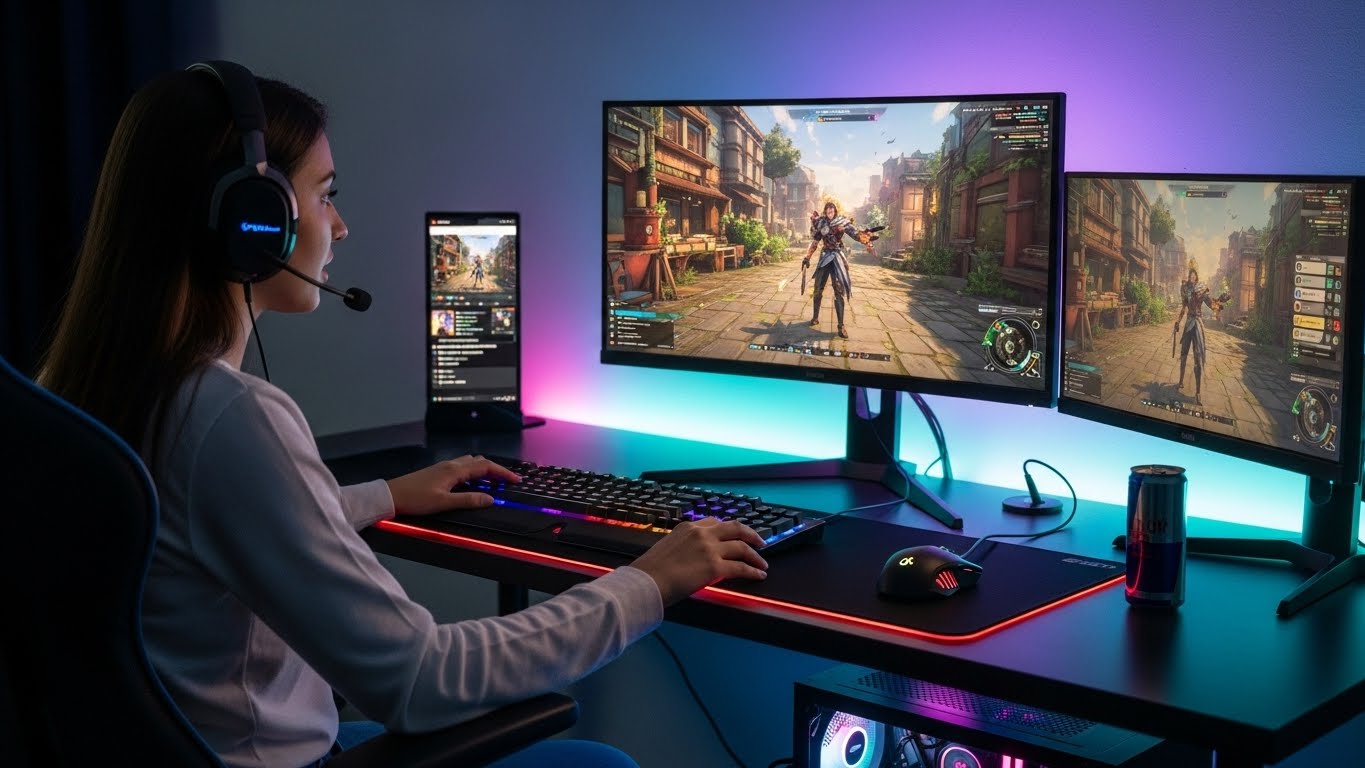
At their core, games provide entertainment. They allow people to escape daily routines, explore new worlds, and experience adventures from the comfort of their homes. Video games, sports, puzzles, and card games all create fun, engagement, and excitement. The thrill of achieving goals, completing challenges, or winning competitions gives a sense of accomplishment that keeps players coming back.
The Social Aspect of Games
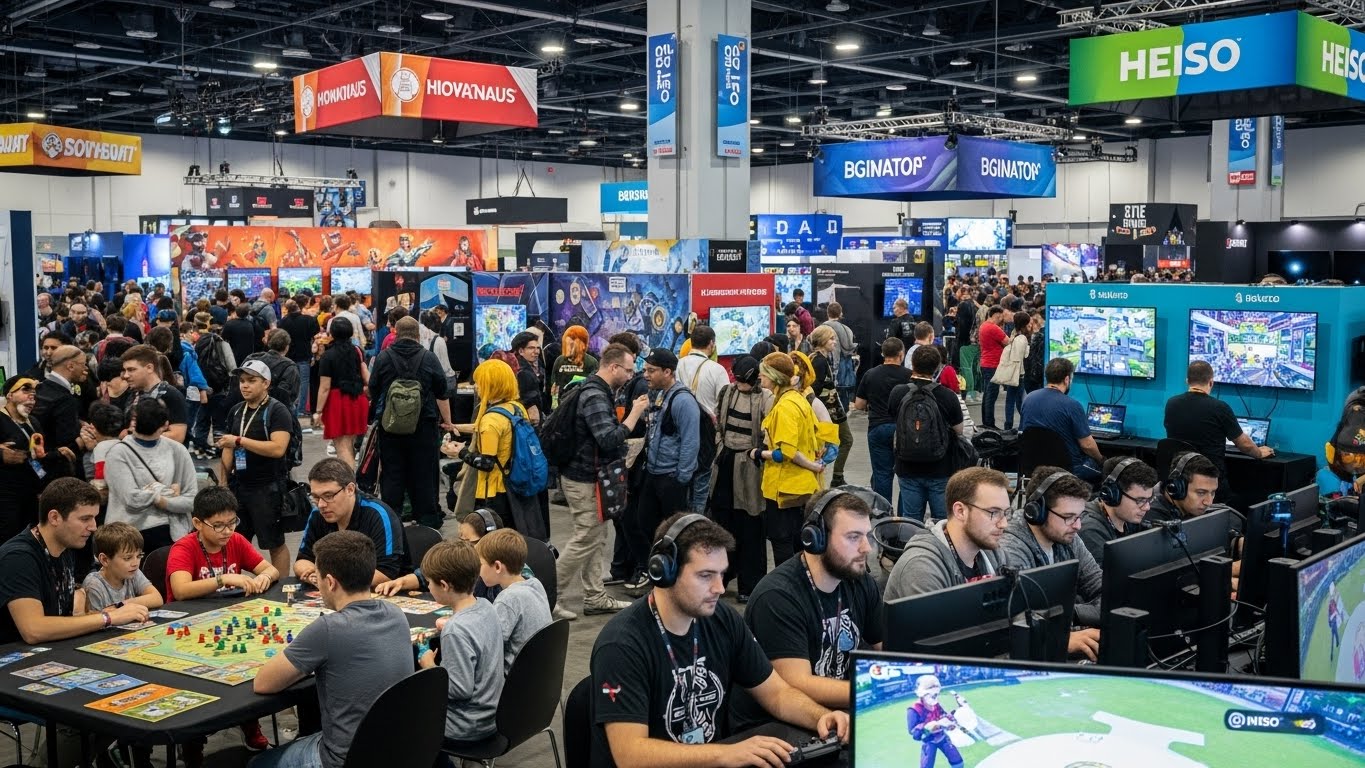
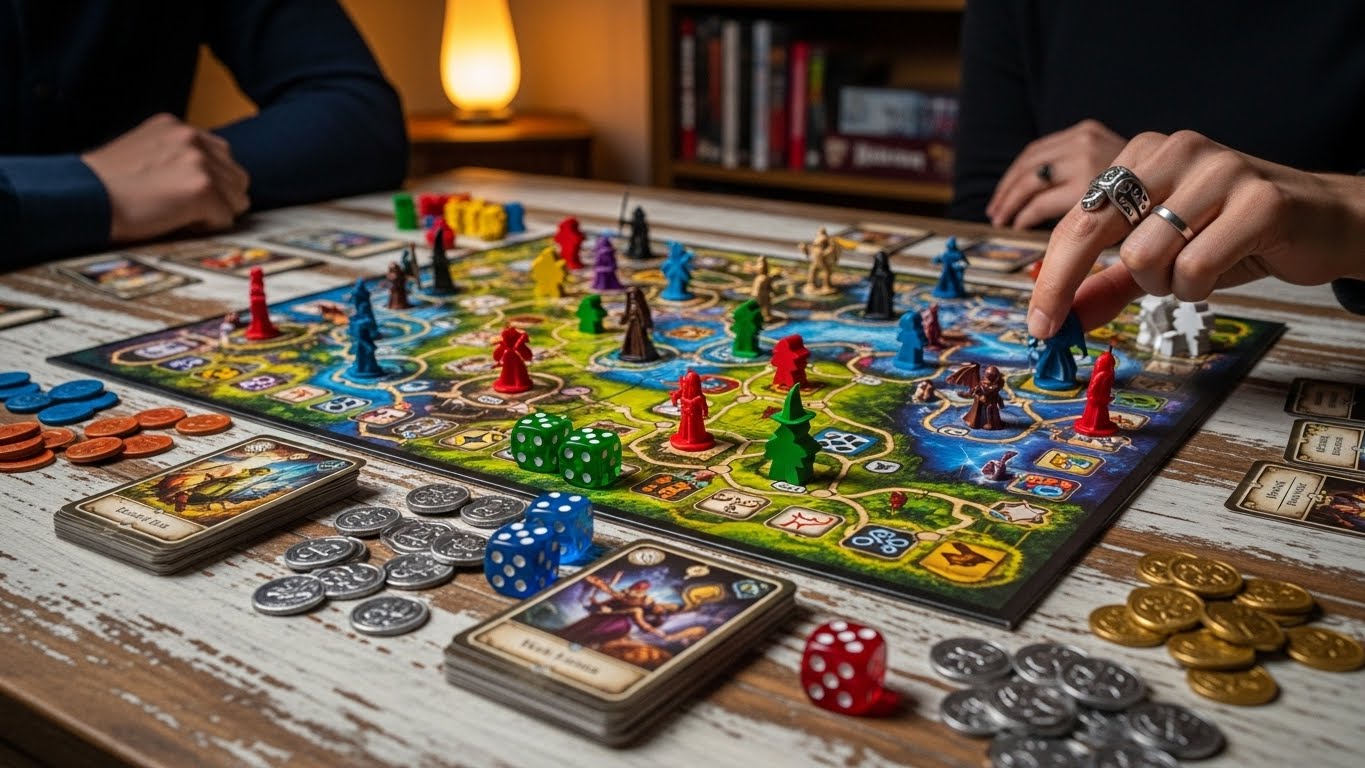
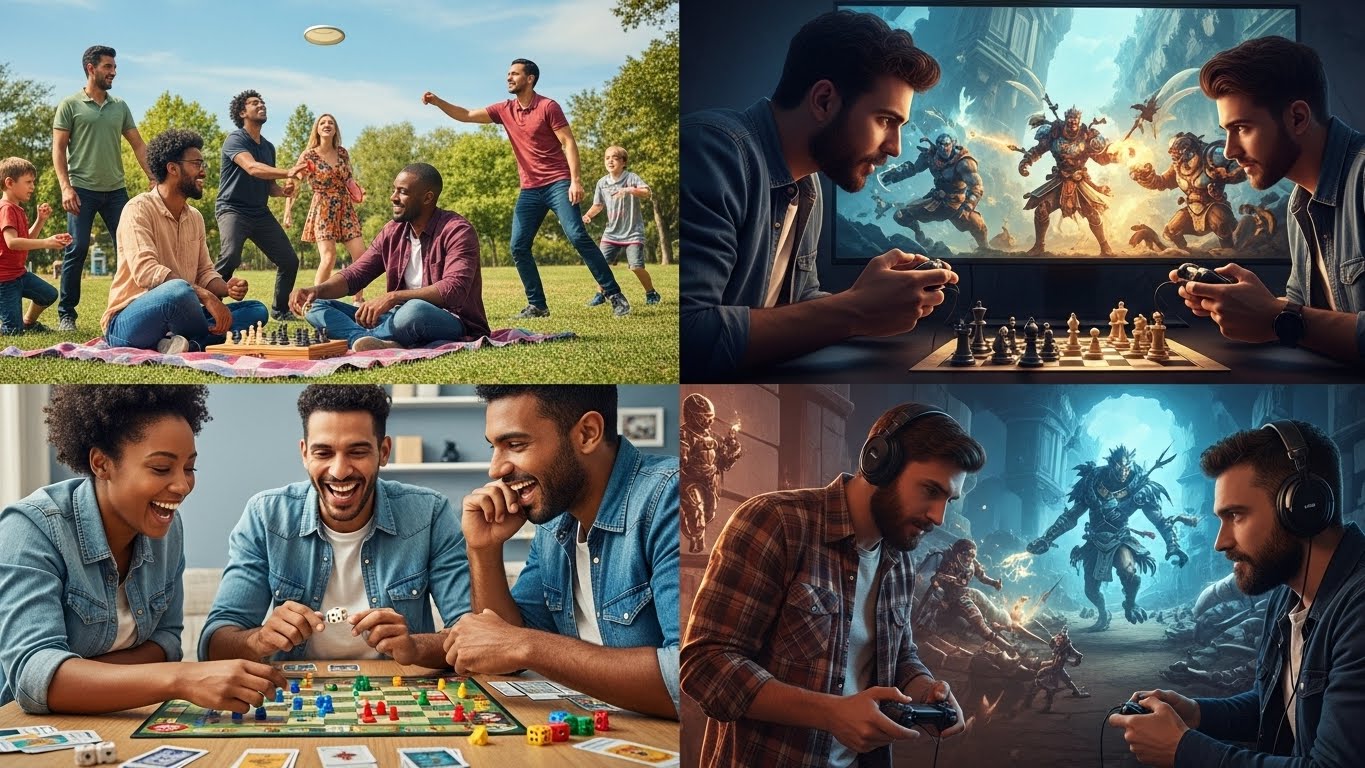
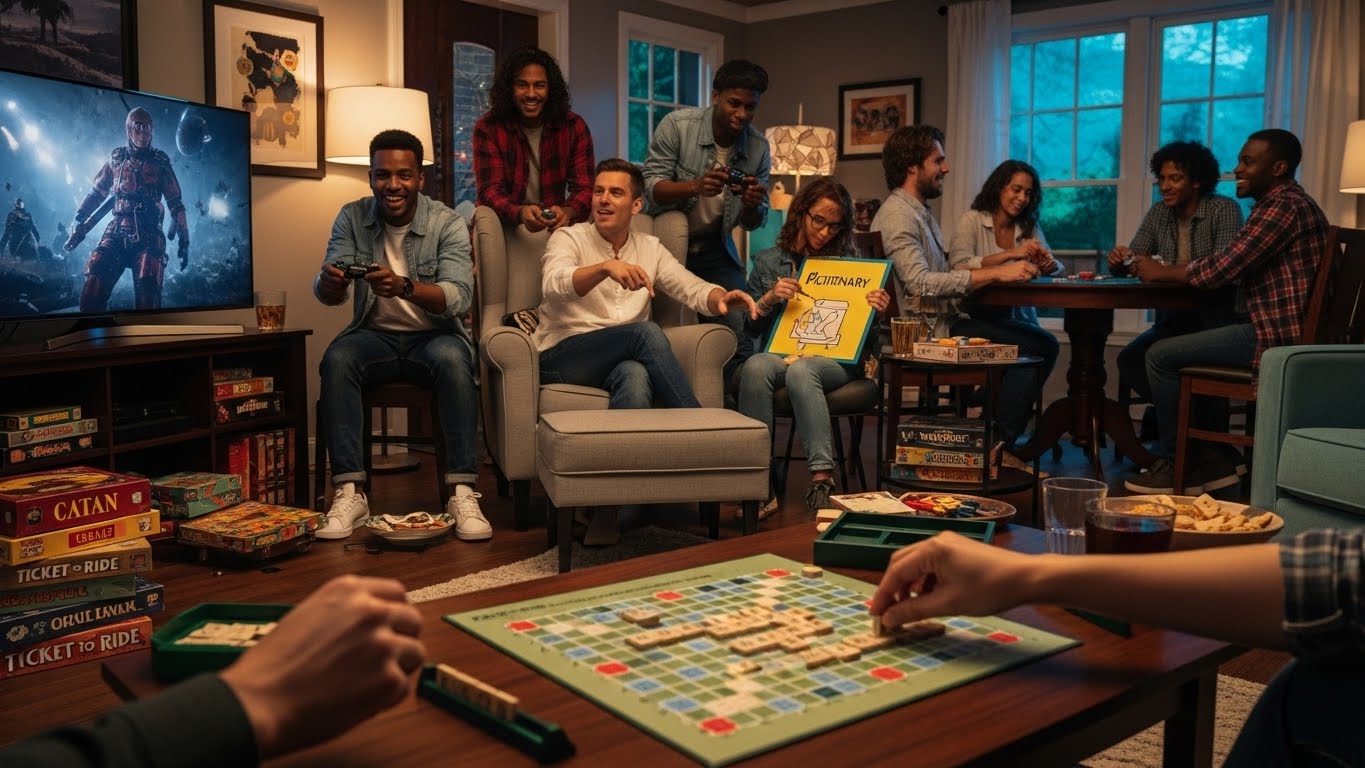
Games are not just solo experiences—they also foster social connections. Board games, team sports, and online multiplayer games encourage teamwork, communication, and collaboration. Gaming communities bring together players from around the world, creating friendships and shared experiences. Tournaments, competitions, and gaming events further strengthen bonds, proving that games unite people in unique and meaningful ways.
Games and Skill Development
Games are excellent tools for developing various skills. Strategy games enhance critical thinking and planning abilities, while action games improve reflexes and hand-eye coordination. Puzzle and logic games boost problem-solving skills, and team-based games promote leadership and communication. Educational games even make learning fun by combining knowledge with interactive gameplay, showing that games can be both entertaining and educational.
Competitive Gaming and Esports
Competitive gaming, known as esports, has turned games into professional careers. Players train intensely to compete in global tournaments, earning recognition and rewards. Esports has created opportunities not only for players but also for coaches, commentators, and content creators. It demonstrates that gaming requires dedication, skill, and strategy, just like traditional sports.
The Future of Games
The future of games is full of innovation and creativity. Virtual reality, augmented reality, artificial intelligence, and cloud gaming are changing how people play and experience games. Games are becoming more immersive, interactive, and personalized. As technology continues to evolve, games will remain a central form of entertainment, education, and social interaction for generations to come.
Conclusion
Games are more than a pastime—they are a medium that entertains, educates, and connects people. From board games to esports, they inspire creativity, strategic thinking, and teamwork. Games reflect human curiosity and the joy of play, proving that whether digital or traditional, they will always hold a special place in our lives. Playing games is not just fun—it is a way to learn, grow, and build connections that last a lifetime.