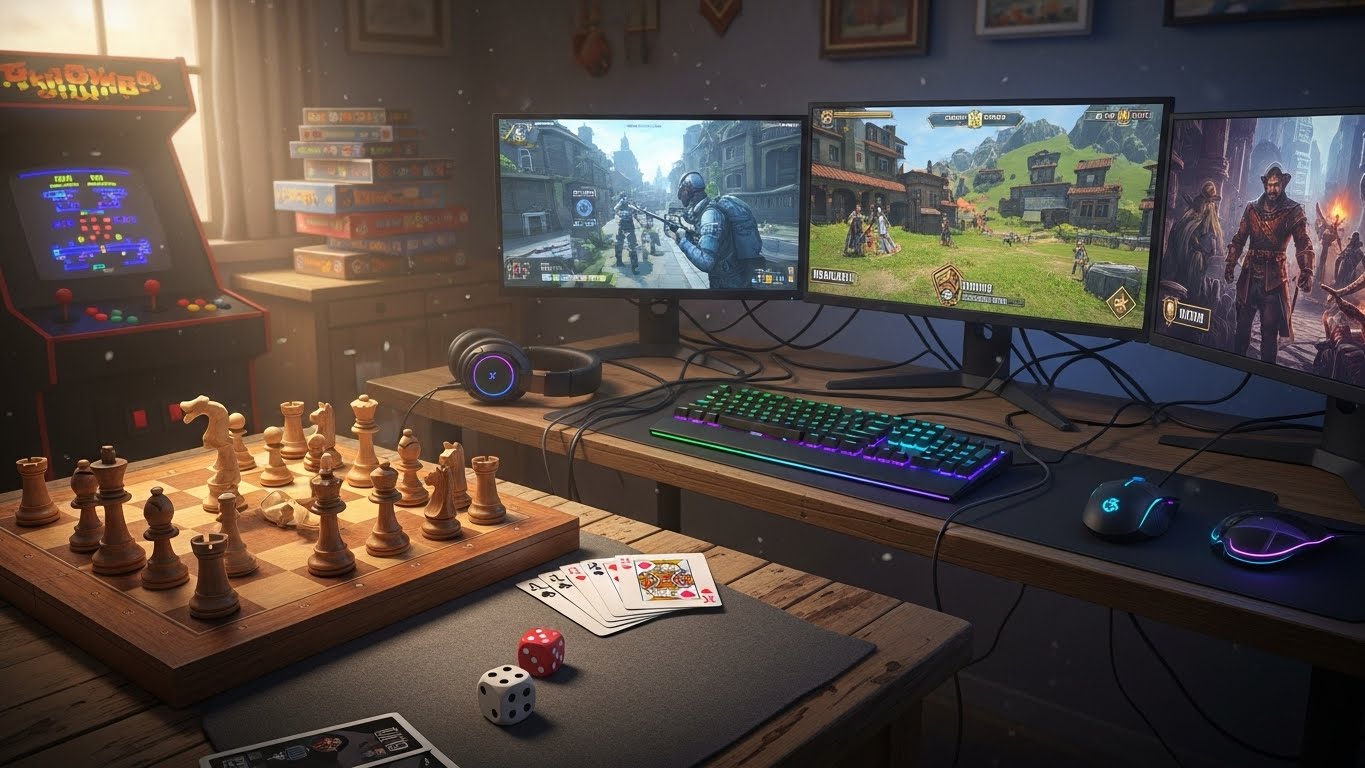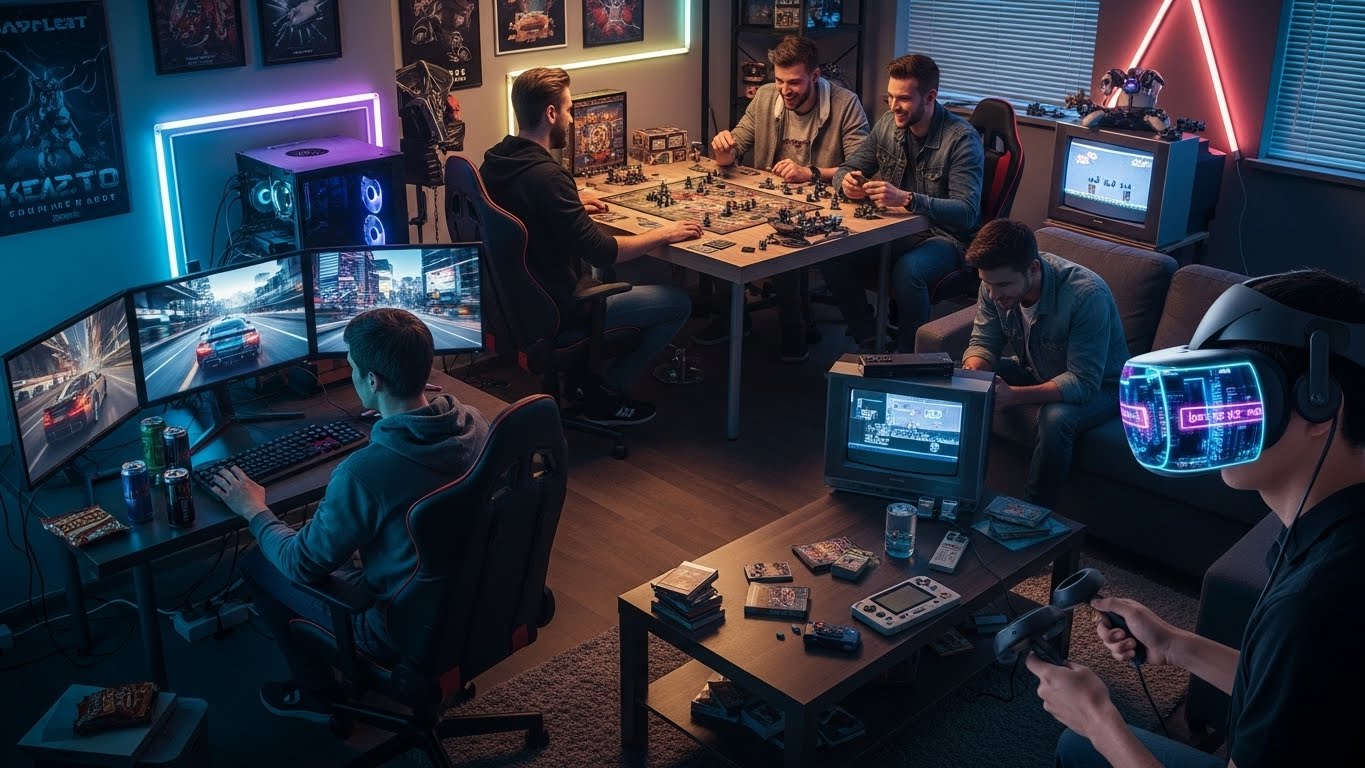

Games have long been more than just entertainment. From the earliest card games to today’s cutting-edge video games, they have served as a source of joy, a way to connect with others, and a tool for learning and personal growth. The world of gaming has expanded beyond simple pastimes, creating vast, interactive universes where players can explore, challenge themselves, and even form entire communities. As technology advances, so does the complexity and depth of these digital worlds. In this post, we’ll explore the unique ways games have evolved, their impact on our lives, and what makes them so compelling.
The Allure of Digital Worlds: Escaping Into the Unknown
One of the primary reasons games resonate so deeply with players is their ability to transport us into alternate realities. Unlike books, movies, or television, games allow players to not just witness a story unfold, but to actively participate in it. Whether it’s exploring the vast open world of The Witcher 3, building a community in The Sims, or saving the universe in Mass Effect, games create interactive experiences that offer something unique—immersion.
The beauty of this immersion is in its freedom. Players can be anyone or anything, explore entire worlds at their own pace, and live out fantasies that wouldn’t be possible in real life. This escapism is a powerful tool that attracts players of all ages, giving them an outlet to unwind, solve problems, and live out their dreams. For many, these digital worlds are more than just games—they’re alternate lives that they can control and shape.
Gaming as a Social Connector: From Solo Play to Global Communities
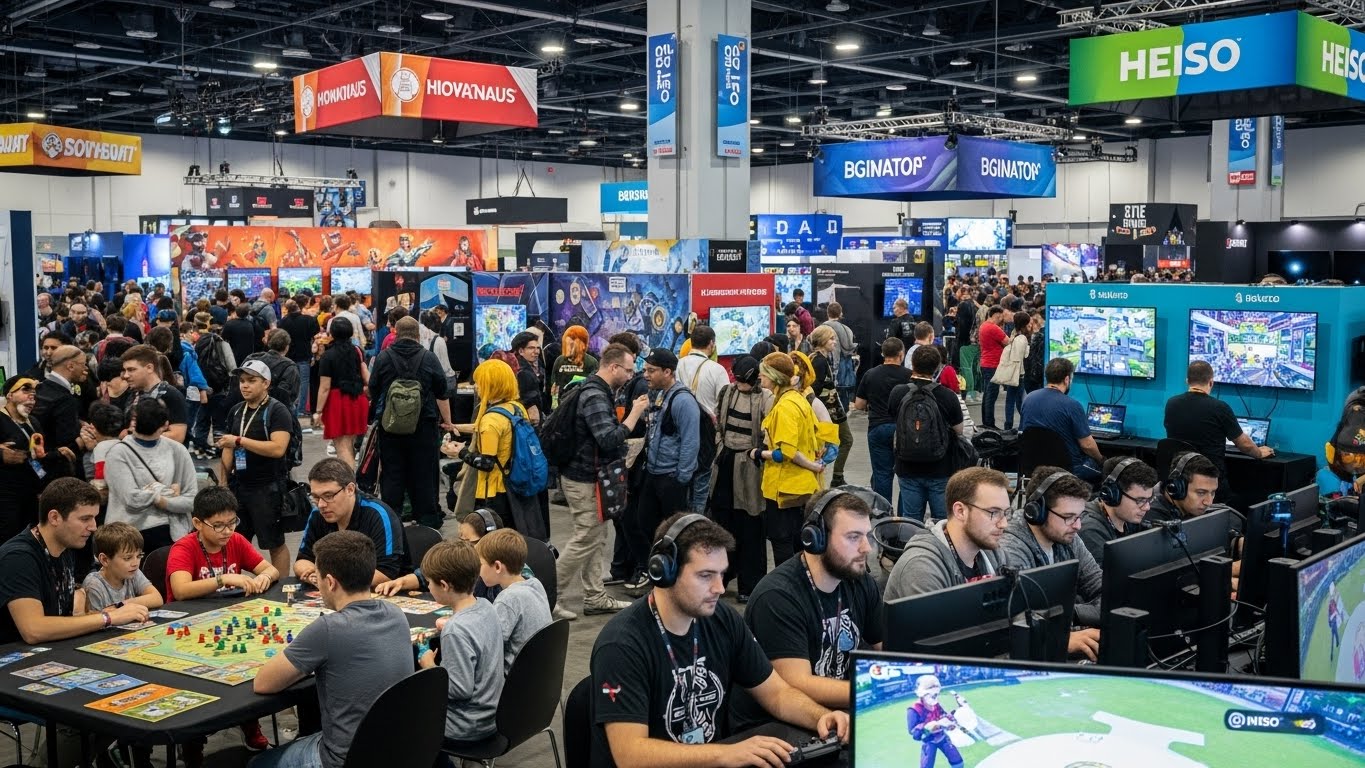
While gaming began as a solitary activity in many cases, it has rapidly evolved into a highly social one. Online multiplayer games have connected millions of players around the world, turning games into global social platforms. Whether it’s teaming up with friends in Fortnite, competing in massive League of Legends tournaments, or chatting with fellow players in World of Warcraft, gaming is now about more than just playing—it’s about interacting with others.
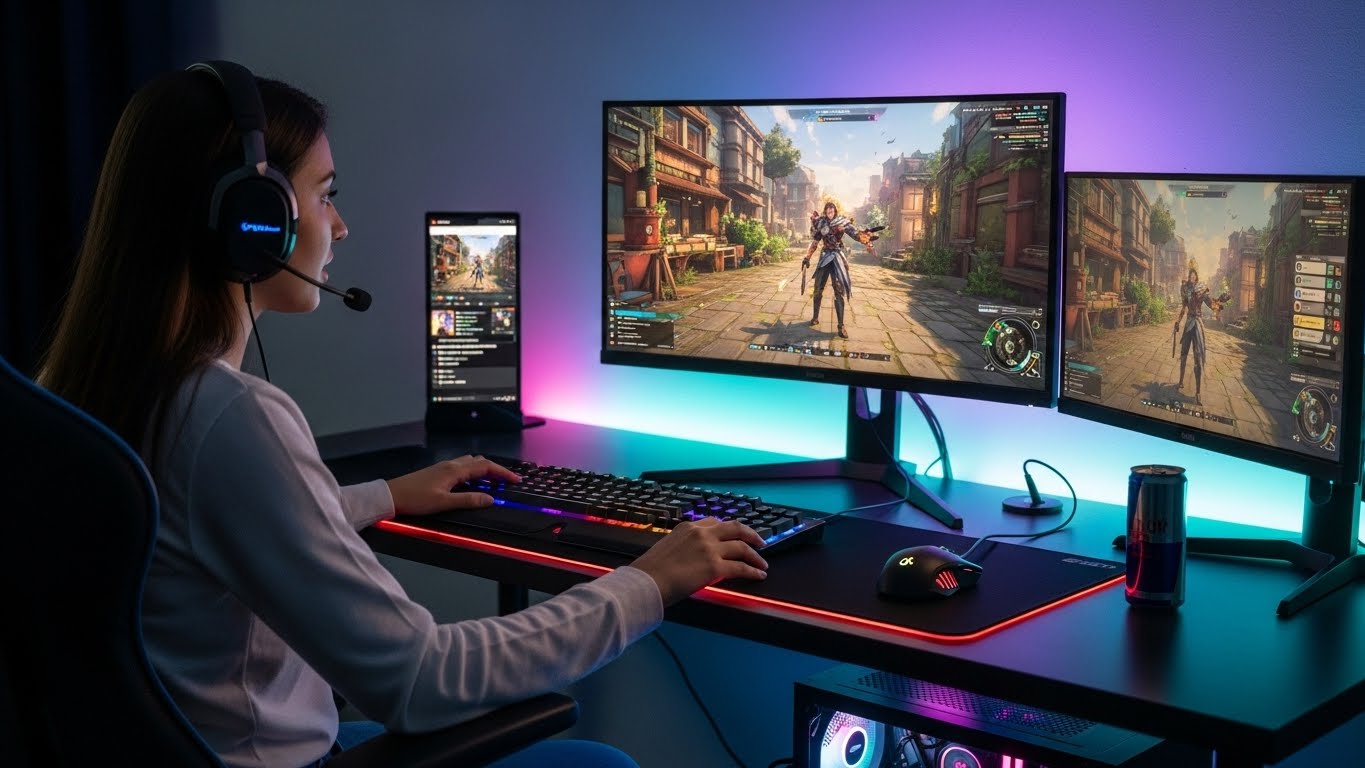
The rise of multiplayer games has led to the creation of entire communities. Players form guilds, teams, and networks to share experiences, discuss strategies, and forge friendships. Many gamers bond over shared challenges or victories, and the social aspect of gaming has allowed for a new form of camaraderie. With the introduction of live streaming platforms like Twitch, players can even share their experiences in real-time with audiences around the world, turning gaming into a spectator sport.
Gaming communities have become integral to the gaming experience, offering spaces for players to exchange ideas, create content, and support one another. This interconnectedness makes gaming not just an individual pastime, but a global movement where players across continents come together to experience something unique.
The Learning Power of Games: Education Through Play
Games aren’t just for fun—they also serve as powerful educational tools. Game designers have realized the potential for games to teach important life skills, such as critical thinking, problem-solving, and teamwork. Strategy games like Civilization challenge players to think critically and make long-term plans, while puzzle games like Portal engage players’ problem-solving abilities in creative and fun ways.
In educational settings, games have been used to teach a variety of subjects, from history and science to mathematics and language arts. Games like Minecraft are increasingly used in classrooms to teach everything from engineering principles to programming and digital literacy. The engaging nature of games makes them ideal for fostering learning in ways that traditional educational tools might not be able to.
Furthermore, the rise of gamification—the integration of game-like elements into non-game contexts—has led to a new wave of learning experiences. Whether it’s earning rewards for completing tasks or advancing through levels for mastering new skills, gamified education is quickly becoming a staple in both formal and informal learning environments.
The Evolving Art of Game Design: Crafting Interactive Masterpieces
At the heart of every great game is its design, and as technology advances, so do the possibilities for game developers. Early games relied on pixelated graphics and simplistic mechanics, but modern games boast stunning visuals, intricate storylines, and complex gameplay systems that push the boundaries of what’s possible.
Game design is an art form in its own right, blending technology, storytelling, and creativity. In today’s world, designers are creating sprawling virtual worlds with rich narratives that rival any novel or movie. The ability to craft an engaging, interactive experience requires not just technical skills, but a deep understanding of human psychology, art, and storytelling.
Games like Red Dead Redemption 2 offer players expansive environments that feel alive, with every tree, animal, and character adding to the overall experience. The attention to detail in game worlds has never been more impressive, with graphics that are nearly indistinguishable from real life and environments that respond to player choices in real-time.
But game design is not just about making things look good; it’s about creating experiences that are emotionally resonant. Games like The Last of Us and Journey show that video games can evoke deep emotional responses, telling stories that explore themes of loss, hope, and personal growth. As game designers push the limits of interactive storytelling, they continue to show that games are more than just a medium for entertainment—they can also be a form of art.
The Future of Gaming: VR, AI, and New Realities
Looking ahead, the future of gaming is filled with exciting possibilities. Virtual reality (VR) is already changing the way we experience games, allowing players to step directly into the game world with full immersion. VR gaming has the potential to bring a whole new level of interaction and immersion, where players can physically move around their environment and manipulate objects in ways that weren’t possible before.
Additionally, artificial intelligence (AI) is making its way into gaming in profound ways. AI-driven characters are becoming more lifelike, with NPCs (non-player characters) that can adapt to players’ behaviors and create dynamic, ever-changing worlds. Games are starting to use AI to generate unique content on the fly, making each playthrough a fresh experience.
Cloud gaming is another exciting frontier. By streaming games from powerful servers, players will no longer need high-end consoles or PCs to play graphically intensive titles. With the rise of cloud-based gaming platforms, players will be able to access their favorite games on any device, anytime, without worrying about hardware limitations.
The integration of social media and online streaming platforms will continue to transform gaming, turning games into live, interactive experiences. Players will be able to watch, interact with, and even influence game streams in real time, blurring the lines between player and spectator. The future of gaming is undoubtedly interconnected, immersive, and more social than ever before.
Conclusion: The Enduring Appeal of Games
What makes games so compelling? It’s the ability to experience worlds beyond our own, to learn new things while having fun, and to connect with people from across the globe. Whether you’re exploring vast open-world landscapes, solving complex puzzles, or competing in online tournaments, gaming offers something for everyone. As technology continues to evolve, the world of games will keep pushing boundaries and creating new experiences that captivate and inspire.
Gaming has come a long way, and it will continue to shape entertainment and culture for years to come. The magic of games is not just in the pixels on the screen, but in the experiences they offer, the connections they create, and the endless possibilities they hold.