
Introduction
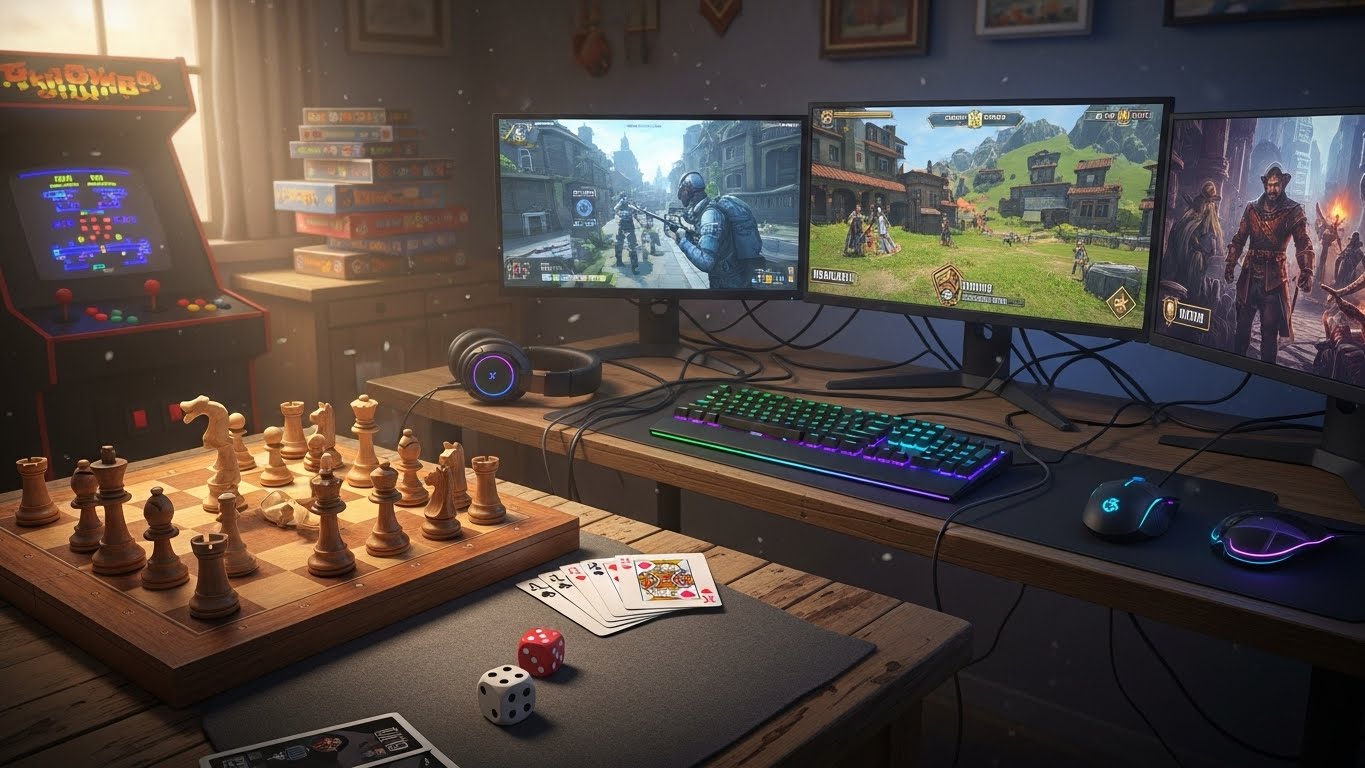
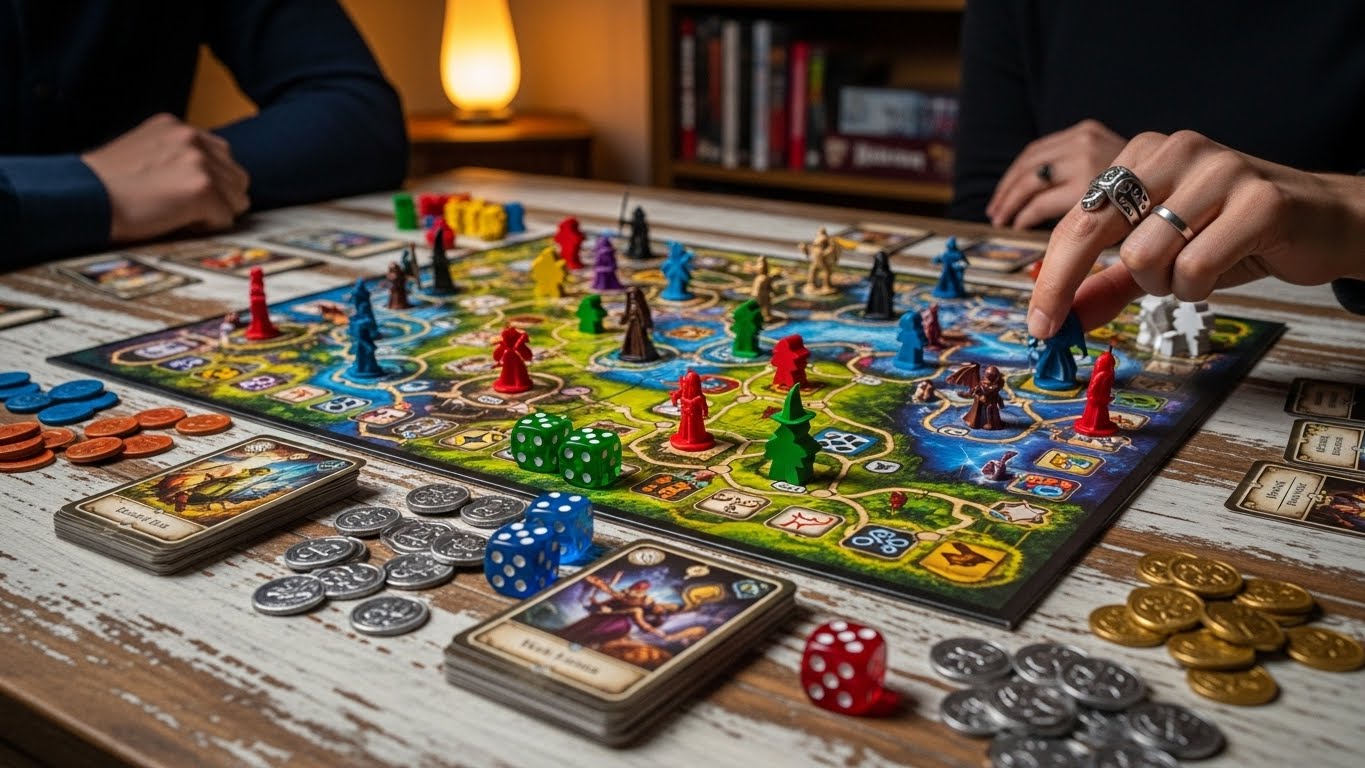
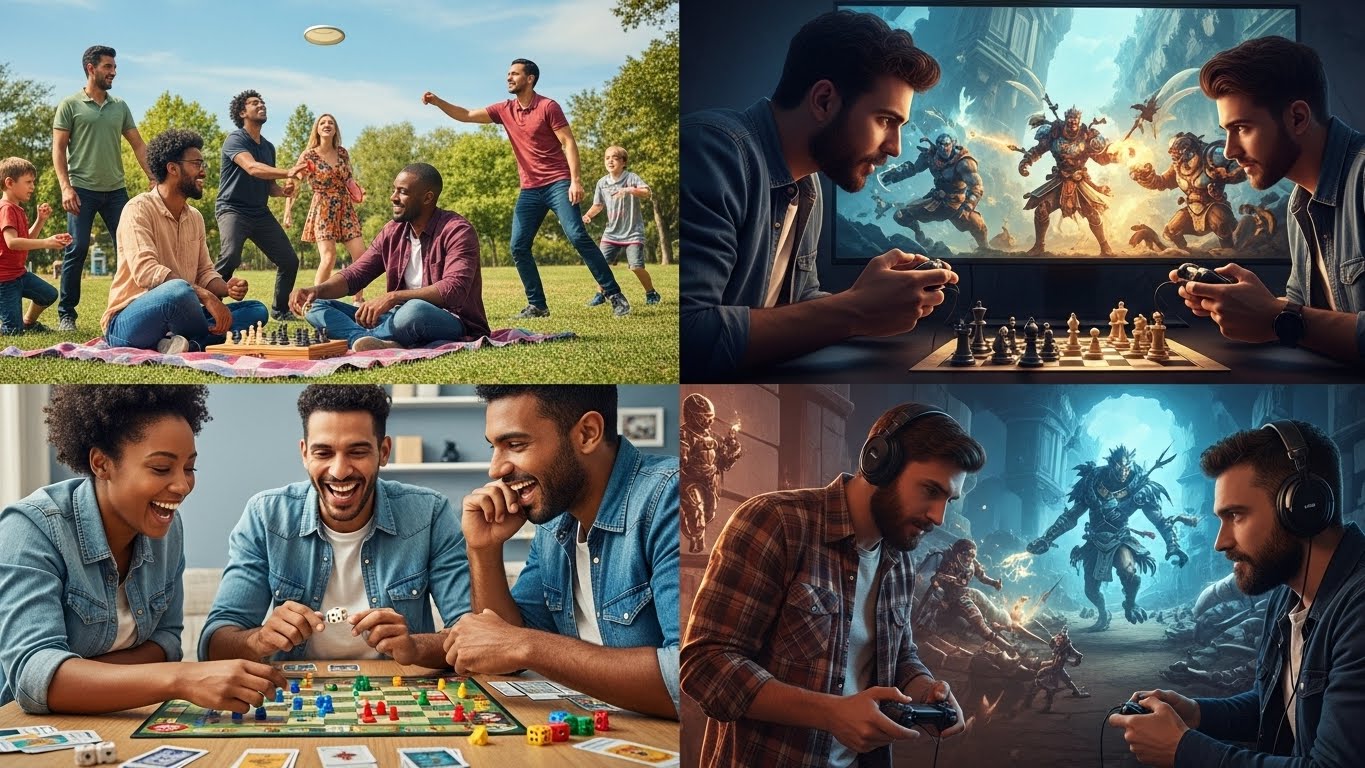
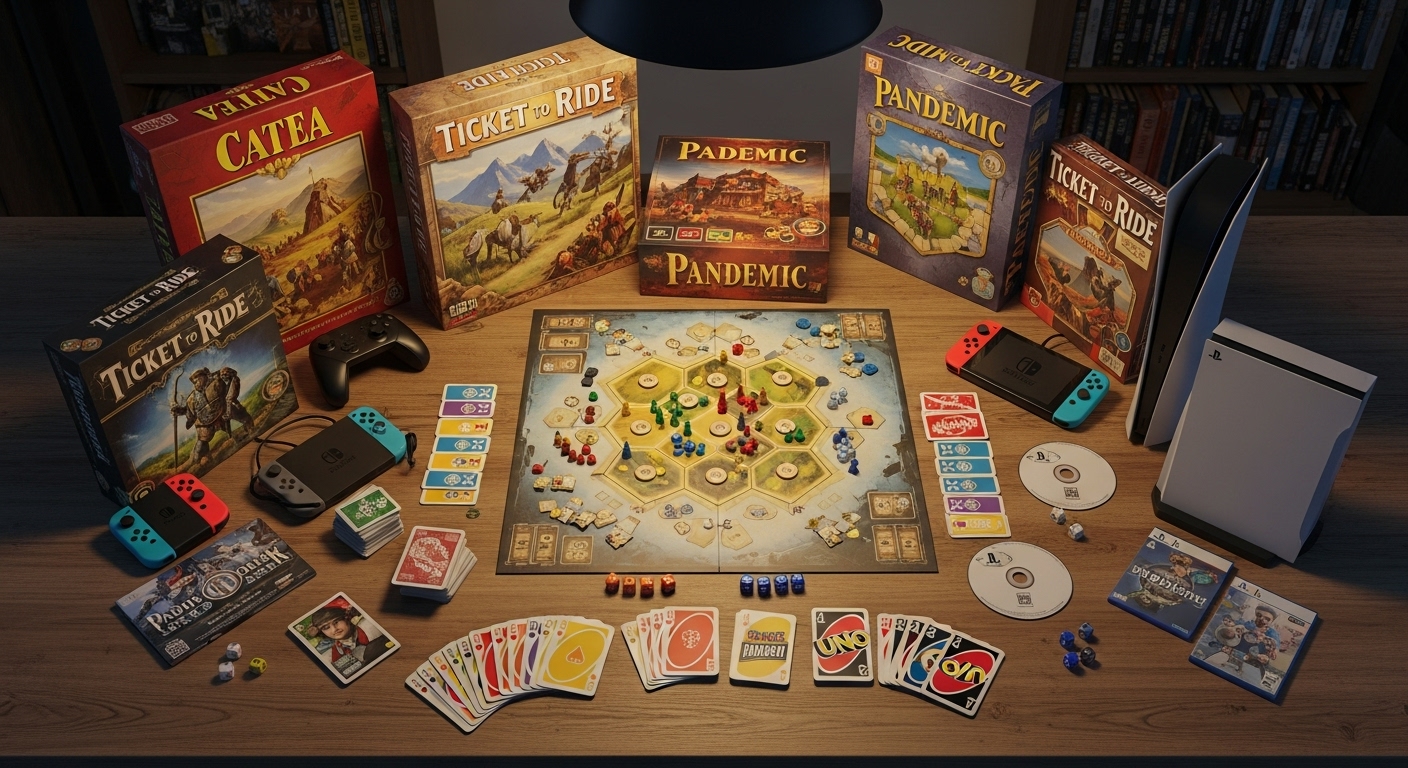
In a world increasingly driven by digital interaction, the role of games has evolved significantly. What was once a pastime limited to physical spaces and occasional entertainment has blossomed into an entire cultural movement. From board games and card games to the expansive digital worlds of video games, gaming has become a multi-billion-dollar industry that transcends age, gender, and geographical boundaries. The evolution of games reflects broader changes in society—technology, culture, and even psychology. This blog will explore the multifaceted world of games, from their historical roots to their modern, cutting-edge forms, and how they’ve shaped the way we learn, connect, and experience entertainment.
The Early Beginnings of Games
Games have been an essential part of human culture for thousands of years. The earliest recorded games were simple yet strategic, involving basic tools like stones, boards, and dice. Ancient civilizations such as the Egyptians, Greeks, and Chinese were known to play games that involved skill, chance, and strategy. Games like Senet (Egypt), Chaturanga (India), and Go (China) not only entertained but also served as teaching tools, helping players develop strategic thinking and social skills.
For centuries, games continued to evolve, remaining an essential aspect of leisure. Whether played in royal courts or in the homes of everyday people, games served as a means of socializing, intellectual engagement, and storytelling. The historical significance of games is apparent—they were often linked to culture, religion, and even politics.
The Rise of Modern Gaming
The late 20th century marked a monumental shift in how games were played and perceived. The invention of video games, followed by the widespread availability of personal computers and consoles, transformed gaming into an electronic and immersive experience. The 1970s and 1980s were critical periods for the gaming industry, as arcade games like “Pong” and “Pac-Man” became household names.
Home consoles such as the Atari 2600 and the Nintendo Entertainment System (NES) made video games accessible to the masses, turning gaming from a niche activity into a mainstream hobby. During this time, games such as Super Mario Bros., The Legend of Zelda, and Tetris became iconic, shaping the landscape of gaming for generations to come.
By the 1990s, the internet began to play a pivotal role in the growth of the gaming industry. Online multiplayer games allowed players to connect with others globally, introducing a new dimension to gaming. Titles like Doom, Warcraft, and Counter-Strike marked the first major forays into competitive online gaming.
The Digital Revolution and Online Gaming
As the internet became faster and more reliable, online gaming exploded in popularity. Gamers were no longer restricted to solo play or local multiplayer games. Instead, they could connect with thousands, or even millions, of other players worldwide. The emergence of massively multiplayer online games (MMOs) such as World of Warcraft, EverQuest, and later Fortnite, revolutionized the social aspect of gaming. These games created virtual worlds where players could interact, form alliances, and participate in complex missions and campaigns.
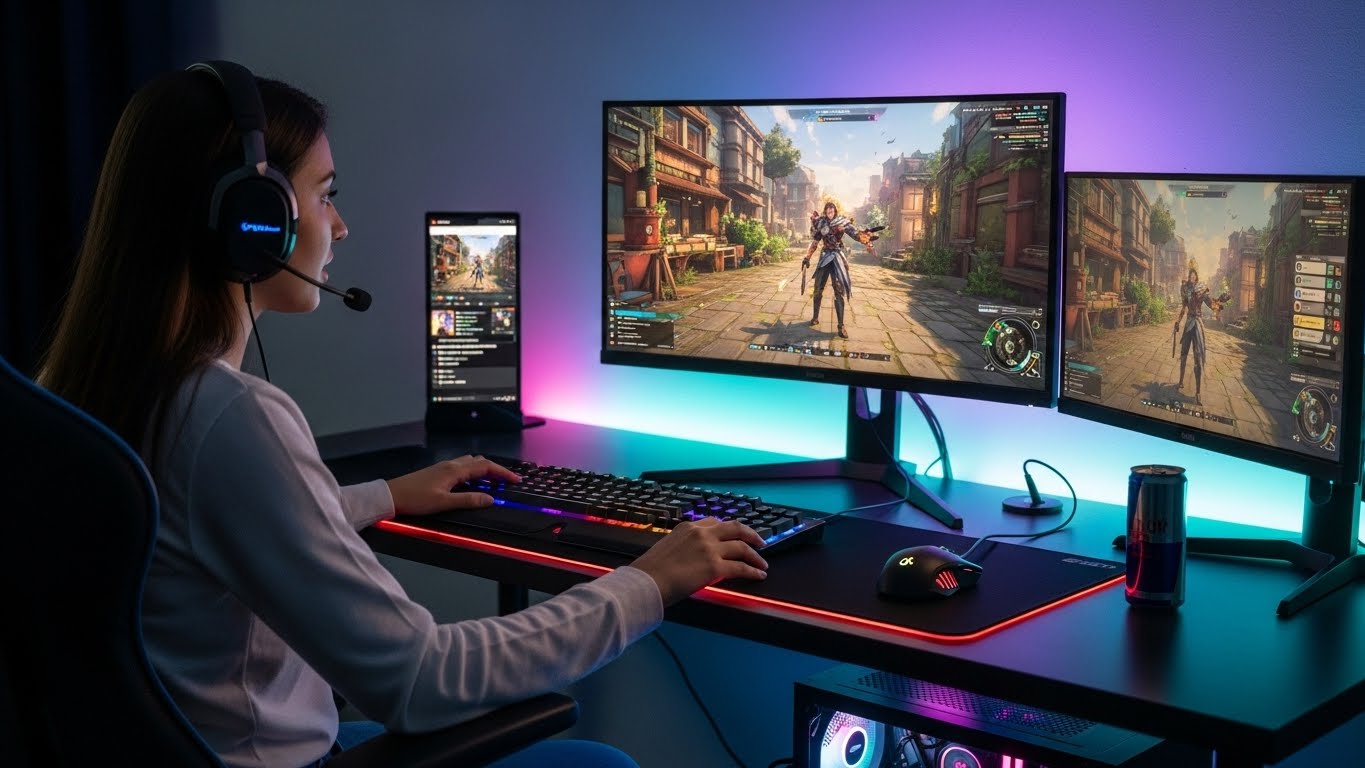
The rise of online gaming also gave birth to the esports industry, where players compete at professional levels for large cash prizes. Esports has since become a global phenomenon, attracting millions of viewers to online streams, tournaments, and live events. The professionalization of gaming has provided opportunities for players to make a career out of gaming, with some of the top esports athletes earning impressive salaries.
Mobile Gaming: Accessibility and Innovation
In the 21st century, mobile phones became the gateway for millions of people to experience gaming. As smartphones became more powerful, developers adapted traditional games for mobile platforms, creating a new wave of casual gaming. Games like Angry Birds, Candy Crush, and Pokémon GO became global sensations, proving that gaming didn’t have to be complex to be fun.
Mobile gaming democratized gaming even further, making it accessible to people of all ages and backgrounds. Whether it was a quick puzzle game on the subway or an immersive RPG at home, mobile games could be enjoyed anytime and anywhere. The portability and simplicity of mobile gaming opened up new avenues for developers and gamers alike, creating a massive market with countless titles spanning all genres.
The introduction of augmented reality (AR) games, such as Pokémon GO, also highlighted the potential of blending digital gaming with the real world. These innovations pushed the boundaries of gaming beyond the screen, creating new ways for players to engage with their environment.
The Impact of Gaming on Culture and Society
As gaming continued to grow in popularity, its impact on culture and society became more pronounced. Video games have evolved from simple entertainment to a powerful form of expression and cultural influence. Games today can reflect social issues, historical events, and complex narratives, offering players a medium through which they can explore and discuss contemporary themes.
Games like “The Last of Us” and “Red Dead Redemption 2” are prime examples of how video games have transformed into storytelling mediums comparable to films and literature. These games tackle themes such as survival, morality, loss, and redemption, providing players with emotional and intellectual engagement that goes far beyond traditional gameplay.
Moreover, games have become an influential part of pop culture. Iconic franchises like Super Mario, The Legend of Zelda, and Grand Theft Auto have become cultural symbols, inspiring movies, TV shows, and merchandise. The lines between gaming and other forms of entertainment have blurred, creating a shared cultural experience that unites fans worldwide.
Games as a Tool for Education and Learning
While games are often seen purely as entertainment, they also have tremendous educational value. Educational games, which are designed to teach players concepts and skills in a fun and engaging way, have become increasingly popular. Games like “Minecraft” and “Kerbal Space Program” have been embraced by educators as tools for teaching subjects such as mathematics, physics, and engineering.
Gamification—the process of incorporating game-like elements into non-game contexts—has also been used to enhance learning in schools, universities, and even workplaces. By turning everyday tasks into challenges, with rewards and progress tracking, gamification can increase motivation, engagement, and productivity.
Furthermore, games provide a unique environment for the development of critical thinking, problem-solving, and social skills. Multiplayer games teach collaboration, negotiation, and teamwork, while puzzle and strategy games encourage players to think logically and strategically. These cognitive benefits are one reason why gaming is increasingly used in therapeutic settings to treat conditions like ADHD and anxiety.
The Future of Gaming: Virtual Reality and Beyond
As technology continues to advance, the future of gaming looks more exciting than ever. Virtual Reality (VR) and Augmented Reality (AR) are at the forefront of this evolution, offering players an unprecedented level of immersion. VR gaming allows players to enter fully realized virtual worlds, experiencing games as if they were physically inside them.
The possibilities for VR and AR games are vast, from virtual tourism to fully immersive combat games. As the hardware becomes more affordable and accessible, VR gaming could become a dominant form of play in the coming years.
Artificial Intelligence (AI) will also continue to play a significant role in the future of gaming. AI is being used to create more dynamic and responsive game environments, with NPCs that adapt to players’ actions and strategies. In addition, AI-driven procedural generation allows for endless, unique content, as seen in games like “No Man’s Sky,” where entire universes are created and explored by players.
Cloud gaming is another innovation poised to change the gaming landscape. With cloud-based services like Google Stadia and Xbox Cloud Gaming, players can stream high-quality games to virtually any device, eliminating the need for expensive hardware. This technology could democratize access to advanced gaming experiences and allow for more diverse and widespread participation in gaming.
The Social Side of Gaming: Community and Connection
Gaming has become an important social activity, creating communities where players form connections with others who share their interests. Online multiplayer games, streaming platforms like Twitch, and social media have enabled players to connect in ways that were not possible in the past.
Games like Fortnite and Apex Legends have not only become platforms for gameplay but also social spaces where friends can hang out, chat, and participate in virtual events. These digital spaces provide opportunities for socialization, creativity, and collaboration, helping people build lasting relationships.
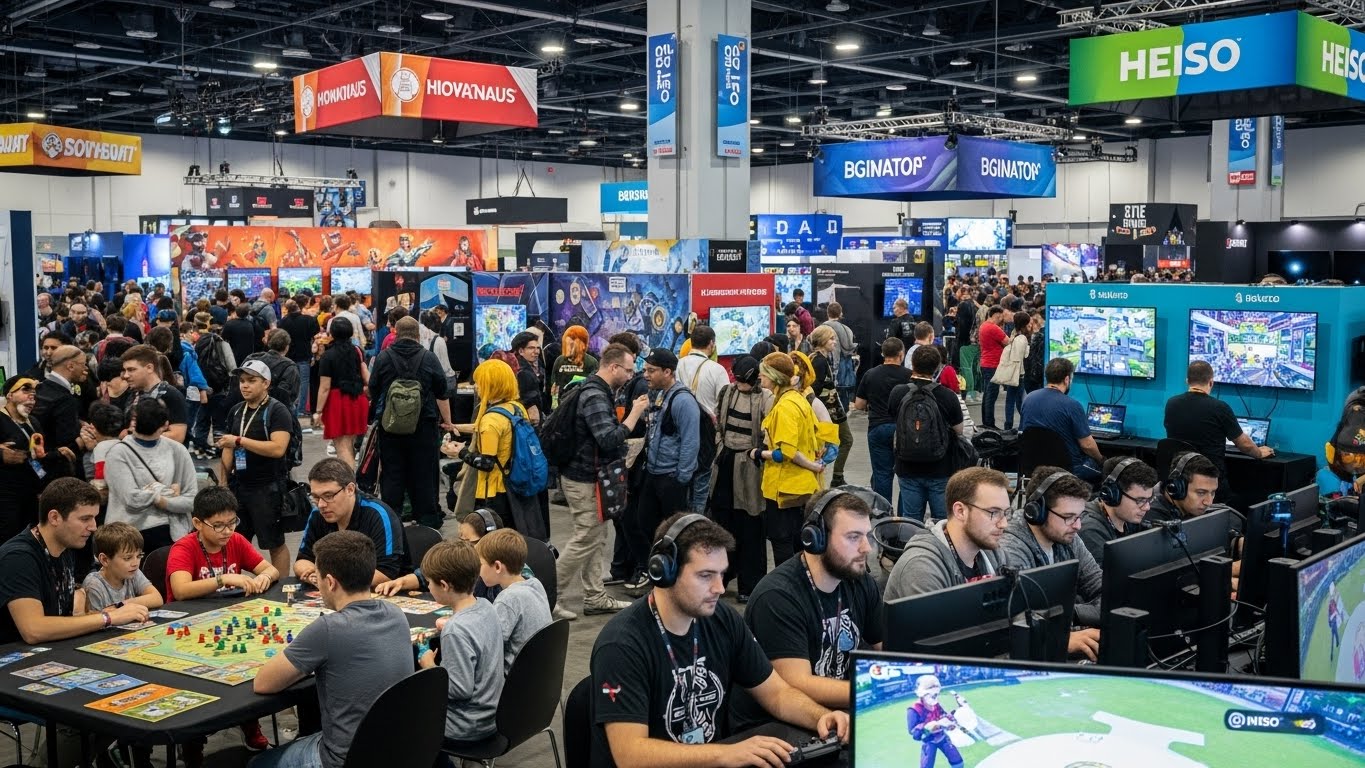
The rise of esports has also contributed to the growth of gaming communities, where players and fans alike celebrate the competitive spirit of gaming. Major esports tournaments, such as The International (Dota 2) and the League of Legends World Championship, attract millions of viewers, blurring the line between spectator sports and gaming.
Challenges in the Gaming World
While gaming continues to thrive, it also faces challenges. Issues such as video game addiction, cyberbullying, and toxic behavior within online communities are concerns that need to be addressed. As gaming becomes more accessible, developers, platforms, and players must work together to ensure that gaming remains a positive, inclusive, and healthy activity for all.
Furthermore, the issue of representation and diversity in games remains an important conversation. While progress has been made in recent years, the gaming industry must continue to create diverse and inclusive narratives, characters, and experiences that reflect the global audience it serves.
Conclusion
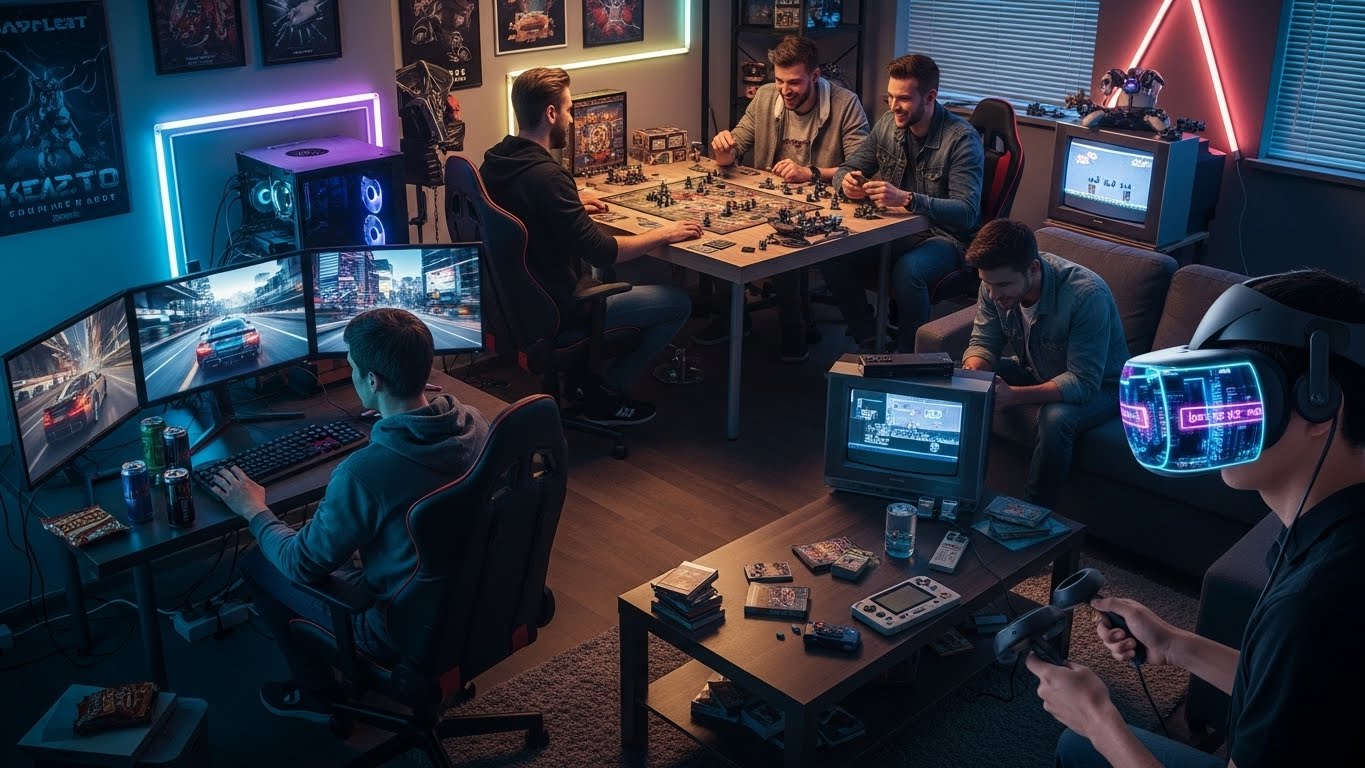
Games have come a long way from their humble beginnings, growing into a powerful force in both entertainment and culture. The journey from traditional board games to the vast, immersive worlds of modern video games has been nothing short of remarkable. As technology continues to push the boundaries of what’s possible, the future of gaming holds even more promise. Gaming will continue to connect people, foster creativity, and challenge our perceptions of entertainment. Whether we’re exploring new virtual worlds, competing in esports, or learning through play, games will remain a cornerstone of human culture for generations to come.