
Introduction
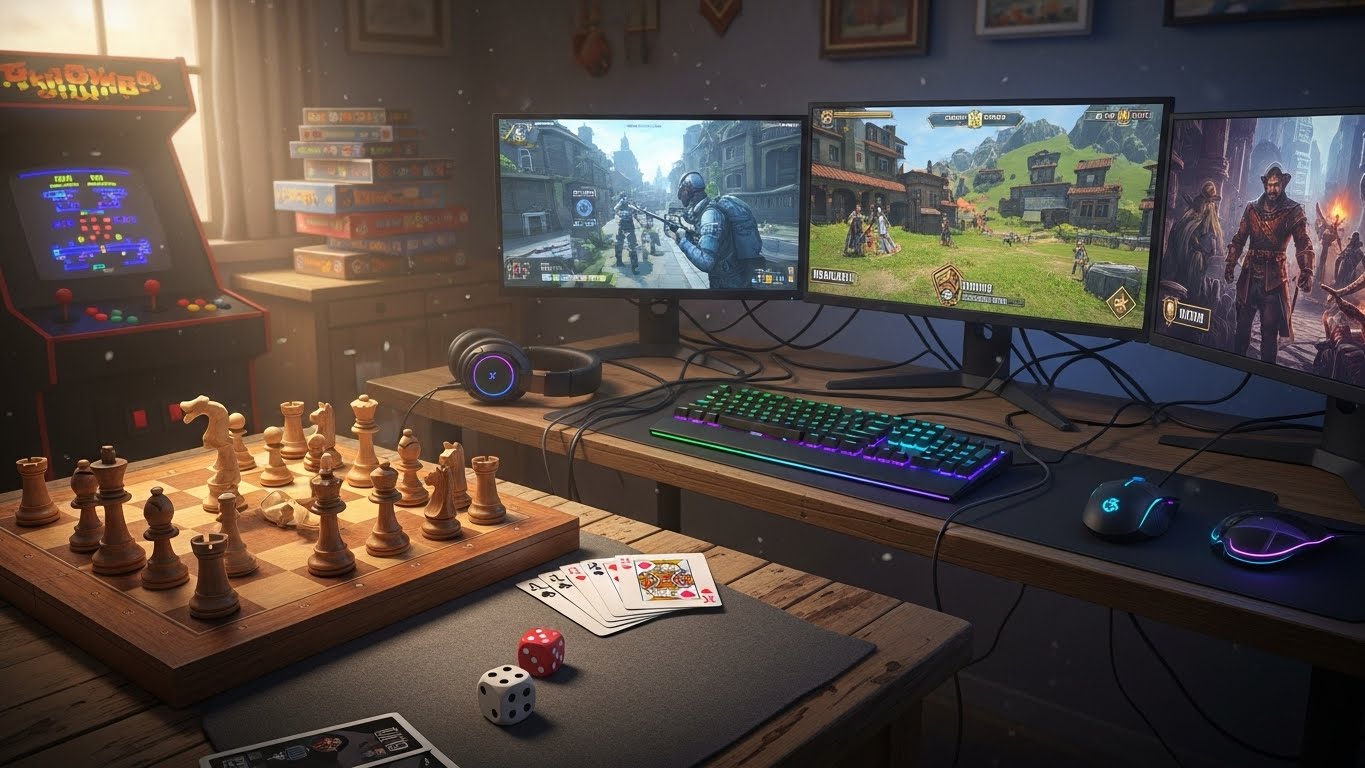
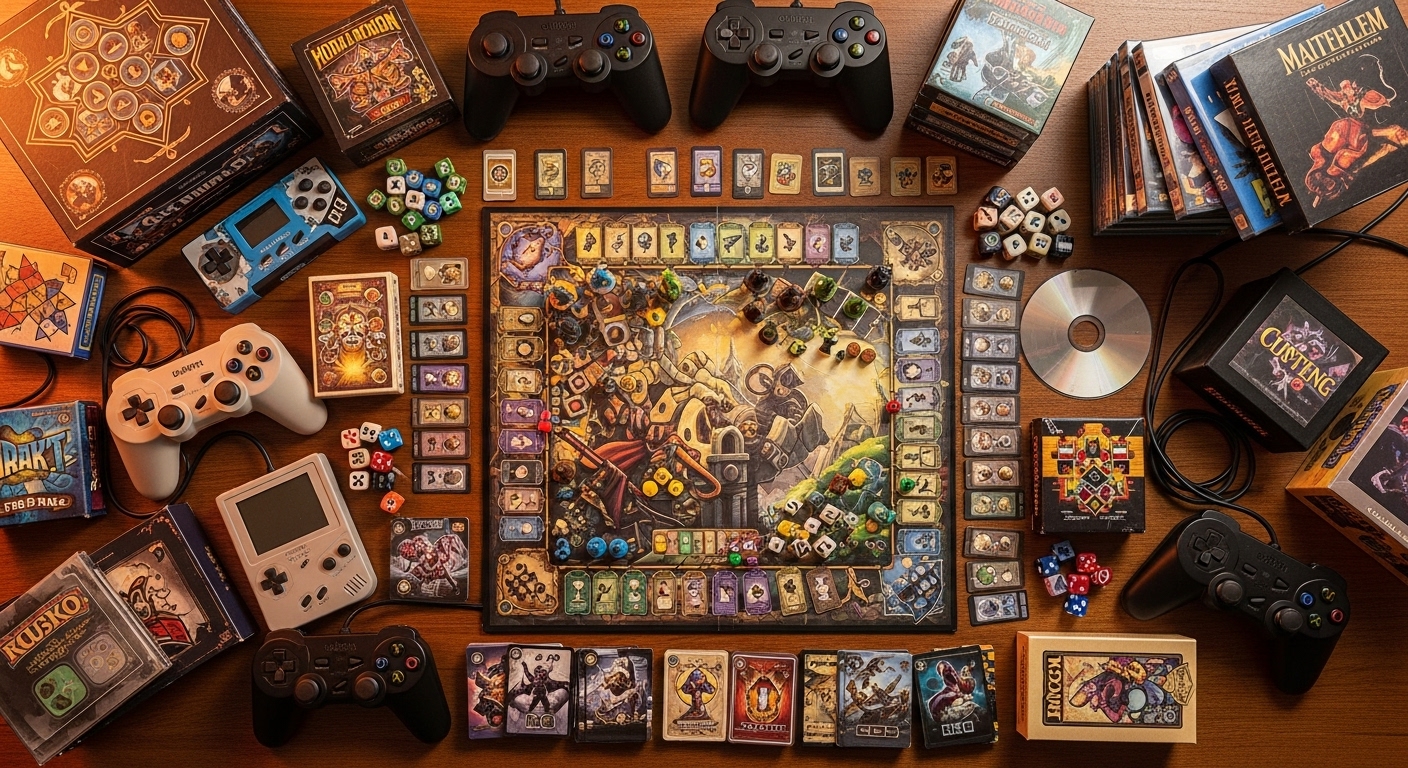
Games have been a fundamental part of human culture for centuries. From ancient board games to modern digital experiences, they serve not only as a form of entertainment but also as a tool for learning, social interaction, and cultural expression. In the digital age, games have evolved into a multi-billion-dollar global industry, offering immersive experiences across consoles, computers, and mobile devices. The appeal of games lies in their ability to engage, challenge, and connect players, creating experiences that are as diverse as the people who play them. This blog explores the evolution of games, the technology behind modern gaming, their cultural and psychological impact, and the future of this dynamic form of entertainment.
The Evolution of Games
Games have a long and rich history. Ancient civilizations created board games, strategy games, and sports to entertain, teach skills, and encourage socialization. Games like Senet in Egypt, Go in China, and Mancala in Africa were not just pastimes; they were cultural artifacts that reflected societal values and human ingenuity.
The industrial revolution brought mass production of board games, making them more accessible to families and communities. The 20th century saw the rise of video games, which transformed the gaming landscape by introducing digital interactivity. Early games were simple, often limited to basic graphics and gameplay mechanics, but they captured the imagination of a generation and paved the way for a technological revolution.
The Rise of Video Games
Video games are now one of the most popular forms of entertainment worldwide. Consoles, personal computers, and handheld devices allow players to engage with games in ways that were unimaginable just decades ago. Modern video games combine storytelling, strategy, and immersive gameplay to create experiences that are both entertaining and intellectually stimulating.
The growth of online multiplayer games has further transformed the landscape. Players can connect globally, compete in real-time, and participate in collaborative experiences. This level of connectivity has made games not only entertainment but also a social platform, fostering communities and shared experiences.
The Role of Technology in Modern Gaming
Technology drives the gaming industry, enabling increasingly sophisticated and immersive experiences. High-definition graphics, realistic physics engines, and advanced sound design contribute to gameplay that feels authentic and engaging. Virtual reality and augmented reality have taken immersion to new levels, allowing players to experience digital worlds as if they were physically present.
Artificial intelligence also plays a critical role in modern games. AI controls non-player characters, adapts gameplay to challenge players, and personalizes experiences to individual play styles. Cloud gaming technology allows complex games to be played on devices that lack high-end hardware, expanding access and democratizing gaming experiences.
The Psychology of Gaming
Games engage players psychologically in ways that few other forms of entertainment can. They provide challenges, rewards, and feedback systems that create a sense of achievement and progression. Strategy games enhance problem-solving skills, role-playing games foster empathy through storytelling, and action games improve hand-eye coordination and reflexes.
Gaming also offers emotional benefits. Immersive experiences can provide stress relief, mental stimulation, and an escape from the pressures of daily life. For many players, games serve as a form of relaxation and emotional engagement, combining entertainment with cognitive and psychological development.
The Social Dimension of Games
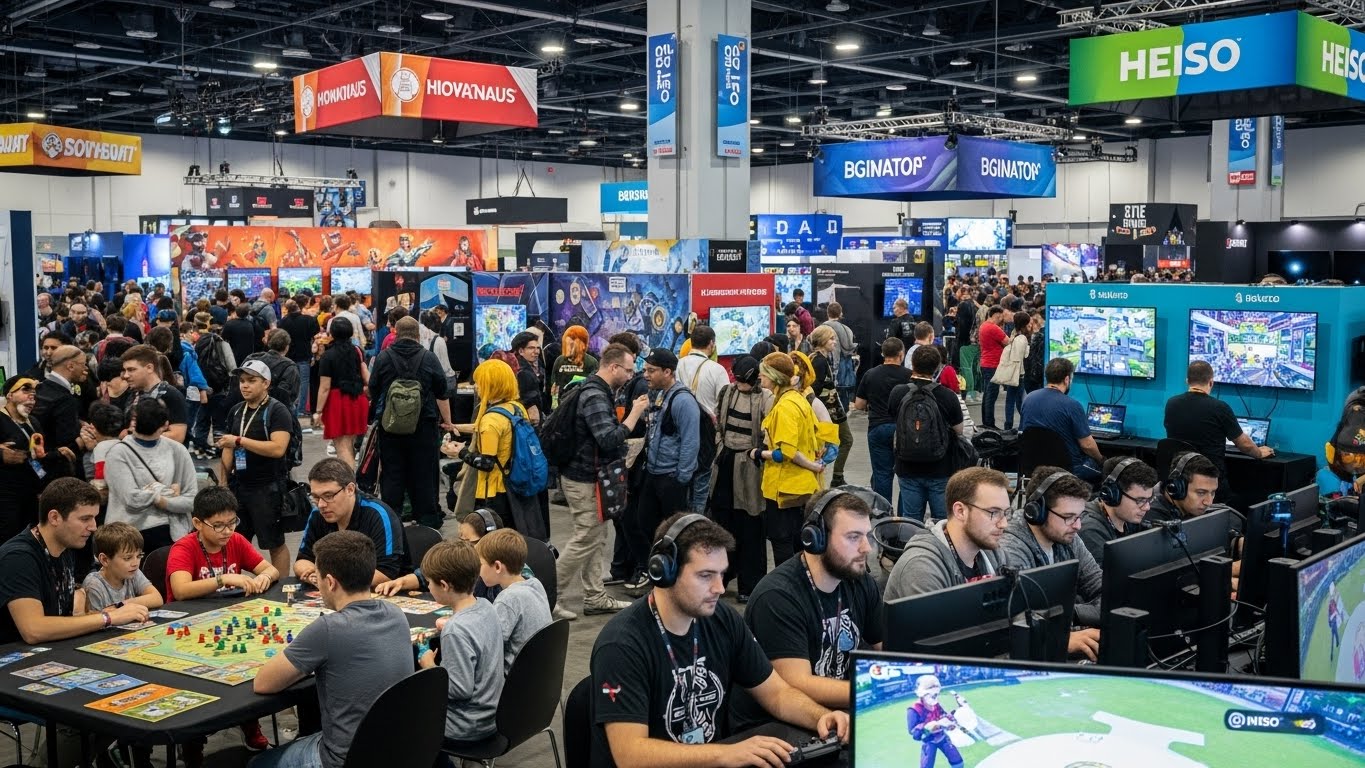
Games are not just individual experiences; they are inherently social. Multiplayer games, esports competitions, and online communities provide platforms for players to connect, collaborate, and compete. These interactions build social networks, foster teamwork, and encourage communication skills.
Competitive gaming, or esports, has grown into a global phenomenon. Professional players compete in tournaments with millions of viewers worldwide, creating communities that celebrate skill, strategy, and teamwork. Social engagement within gaming strengthens connections between players and transforms digital experiences into shared cultural events.
Cultural Significance of Games
Games reflect and shape culture. They incorporate narratives, art, and music that resonate with players and reflect societal trends. Many games draw inspiration from history, mythology, and literature, providing both entertainment and education. The themes and stories within games often mirror real-world challenges, allowing players to explore moral decisions, strategy, and problem-solving in a virtual environment.
Gaming culture has also influenced broader trends in entertainment, fashion, and social media. Cosplay, fan art, streaming, and community-driven content have turned games into cultural phenomena that extend beyond the screen. The influence of gaming on culture demonstrates its significance as both entertainment and social commentary.
Educational and Cognitive Benefits of Games
Beyond entertainment, games offer substantial educational value. Strategy and puzzle games promote critical thinking and problem-solving skills. Simulation games provide insights into real-world processes, such as city planning, economics, and resource management. Role-playing games encourage empathy, creativity, and ethical reasoning by allowing players to inhabit different characters and make consequential decisions.
Gamification, the application of game mechanics to non-gaming contexts, demonstrates how gaming principles can enhance learning and productivity. By incorporating challenges, rewards, and interactive elements, educators and professionals have leveraged gaming concepts to engage audiences and facilitate skill development.
Economic Impact of the Gaming Industry
The gaming industry has become a major economic driver globally. It generates billions in revenue each year and supports employment in software development, design, marketing, esports, and content creation. Mobile gaming, in particular, has expanded access and introduced new monetization strategies, including in-app purchases and subscription services.
Gaming also stimulates technological innovation. Advances in graphics, AI, cloud computing, and network infrastructure are often developed to meet the demands of increasingly complex games. As a result, the gaming industry contributes to broader technological progress and economic growth.
The Future of Gaming
The future of gaming promises to be more immersive, interactive, and socially connected than ever. Emerging technologies such as virtual reality, augmented reality, and artificial intelligence will continue to transform gameplay experiences. Cloud gaming will allow complex games to be played seamlessly across devices, breaking down barriers to access.
Social and cultural trends will also shape the evolution of games. Inclusive design, diversity in storytelling, and community engagement are becoming central priorities for developers. Games will increasingly reflect global cultures and values, offering experiences that are both entertaining and socially meaningful.
Conclusion
Games have evolved far beyond simple pastimes. They are powerful tools for entertainment, learning, social interaction, and cultural expression. From ancient board games to modern virtual experiences, games continue to adapt to technology, creativity, and human curiosity.
Modern gaming offers immersive experiences that challenge, educate, and connect players worldwide. The industry drives technological innovation, fosters social communities, and influences culture in ways that few other entertainment mediums can match.
As technology and creativity continue to advance, the world of games will remain a dynamic and transformative force in entertainment. It will continue to engage players, shape culture, and redefine how we play, learn, and connect in the digital age.