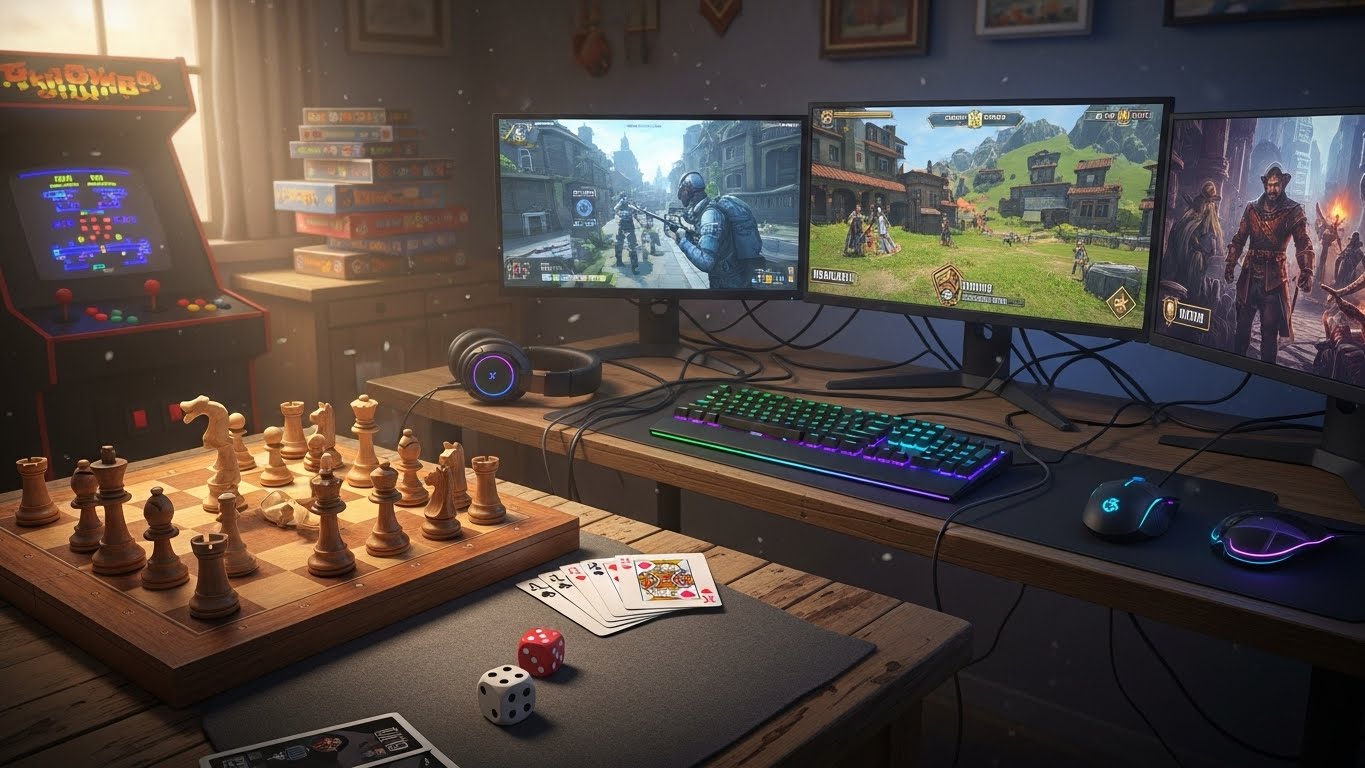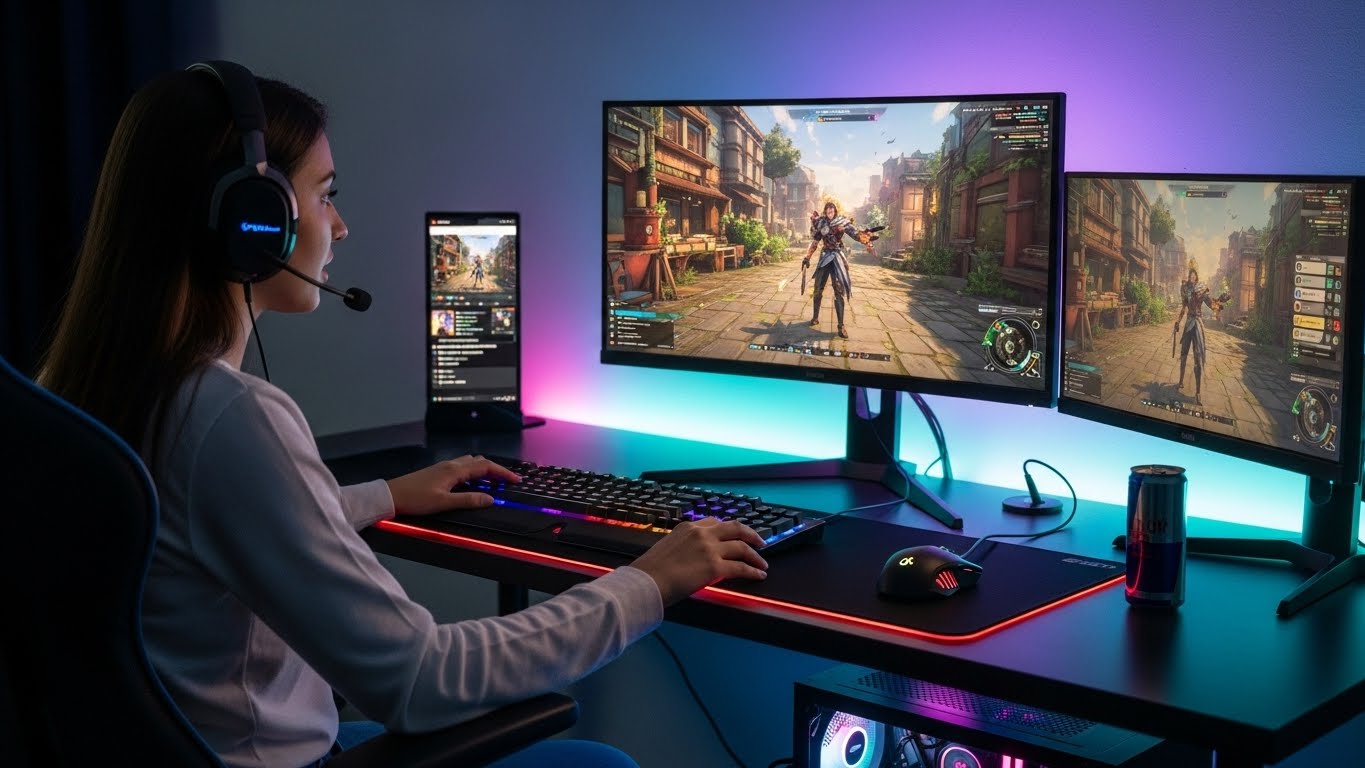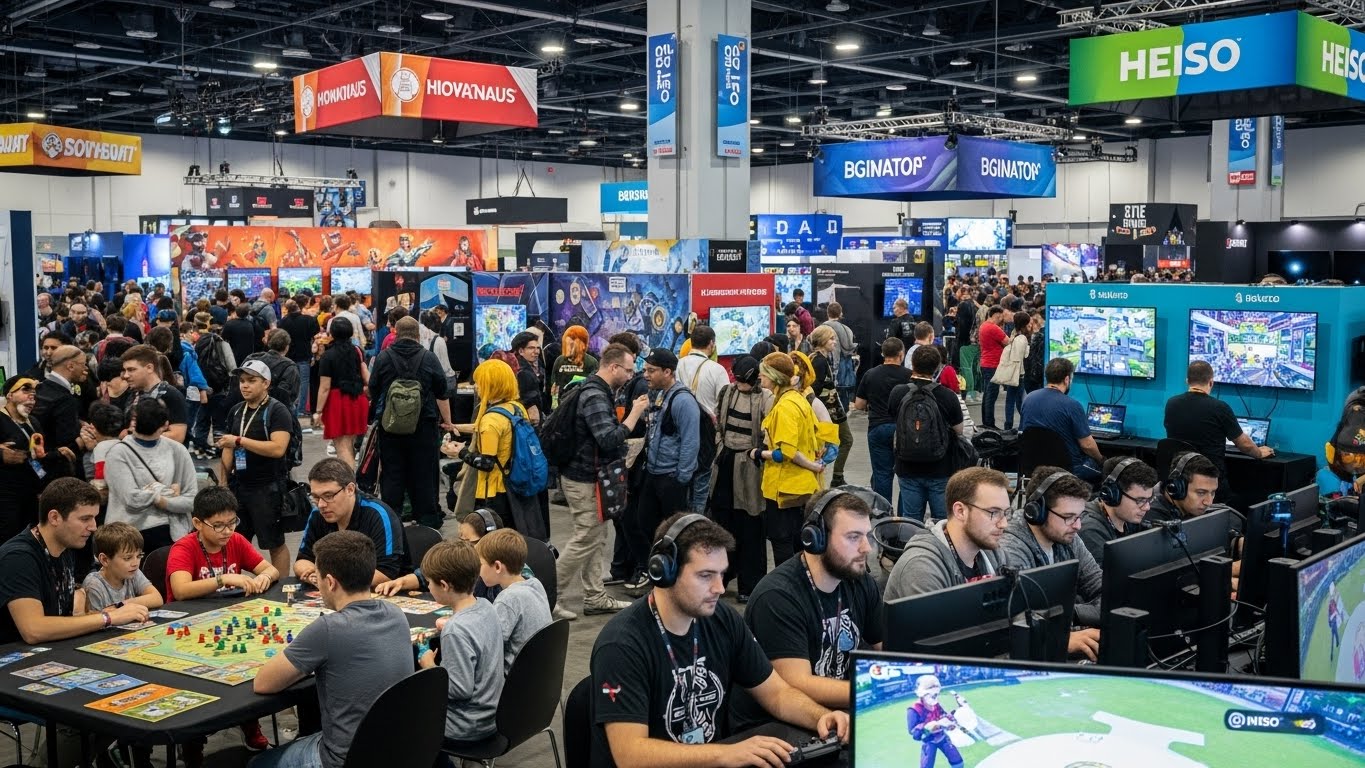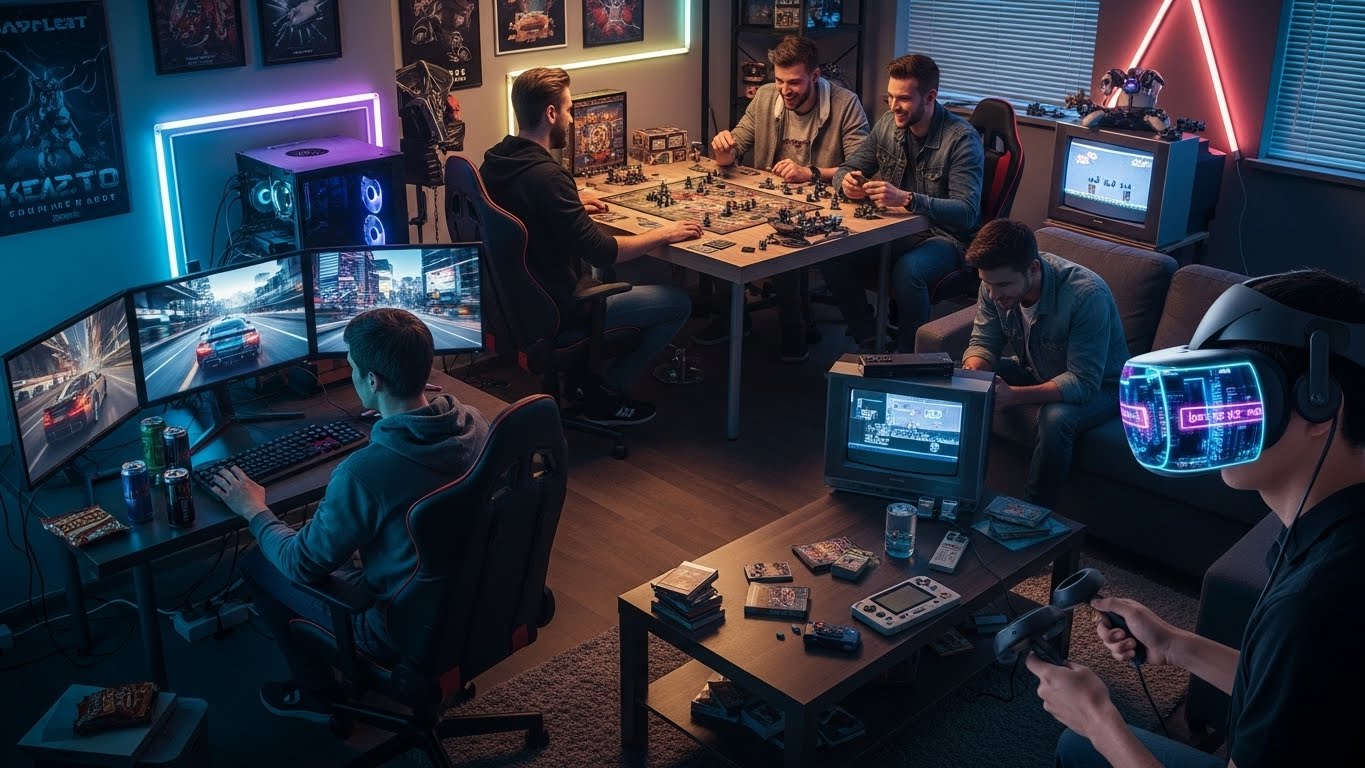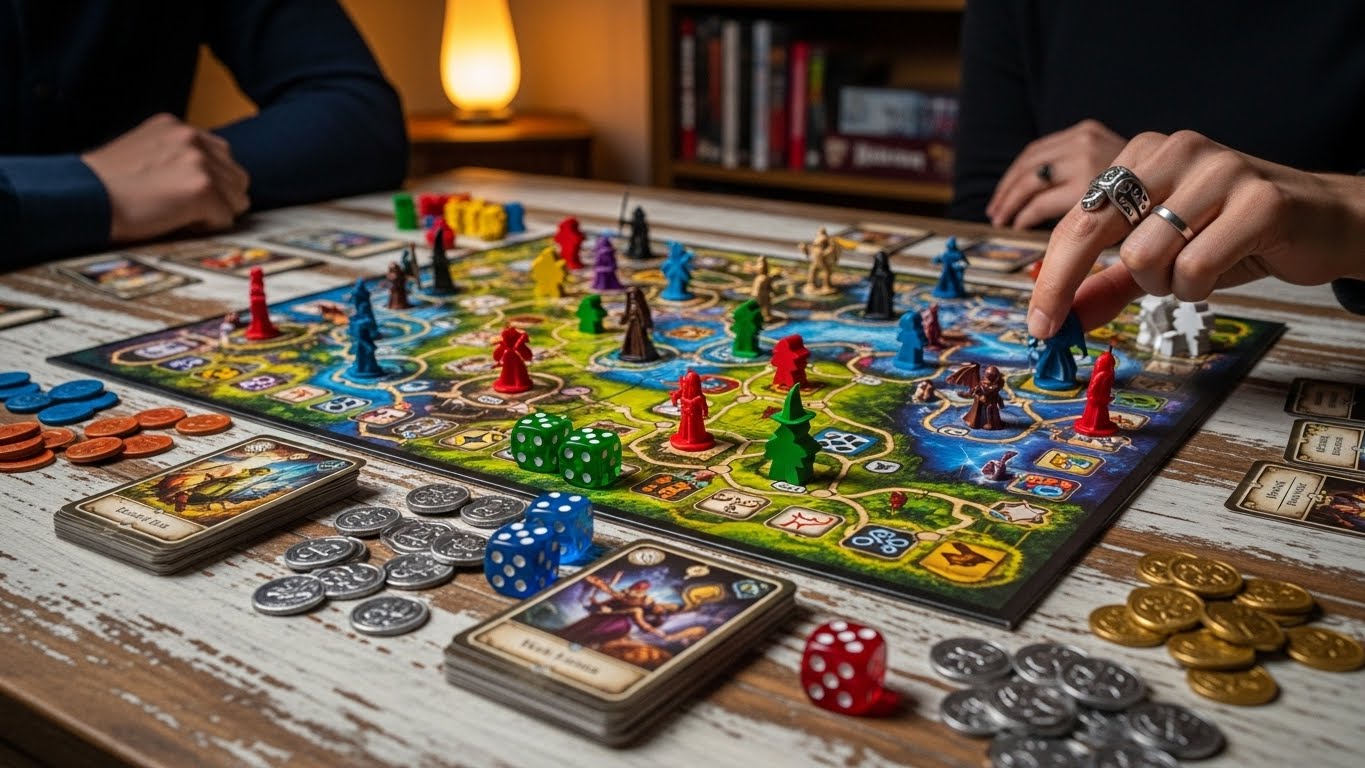


Gaming, once a niche hobby for enthusiasts, has become a global cultural phenomenon. Whether you’re a casual player who enjoys mobile games during your commute or a dedicated gamer who spends hours exploring vast digital universes, the world of video games has something for everyone. The evolution of gaming over the past few decades has been nothing short of remarkable, with advancements in technology, storytelling, and gameplay mechanics transforming the industry into a multi-billion-dollar juggernaut. From humble beginnings in arcades to the immersive virtual worlds of today, the gaming industry continues to innovate and captivate audiences. This blog explores the history, trends, and future of gaming, examining how the industry has evolved and where it’s headed next.
The Early Days: A Pixelated Beginning
To understand the gaming world as we know it today, it’s essential to look back at its origins. The first video games were simple, pixelated experiences, often consisting of little more than moving shapes on a screen. The 1970s and early 1980s saw the birth of arcade gaming, with titles like Pong and Space Invaders making their mark. These games were groundbreaking at the time, offering players an entirely new form of entertainment. However, graphics were rudimentary, and the gameplay was often simple, focusing on score-based competition rather than deep narratives or complex mechanics.
Home consoles also began to emerge in the late 1970s and early 1980s, with systems like the Atari 2600 giving people the chance to play games at home. While these early consoles allowed gamers to experience titles like Asteroids and Pac-Man in their living rooms, the gaming experience was still very much in its infancy. Gameplay was often short and simple, with limited interaction and basic visuals.
The 1980s and early 1990s also saw the rise of the first personal computer games, offering an even broader range of genres and experiences. The advent of point-and-click adventure games like The Secret of Monkey Island and strategy games like Civilization laid the foundation for more complex, story-driven titles. These games marked the beginning of the transition from arcade-style, score-based games to more narrative-focused experiences.
The 3D Revolution: A Leap in Technology
By the mid-1990s, the gaming industry underwent a monumental shift with the advent of 3D graphics. The release of consoles like the Sony PlayStation, Nintendo 64, and Sega Saturn opened the door to new possibilities in gaming. Titles like Super Mario 64 and Final Fantasy VII not only showcased the power of 3D graphics but also demonstrated how storytelling, world-building, and character development could be integrated into gaming experiences.
3D technology brought with it new gameplay mechanics, such as fully explorable 3D worlds and camera angles that could be manipulated by the player. This shift also led to the development of genres like first-person shooters (Doom, GoldenEye 007) and action-adventure games (The Legend of Zelda: Ocarina of Time, Tomb Raider). The ability to create fully realized virtual environments added a new layer of immersion, making games feel like expansive worlds rather than static experiences.
As 3D technology continued to improve, so too did the quality of graphics, audio, and gameplay mechanics. By the early 2000s, the industry was primed for a new era of gaming, where storytelling and cinematic experiences became just as important as gameplay. This period saw the rise of games like Halo, Grand Theft Auto III, and The Elder Scrolls III: Morrowind, which introduced expansive open-world environments and rich, interactive narratives that rivaled those of traditional media like film and television.
The Rise of Online Gaming: Connecting Players Around the World
One of the most significant shifts in the gaming industry over the last two decades has been the rise of online multiplayer gaming. As the internet became more widespread, so too did the potential for gamers to connect with one another in real time, no matter where they were located.
Games like World of Warcraft, Halo 2, and Counter-Strike set the stage for the online multiplayer experiences we see today. For the first time, players could team up with friends—or face off against opponents—from around the world, creating a sense of community and competition that was previously unimaginable. These games relied not just on gameplay mechanics but also on the social interactions between players, making the experience feel dynamic and ever-evolving.
The introduction of online gaming also had a profound impact on game design. Developers began to focus more on creating experiences that encouraged player interaction and community building. This shift gave rise to new genres, including massively multiplayer online role-playing games (MMORPGs) like World of Warcraft and Final Fantasy XIV, which allowed players to explore massive digital worlds together. These games, which are still immensely popular today, combine elements of traditional role-playing games with social and collaborative elements, creating immersive worlds where players can interact, form alliances, and even shape the game world itself.
In addition to MMORPGs, online competitive games, known as multiplayer online battle arenas (MOBAs), also gained traction in the 2010s. Titles like League of Legends and Dota 2 helped usher in a new era of esports, where players compete for global fame and lucrative prize pools. Esports has since become a multi-billion-dollar industry, with professional leagues and tournaments being broadcast worldwide.
Mobile Gaming: Gaming in Your Pocket
As smartphones and tablets became more powerful in the late 2000s, mobile gaming emerged as a major force in the industry. Initially, mobile games were simple, casual experiences—think of games like Angry Birds and Flappy Bird. These games were easy to pick up, requiring minimal time investment, and were designed to be played in short bursts, making them ideal for players on the go.
However, as mobile technology advanced, so did the complexity and depth of mobile games. Games like Clash of Clans, Pokémon GO, and Fortnite pushed the boundaries of what was possible on mobile devices, offering multiplayer experiences, real-time interactions, and expansive worlds that rivaled those on consoles and PCs. Mobile gaming has since become one of the largest and most diverse sectors of the gaming industry, with millions of players worldwide.
The accessibility of mobile gaming has also democratized the gaming experience, allowing a new generation of players to get involved without the need for a dedicated gaming console or PC. Free-to-play games with in-app purchases, like Candy Crush and PUBG Mobile, have made gaming more accessible than ever before, offering a fun and engaging experience without requiring an upfront investment.
Virtual Reality (VR) and Augmented Reality (AR): The Next Frontier
Virtual reality (VR) and augmented reality (AR) represent the next major frontier in the gaming industry. While VR gaming has been around for some time, it has only recently started to gain mainstream traction with the release of VR headsets like the Oculus Rift, HTC Vive, and PlayStation VR. These devices allow players to step into fully immersive virtual worlds, where they can interact with their environment and other players in ways that were previously impossible.
VR games like Beat Saber and Half-Life: Alyx have showcased the potential of immersive experiences, where players can move and interact with objects in the game world, making the experience feel more lifelike. As VR technology improves, it is expected that the line between the real and virtual worlds will continue to blur, offering more immersive and realistic gaming experiences.
Augmented reality, on the other hand, blends the real world with digital elements. Games like Pokémon GO and Harry Potter: Wizards Unite have demonstrated the potential of AR gaming, where players interact with virtual elements superimposed on their real-world environment. As AR technology continues to improve, it’s likely that more games will incorporate AR, creating new ways to experience gaming in the real world.
The Future of Gaming: AI, Cloud Gaming, and Beyond
Looking ahead, the future of gaming promises even more innovation. Artificial intelligence (AI) is already being used to create more dynamic and responsive game worlds. In the future, AI could power procedurally generated worlds, where no two playthroughs are the same, and adaptive storylines that change based on player behavior. Games may become even more personalized, offering unique experiences tailored to individual players.
Cloud gaming, which allows players to stream games directly from remote servers rather than running them locally on a console or PC, is also poised to revolutionize the industry. Services like Google Stadia, NVIDIA GeForce Now, and Xbox Cloud Gaming (formerly Project xCloud) are already making it possible to play graphically intensive games on lower-end devices, as long as there’s a fast and reliable internet connection. This could make gaming more accessible to a wider audience, as players won’t need to invest in expensive hardware to enjoy high-quality gaming experiences.
Conclusion: Gaming as a Cultural Force
Gaming has come a long way since the early days of Pong and Space Invaders. Today, it is a global entertainment juggernaut, influencing culture, social interaction, and even education. With advancements in technology, storytelling, and player engagement, the industry continues to evolve at a rapid pace. As we look to the future, it’s clear that gaming will remain at the forefront of entertainment, offering increasingly immersive, interactive, and socially connected experiences.
Whether you’re a seasoned veteran or a newcomer to the world of gaming, there’s never been a more exciting time to be a part of this dynamic and ever-changing medium. From pixelated classics to the immersive worlds of virtual reality, the evolution of gaming is a testament to the creativity and innovation that drives the industry forward.