

Video games have come a long way since the days of simple pixelated characters and beeping sounds. What began as a niche hobby in arcades has grown into a massive industry that affects millions of people around the world. The evolution of video games has not only shaped the way we entertain ourselves but has also changed how we connect with others, consume content, and even perceive art. From the early arcade games to the immersive, story-driven experiences of today, video games have become an integral part of modern culture. In this blog post, we will take a journey through the history of gaming, explore the current landscape, and examine where the future of gaming might be headed.
The Beginnings: From Pong to Pac-Man
The story of video games begins in the 1950s and 1960s, when the first experiments in electronic gaming were created. These early games were rudimentary, with the graphics and interactions based entirely on simple algorithms. The first recognized video game, “Tennis for Two”, was created by physicist William Higinbotham in 1958. This early experiment displayed a two-player tennis game on an oscilloscope, setting the foundation for what would come.
However, it was the release of Pong by Atari in 1972 that marked the real birth of the video game industry. Pong was a simple ping-pong simulation, yet its appeal was undeniable. It became the first commercially successful arcade game, making video gaming a mainstream activity. Over the next few years, the arcade gaming industry exploded, with games like Space Invaders, Asteroids, and Pac-Man drawing huge crowds. These early games were simple but addicting, and they laid the foundation for what would become a worldwide entertainment phenomenon.
By the late 1970s and early 1980s, the arcade gaming boom was in full swing. Games were no longer just a niche activity for a small subset of enthusiasts; they had become a part of mainstream entertainment. Arcade cabinets appeared everywhere—shopping malls, restaurants, and even bars—and the competitive aspect of high scores became a major driving force in gaming culture.
The Rise of Home Consoles: Gaming in Every Living Room
While arcade gaming flourished, the idea of gaming at home was still in its infancy. That all changed in 1977 with the release of the Atari 2600, one of the first successful home gaming consoles. The Atari 2600 introduced the concept of interchangeable game cartridges, allowing players to purchase new titles and continue playing in the comfort of their own homes. Games like Space Invaders and Pac-Man were ported from arcades to home consoles, bringing the excitement of arcade gaming into living rooms around the world.
The success of the Atari 2600 helped pave the way for the home console industry. In 1983, Nintendo entered the scene with the Nintendo Entertainment System (NES), which would go on to define a generation of gamers. The NES brought forward classic titles such as Super Mario Bros., The Legend of Zelda, and Metroid, which introduced immersive, expansive worlds and more complex gameplay than had been seen before.
The 1990s saw the rise of 16-bit consoles such as the Super Nintendo Entertainment System (SNES) and the Sega Genesis, which offered better graphics and sound capabilities. Games like Super Mario World, Sonic the Hedgehog, and Street Fighter II showcased the potential of gaming beyond simple platformers. These consoles also introduced multiplayer gaming, where players could challenge each other in fighting games, sports titles, and more.
The console wars between Sega and Nintendo defined much of the 1990s, but the true turning point came in 1994 with the release of Sony’s PlayStation. The PlayStation brought 3D graphics into the gaming fold, giving rise to some of the most iconic franchises in history, including Gran Turismo, Final Fantasy VII, and Crash Bandicoot. This marked the beginning of an era where games became increasingly complex and cinematic, with more emphasis on story, character development, and world-building.
The Growth of Online Gaming: Connecting Gamers Across the Globe
The next major leap in gaming came with the widespread adoption of the internet in the late 1990s and early 2000s. As broadband connections became more common, online multiplayer gaming began to take off. Players could now compete against each other in real-time, no matter where they were in the world. This shift to online gaming transformed the industry, making it more social and interactive.
One of the first major successes of online gaming was Blizzard Entertainment’s “StarCraft”, a real-time strategy game that allowed players to compete in multiplayer matches over the internet. Following the success of StarCraft, Blizzard’s World of Warcraft (WoW) launched in 2004 and quickly became a cultural phenomenon. WoW introduced the concept of massively multiplayer online role-playing games (MMORPGs), where players could explore vast virtual worlds, complete quests, and form guilds. It was one of the first games to offer an ongoing, evolving world that players could immerse themselves in for hundreds or even thousands of hours.
At the same time, consoles began to adopt online multiplayer capabilities. Xbox Live, launched in 2002 for the Xbox, revolutionized online console gaming by providing an integrated system for players to connect with others, chat, and play games together. This feature was a game-changer, paving the way for modern services like PlayStation Network and Nintendo Switch Online, where players could interact with each other globally in real-time.
The rise of first-person shooters (FPS) such as Halo and Call of Duty fueled the demand for online multiplayer, turning gaming into a social event rather than a solitary activity. These games, along with sports simulators like FIFA and Madden NFL, became staples of online gaming, fostering communities and competitive eSports scenes.
The Mobile Gaming Boom: Games in Your Pocket
While consoles and PCs were still dominant, the rise of smartphones in the late 2000s gave birth to a whole new form of gaming: mobile gaming. With the introduction of the Apple iPhone in 2007, mobile gaming went from a small niche to a massive industry. The iPhone’s touch screen and powerful hardware allowed developers to create simple yet addictive games like Angry Birds, Candy Crush Saga, and Clash of Clans that could be played anywhere, anytime.
Mobile games are often free to play, with in-app purchases and ads generating revenue. This freemium model revolutionized the way games were monetized, creating an entirely new business model for the industry. The accessibility of mobile gaming also made it possible for people of all ages and backgrounds to enjoy games, helping to grow the gaming community in ways that hadn’t been seen before.
In addition to casual gaming, mobile devices also introduced new genres such as augmented reality (AR) games. The most notable example is Pokémon GO, which became a global sensation in 2016. By using the phone’s camera and GPS, players could catch Pokémon in the real world, blending virtual elements with the physical world. This fusion of real and virtual environments paved the way for future innovations in mobile gaming.
The Rise of Streaming and Esports: A New Era of Competitive Gaming
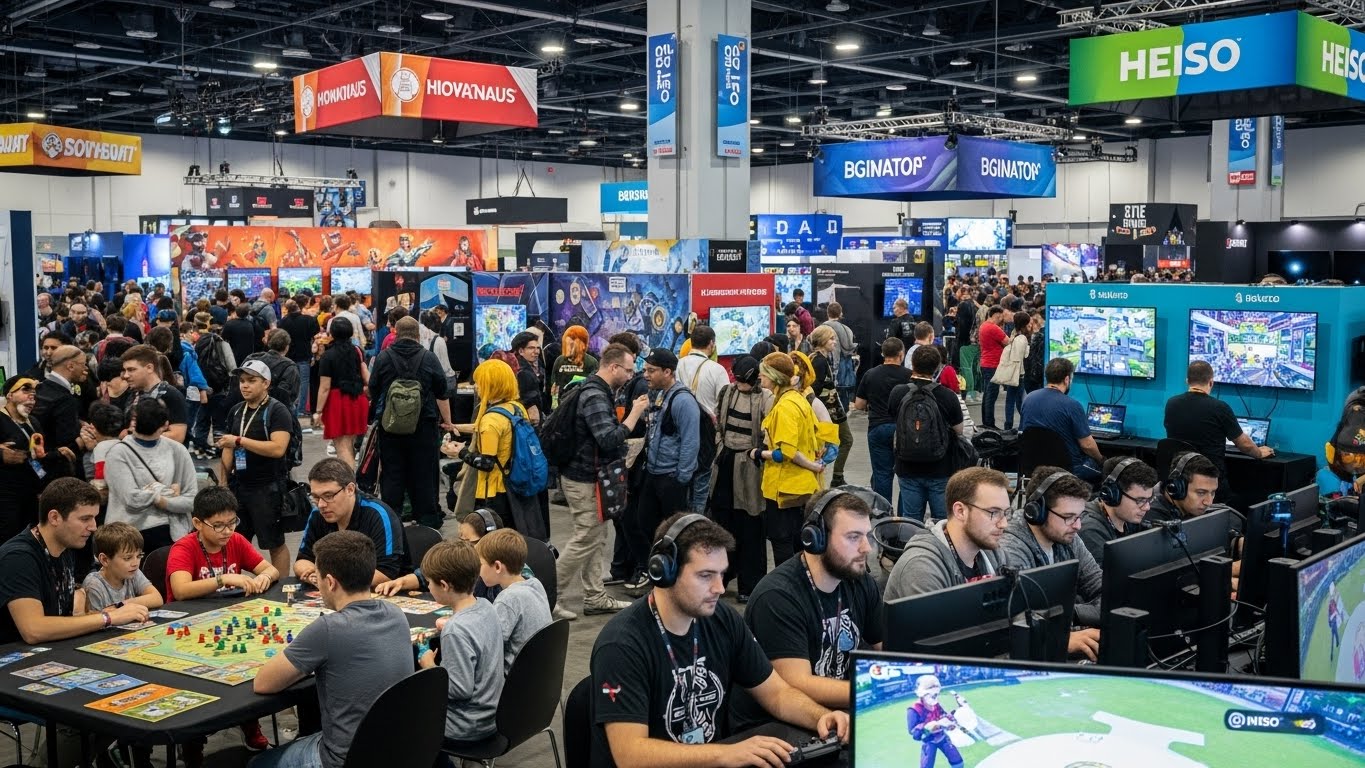
Another major development in gaming has been the rise of esports. What was once considered a niche hobby has now evolved into a global industry with professional leagues, sponsorships, and multi-million-dollar prize pools. Games like League of Legends, Dota 2, and Counter-Strike: Global Offensive have established themselves as the forefront of competitive gaming, drawing massive audiences both online and in-person at live events.
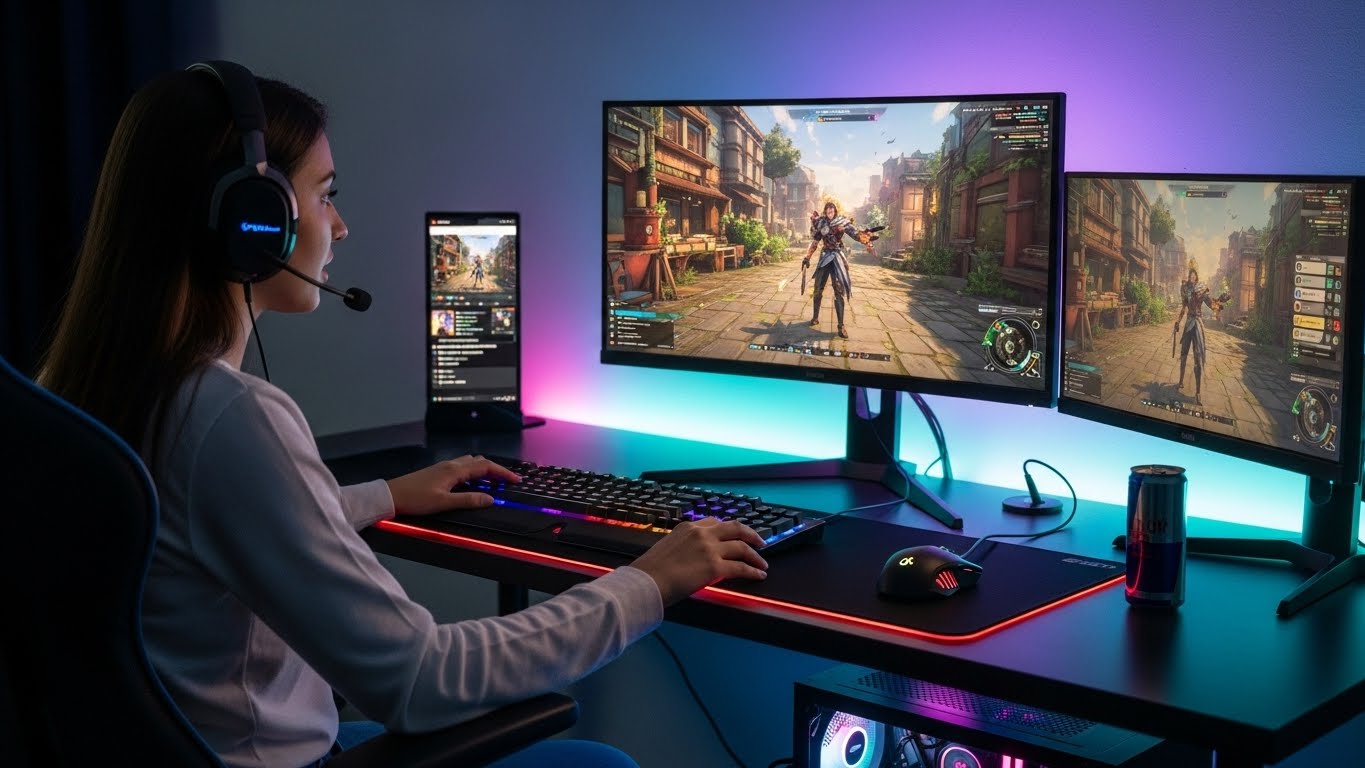
Streaming platforms such as Twitch and YouTube Gaming have played a huge role in the growth of esports. These platforms allow gamers to stream their gameplay in real time, connecting with their audience and building communities. Professional esports teams and players now have large followings, and tournaments are broadcasted to millions of viewers globally. Esports has now become so popular that games like Fortnite and Overwatch have their own professional leagues, attracting sponsorships from major brands and even mainstream media.
Additionally, with services like Google Stadia and Xbox Cloud Gaming, streaming technology is enabling cloud gaming, which allows players to stream games directly to their devices without the need for powerful hardware. This marks a significant shift in how games are distributed and played, making gaming more accessible than ever before.
The Future of Gaming: What’s Next?
The future of gaming looks brighter than ever, with several key developments on the horizon. Virtual reality (VR) and augmented reality (AR) are expected to revolutionize gaming, providing even more immersive experiences. VR systems like Oculus Rift and PlayStation VR are already changing the way we experience games, and as the technology improves, it’s likely that more players will embrace VR gaming.
Another exciting area of development is artificial intelligence (AI). In the coming years, AI is expected to create smarter, more dynamic NPCs (non-playable characters), making the game world feel more alive. AI could also be used to create procedurally generated content, where every player’s experience is unique.
Finally, cloud gaming may be the future of the industry. As internet speeds continue to improve, players may no longer need powerful consoles or PCs to play the latest games. Instead, they’ll be able to stream high-quality games directly to their devices, offering a seamless