

Introduction
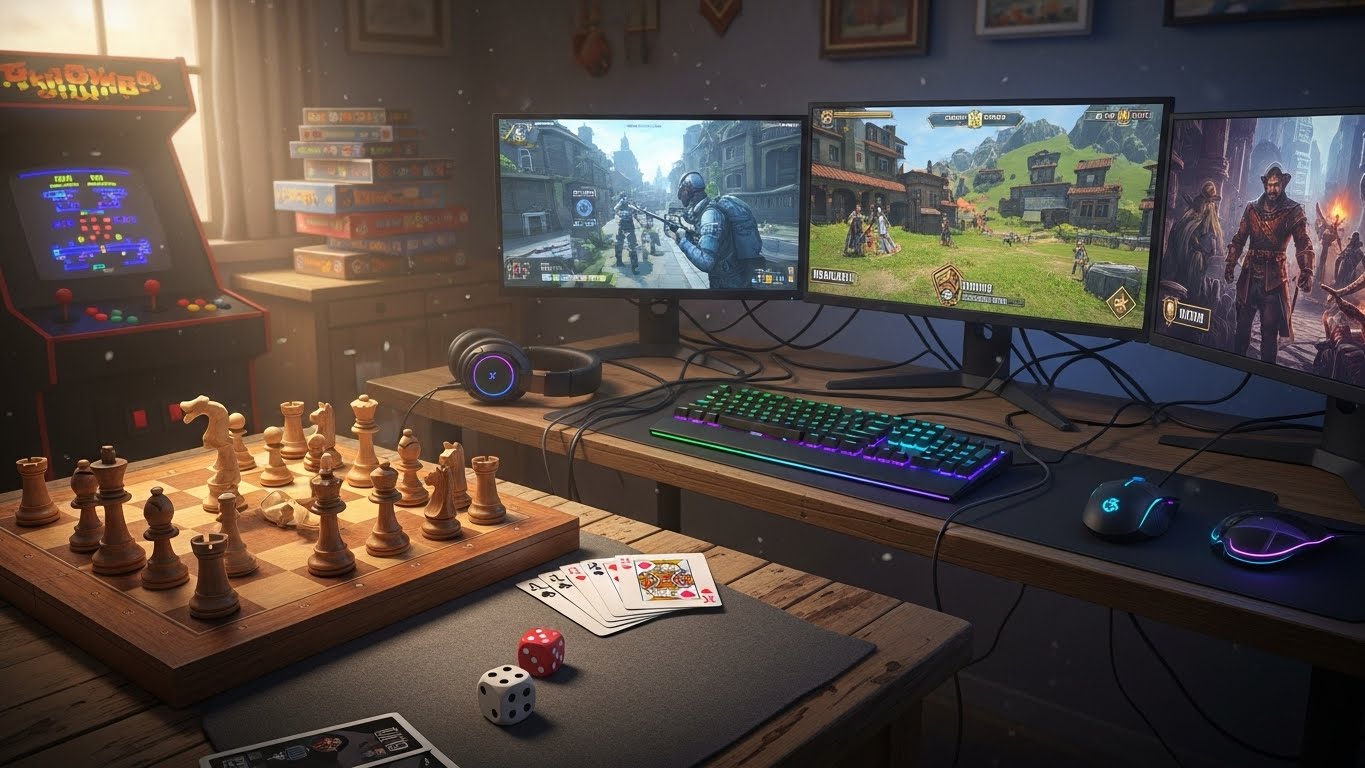
Games have always been a part of human culture, long before technology transformed them into digital experiences. From ancient board games to modern video games, the idea of play has served countless purposes—entertainment, learning, competition, creativity, and even storytelling. Today, the gaming industry stands as one of the most influential creative fields in the world, attracting players of all ages and backgrounds.
Games are no longer limited to childhood activities or casual pastimes. They have evolved into complex worlds, immersive adventures, educational tools, and competitive arenas. This blog explores the evolution of games, the technological progress behind them, popular genres, cultural impact, emerging trends, and the bright future of gaming.
The Evolution of Games
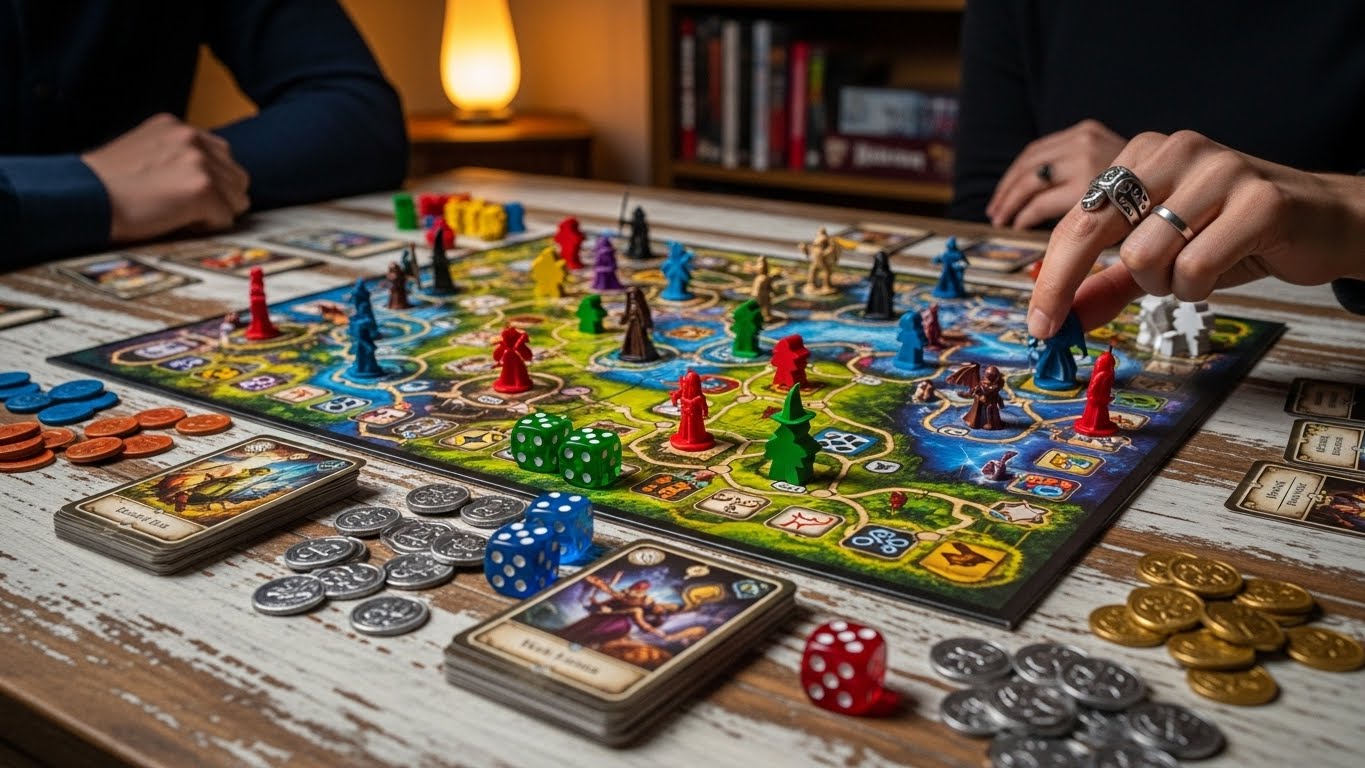
The history of games stretches back thousands of years. Ancient civilizations played board games such as Senet in Egypt and Go in China. These traditional games focused on strategy, competition, and social interaction.
As centuries passed, games evolved with human creativity. Card games, chess, and sports brought new forms of play, introducing rules that challenged memory, logic, and physical skill.
The invention of electronic technology in the 20th century changed everything. Early video games like Pong and Tetris sparked a global fascination with digital entertainment. Arcades became popular meeting spots where people gathered to compete for high scores.
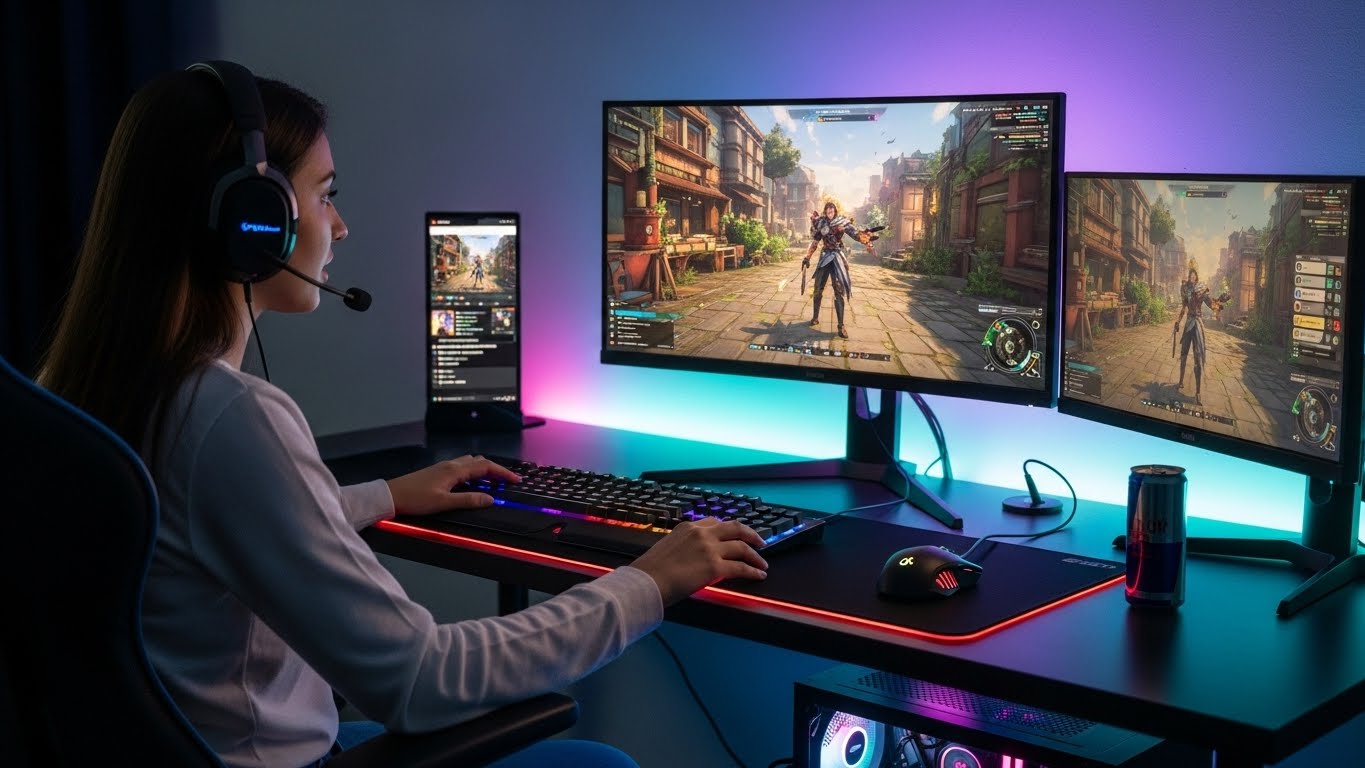
By the late 20th century, home consoles and personal computers brought games into the living room. The arrival of 3D graphics in the 1990s opened the door to realistic and immersive virtual worlds. Today, gaming spans multiple platforms, including mobile devices, virtual reality systems, and cloud-based streaming services.
Technological Advancements and Their Impact
Technology has been the driving force behind gaming’s evolution. Each breakthrough pushes the boundaries of what games can be and how they can be experienced.
Graphics and Realism
Modern games often look almost lifelike. Advanced engines create detailed environments, realistic physics, and expressive characters. From high-resolution textures to dynamic lighting, graphics allow players to lose themselves in visually captivating worlds.
Artificial Intelligence
AI has played a significant role in improving gameplay. Non-player characters can react intelligently, adapt to player actions, and create unexpected challenges. AI-driven enemies, companions, and world events make games feel alive and unpredictable.
Virtual and Augmented Reality
Virtual reality allows players to step directly into a game world, while augmented reality blends interactive elements with the real world. These technologies bring new levels of immersion, transforming how players interact with digital environments.
Cloud Gaming
Cloud gaming removes the need for expensive consoles or gaming PCs. Players can stream high-quality games on any device with an internet connection, making advanced gaming experiences more accessible than ever.
Popular Genres of Games
Games exist in countless forms and genres, offering something for every type of player.
Action and Adventure
Action and adventure games combine exploration, puzzles, storytelling, and combat. Players take on roles of heroes, adventurers, and explorers in dynamic worlds filled with challenges. These games often feature engaging narratives and intense gameplay moments.
Role-Playing Games
Role-playing games allow players to create characters, develop skills, and shape storylines through their decisions. Known for deep storytelling and world-building, RPGs immerse players in epic adventures, emotional journeys, and expansive universes.
Strategy and Simulation
Strategy games emphasize planning, resource management, and decision-making. Whether building cities, managing civilizations, or commanding armies, players must think critically to succeed. Simulation games allow players to control environments, ecosystems, or real-life scenarios, offering creative and educational experiences.
Sports and Racing
Sports and racing games capture the excitement of competition and athleticism. These games provide realistic recreations of events, allowing players to experience the thrill of sports or the intensity of high-speed racing.
Puzzle and Casual Games
Puzzle and casual games appeal to wide audiences due to their simplicity and accessibility. They focus on logic, creativity, and problem-solving. Perfect for short sessions, they are popular among mobile gamers and casual players.
Online Multiplayer Games
Online multiplayer experiences have become central to modern gaming. Players can team up, compete, and interact with others worldwide. These games foster communities, friendships, and competitive environments that thrive on cooperation and skill.
The Cultural Significance of Games
Games have become an influential part of global culture. They shape how people interact, learn, and express creativity.
A New Form of Storytelling
Games provide immersive storytelling that places the player at the center of the narrative. Unlike books or films, games allow players to make choices, explore worlds at their own pace, and form emotional connections with characters.
Social Interaction and Community
Multiplayer games bring people together from different backgrounds. Online communities discuss strategies, celebrate achievements, and form friendships that span continents. Games create digital spaces where social interaction thrives.
Education and Cognitive Benefits
Educational games teach subjects like math, science, and language. Strategy and puzzle games improve problem-solving skills, memory, and concentration. Even action games can enhance reflexes and coordination.
Influence on Other Media
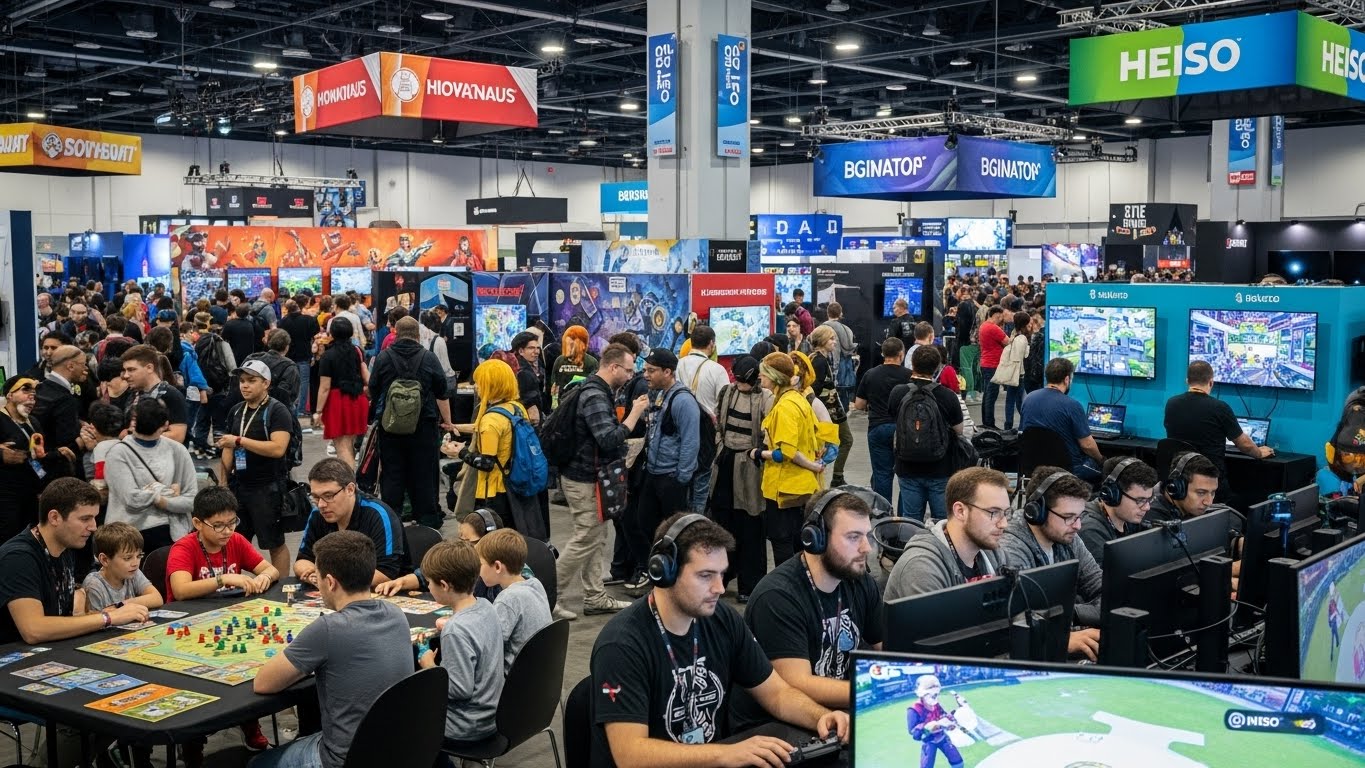
Games inspire movies, music, merchandise, and art. Iconic characters and epic soundtracks have become part of mainstream culture. Gaming conventions and events attract millions of fans, showcasing the industry’s vast influence.
The Growth of the Gaming Industry
The gaming industry has grown exponentially over the last two decades. Increased accessibility, technological advancements, and global interest have transformed gaming into one of the world’s largest entertainment sectors.
Developers continue to push creative boundaries, creating games with deeper stories, innovative mechanics, and visually stunning worlds. Meanwhile, mobile gaming has brought millions of new players into the gaming community, expanding the industry’s reach.
Emerging Trends in Gaming
The world of gaming continues to evolve rapidly. Understanding emerging trends helps predict the future direction of the industry.
Cross-Platform Play
Cross-platform gaming allows players to compete with or against friends regardless of the device they use. This trend promotes unity and expands multiplayer communities across all platforms.
Subscription and Game Library Services
Subscription-based platforms offer access to large collections of games for a monthly fee. These services encourage players to explore new genres and titles without purchasing individual games.
AI Personalization
AI-driven personalization creates unique experiences for each player. Games can adapt difficulty levels, modify story choices, or recommend content based on playstyle.
Sandbox and Open-World Experiences
Open-world games provide freedom to explore, build, and interact with vast environments. Sandbox experiences allow players to create their own stories, making each playthrough unique.
Competitive Gaming and Esports
Esports has become a major part of gaming culture, with tournaments attracting massive audiences and professional players. Competitive gaming continues to grow, offering new opportunities for careers, sponsorships, and global recognition.
Challenges Facing the Gaming World
Despite its remarkable growth, gaming faces several challenges that require thoughtful solutions.
Security and Privacy
Online gaming introduces risks such as hacking and data breaches. Protecting players’ information is essential to maintaining trust and safety.
Toxicity and Online Conduct
Some gaming communities face issues with harassment or negative behavior. Developers and platform operators must encourage positive environments and enforce fair conduct.
Balancing Technology and Wellbeing
While games offer enjoyment and benefits, excessive play can lead to health concerns. Encouraging moderation and providing tools for healthy gaming habits is important.
Market Saturation
With thousands of games released each year, standing out in a competitive market is difficult. Developers must innovate to capture players’ attention.
The Future of Gaming
The future of gaming is incredibly bright. Technology continues to push boundaries, promising more immersive, interactive, and breathtaking experiences. Virtual reality will become more accessible, allowing players to physically step into their favorite worlds. Artificial intelligence will enhance storytelling and world-building, creating games that evolve with the player.
Cloud gaming will make high-quality experiences available to everyone, regardless of hardware. Meanwhile, the integration of gaming into everyday life will continue, with games influencing culture, education, entertainment, and technology.
Conclusion
Games have come a long way—from simple ancient activities to the vast digital universes we explore today. They inspire creativity, challenge the mind, build communities, and redefine how we experience entertainment. With diverse genres, evolving technology, and a growing global audience, the world of games continues to expand, innovate, and shape our world.
Whether someone enjoys solving puzzles, competing online, exploring open worlds, or learning through interactive experiences, there is a game for everyone. As the industry evolves, games will continue to influence culture, imagination, and the future of entertainment for generations to come.