

Introduction
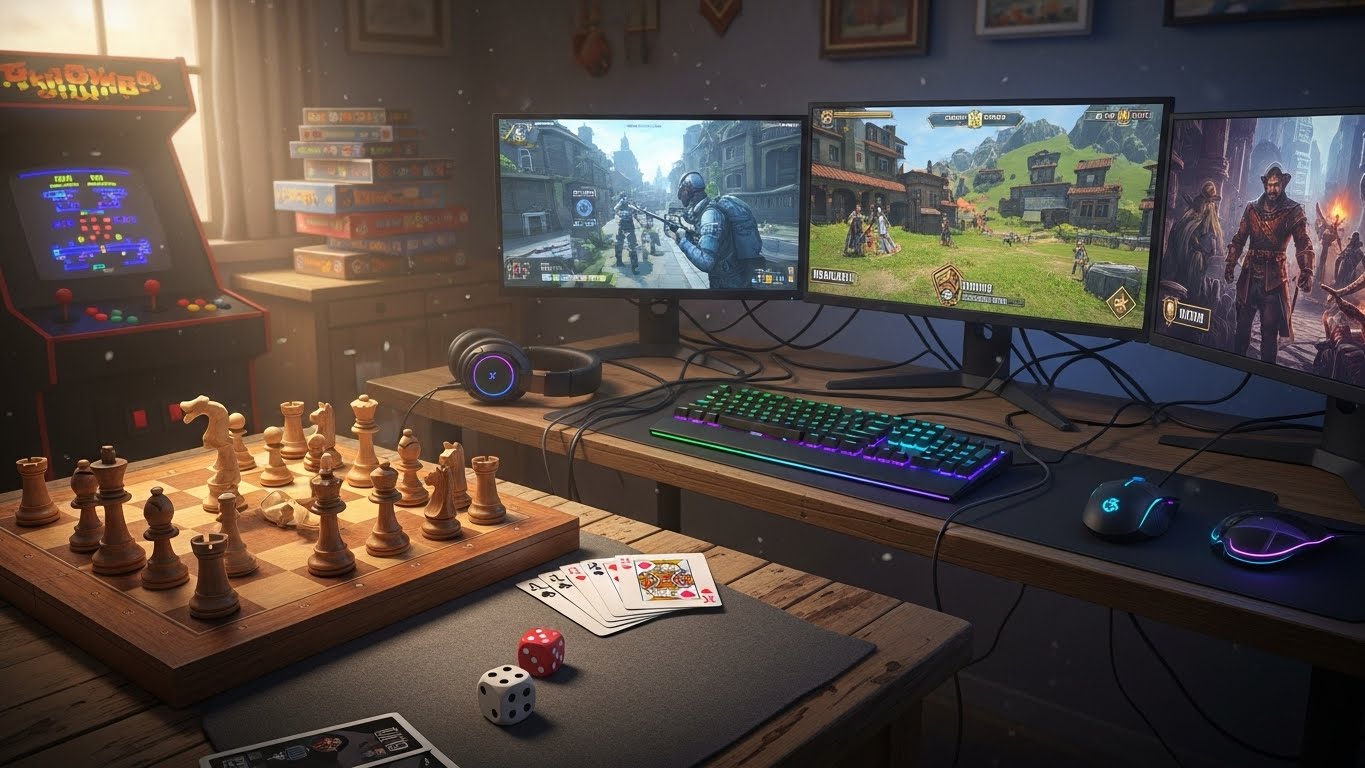
Games have been a part of human culture for centuries, from ancient board games to modern digital experiences. They entertain, challenge, and connect people across generations. What started as simple physical or tabletop activities has evolved into a diverse and dynamic industry encompassing video games, mobile games, esports, and virtual reality experiences.
Modern games are more than just pastimes—they inspire creativity, strategic thinking, and social interaction. They bridge gaps between cultures, foster community, and even offer professional opportunities. This blog explores the evolution of games, the impact they have on society, various types and genres, emerging trends, challenges, and the future of interactive entertainment.
The History and Evolution of Games
Games have existed in human culture since ancient times. Early examples include board games such as Senet in Egypt and Go in China, which served social, educational, and recreational purposes. Over the centuries, games evolved into card games, chess, and other tabletop games, emphasizing strategy, skill, and interaction.
The 20th century marked the rise of video games, beginning with arcade machines like Pong and Space Invaders. Home consoles, such as the Atari and Nintendo systems, brought gaming into households, making it accessible to a broader audience. As computing technology advanced, games became more immersive, with 3D graphics, complex narratives, and multiplayer capabilities.
The internet revolutionized gaming by enabling online multiplayer experiences, digital distribution, and social interaction. Today, games exist on consoles, PCs, mobile devices, and cloud platforms, offering diverse experiences that cater to a global audience.
The Social Impact of Games
Games play a significant role in society, influencing culture, relationships, and personal development.
Building Social Connections
Online multiplayer and cooperative games allow players to connect with friends and strangers worldwide. Games like Fortnite, Minecraft, and Among Us foster collaboration, teamwork, and communication. Social features such as voice chat and in-game communities help build friendships and global networks.
Cognitive and Educational Benefits
Many games challenge players’ cognitive abilities, promoting problem-solving, critical thinking, and strategic planning. Puzzle games, simulations, and role-playing games enhance memory, decision-making, and multitasking skills. Educational games also provide interactive ways to learn concepts in math, science, and language, making learning engaging and effective.
Emotional and Psychological Influence
Games offer emotional and psychological benefits, providing stress relief, relaxation, and a sense of achievement. Narrative-driven games encourage empathy and emotional engagement by immersing players in compelling stories. Multiplayer and community-oriented games reduce feelings of isolation by providing social interaction and shared experiences.
Economic and Cultural Influence
The gaming industry has become a major contributor to the global economy. Video game development, esports, streaming, and merchandising generate billions in revenue and provide employment opportunities worldwide. Games also influence popular culture through movies, music, fashion, and media, highlighting their broader cultural significance.
Types and Genres of Games
Games come in many forms, catering to different interests and skill levels.
Video Games
Video games are interactive digital experiences played on consoles, PCs, or mobile devices. They range from simple casual games to complex, story-driven experiences. Popular genres include action, adventure, role-playing, simulation, and strategy games. Video games often combine graphics, sound, and narrative to create immersive worlds.
Mobile Games
Mobile games have made gaming accessible to millions of people worldwide. Games like Candy Crush, Pokémon GO, and Clash of Clans allow players to engage in quick sessions anytime, anywhere. Mobile gaming emphasizes convenience, social interaction, and accessibility, bridging generational and cultural gaps.
Board and Tabletop Games
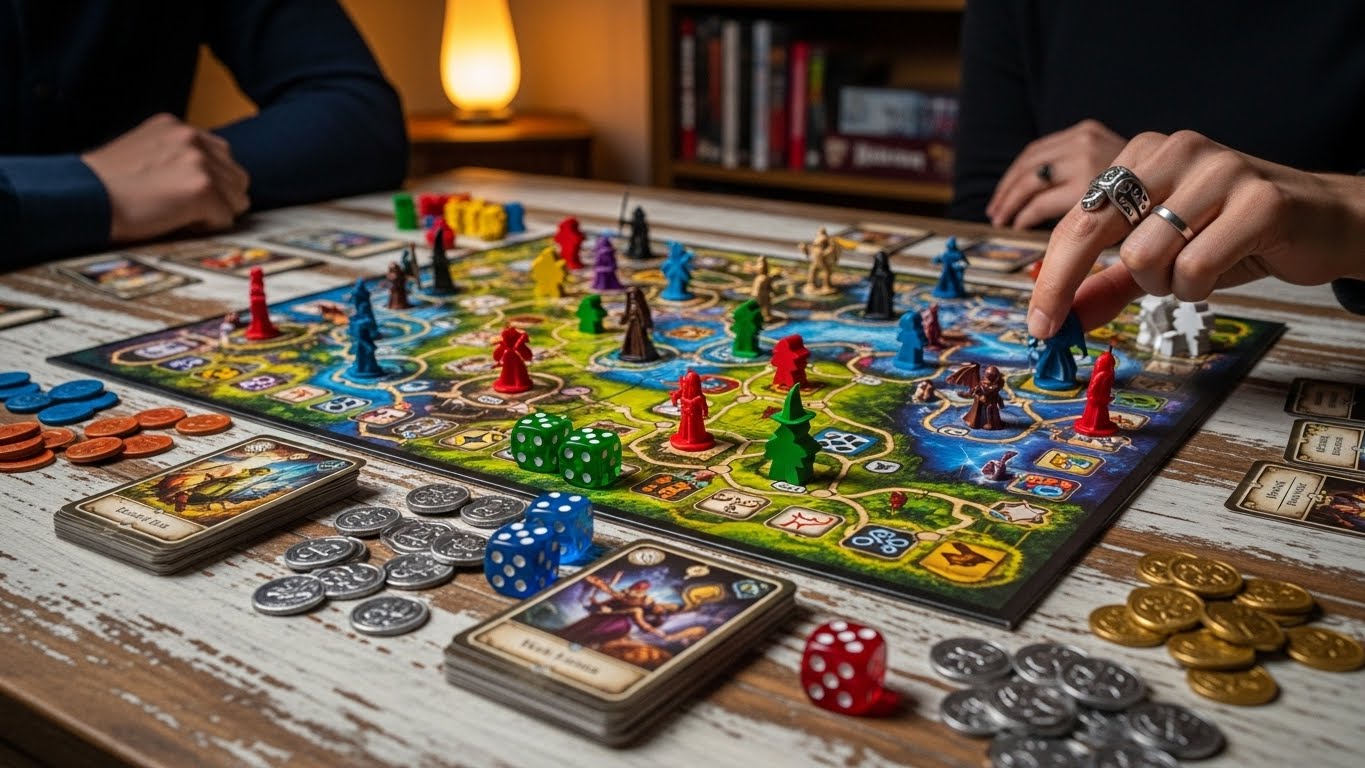
Board and tabletop games remain popular for social interaction and strategic thinking. Games like Monopoly, Settlers of Catan, and Dungeons & Dragons encourage creativity, collaboration, and problem-solving. These games provide offline entertainment while fostering social bonds and cognitive development.
Role-Playing Games (RPGs)
RPGs focus on character development, exploration, and narrative. Players make decisions that affect story outcomes, often engaging in quests or adventures. RPGs enhance creativity, critical thinking, and storytelling skills. Iconic examples include Final Fantasy, Skyrim, and The Witcher series.
Simulation and Strategy Games
Simulation and strategy games emphasize planning, resource management, and decision-making. Titles like SimCity, Civilization, and The Sims allow players to experiment with complex systems, creating opportunities for learning and skill development. These games appeal to players who enjoy problem-solving and long-term planning.
Esports and Competitive Gaming
Esports has turned competitive gaming into a professional field. Games like League of Legends, Dota 2, and Counter-Strike: Global Offensive have global leagues and tournaments with massive audiences. Competitive gaming encourages skill development, teamwork, and strategic thinking, creating professional opportunities and entertainment for millions of fans.
Emerging Trends in Gaming
The gaming industry continues to innovate, driven by technology, consumer demand, and creativity.
Cloud Gaming
Cloud gaming allows players to stream games without the need for high-end hardware. Platforms enable access to powerful games on mobile devices, tablets, and low-spec computers, increasing accessibility and convenience.
Virtual Reality and Augmented Reality
Virtual reality (VR) immerses players in fully interactive worlds, while augmented reality (AR) overlays digital elements on the real world. VR and AR expand gameplay possibilities, providing immersive experiences in gaming, education, and professional training.
Cross-Platform Play
Cross-platform play allows players on different devices to compete or cooperate together. This feature strengthens communities, enhances multiplayer experiences, and ensures inclusivity across consoles, PCs, and mobile devices.
Game Streaming and Content Creation
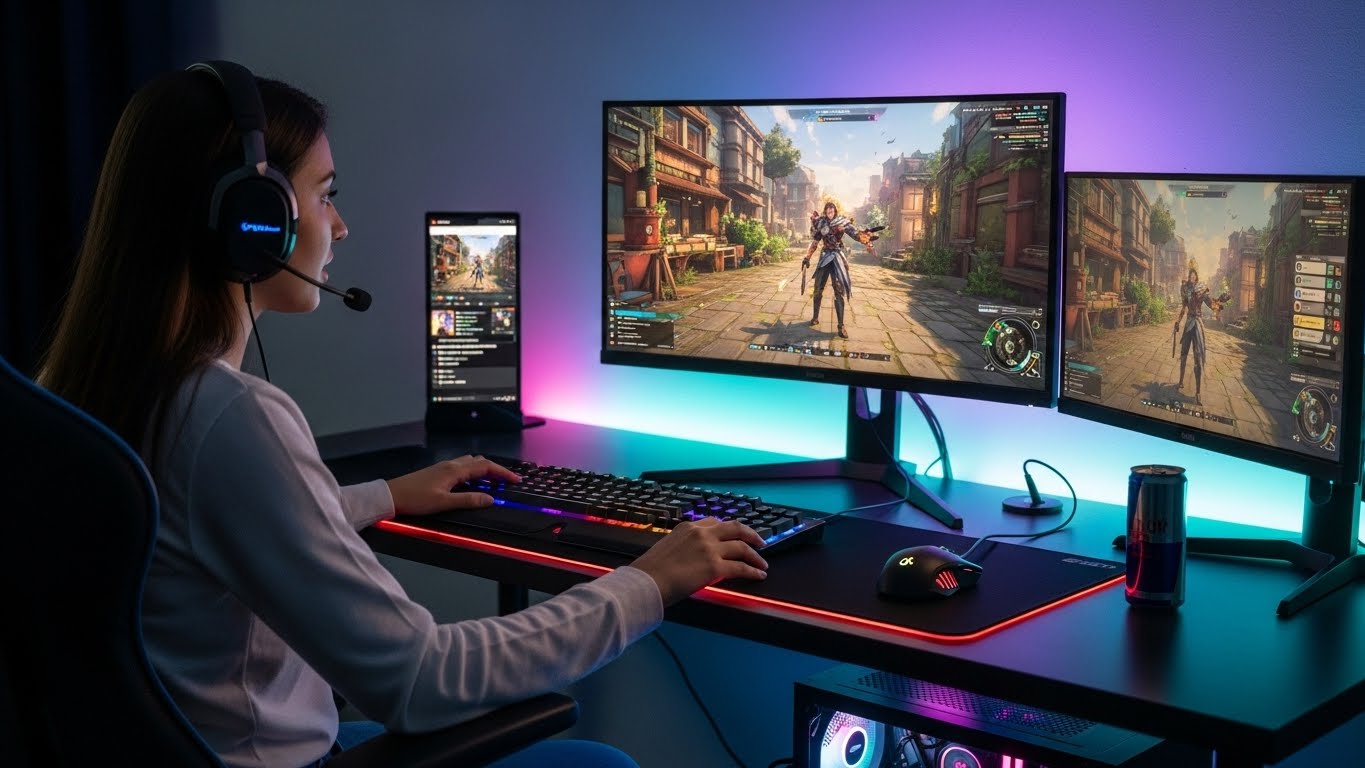
Streaming platforms have transformed how games are experienced. Gamers can share live gameplay, tutorials, and commentary with audiences worldwide. Content creation offers monetization opportunities and fosters engagement between players and communities.
Artificial Intelligence in Games
AI enhances game mechanics by creating intelligent NPCs, procedural content, and adaptive difficulty. AI-driven systems improve immersion, provide realistic challenges, and generate unique gameplay experiences, enriching both single-player and multiplayer games.
Gamification Beyond Entertainment
Gamification applies gaming principles to non-gaming contexts, such as education, fitness, and marketing. Points, rewards, and interactive challenges motivate users, making activities engaging and enjoyable. This trend demonstrates the broader influence of gaming on daily life and productivity.
Challenges in Gaming
Despite its popularity, the gaming industry faces several challenges.
Gaming Addiction
Excessive gaming can lead to addiction, social isolation, and health issues. Promoting balanced play and responsible gaming habits is crucial for mental and physical well-being.
Cybersecurity and Online Safety
Online games expose players to potential risks, including cyberbullying, hacking, and privacy breaches. Developers and players must prioritize digital safety and awareness to maintain secure gaming environments.
Market Saturation
The growing number of games and platforms has created intense competition. Standing out in a crowded market requires innovation, creativity, and community engagement.
Ethical and Social Issues
Concerns about violent content, microtransactions, and loot boxes raise ethical considerations. Developers and regulators must ensure responsible game design and fair practices.
The Future of Gaming
The future of gaming promises unprecedented innovation and immersive experiences. Cloud gaming and streaming will increase accessibility, allowing more players to engage with high-quality games. Virtual and augmented reality will transform immersion, offering new ways to explore and interact with digital worlds.
AI will continue to enhance gameplay by creating smarter NPCs, adaptive challenges, and dynamic narratives. Cross-platform play will foster global communities, while esports and professional gaming will expand as legitimate career paths. Indie game development will continue to push creative boundaries, introducing diverse narratives and unique experiences.
Gaming will also increasingly intersect with education, healthcare, and professional training, demonstrating its potential beyond entertainment. Gamification, simulations, and virtual experiences will shape learning, productivity, and skill development.
Conclusion
Games have evolved from simple pastimes into a powerful cultural, social, and economic force. They entertain, challenge, and connect people worldwide, offering cognitive, emotional, and social benefits. From video games and mobile apps to tabletop games and esports, the diversity of gaming ensures there is something for everyone.
Emerging trends such as cloud gaming, VR/AR, AI-driven experiences, cross-platform play, and gamification are shaping the future of gaming. While challenges like addiction, cybersecurity, and ethical concerns exist, responsible engagement ensures gaming remains a positive and transformative force.
Gaming is more than entertainment—it is a medium for creativity, learning, connection, and personal growth. As technology continues to advance, the world of games will expand, offering ever-more immersive experiences and opportunities for players of all ages and backgrounds.