

Introduction
Games are more than a source of fun—they are a universal form of entertainment that transcends age, culture, and time. From traditional board games to modern video games, they challenge the mind, ignite creativity, and bring people together. Games are not just about winning or losing; they are about experiences, connections, and personal growth.
The Evolution of Games
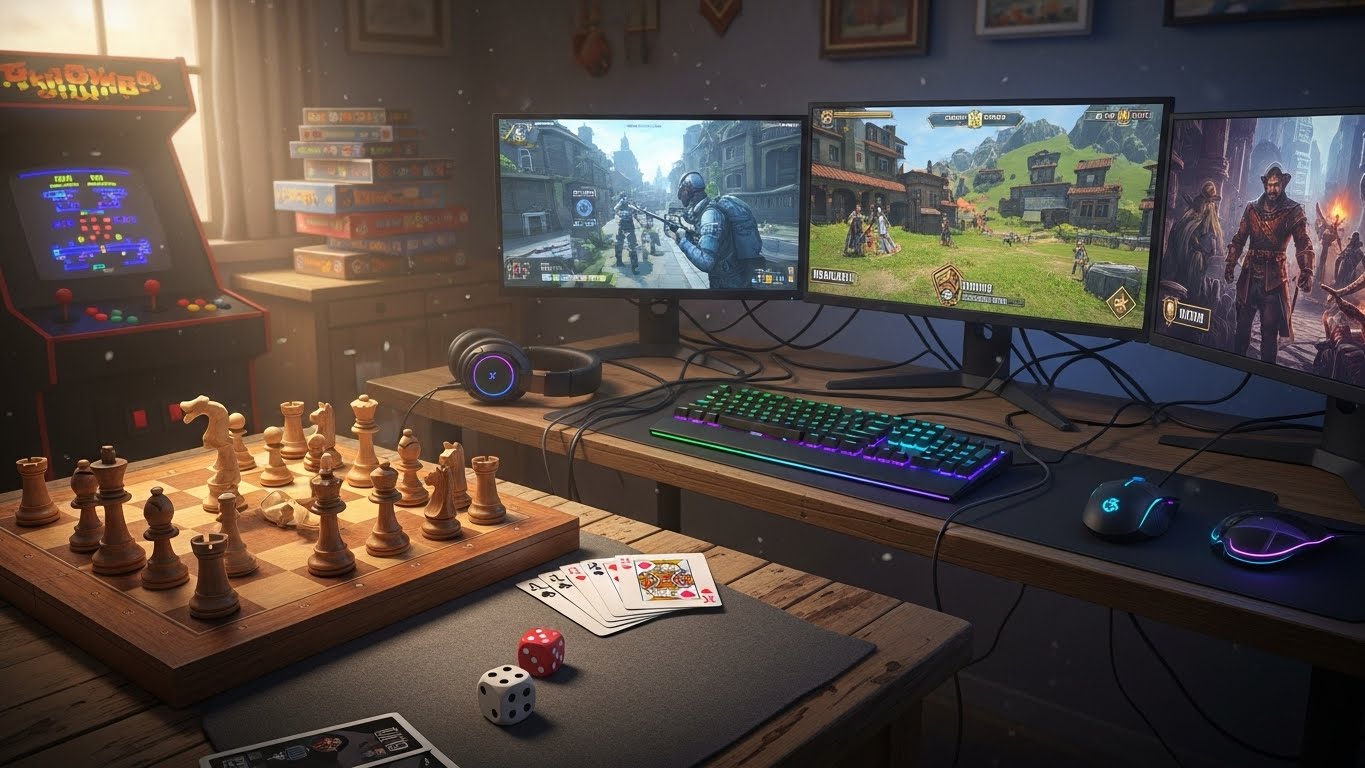
The history of games stretches back centuries, beginning with simple board games and physical challenges. Over time, games evolved into complex digital experiences with stunning graphics and immersive storytelling. Today, games range from casual mobile apps to elaborate role-playing adventures and competitive multiplayer platforms. This evolution shows how human creativity and technology have combined to create experiences that captivate millions.
Games as a Social Experience
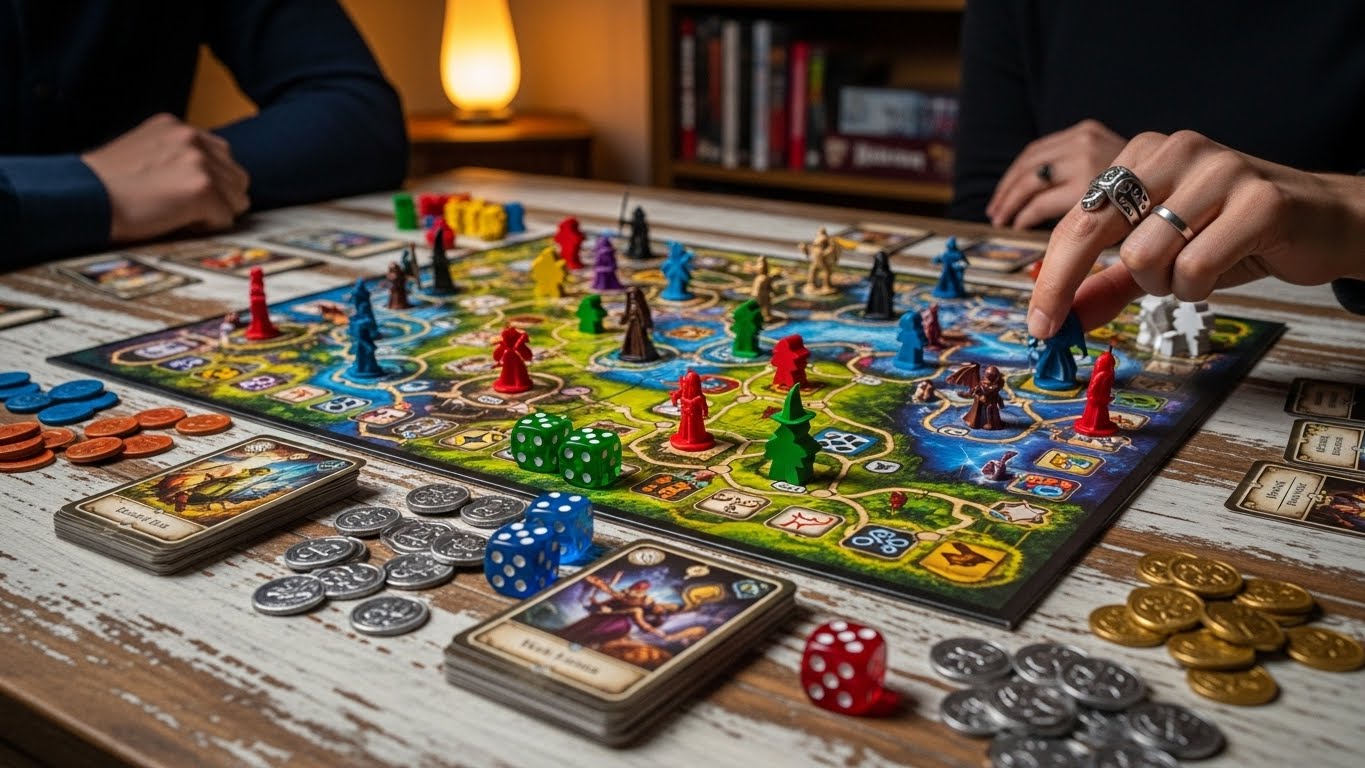
Games have always been a way for people to connect. Traditional games bring families together, while online games connect players across continents. Multiplayer games encourage teamwork, strategy, and communication, building friendships and communities in the process. The social aspect of games is one of their most powerful elements, allowing people to collaborate, compete, and share memorable experiences.
The Cognitive Benefits of Gaming
Games are not only entertaining—they are also educational. Strategy games improve critical thinking and problem-solving skills. Puzzle games enhance memory and concentration. Role-playing games encourage creativity, planning, and decision-making. Even casual games can provide mental stimulation and stress relief, proving that playing games can be both fun and beneficial for the mind.
The Rise of Competitive Gaming
Competitive gaming, or eSports, has transformed games into a professional field. Players compete in tournaments for recognition and rewards, while fans watch events with the enthusiasm of traditional sports. eSports has created opportunities for careers in coaching, event organization, and content creation. Competitive gaming demonstrates that games are not just pastimes—they are platforms for skill, strategy, and achievement.
Technology and Innovation in Games
Technology has pushed the boundaries of what games can offer. Virtual reality and augmented reality immerse players in digital worlds, creating experiences that feel real. Artificial intelligence provides adaptive gameplay, while mobile and cloud gaming make games accessible anywhere. Technology continues to expand the possibilities, making games more interactive, immersive, and engaging than ever before.
Challenges in Gaming
Despite the benefits, gaming faces challenges such as addiction, online toxicity, and inclusivity issues. Players and developers must work together to create safe and positive environments. Promoting responsible gameplay, encouraging diverse representation, and maintaining a balance between gaming and daily life are essential to keeping games a healthy form of entertainment.
The Future of Games
The future of games is filled with innovation and creativity. Games will continue to evolve with virtual reality, artificial intelligence, and interactive storytelling. Players can expect experiences that respond dynamically to their choices and provide deeper emotional engagement. As technology and imagination continue to grow, games will remain a central part of entertainment and culture.
Conclusion
Games are much more than a way to pass time—they are a medium that entertains, educates, and connects people. They inspire creativity, build skills, and foster relationships. As games continue to evolve, they will remain a powerful force in shaping culture, technology, and the way we experience the world.