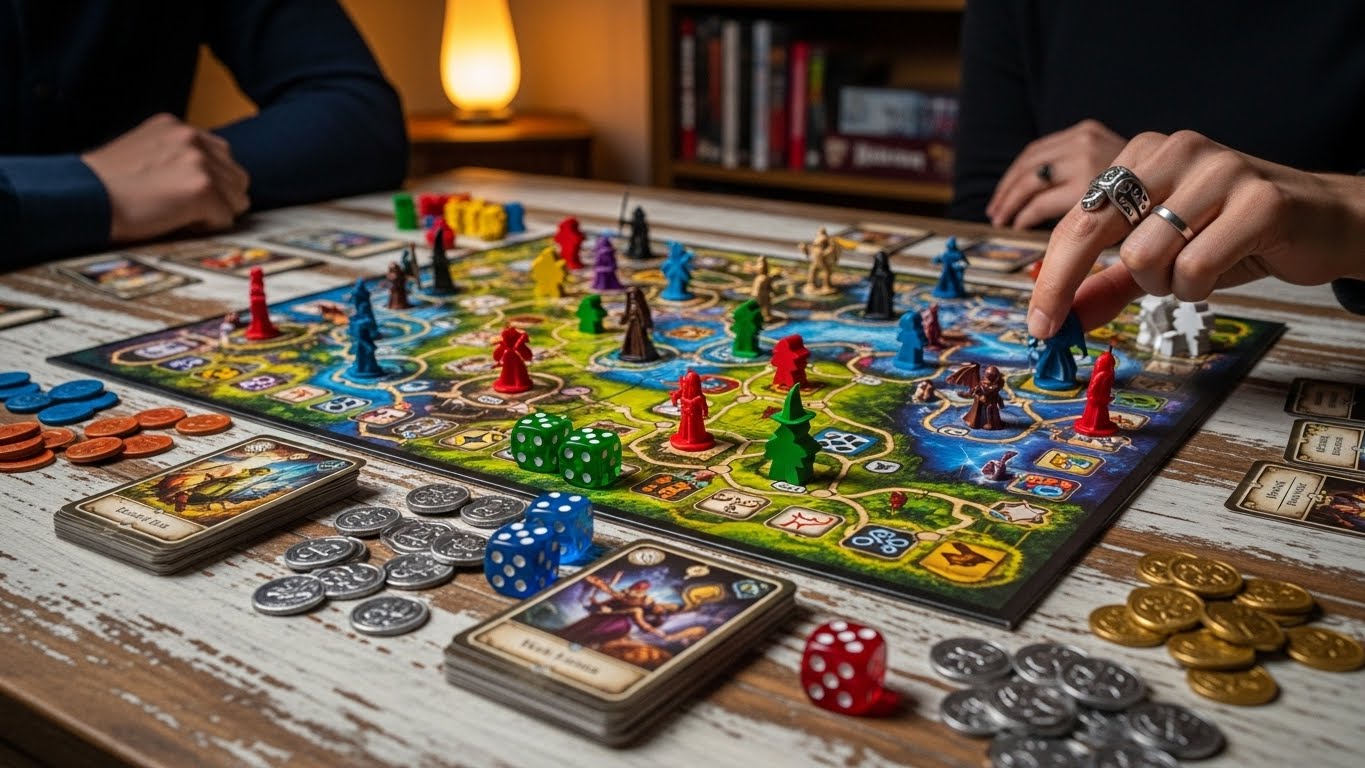


The world of video games is vast and diverse, offering countless genres and experiences for players. From complex RPGs to casual mobile games, there’s something for everyone. However, what often gets overlooked are the titles of these games. While a good title may seem like a small detail, it holds great significance in terms of branding, appeal, and, most importantly, the intrigue it creates among players. In this blog post, we will explore a variety of games with unique and creative titles that stand out in the gaming world. These titles aren’t just random words thrown together; they’re carefully crafted to evoke emotion, curiosity, and excitement. So, let’s dive into the creative minds behind these unforgettable game names and the games themselves.
The Art of Crafting a Unique Game Title
Before diving into specific games, it’s important to understand the significance of a title. A game’s title is more than just a name; it’s the first impression a player gets, and it often shapes their expectations. A well-crafted title can convey the essence of the game’s theme, its tone, and even its core mechanics. It might be whimsical, dark, mysterious, or straightforward — but it always carries meaning.
For instance, “Journey” by thatgamecompany is a simple, yet powerful title that immediately suggests a personal experience or adventure. The word “Journey” sets expectations for a game that focuses on exploration, discovery, and perhaps emotional growth, which is exactly what the game delivers. On the other hand, a title like “Bloodborne” invokes a much darker tone, hinting at gothic themes and intense, action-packed gameplay.
In the next section, we will take a look at some standout games whose titles are as unique and interesting as the games themselves.
1. Outer Wilds
“Outer Wilds” is a prime example of how a game title can be both simple and deeply meaningful. At first glance, the title suggests a vast, open universe that is ripe for exploration. And indeed, that’s exactly what the game offers. Players take on the role of a space explorer trying to uncover the mysteries of a solar system stuck in a time loop. The title itself serves as a perfect metaphor for the game’s core theme — a sense of boundless curiosity and wonder.
The uniqueness of “Outer Wilds” lies in its juxtaposition of the words “Outer” and “Wilds.” While “Outer” hints at space exploration, “Wilds” brings to mind untamed, unexplored territories. Together, the title captures the essence of the game’s mysterious and unpredictable universe, where every discovery leads to even greater questions.
2. Dead Cells
“Dead Cells” is another example of a game title that immediately grabs attention. At first, it might sound like just another typical zombie or horror-themed game, but it’s so much more than that. “Dead Cells” is a rogue-like action platformer, known for its fast-paced combat, procedurally generated levels, and the unique twist of the player’s character coming back to life every time they die.
The title “Dead Cells” cleverly hints at the game’s premise. The word “Dead” could represent the inevitable deaths players experience in the game, while “Cells” evokes the idea of life and resurrection. The combination of these two words reflects the cycle of life, death, and rebirth that defines the game. It’s an example of how a title can be both descriptive and thought-provoking, hinting at deeper themes within the game.
3. What Remains of Edith Finch
The title “What Remains of Edith Finch” immediately evokes a sense of mystery and loss. The word “Remains” implies that something significant is gone, and the name “Edith Finch” suggests that the game might center around a person or a family, with “Finch” adding an air of somberness. It’s a title that hints at a narrative-driven experience, full of introspection and reflection.
As it turns out, “What Remains of Edith Finch” is a first-person exploration game where the player uncovers the tragic history of the Finch family through various short stories. Each member of the family has met an untimely death, and Edith, the last surviving member, is left to piece together their stories. The title is not only a reflection of the game’s theme of death and memory but also an invitation to explore what is left behind when loved ones are gone.
4. Hollow Knight
At first glance, the title “Hollow Knight” might sound like a typical dark fantasy game. However, its significance runs much deeper. The word “Hollow” immediately conjures images of emptiness, loss, and a sense of something missing, while “Knight” suggests honor, valor, and combat. Together, these two words create a compelling image of a character who is both a protector and a wanderer in a vast, decaying world.
“Hollow Knight” is a Metroidvania-style game that takes place in Hallownest, a ruined kingdom inhabited by strange creatures. The game’s protagonist, the “Hollow Knight,” is a mysterious and silent character who is tasked with uncovering the truth behind the kingdom’s downfall. The title hints at the protagonist’s nature — a knight with a hollow, perhaps broken, sense of purpose. This clever use of contrast adds an extra layer of depth to the game, as players explore the protagonist’s journey of self-discovery and the uncovering of long-lost secrets.
5. Gris
“Gris” is a game that beautifully combines minimalist art with a profound narrative. The title itself is simple yet evocative. “Gris” is the Spanish word for “gray,” which reflects the game’s central theme of grief and emotional healing. In the game, players control Gris, a young woman navigating a world of sorrow and loss. The environments and visuals are inspired by various stages of grief, and the character’s journey is one of personal growth and recovery.
The choice of the word “Gris” is perfect for the tone of the game. The color gray is often associated with ambiguity, sadness, and melancholy — emotions that are deeply explored throughout the game. The simplicity of the title mirrors the understated yet powerful storytelling and emotional depth of the game, making it a unique and memorable title in the world of indie games.
6. The Stanley Parable
“The Stanley Parable” is a title that, on its surface, seems almost overly simple, yet it perfectly encapsulates the essence of the game. The game revolves around Stanley, an office worker who finds himself trapped in an empty building with no idea what to do next. The title sets the stage for a bizarre and humorous narrative that questions the very nature of choice, free will, and storytelling itself.
The brilliance of the title lies in its straightforwardness. It’s just about “Stanley” — but the simplicity of the name allows for a deeper exploration of the character and the narrative. As players progress through the game, they realize that the story is not as linear as it initially seems. There are multiple paths to take, and the game plays with the concept of player choice in a way that few other games do. The title’s simplicity and directness make the game feel like a personal journey, one that reflects the player’s own choices and actions.
7. Katamari Damacy
“Katamari Damacy” is an example of a title that is quirky, playful, and completely unique. The name itself is a blend of Japanese words — “Katamari,” meaning “clump” or “mass,” and “Damacy,” meaning “spirit” or “soul.” Together, the title refers to the core mechanic of the game, where players control a small character who rolls a sticky ball (the katamari) around the world, collecting objects and growing larger with each roll.
The title’s eccentricity mirrors the gameplay, which is equally bizarre and fun. “Katamari Damacy” is a game that defies traditional expectations and embraces creativity and absurdity. The unique title is a perfect reflection of the game’s playful nature, where the objective is not to defeat enemies or solve puzzles, but simply to roll things up and have fun.
8. Night in the Woods
“Night in the Woods” is a title that immediately evokes a sense of nostalgia, mystery, and perhaps a touch of the supernatural. The word “Night” suggests darkness and the unknown, while “Woods” hints at an isolated, perhaps eerie setting. Together, they create a sense of curiosity and adventure, inviting players to explore what lies hidden in the woods at night.
The game itself is a narrative-driven experience that revolves around Mae Borowski, a young adult who returns to her hometown after dropping out of college. The title reflects the themes of growing up, loss, and rediscovering one’s roots. As Mae ventures through the town and the surrounding woods, she uncovers secrets that have been buried for years. The title is an invitation to explore both the literal and metaphorical darkness of the woods and the emotional struggles that come with facing the past.
Conclusion
In the world of video games, a title is more than just a label — it’s an essential part of the experience. A unique title can instantly capture a player’s attention, evoke emotions, and provide insight into the game’s themes and mechanics. The games we’ve explored in this blog post are all exceptional examples of how a carefully chosen title can enhance the overall experience, from the mystery of “Outer Wilds” to the emotional depth of “Gris.”
The next time you come across a game with an intriguing title, take a moment to appreciate the thought and creativity that went into it. A great title is not just a marketing tool; it’s a window into the soul of the game itself. Whether it’s through