

Introduction
Games have been an integral part of human society for thousands of years. They entertain, challenge, and bring people together, providing a unique platform for learning, social interaction, and creativity. From traditional board games and outdoor sports to modern video games and virtual reality experiences, gaming has constantly evolved to reflect technological advancements and cultural shifts. In the contemporary era, games are not only a form of leisure but also a multi-billion-dollar industry, a social connector, and a creative outlet that shapes modern entertainment. This blog explores the history, technological influence, social impact, and future of games.
The Ancient Origins of Gaming
The concept of games is deeply rooted in human history. Archaeological evidence reveals that people in ancient civilizations developed games for recreation, skill-building, and ritualistic purposes. For instance, the Egyptians played Senet, a board game believed to have spiritual significance, while in China, the game of Go was created to enhance strategy and critical thinking. In Africa, Mancala and other counting games fostered mathematical understanding and social interaction.
These early games were not only entertainment; they reflected societal values, encouraged cognitive development, and often served as educational tools. The universality of games across cultures underscores their importance in human life and their ability to bridge social and cultural gaps.
The Evolution of Traditional Games
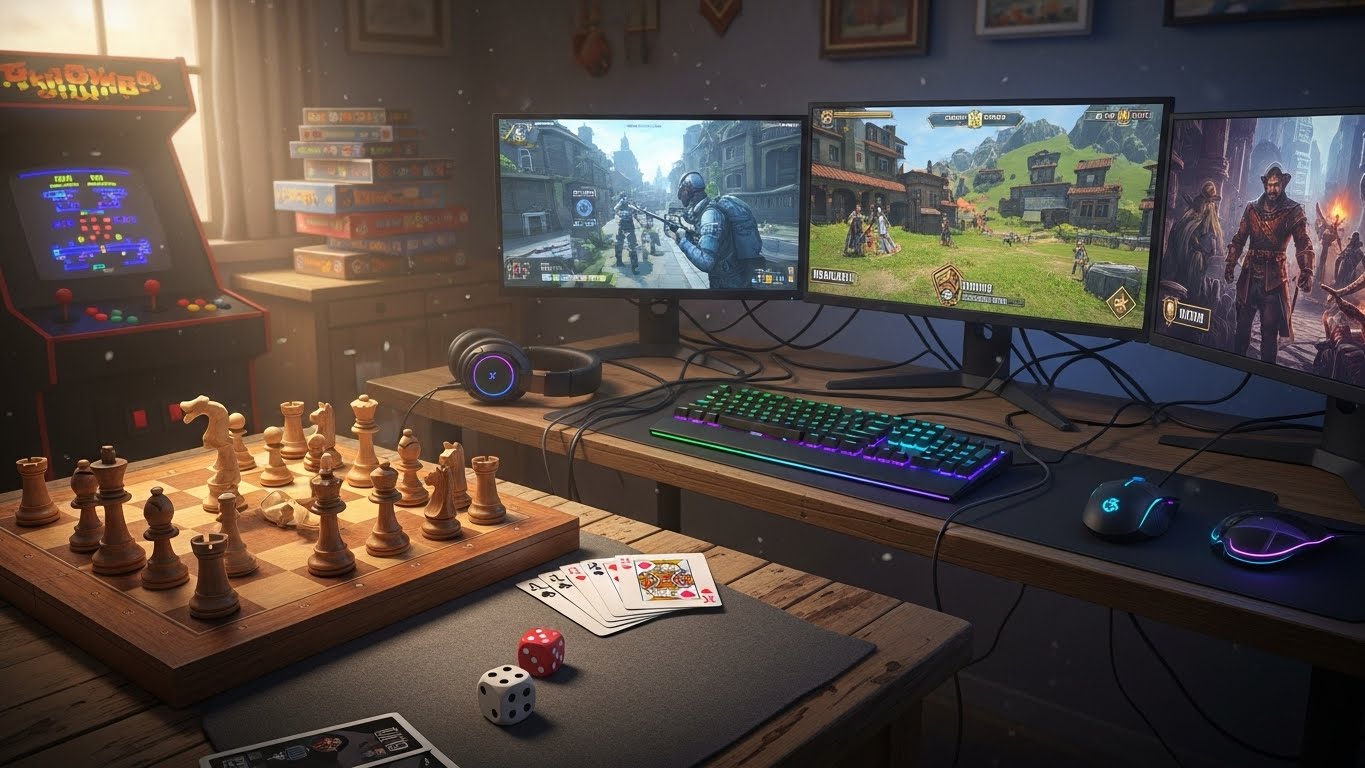
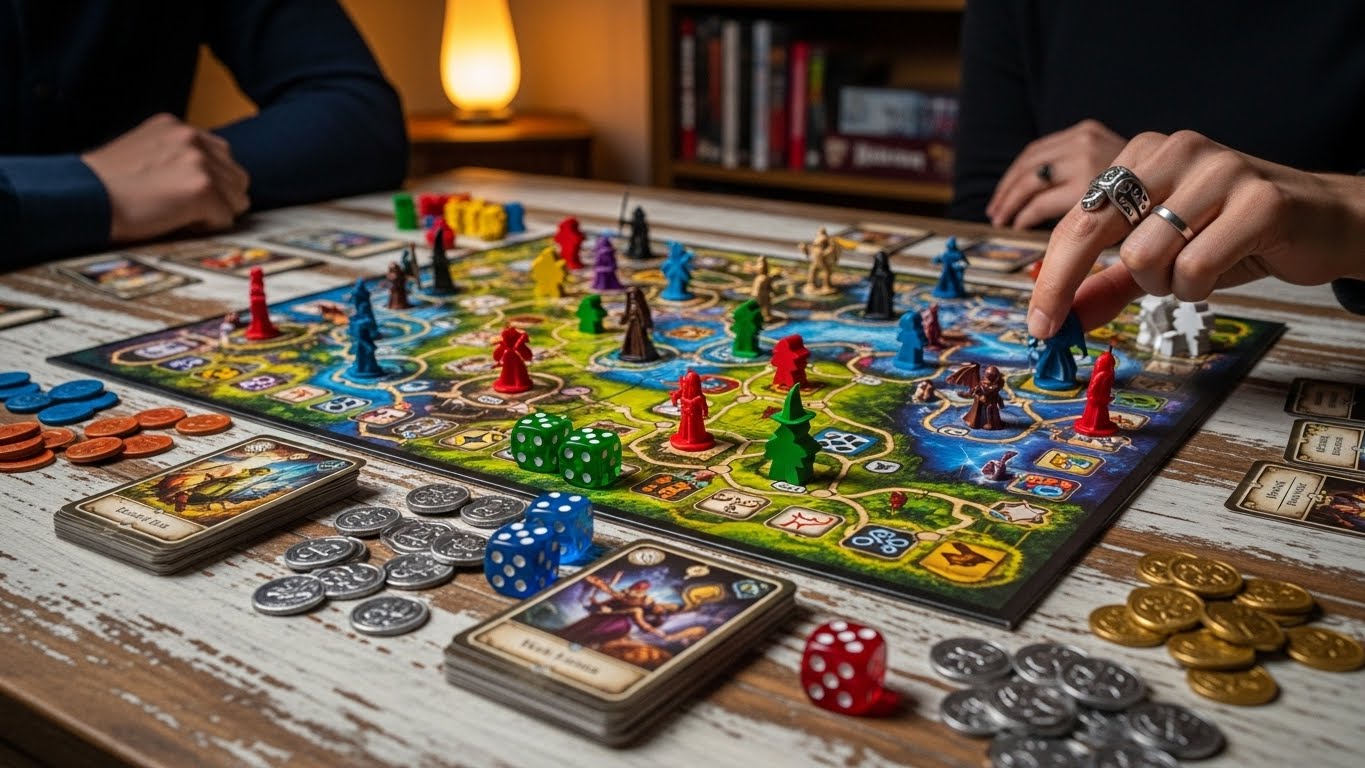
As societies advanced, games became more structured and widely accessible. Chess, which originated in India, became a symbol of strategy and intellect across Europe. Card games emerged as popular forms of leisure, blending chance, strategy, and social interaction. Board games evolved from simple recreational activities into sophisticated forms of competition, often reflecting the culture and artistry of the period.
The 19th and 20th centuries marked the rise of mass-produced games. Families could now afford board games, puzzles, and outdoor activities that encouraged both cognitive development and bonding. These traditional games laid the foundation for the modern gaming industry, influencing design, strategy, and player engagement.
The Rise of Video Games
The advent of computers and digital technology in the 20th century revolutionized gaming. Early video games, such as Pong and Space Invaders, captured public interest with interactive visuals and basic mechanics. As technology progressed, video games became increasingly sophisticated, incorporating advanced graphics, storytelling, and immersive gameplay.
Modern video games encompass a wide range of genres, from role-playing and strategy to simulation and sports. These games challenge players’ skills, decision-making, and creativity while offering complex narratives and richly detailed virtual worlds. The rise of online multiplayer games further transformed gaming into a social and competitive experience, connecting players worldwide in real time.
The Role of Technology in Modern Gaming
Technology has been the driving force behind the evolution of modern games. High-definition graphics, realistic physics engines, and advanced sound design create immersive and engaging experiences. Artificial intelligence enhances gameplay by controlling non-player characters, adapting challenges, and personalizing experiences based on player behavior.
Virtual reality and augmented reality represent the next frontier in gaming. Virtual reality allows players to step into fully interactive digital environments, while augmented reality overlays game elements onto the real world, creating hybrid experiences that blend physical and digital interactions. Cloud gaming technology further democratizes access, enabling high-quality gaming without the need for expensive hardware.
The Psychology of Gaming
Games are designed to engage players cognitively and emotionally. They provide challenges, feedback, and rewards that stimulate problem-solving, strategic thinking, and hand-eye coordination. Role-playing games encourage empathy and creativity by allowing players to inhabit different characters and make consequential decisions.
Beyond cognitive benefits, games also offer emotional and psychological advantages. Immersive experiences provide stress relief, mental stimulation, and a safe space for exploration. The sense of achievement from completing challenges or reaching milestones can boost confidence and motivation, making gaming a meaningful form of engagement.
Social Interaction Through Gaming
Games are not just solitary activities; they often foster social interaction and community building. Multiplayer platforms, competitive tournaments, and online forums enable players to communicate, collaborate, and compete globally. Social engagement strengthens relationships, encourages teamwork, and creates shared experiences that extend beyond the digital space.
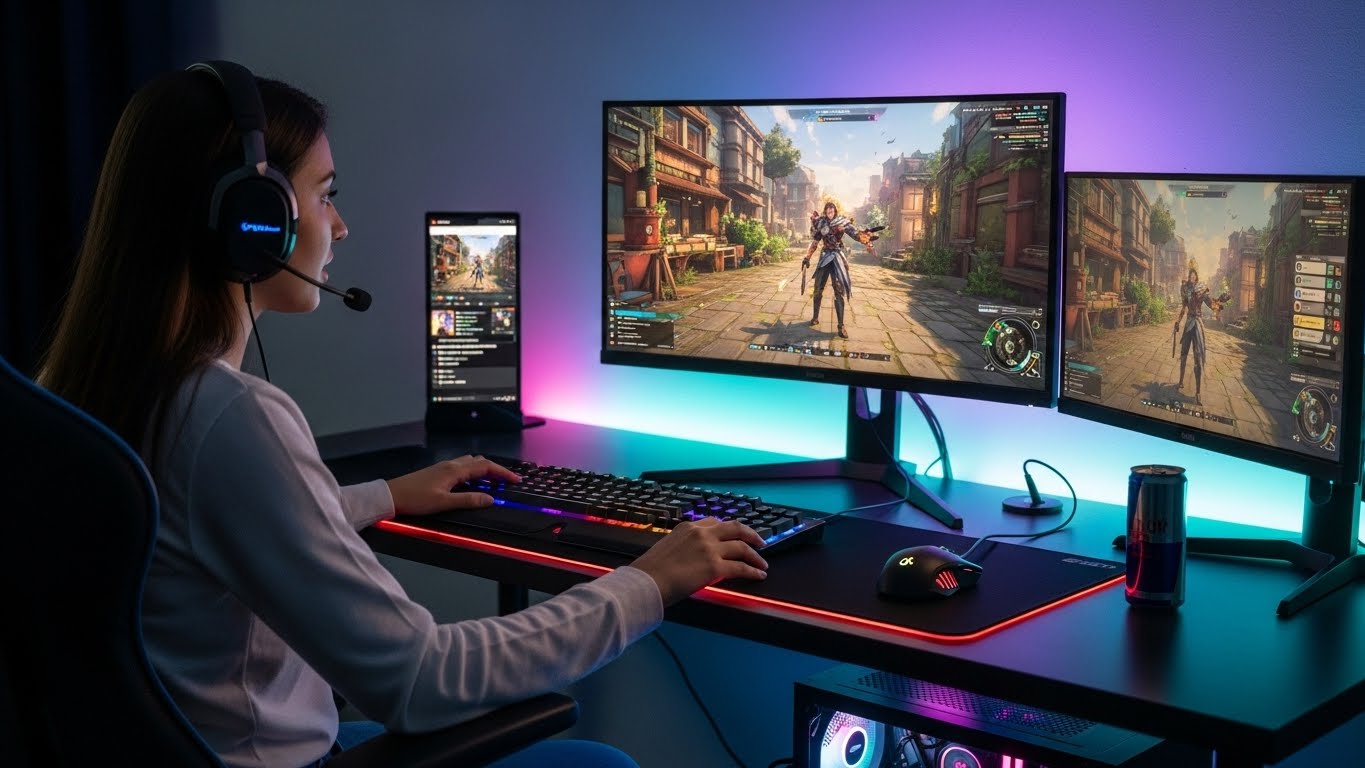
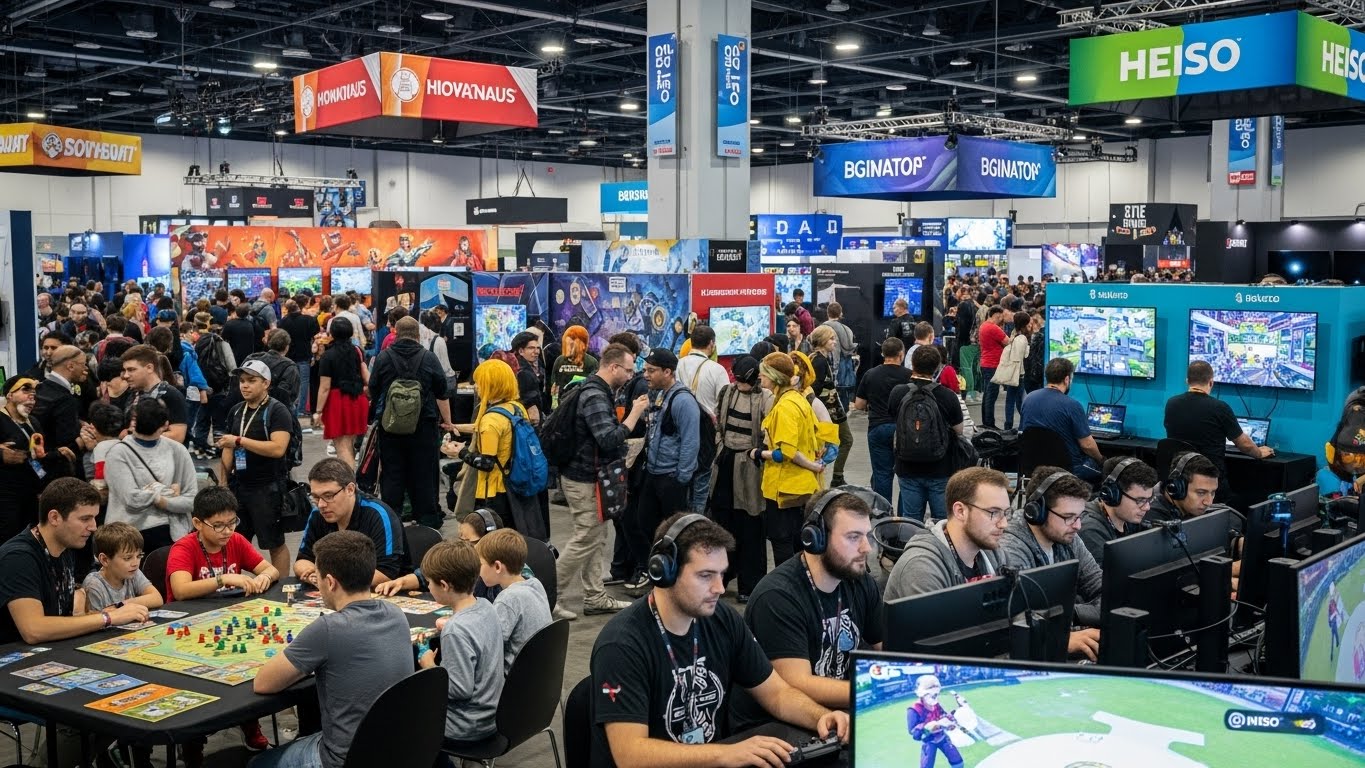
The rise of esports has further emphasized the social and cultural impact of gaming. Competitive gaming tournaments attract millions of viewers and participants worldwide, creating communities that celebrate skill, strategy, and innovation. These platforms highlight gaming as a shared cultural experience that connects people across geographic and cultural boundaries.
Educational and Cognitive Benefits
Many games have educational value, enhancing learning through engagement and problem-solving. Strategy and puzzle games develop critical thinking and planning skills, while simulation games teach resource management, economics, and decision-making. Role-playing games foster empathy and creativity by placing players in diverse scenarios with moral and strategic choices.
Gamification, which applies game mechanics to non-gaming contexts, demonstrates the power of games as tools for education and personal development. By incorporating rewards, challenges, and feedback, educators and organizations can engage learners and employees more effectively, making learning interactive and enjoyable.
Economic Impact of the Gaming Industry
The gaming industry has grown into a global economic powerhouse. It generates billions in revenue annually and provides employment across software development, design, marketing, esports management, and content creation. Mobile gaming, in particular, has expanded access and introduced innovative monetization strategies, including in-app purchases and subscription services.
Gaming also drives technological advancement. Innovations in graphics, artificial intelligence, cloud computing, and networking often originate in response to the demands of complex games. As a result, the gaming industry not only entertains but also contributes to technological development and economic growth worldwide.
The Cultural Significance of Games
Games influence culture in profound ways. They reflect societal values, storytelling traditions, and artistic expression. Many games draw on history, mythology, and literature, providing players with rich cultural experiences while promoting creativity and exploration.
Gaming communities have also become cultural hubs. Online forums, fan art, streaming platforms, and social media allow players to share experiences, collaborate, and celebrate their favorite games. Gaming culture influences fashion, entertainment, and even language, highlighting the broader cultural impact of this medium.
The Future of Gaming
The future of gaming promises even greater immersion, interactivity, and social connection. Virtual reality, augmented reality, and artificial intelligence will continue to transform gameplay experiences. Cloud gaming will eliminate hardware barriers, allowing more people to participate in high-quality gaming experiences.
Inclusive game design and diverse narratives are becoming increasingly important, reflecting societal demand for representation and accessibility. As games continue to evolve, they will not only entertain but also educate, inspire, and connect people globally. The combination of technology, creativity, and social engagement ensures that gaming will remain a central pillar of entertainment and culture.
Conclusion
Games have evolved from simple pastimes to complex digital experiences that entertain, educate, and connect people worldwide. From ancient board games to immersive virtual worlds, games continue to challenge the mind, foster social interaction, and shape culture.
Modern gaming offers cognitive benefits, psychological engagement, and social connection, making it a meaningful form of entertainment. The industry drives technological innovation, supports economic growth, and influences cultural trends.
As technology and creativity advance, games will continue to evolve, offering richer experiences, more diverse narratives, and stronger connections between players. Games are more than a form of recreation—they are a reflection of human ingenuity, imagination, and our innate desire to play, explore, and connect.