
Introduction
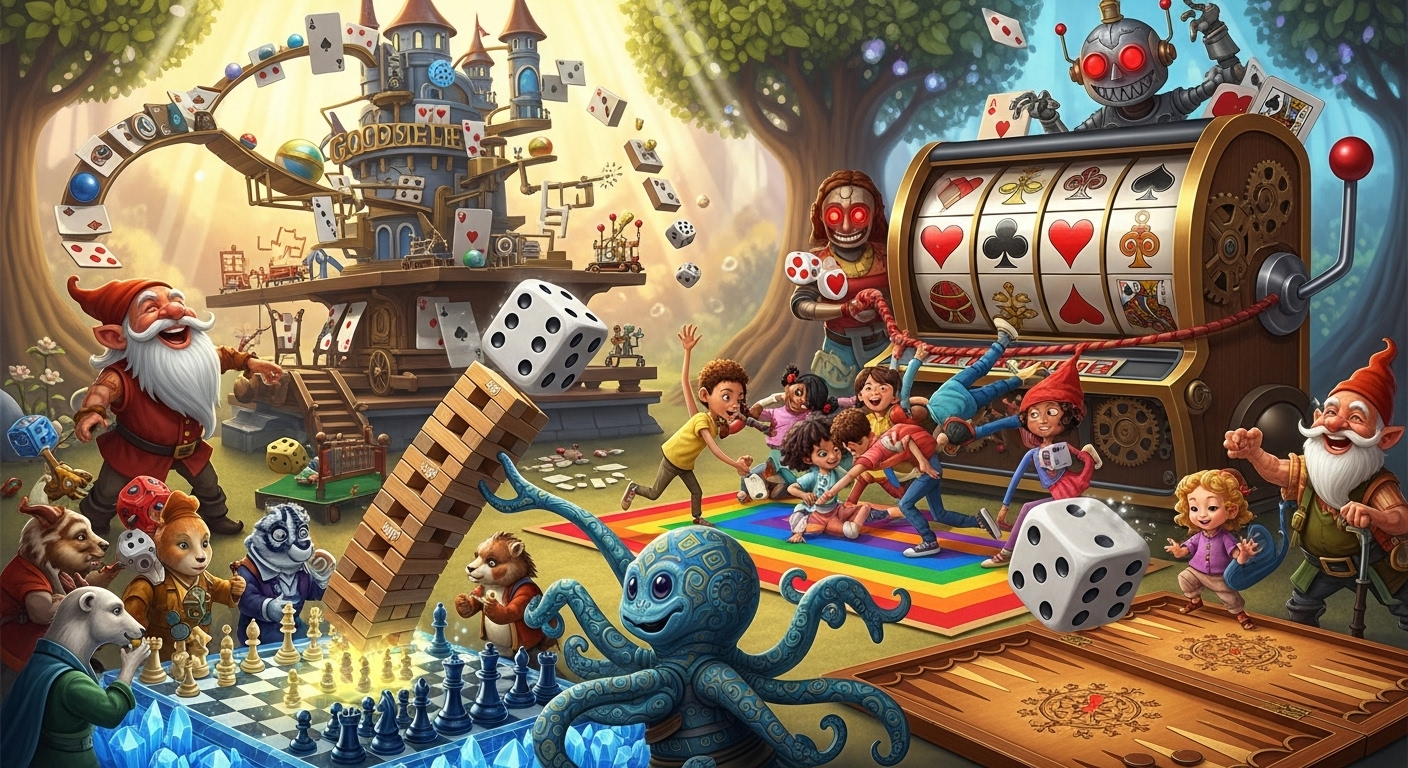
Games have been a central part of human society for millennia. From ancient board games to modern virtual experiences, they entertain, challenge, and foster social connections. In the digital age, games have evolved into a global phenomenon, offering immersive experiences across consoles, computers, and mobile devices. Beyond mere entertainment, games influence culture, education, and technology, serving as a platform for creativity, strategy, and social interaction. This blog delves into the history of games, their technological advancements, social impact, and future prospects, highlighting their significance in shaping human engagement and culture.
The Ancient Origins of Games
The history of games dates back thousands of years. Ancient civilizations developed games for recreation, skill development, and social bonding. In Egypt, the board game Senet was not just a pastime; it had spiritual significance and was thought to guide players through the afterlife. In China, the game of Go encouraged strategic thinking and long-term planning. Across Africa, Mancala and similar counting games promoted mathematical skills and fostered social interaction.
These early games were more than entertainment; they reflected societal values and cultural identity. They encouraged cognitive development, social engagement, and moral decision-making. The universality of games across civilizations highlights their timeless appeal and their role as a reflection of human creativity.
The Evolution of Traditional Games
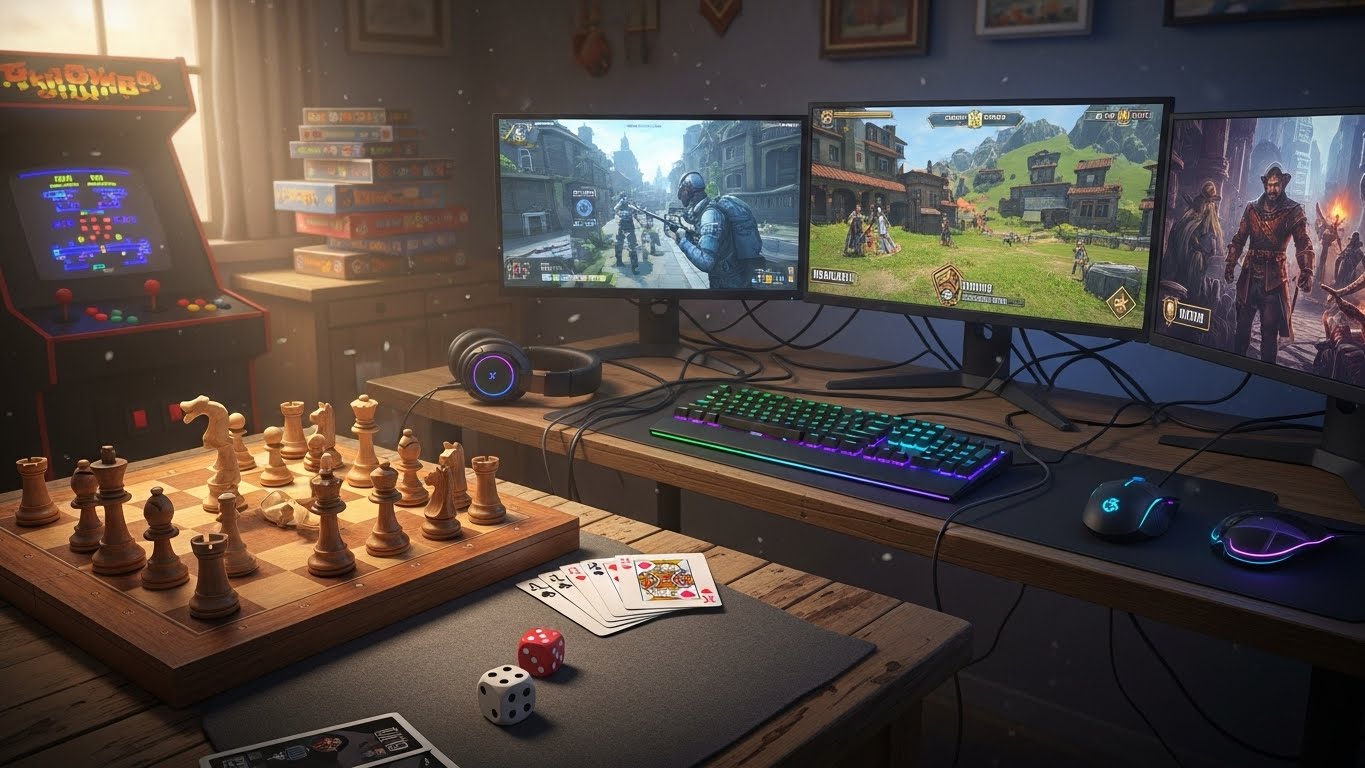
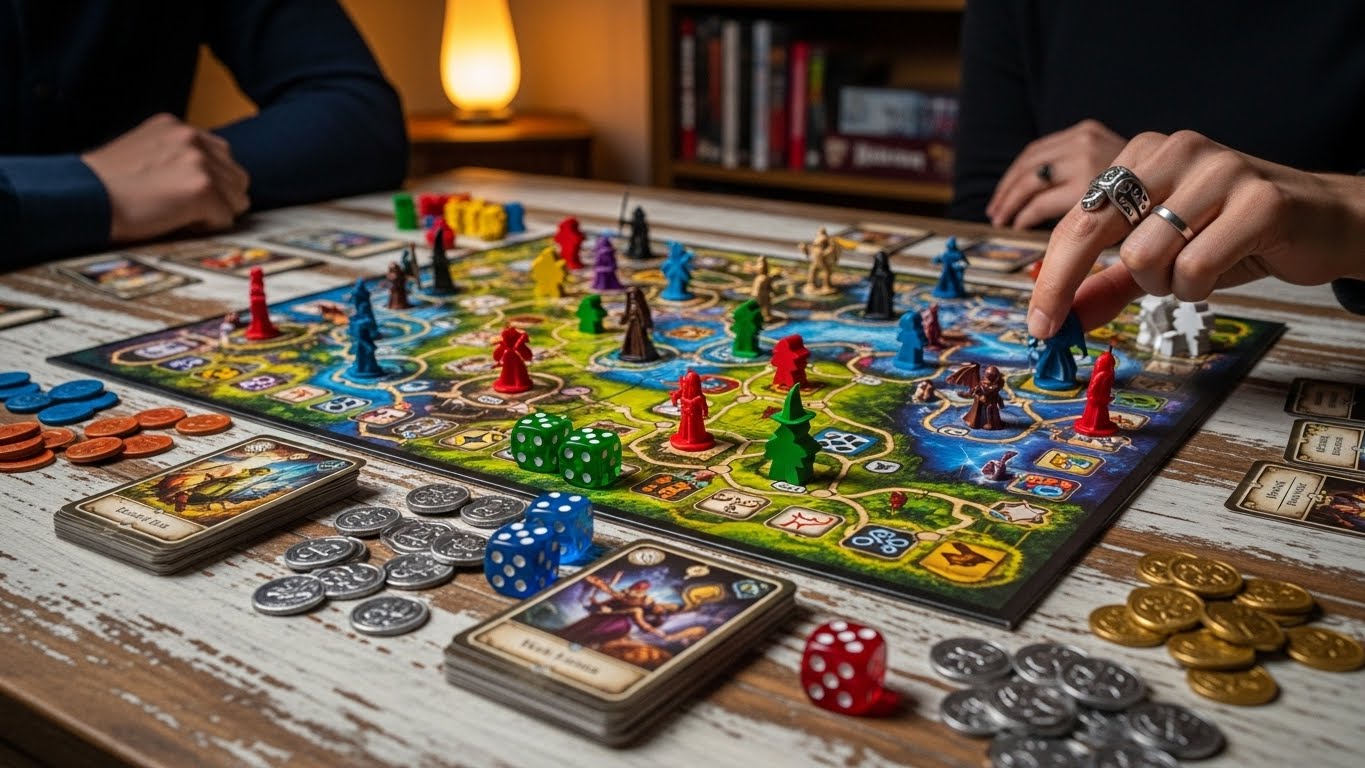
With the progression of human society, games became more structured and widely accessible. Chess, originating in India, became a symbol of intellect and strategy across Europe. Card games emerged as a popular leisure activity, blending chance, skill, and social interaction. Board games evolved to include complex mechanics and narratives, reflecting cultural themes and societal norms.
The industrial revolution allowed for the mass production of games, making them accessible to families and communities. Board games, puzzles, and outdoor sports provided opportunities for social bonding, cognitive growth, and entertainment. These traditional games laid the foundation for the modern gaming industry, influencing design, engagement, and strategic thinking.
The Rise of Video Games
The 20th century brought a technological revolution that transformed gaming. Early video games like Pong and Space Invaders introduced interactive digital experiences that captivated audiences. As computing power increased, video games became more sophisticated, featuring advanced graphics, complex mechanics, and engaging narratives.
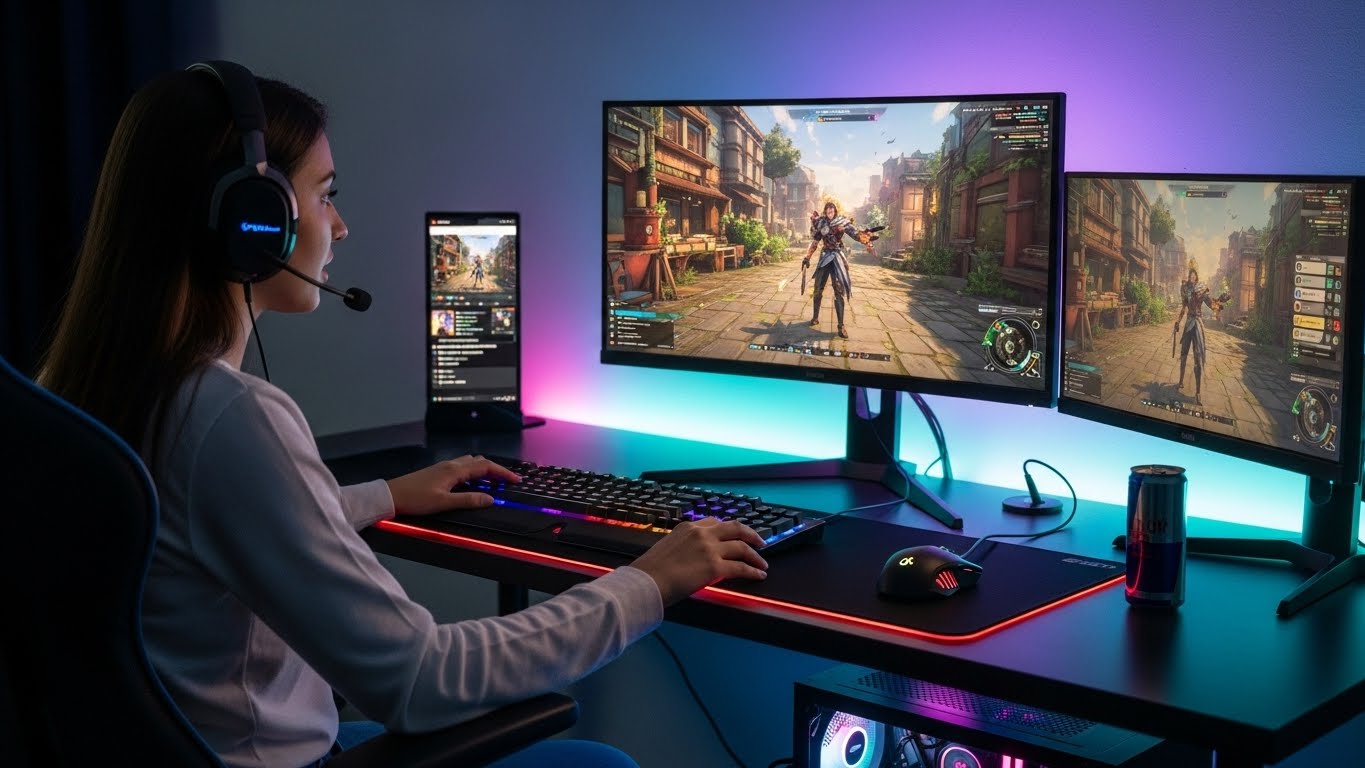
Modern video games span a wide range of genres, including role-playing, strategy, simulation, and action. They challenge players’ problem-solving skills, creativity, and strategic thinking. Online multiplayer games further enhance social engagement, allowing players to connect, compete, and collaborate globally in real time. This connectivity has made gaming a social experience as well as an entertainment medium.
The Role of Technology in Modern Gaming
Technology is the backbone of contemporary gaming. High-definition graphics, realistic physics, and immersive sound design contribute to authentic and engaging experiences. Artificial intelligence enhances gameplay by controlling non-player characters, personalizing challenges, and adapting experiences to individual player styles.
Virtual reality and augmented reality are reshaping the gaming experience. Virtual reality immerses players in fully interactive digital worlds, while augmented reality overlays game elements onto the real environment, creating hybrid experiences. Cloud gaming technology allows high-quality games to be played on various devices without specialized hardware, making immersive gaming more accessible than ever.
The Psychological Impact of Games
Games engage the mind and emotions in unique ways. They provide challenges, immediate feedback, and rewards, which enhance problem-solving, decision-making, and strategic thinking. Role-playing games encourage creativity and empathy by allowing players to experience different perspectives and make consequential decisions.
Emotionally, games can reduce stress, provide a sense of achievement, and offer mental stimulation. Completing challenges and progressing in games releases a sense of satisfaction and motivates further engagement. When approached responsibly, gaming can contribute positively to cognitive and emotional well-being.
The Social Dimension of Gaming
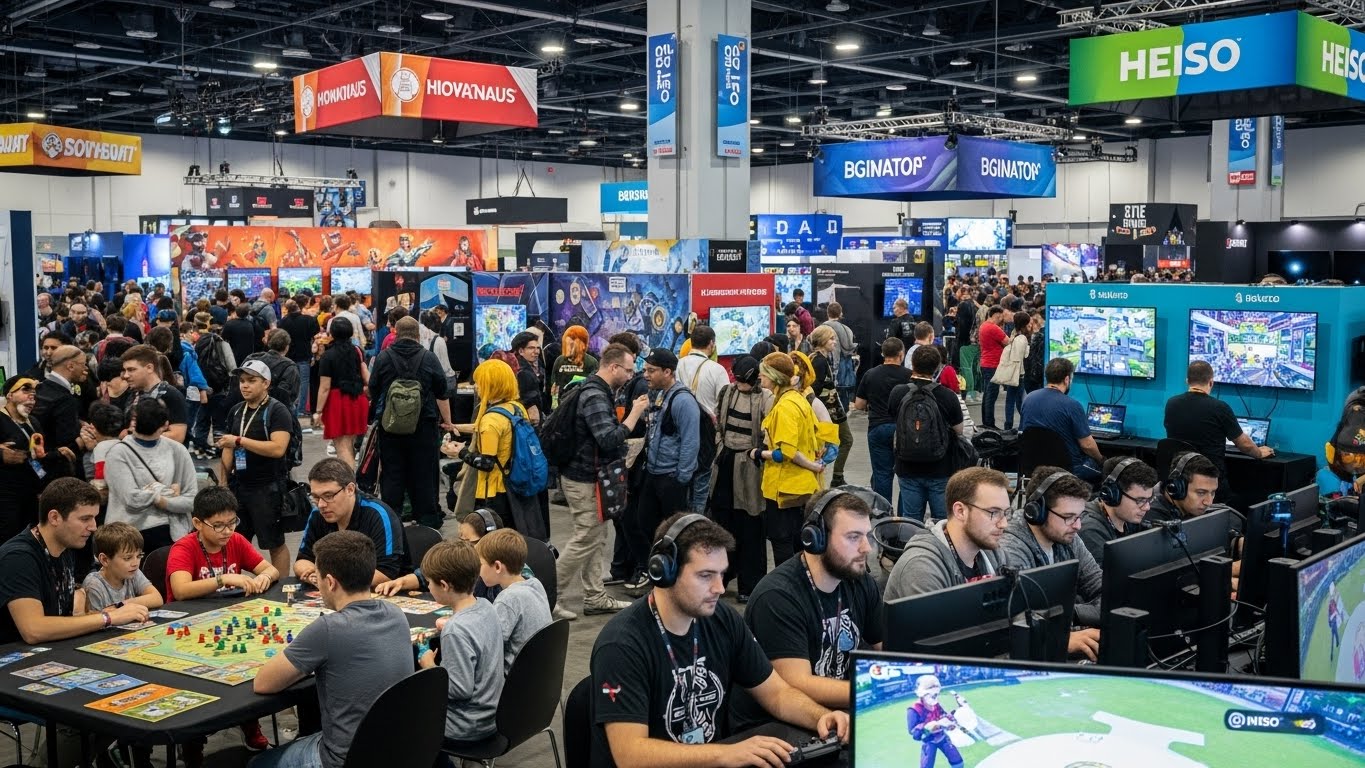
Games are inherently social. Multiplayer platforms, online forums, and competitive tournaments allow players to interact, collaborate, and compete. These social interactions foster teamwork, communication, and community building. Gaming communities often develop shared culture, language, and norms that strengthen connections between players.
Esports, the competitive gaming industry, exemplifies gaming as a social and cultural phenomenon. Professional tournaments attract millions of participants and viewers worldwide, creating communities that celebrate skill, strategy, and collaboration. The social aspects of gaming demonstrate that it is more than entertainment; it is a platform for interaction and cultural exchange.
Educational Benefits of Games
Games offer significant educational and cognitive benefits. Strategy and puzzle games enhance critical thinking, planning, and problem-solving skills. Simulation games provide practical insights into complex systems like economics, city planning, and resource management. Role-playing games encourage empathy, creativity, and ethical reasoning by allowing players to explore diverse scenarios.
Gamification, the application of game mechanics in non-gaming contexts, demonstrates the power of games in education and training. By incorporating challenges, rewards, and progress tracking, educators and organizations can engage learners more effectively, making learning interactive, enjoyable, and memorable.
The Economic Impact of Gaming
The gaming industry is a major global economic driver. It generates billions of dollars annually and provides employment in software development, design, marketing, esports, and content creation. Mobile gaming has expanded access and introduced innovative monetization strategies, such as in-app purchases and subscriptions.
Gaming also fuels technological innovation. Advanced graphics, AI, cloud computing, and network technologies often develop in response to the demands of modern games. As a result, the gaming industry contributes to broader technological progress and economic development worldwide.
Cultural Significance of Games
Games reflect and shape culture. They incorporate narratives, art, music, and social norms that resonate with players. Many games draw inspiration from mythology, history, and literature, providing entertainment while promoting cultural literacy and creativity.
Gaming culture extends beyond gameplay. Fan art, streaming platforms, social media communities, and esports create a vibrant ecosystem where players and enthusiasts share experiences, celebrate achievements, and build cultural identity. Games influence trends in entertainment, fashion, and media, highlighting their significance beyond simple recreation.
The Future of Gaming
The future of gaming is poised for continued growth and innovation. Virtual reality, augmented reality, and artificial intelligence will further enhance immersive experiences. Cloud gaming will remove hardware barriers, allowing more players to access high-quality games across devices.
Inclusive game design, diverse narratives, and social engagement will become increasingly important. Developers are focusing on accessibility and representation to ensure that gaming is enjoyable for players of all backgrounds. As technology advances, games will continue to evolve, offering richer, more engaging, and socially meaningful experiences.
Conclusion
Games have evolved from ancient pastimes to complex digital experiences that entertain, educate, and connect people worldwide. They challenge the mind, foster social interaction, and influence culture, making them a central component of modern entertainment.
Modern gaming offers cognitive and emotional benefits, supports economic growth, and shapes technological innovation. The social and cultural impact of games extends beyond the digital world, creating communities, shared experiences, and cultural trends.
As technology and creativity advance, the world of games will continue to expand, offering new experiences, narratives, and opportunities for connection. Games are more than recreation; they are a reflection of human creativity, ingenuity, and the universal desire to play, explore, and connect.