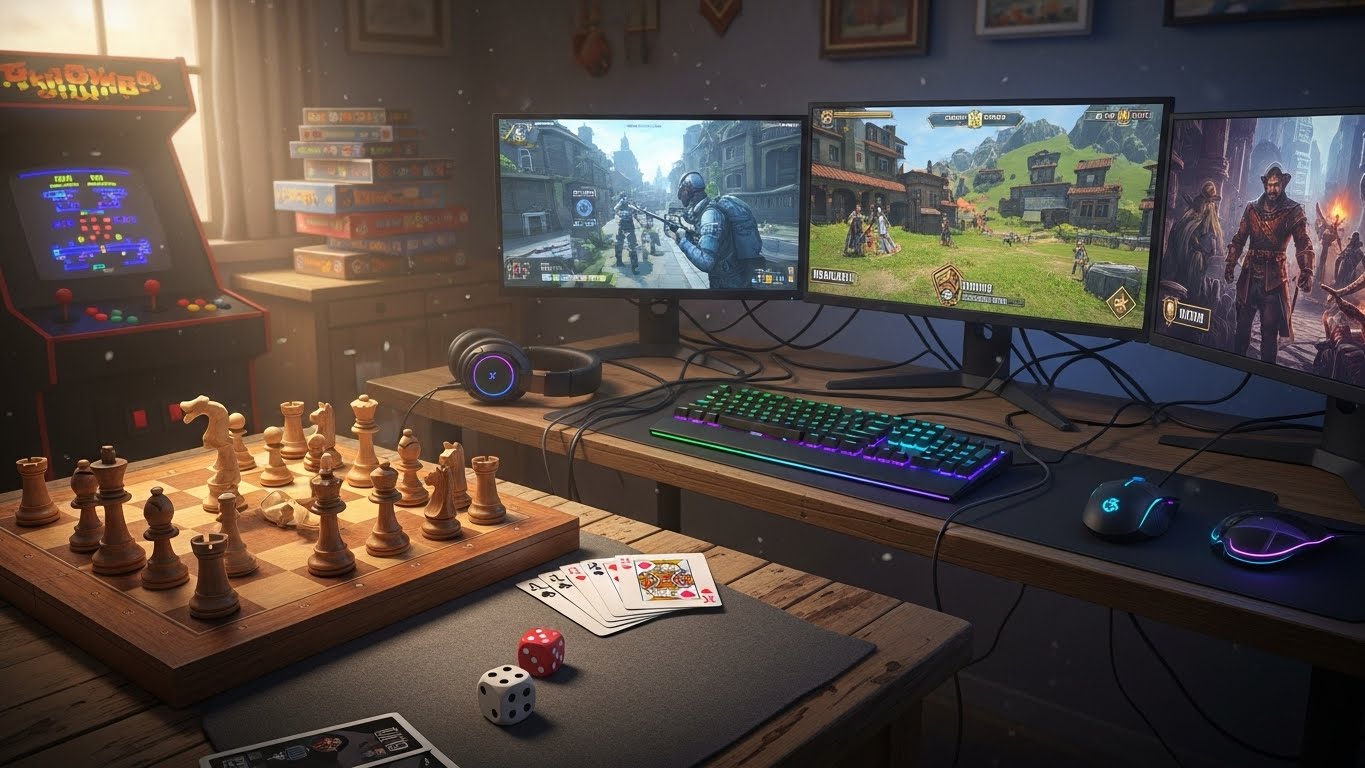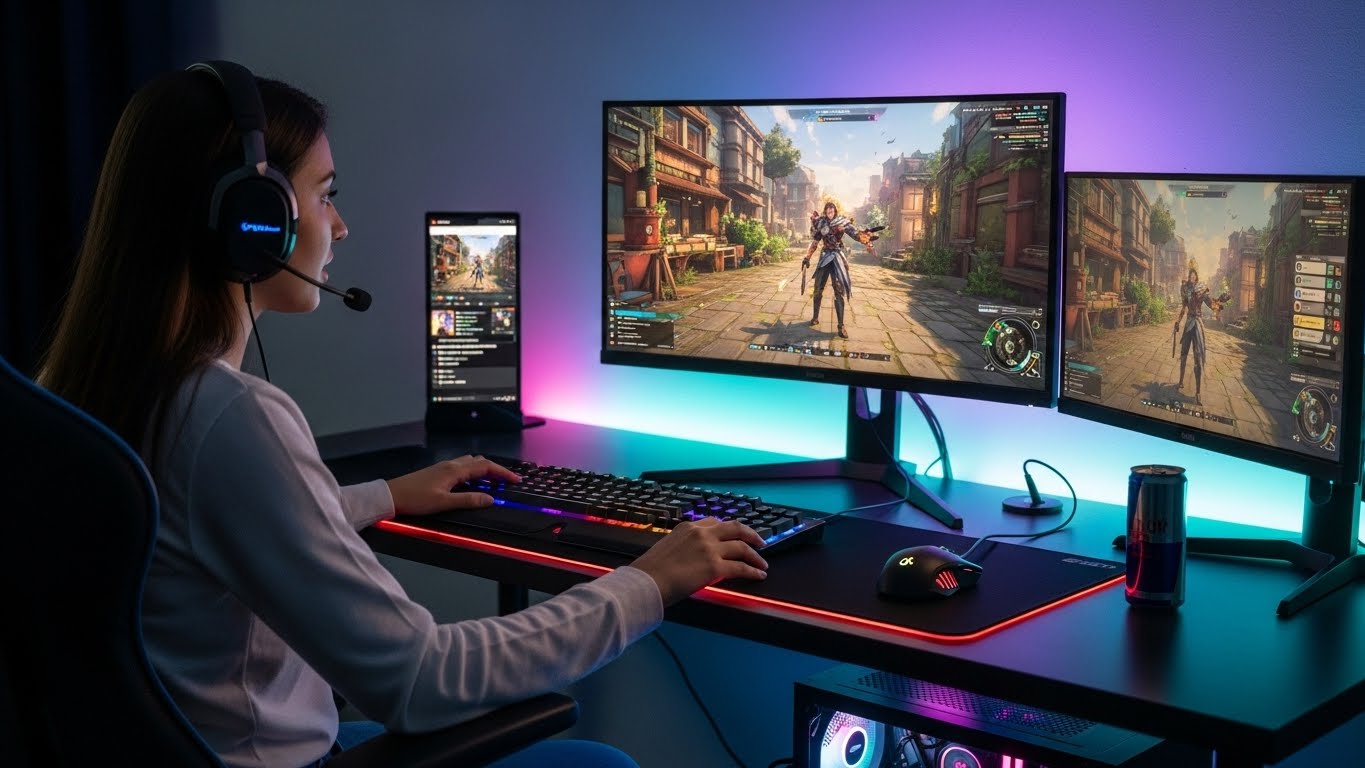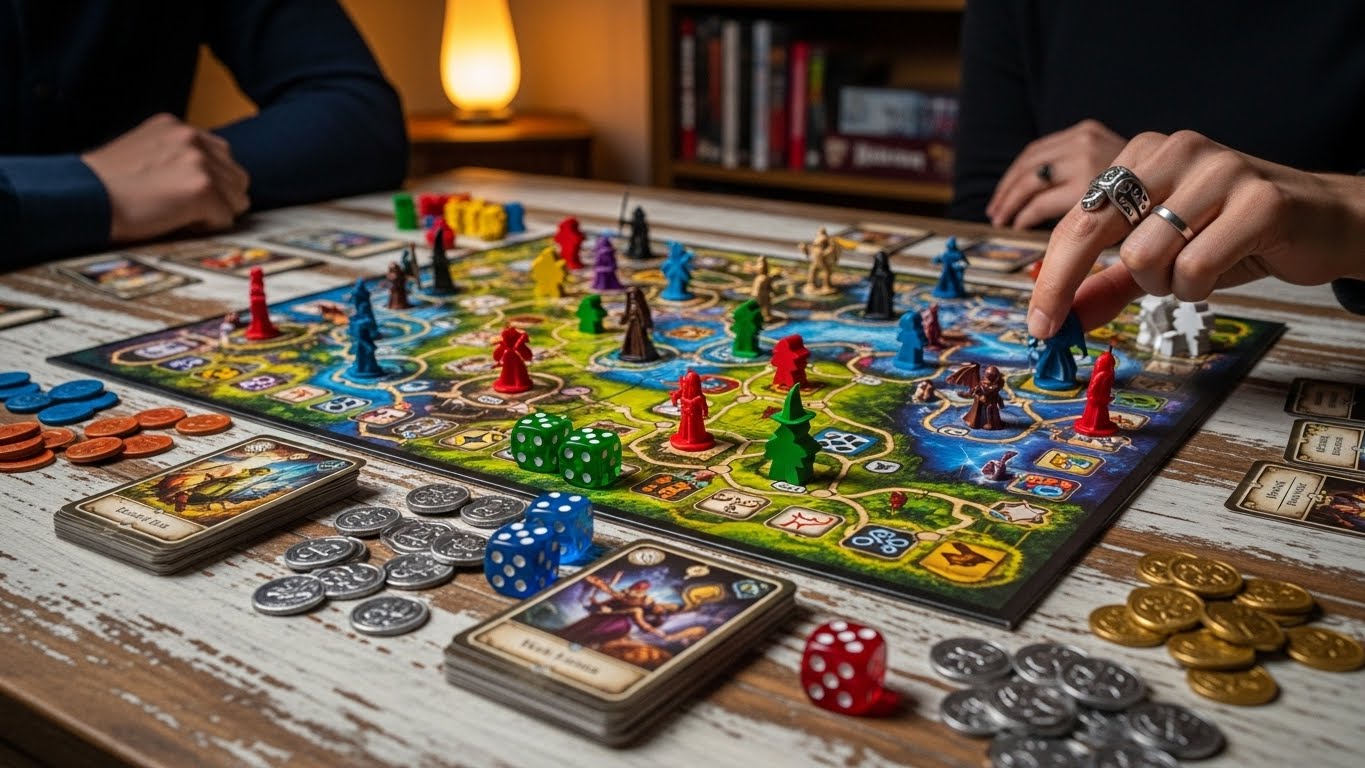

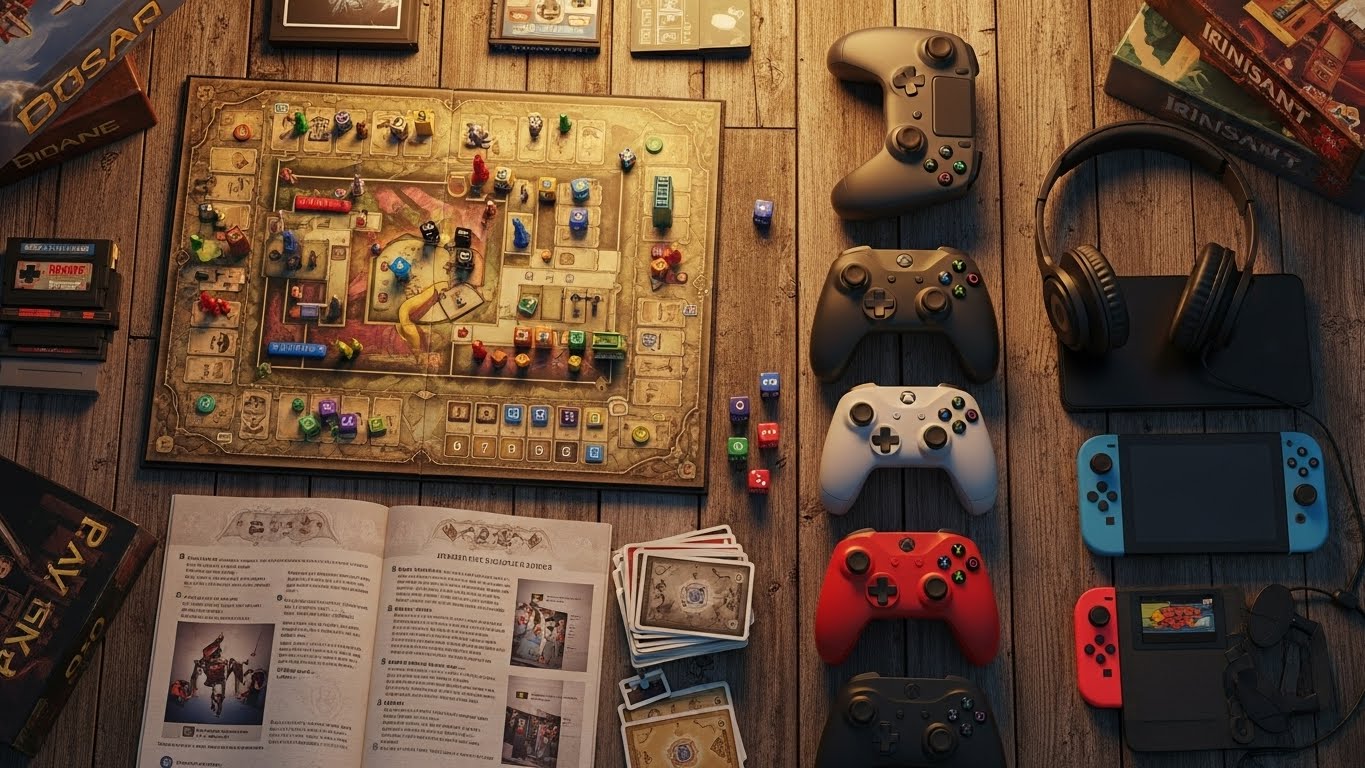
The world of gaming has transformed drastically over the past few decades. What began as a simple form of recreation has grown into a global industry that influences technology, entertainment, social interaction, and even education. Games are no longer limited to arcades or consoles; they have expanded to mobile devices, cloud platforms, virtual reality, and online multiplayer ecosystems. They cater to a diverse audience ranging from casual players to professional esports athletes. This blog post will explore the evolution of gaming, the variety of genres, the cultural impact of games, and the future of interactive entertainment.
The Evolution of Gaming: From Arcades to Immersive Experiences
Gaming’s journey started with basic electronic games that provided simple visual feedback. In the 1970s and 1980s, arcade machines like Pong, Pac-Man, and Space Invaders captured the imagination of players worldwide. These early games were easy to understand, competitive, and highly addictive, establishing a foundation for the gaming culture that followed.
The introduction of home consoles, such as the Atari 2600 and Nintendo Entertainment System, allowed players to bring the arcade experience home. Games started to become more complex, with richer graphics and deeper narratives. By the 1990s, the gaming industry experienced a revolution with 3D graphics and CD-ROM-based games, bringing titles like Final Fantasy VII and Tomb Raider into mainstream popularity.
The 2000s introduced online multiplayer gaming, which connected players across the globe. Games like World of Warcraft and Counter-Strike made online collaboration and competition central to the gaming experience. Today, gaming has evolved further with advanced graphics engines, immersive virtual reality, and cloud gaming, providing experiences that blur the lines between reality and digital worlds.
Popular Game Genres and Their Unique Appeal
One of the most compelling aspects of gaming is the wide variety of genres, each offering unique experiences and challenges. Understanding these genres helps players choose games that match their interests and preferences.
Action Games
Action games are fast-paced and typically involve combat, exploration, and quick reflexes. Players engage in missions, fight enemies, and navigate challenging environments. These games are appealing because they combine adrenaline-fueled gameplay with skill development. Iconic action titles include God of War, Assassin’s Creed, and Devil May Cry.
Role-Playing Games (RPGs)
RPGs allow players to immerse themselves in a narrative-driven world, controlling a character or party through quests and storylines. RPGs focus on character progression, skill development, and strategic decision-making. Popular RPGs include The Witcher 3: Wild Hunt, Final Fantasy, and Skyrim. These games excel at world-building, allowing players to explore vast landscapes and make choices that influence the story.
First-Person Shooters (FPS)
FPS games place the player directly in the perspective of the protagonist, emphasizing precision, strategy, and reflexes. Multiplayer FPS games have created competitive communities and esports tournaments. Titles like Call of Duty, Overwatch, and Counter-Strike: Global Offensive dominate this genre, offering intense gameplay and global competition.
Strategy Games
Strategy games test players’ decision-making and planning skills. Players manage resources, command armies, or control entire civilizations. Real-time strategy games like StarCraft and turn-based strategy games like Civilization challenge players to think critically and plan for long-term success. These games are highly engaging because they reward foresight and careful management.
Simulation Games
Simulation games recreate real-world experiences in a controlled environment. They range from managing a farm in Stardew Valley to building cities in SimCity or living virtual lives in The Sims. Simulation games appeal to players who enjoy creativity, problem-solving, and control over their virtual world.
Sports and Racing Games
Sports and racing games simulate real-world competition, giving players control over athletes, vehicles, or teams. These games appeal to fans of traditional sports and adrenaline-fueled racing. Popular examples include FIFA, NBA 2K, and Gran Turismo. Multiplayer modes also enable competitive gameplay with friends and online opponents.
Puzzle and Indie Games
Puzzle games challenge players’ problem-solving skills and logical thinking. Games like Tetris, Portal, and The Witness require patience and creativity. Indie games, often developed by smaller studios, bring innovative ideas to the gaming world. Titles like Hollow Knight and Celeste provide unique narratives and mechanics that mainstream games may not explore.
The Social Impact of Gaming
Gaming has become a social phenomenon. Multiplayer games allow players to interact and collaborate with others worldwide, creating virtual communities and friendships. Online platforms and gaming networks enable voice chat, team play, and social events, making gaming a shared experience.
Esports is another example of gaming’s social impact. Professional competitive gaming has grown into a billion-dollar industry with tournaments watched by millions globally. Titles such as League of Legends, Dota 2, and Fortnite have professional leagues, live-streamed competitions, and dedicated fan bases, bringing gaming into mainstream culture alongside traditional sports.
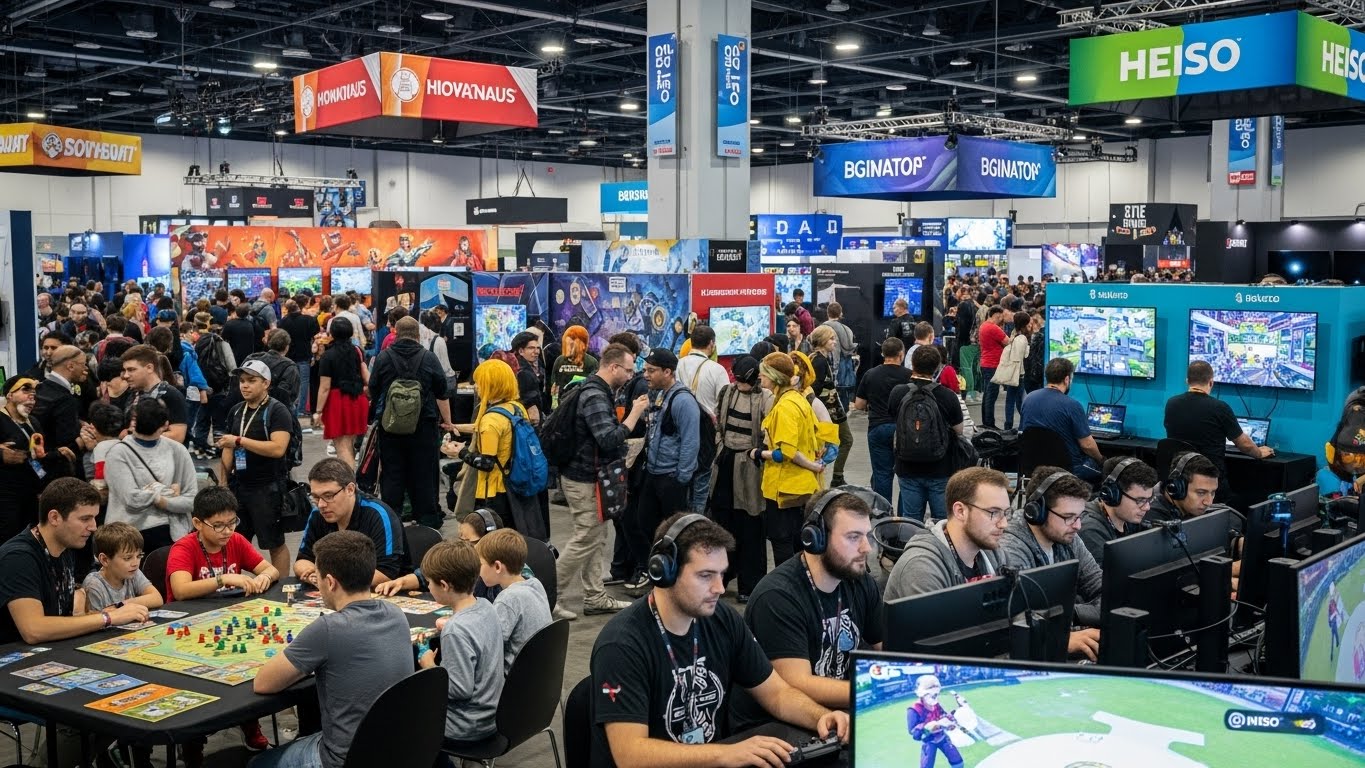
Moreover, gaming has influenced popular culture, with references appearing in movies, music, and literature. Gaming conventions and fan gatherings celebrate the industry and provide spaces for players to connect, exchange ideas, and celebrate their shared passion.
Educational and Therapeutic Benefits of Games
Beyond entertainment, video games have demonstrated educational and therapeutic potential. Educational games engage students in interactive learning, making subjects like history, science, and math more approachable. Games like Minecraft Education Edition are used in classrooms to teach collaboration, problem-solving, and creativity.
Therapeutically, games can help improve cognitive skills, reduce stress, and aid in rehabilitation. Certain games enhance memory, hand-eye coordination, and strategic thinking. Gamification of therapy has become a growing field, using interactive experiences to motivate patients during recovery processes.
Technological Innovations Driving the Future of Gaming
Gaming continues to evolve alongside technology, offering increasingly immersive experiences. Virtual reality (VR) and augmented reality (AR) allow players to step directly into the game world. VR headsets enable full immersion, while AR overlays game elements onto the real world, creating new ways to interact with digital content.
Cloud gaming is another major development. By streaming games directly to devices, players can access high-quality games without expensive hardware. This makes gaming more accessible and convenient, breaking down barriers for entry.
Artificial intelligence (AI) is also enhancing gameplay. AI-driven non-playable characters (NPCs) adapt to players’ actions, providing dynamic challenges and a more realistic experience. Procedural generation powered by AI can create vast, unique game worlds that evolve with player interaction.
Challenges and Controversies in Gaming
Despite its positive impact, gaming faces several challenges and controversies. Concerns about addiction, excessive screen time, and the potential negative effects on mental health are frequently discussed. Parents and educators often debate the balance between gaming and other life activities, emphasizing the need for responsible play.
The portrayal of violence, gender, and social stereotypes in some games has also drawn criticism. Developers are increasingly addressing these issues, promoting inclusivity, and creating games with diverse narratives and characters. Regulation and age-appropriate content guidelines are essential to ensure a safe and positive gaming environment.
The Future of Gaming
The future of gaming is full of potential. With technological advancements, players can expect more immersive, interactive, and socially connected experiences. Virtual and augmented reality, AI-driven content, cloud gaming, and cross-platform play will continue to redefine how games are created and played.
Gaming will also continue to influence culture, education, and social interaction. As the industry grows, it will likely become more integrated into daily life, shaping entertainment, storytelling, and even professional careers.
Conclusion
Video games have come a long way from simple pixels and arcade cabinets to complex, immersive experiences that engage millions worldwide. They are more than just entertainment; they are tools for social connection, creativity, education, and even therapy. With diverse genres, technological innovations, and a growing cultural impact, gaming has become a cornerstone of modern digital life. Whether you enjoy action-packed adventures, thoughtful strategy, or relaxing simulations, the world of gaming offers something for everyone. The journey of gaming is far from over, and its future promises to be as exciting and dynamic as its past.