
Introduction
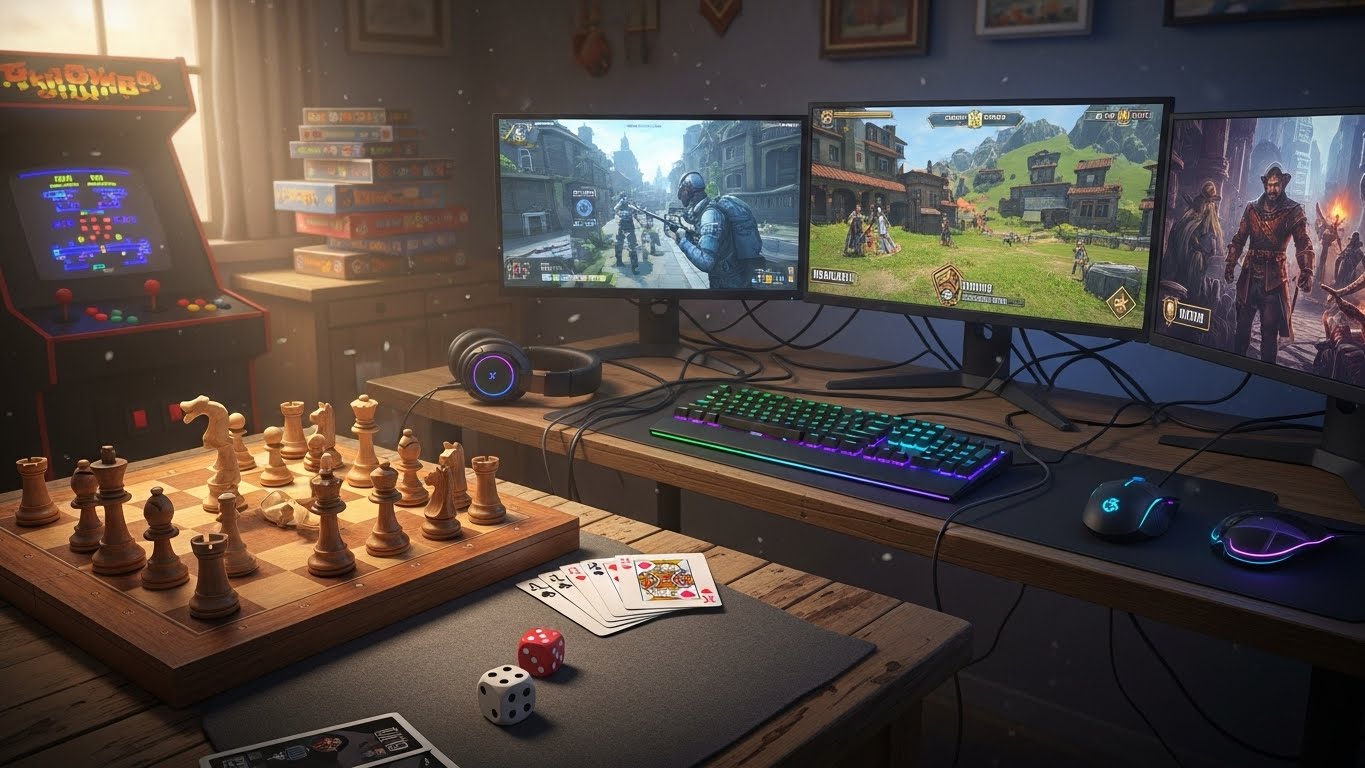
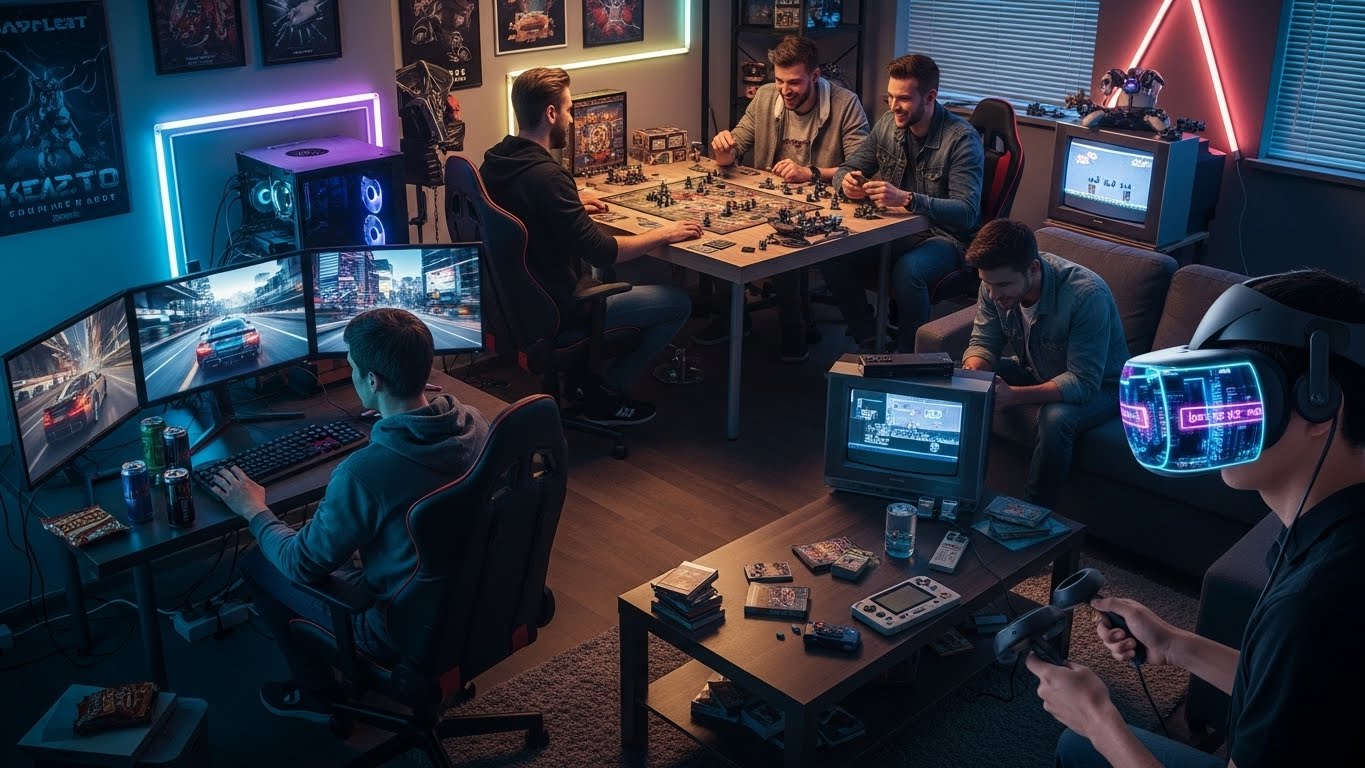
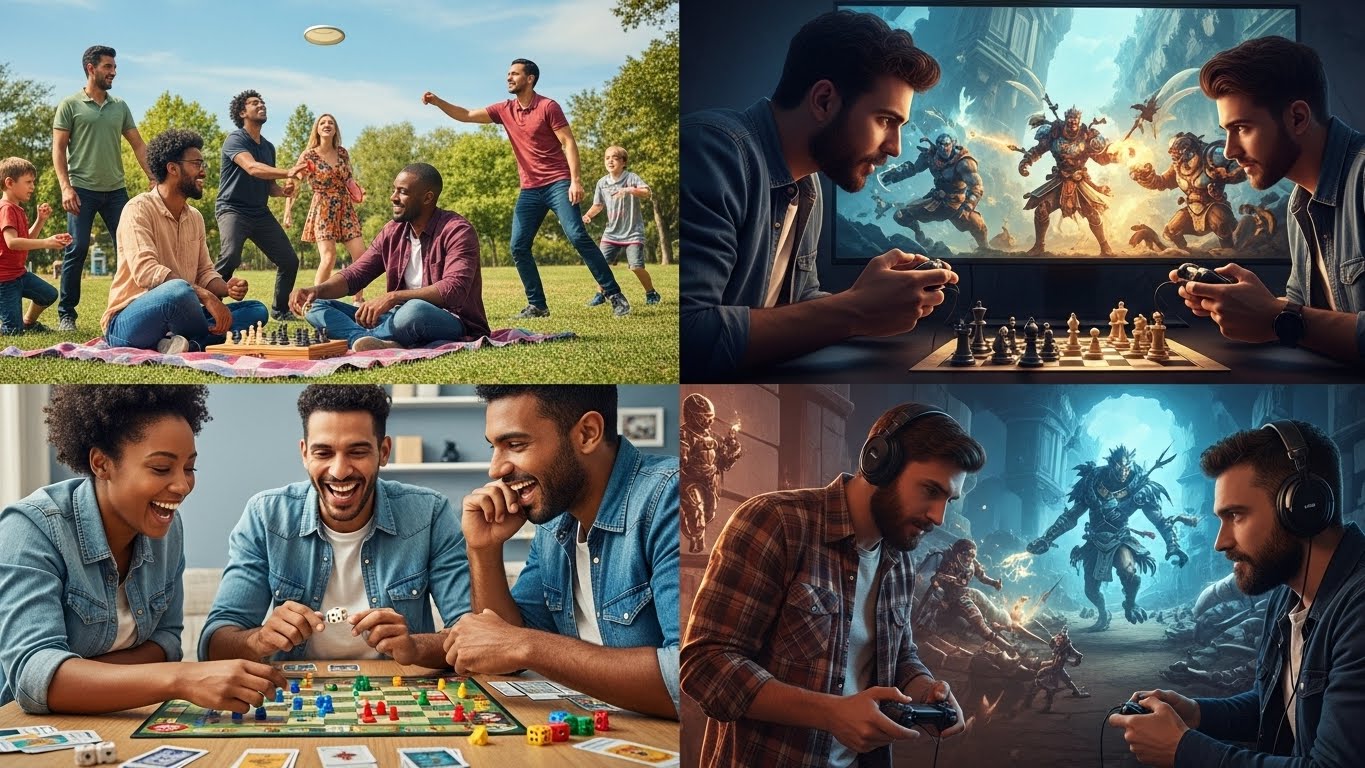
Gaming, once considered a niche pastime, has transformed into a global powerhouse that influences culture, technology, and social interactions. Whether it’s casual mobile games, immersive role-playing games (RPGs), or competitive esports, games today have a profound impact on millions of people across the globe. The evolution of games—from traditional board games to modern virtual worlds—reflects changes in society, advancements in technology, and shifts in how we connect with each other. This blog post takes a deep dive into the world of gaming, exploring its history, evolution, cultural impact, and the future of this multifaceted industry.
The Beginnings of Games: Ancient Fun and Strategy
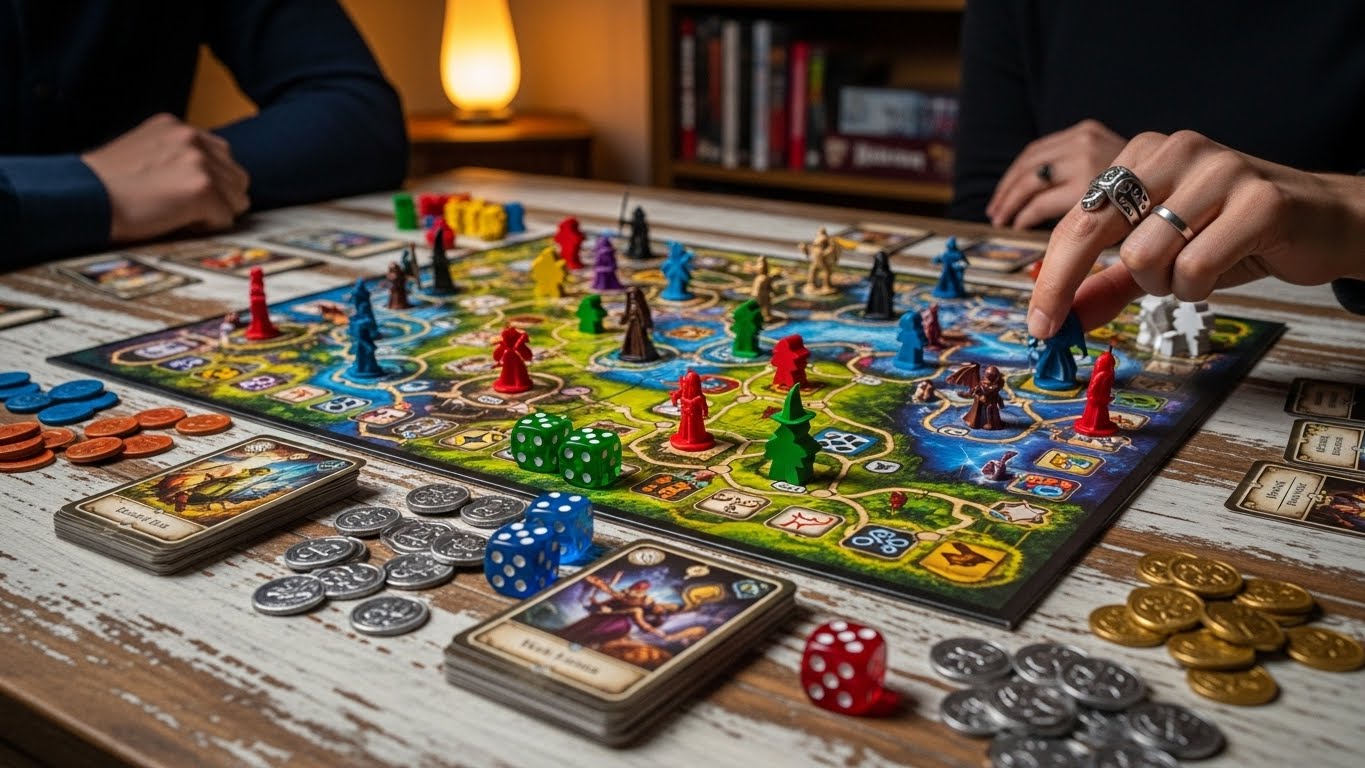
The concept of gaming dates back to ancient civilizations. Archaeological evidence shows that games have been a part of human life for thousands of years, offering not just entertainment, but also opportunities for socializing, intellectual challenge, and even spiritual rituals. Games like Senet, found in ancient Egypt, were used both as entertainment and to engage the mind. Similarly, the game of Go in ancient China involved deep strategic thought and became an integral part of the culture.
As societies developed, games continued to evolve, not just as entertainment but as tools for education, military strategy, and socializing. Chess, which originated in India around the 6th century, became a game of kings and intellectuals, emphasizing strategy and foresight. These early games laid the groundwork for the more complex and interactive forms of entertainment that would follow.
The Rise of Video Games: From Arcades to Home Consoles
The 20th century brought about the birth of modern video games. The first video game, “Tennis for Two,” was created in 1958, followed by the popular arcade game “Pong” in the early 1970s. These early games, though simple by today’s standards, sparked the imagination of millions. The arcade gaming era exploded in the 1980s, with iconic games like Pac-Man, Space Invaders, and Donkey Kong drawing crowds to arcades around the world. This era marked the beginning of the gaming industry as we know it today.
Home consoles like the Atari 2600 and later the Nintendo Entertainment System (NES) played a pivotal role in bringing gaming into the living rooms of millions of households. Games like “Super Mario Bros.,” “The Legend of Zelda,” and “Tetris” not only changed the entertainment landscape but also became cultural phenomena. These early home consoles established gaming as a mainstream hobby, opening the door for future generations of gamers.
The Evolution of Gaming Graphics and Technology
As technology advanced, so did the graphics and capabilities of video games. The 1990s ushered in the era of 3D graphics with consoles like the Sony PlayStation and the Nintendo 64. Games such as “Super Mario 64” and “Final Fantasy VII” showcased the potential of 3D environments, offering players a more immersive and visually stunning gaming experience.
The introduction of the internet also revolutionized gaming. Online multiplayer games like “Warcraft” and “Counter-Strike” allowed players to connect with each other in real-time, opening up new opportunities for socializing, competition, and collaboration. This shift not only transformed how games were played but also how they were created. Game developers began to focus on crafting expansive worlds, intricate storylines, and multiplayer modes that could engage a global audience.
The Rise of Mobile Gaming: Accessibility for All
The 21st century brought a new wave of gaming through mobile platforms. The introduction of smartphones with powerful processing capabilities made gaming more accessible than ever. Mobile games like “Angry Birds,” “Candy Crush Saga,” and “Clash of Clans” became global phenomena, offering players a quick and easy way to engage with games on the go.
The beauty of mobile gaming lies in its accessibility. No longer did gamers need to invest in expensive consoles or PCs; all they needed was a smartphone. This democratization of gaming allowed people of all ages and backgrounds to enjoy games, regardless of their location or financial situation. Mobile gaming has become an essential part of daily life for millions of people, with simple but addictive games filling the gaps of free time throughout the day.
Online Gaming and the Birth of Esports
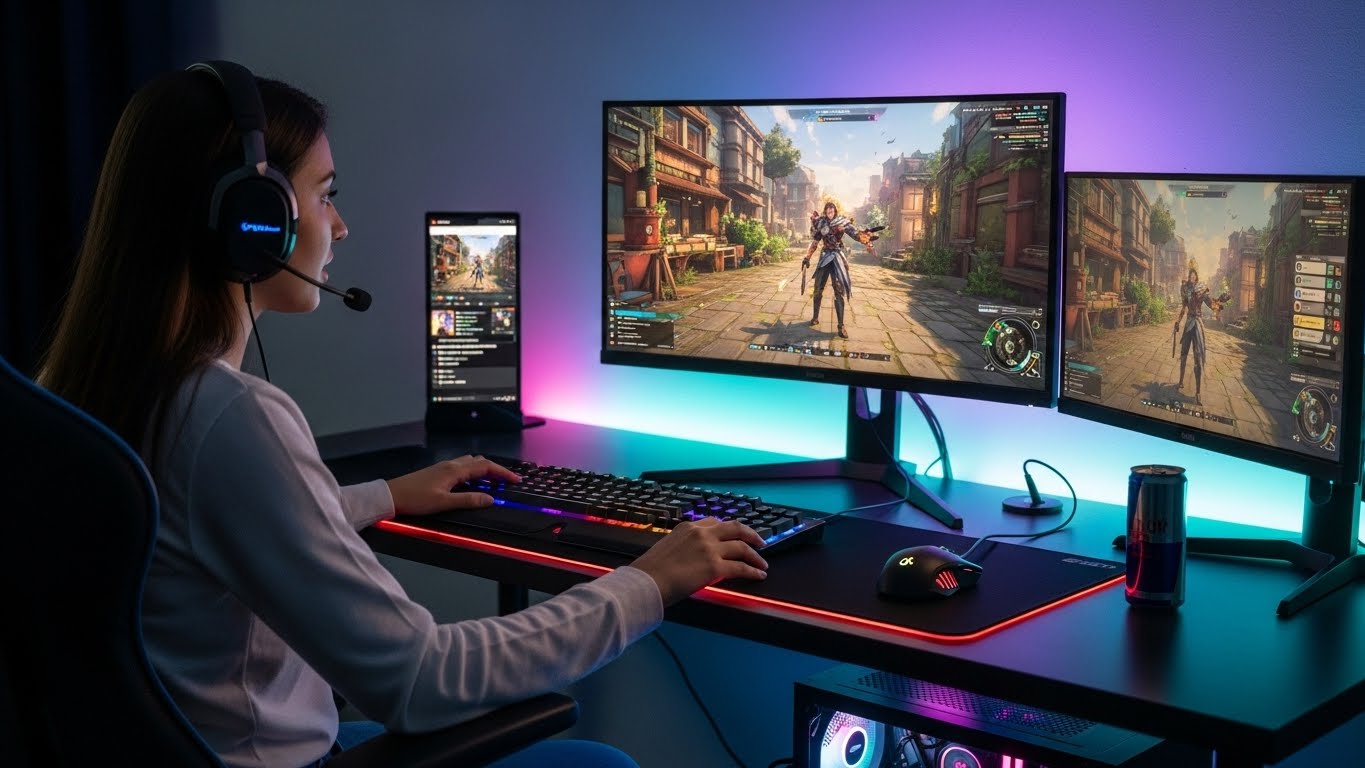
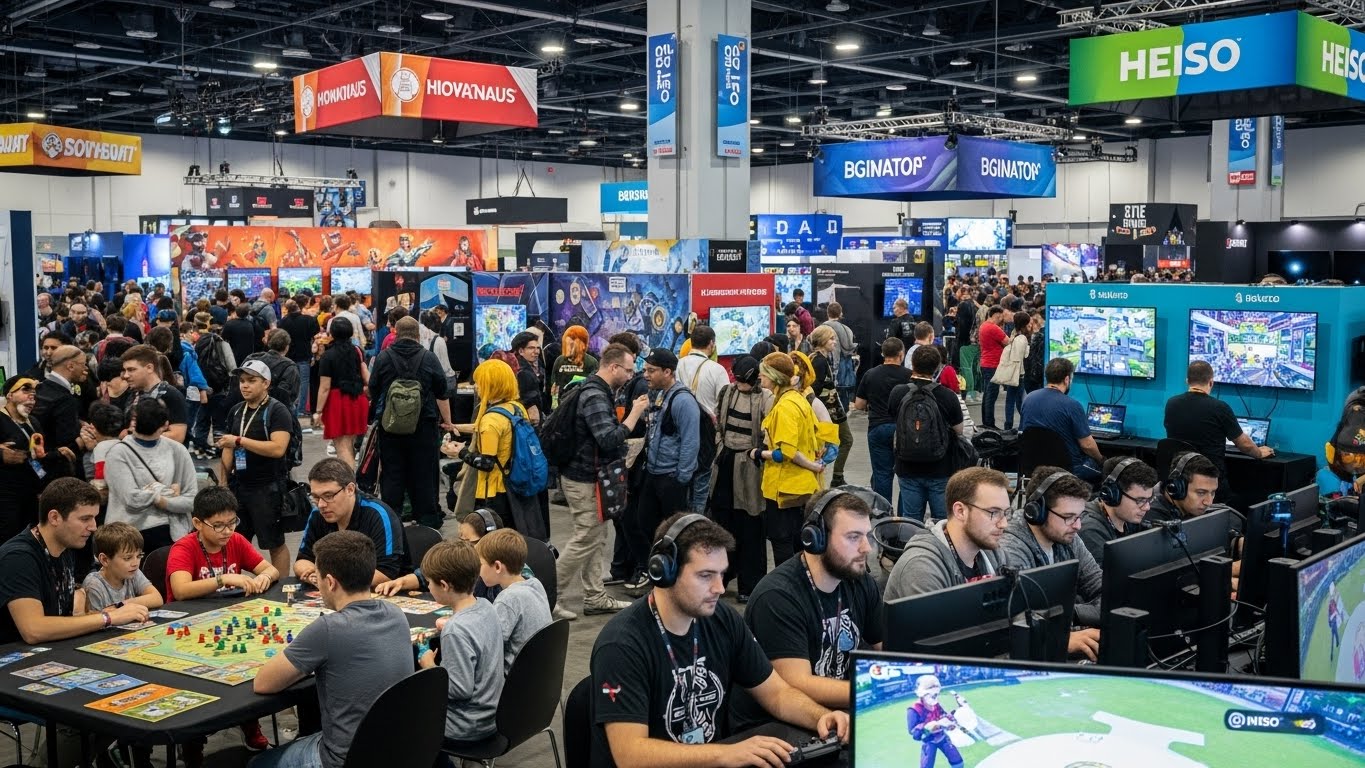
As the internet grew more widespread, online multiplayer gaming evolved into a massive global industry. The rise of esports, in particular, turned gaming into a professional sport, with organized tournaments, sponsorships, and large cash prizes. Games like “League of Legends,” “Dota 2,” and “Counter-Strike: Global Offensive” paved the way for competitive gaming, bringing together top players from around the world to compete at the highest levels.
Esports has become a legitimate career for many professional gamers, with major tournaments attracting millions of viewers and large sponsorship deals. The popularity of esports has turned gaming into a spectator sport, akin to traditional sports like football and basketball. Streaming platforms like Twitch and YouTube have further fueled this trend, allowing fans to watch live competitions and interact with their favorite players in real-time.
Virtual Reality (VR) and Augmented Reality (AR): A New Dimension
In recent years, the rise of virtual reality (VR) and augmented reality (AR) has added a new dimension to gaming. VR games immerse players in fully realized 3D worlds where they can interact with their environment and characters as if they were physically there. With the development of VR headsets like Oculus Rift and PlayStation VR, players can experience gaming in ways that were once thought to be the stuff of science fiction.
Augmented reality games, on the other hand, merge the digital world with the real one. Games like “Pokémon GO” and “Ingress” encourage players to explore their physical surroundings while interacting with virtual objects. AR gaming adds an extra layer of immersion by incorporating real-world elements into the gameplay, making the experience feel more tangible and interactive.
The integration of VR and AR in gaming has opened up exciting possibilities for game developers. In the future, we may see even more realistic, interactive, and immersive experiences that blend the digital and physical worlds.
The Psychological Benefits and Challenges of Gaming
While gaming is often viewed as a form of entertainment, it also has significant psychological benefits. Games, especially those that require strategy, critical thinking, and problem-solving, can improve cognitive abilities. Games like “Chess” or “Sudoku” challenge the brain, enhancing memory, focus, and logical reasoning. Action games, such as “Call of Duty” or “Fortnite,” can improve hand-eye coordination and reaction time, which can translate into real-world benefits.
Moreover, gaming can be a social activity, fostering collaboration and teamwork. Multiplayer games encourage communication and cooperation, helping players develop social skills and build relationships. Online communities allow players to connect with others who share their interests, creating a sense of belonging and camaraderie.
However, gaming also has its challenges. Video game addiction is a growing concern, with some players spending excessive amounts of time immersed in virtual worlds. This can lead to physical and mental health issues, including eye strain, poor posture, and social isolation. It is essential for players to maintain a balance between gaming and other aspects of their lives to avoid the negative effects of excessive screen time.
The Future of Gaming: Innovation and Endless Possibilities
The future of gaming is incredibly exciting, with new technologies and innovations on the horizon. Cloud gaming, for example, will allow players to stream high-quality games without the need for powerful hardware. This will make gaming more accessible and affordable for a broader audience. Advances in artificial intelligence (AI) will continue to improve the gaming experience, making non-playable characters (NPCs) more realistic and responsive.
Moreover, the ongoing development of VR and AR will push the boundaries of immersive gameplay even further. As these technologies become more refined and accessible, players will be able to experience fully interactive worlds that feel more real than ever before.
The integration of blockchain technology and non-fungible tokens (NFTs) is also set to disrupt the gaming industry. With blockchain, players can have true ownership of in-game assets, such as skins, items, and characters, which can be bought, sold, and traded across different games. This could create a new economy within the gaming world, offering players the opportunity to profit from their digital possessions.
Conclusion: Gaming as an Art Form and Cultural Force
Gaming has come a long way from its humble beginnings. From simple board games to complex virtual realities, games have become a central part of our entertainment, culture, and social lives. The evolution of gaming reflects the advancements in technology, the changing dynamics of society, and the creativity of game developers.
As gaming continues to evolve, it will likely become even more immersive, interactive, and socially connected. Whether it’s through VR, AR, or cloud gaming, the future of gaming promises to be more exciting than ever before. With the potential for gaming to foster collaboration, education, and artistic expression, it’s clear that games will continue to shape the way we interact with the world and with each other.
In the end, gaming is more than just play—it’s a powerful medium for storytelling, creativity, and human connection. As we look to the future, it’s thrilling to imagine where this ever-evolving industry will take us next.