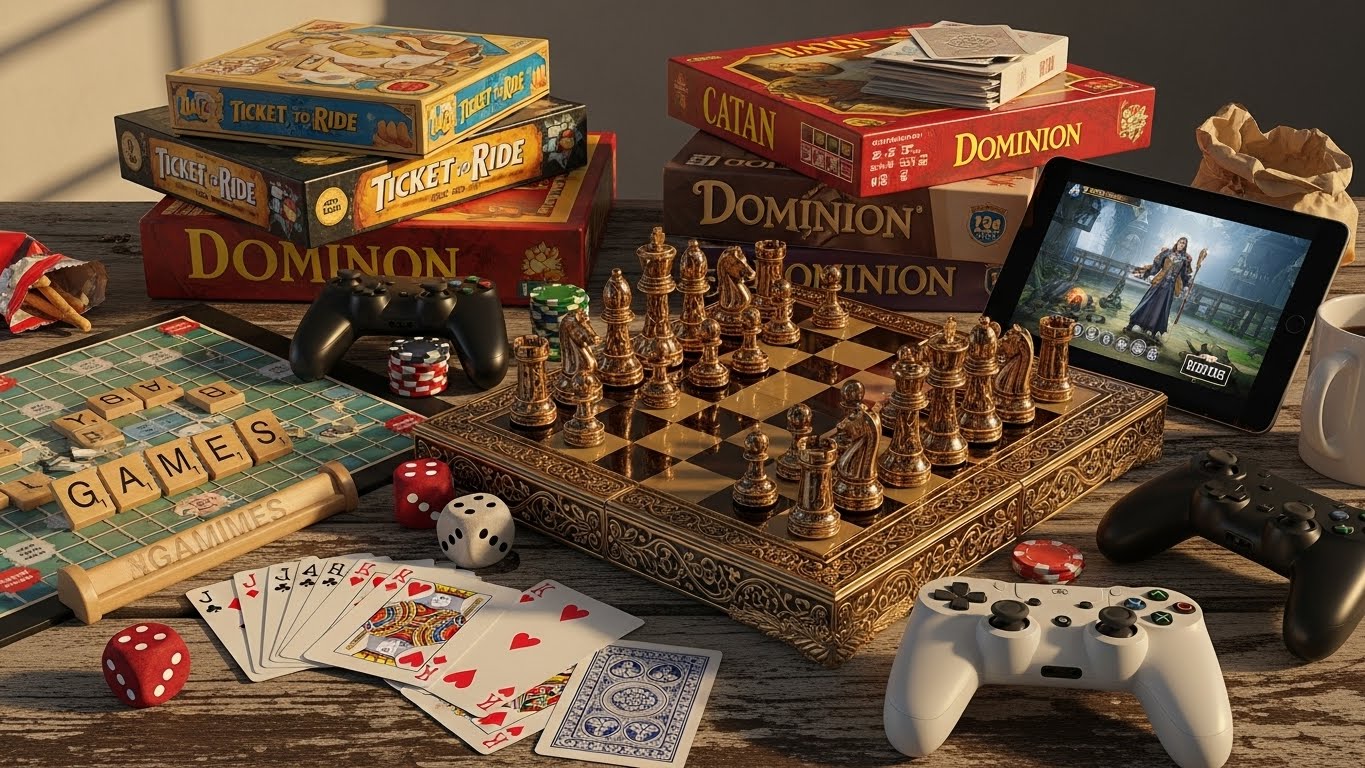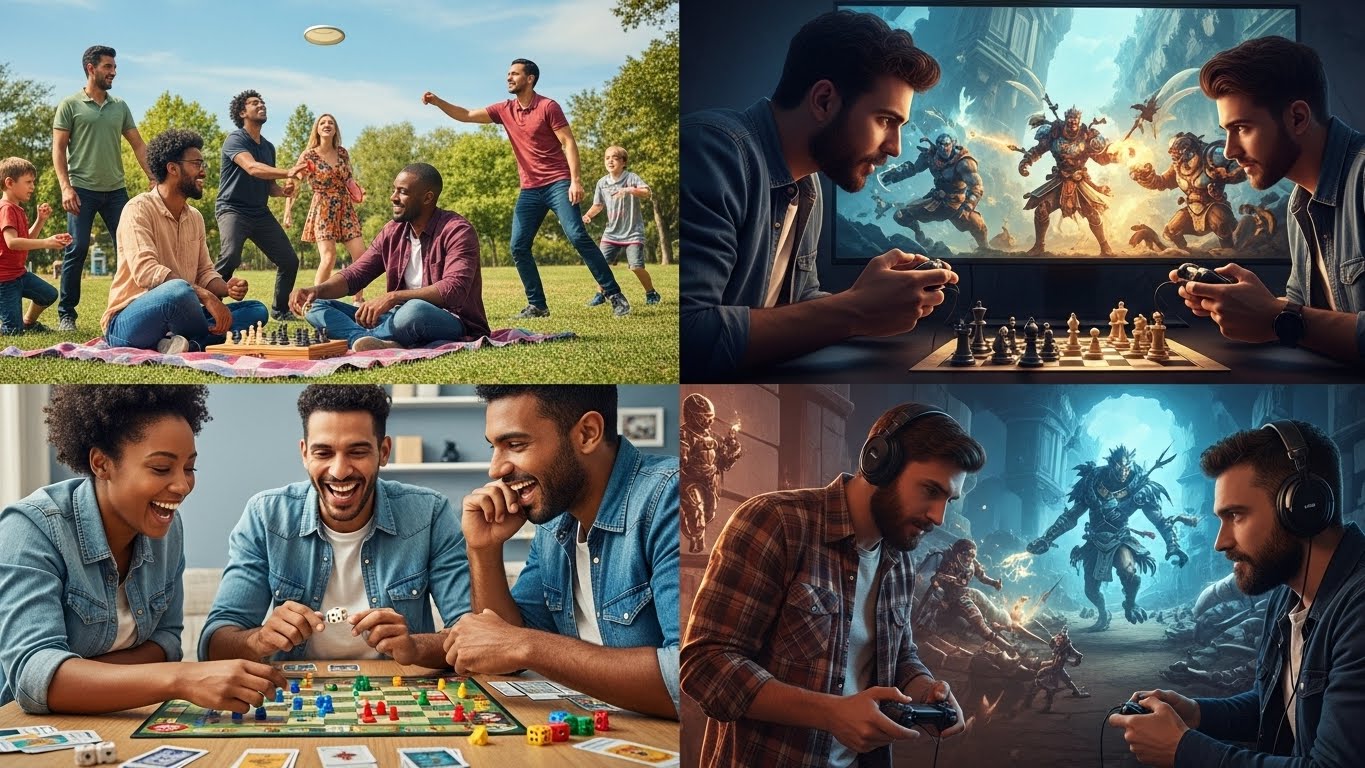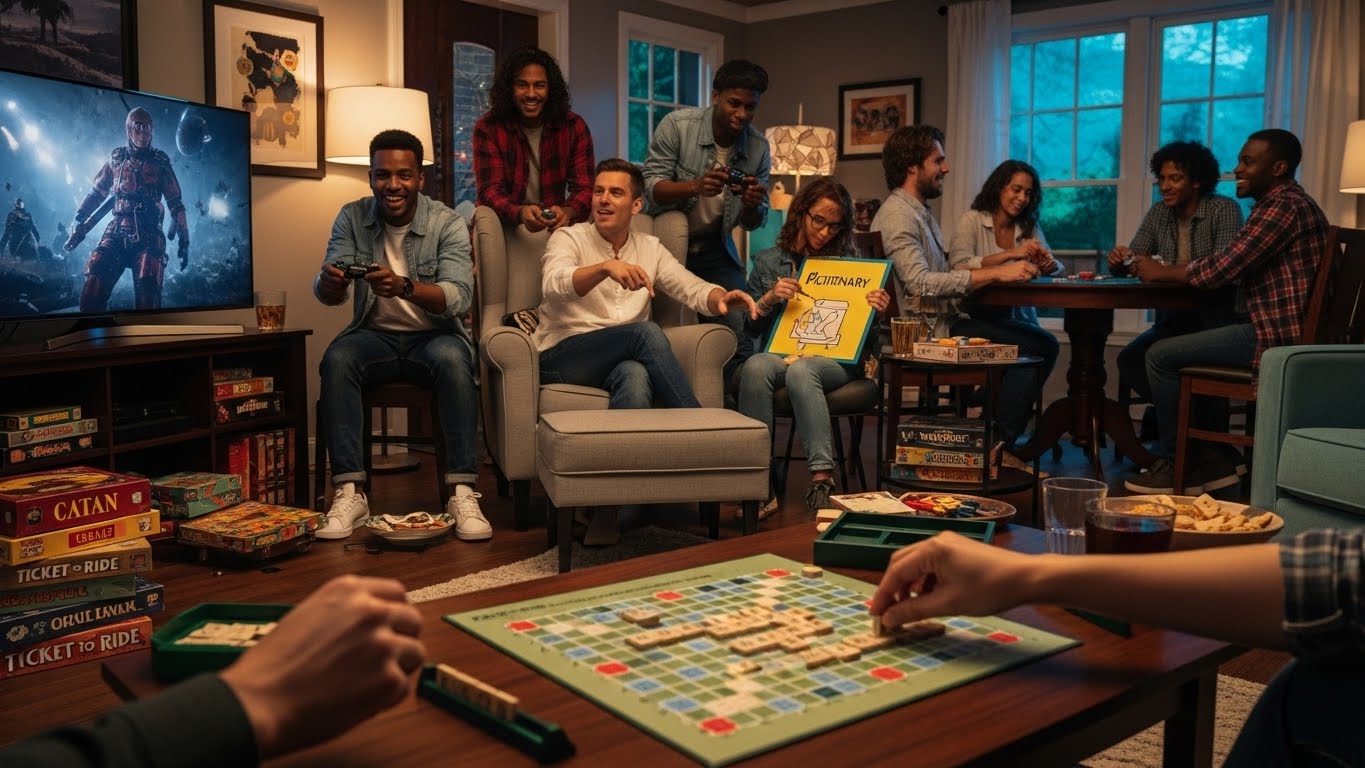


Games have always been more than just a form of entertainment. They are a reflection of human imagination, creativity, and the desire for challenge and connection. From the ancient board games played in royal courts to the highly immersive digital worlds of today, games have shaped cultures, built communities, and provided a sense of joy and discovery for people of all ages. The evolution of gaming is a story of innovation, passion, and the endless pursuit of new ways to engage the human mind.
The Origins of Gaming
Long before consoles, screens, and digital avatars, games existed as social and cultural activities. The earliest known board game, Senet, dates back to ancient Egypt around 3100 BCE. This game was played on a grid of squares with simple rules, yet it held deep spiritual significance. Similarly, other civilizations developed their own forms of play — the Chinese played Go, the Indians created Chaturanga (the ancestor of chess), and the Greeks enjoyed athletic competitions that tested both skill and endurance.
Games in ancient societies were more than pastimes. They represented strategy, intellect, and sometimes even a link to the divine. Whether it was rolling dice made from animal bones or moving carved stones on a board, the act of playing allowed people to engage in safe competition and mental stimulation. These early forms of gaming laid the foundation for what would later become an industry worth billions of dollars worldwide.
The Rise of Modern Board and Card Games
As civilizations advanced, games evolved with them. By the Middle Ages, chess had spread across Europe and become a symbol of intellect and nobility. The Renaissance brought about new board games that encouraged creativity and education. The 19th century saw the birth of modern classics such as Monopoly, Scrabble, and Clue, each offering players a mix of strategy, luck, and social interaction.
Card games, too, gained immense popularity across continents. Poker, Bridge, and Blackjack became household names, providing players with both skill-based challenges and the thrill of chance. These games often brought people together in living rooms, cafes, and casinos, creating shared moments that transcended generations.
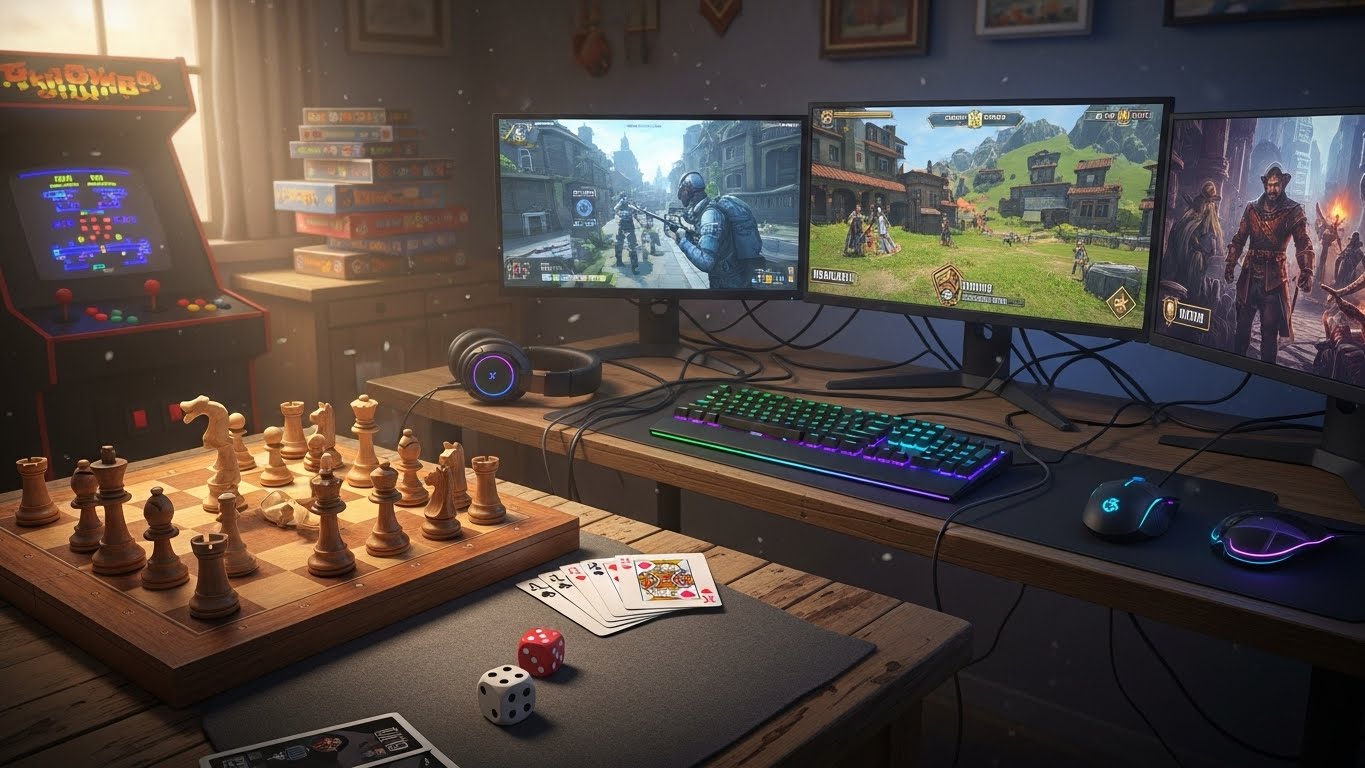
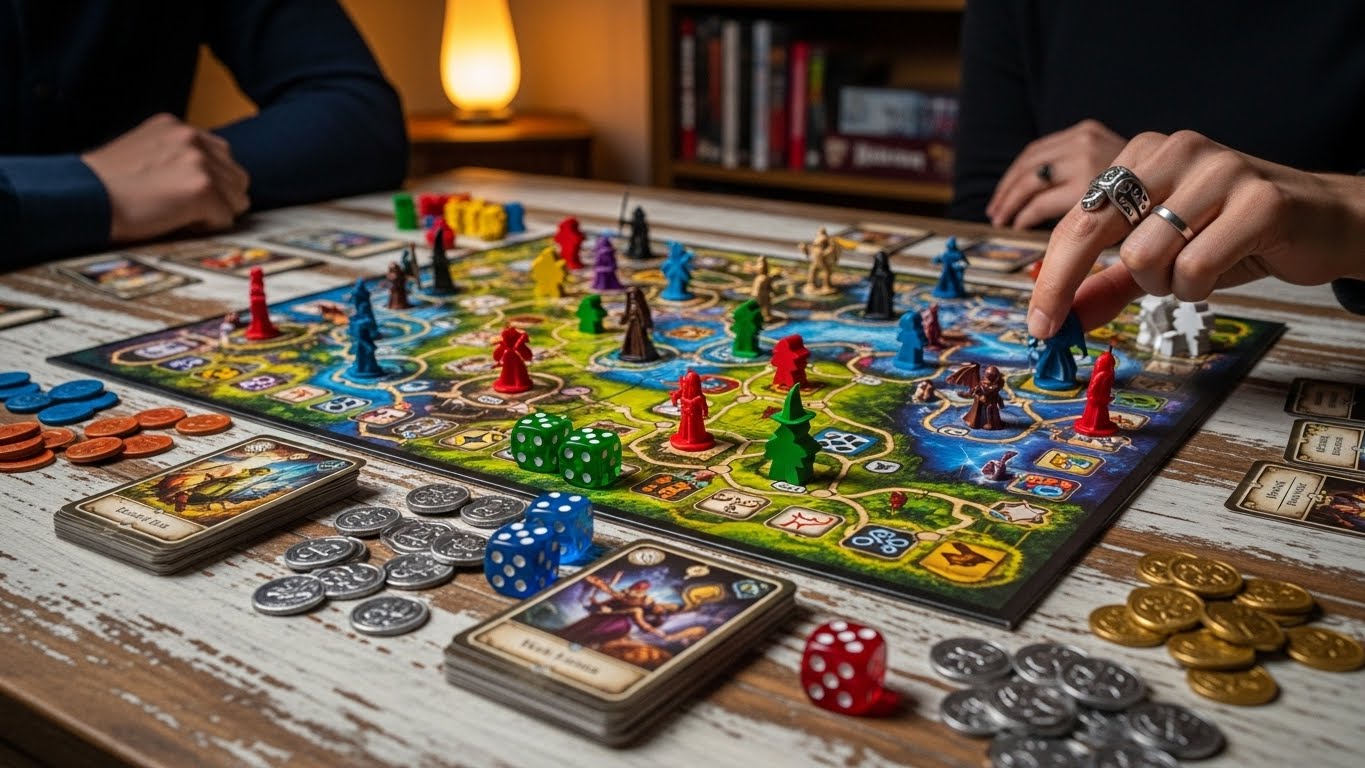
The tactile experience of holding cards or moving pieces across a board remains a unique form of connection. Even in today’s digital world, traditional board and card games have seen a resurgence as people seek real-world social experiences that balance their screen-heavy lives.
The Birth of Video Games
The mid-20th century marked a revolutionary era for gaming with the advent of electronic technology. In 1958, physicist William Higinbotham created “Tennis for Two,” one of the earliest electronic games. But it was the 1970s that truly ignited the video game revolution. “Pong,” developed by Atari, became a global phenomenon and introduced millions to the idea of interactive entertainment through screens.
Arcade machines soon followed, filling malls and entertainment centers with glowing screens and digital sounds. Titles like “Space Invaders,” “Pac-Man,” and “Donkey Kong” captured the imagination of a generation. These games were simple in graphics but rich in fun and challenge. Players competed for high scores, developed rivalries, and formed communities around the shared joy of gaming.
The home console era began with the introduction of systems like the Atari 2600 and later the Nintendo Entertainment System (NES). These machines brought gaming from arcades into living rooms, transforming it from a novelty into a daily form of entertainment. Characters like Mario, Link, and Sonic became cultural icons, representing the creative storytelling and innovative design that defined early gaming.
The Golden Age of Console and PC Gaming
The late 1980s and 1990s are often considered the golden age of gaming. Developers experimented with 3D graphics, open worlds, and deeper narratives. The Super Nintendo and Sega Genesis gave players experiences like “The Legend of Zelda,” “Street Fighter,” and “Sonic the Hedgehog.” Meanwhile, personal computers opened new frontiers with titles such as “Doom,” “Myst,” and “SimCity,” offering more complex gameplay and creative freedom.
This period also marked the rise of gaming as an art form. Game design began to blend storytelling, music, and visual creativity in unprecedented ways. The industry started to attract not only programmers but also writers, artists, and composers, creating a new kind of collaborative art. Players were no longer just reacting to pixels on a screen; they were being drawn into rich worlds with emotional depth and moral complexity.
The Online Revolution
The rise of the internet in the late 1990s and early 2000s changed gaming forever. Multiplayer experiences moved from local setups to global networks, allowing people to play together regardless of geography. Titles like “Counter-Strike,” “World of Warcraft,” and “Runescape” defined this era, introducing players to vast online communities where cooperation, competition, and communication were key.
Online gaming created new forms of social interaction. Gamers could now form friendships across continents, join clans or guilds, and participate in large-scale events that blurred the line between the virtual and real worlds. This era also gave birth to esports — competitive gaming as a spectator sport — which has grown into a global phenomenon with professional players, coaches, and massive tournaments.
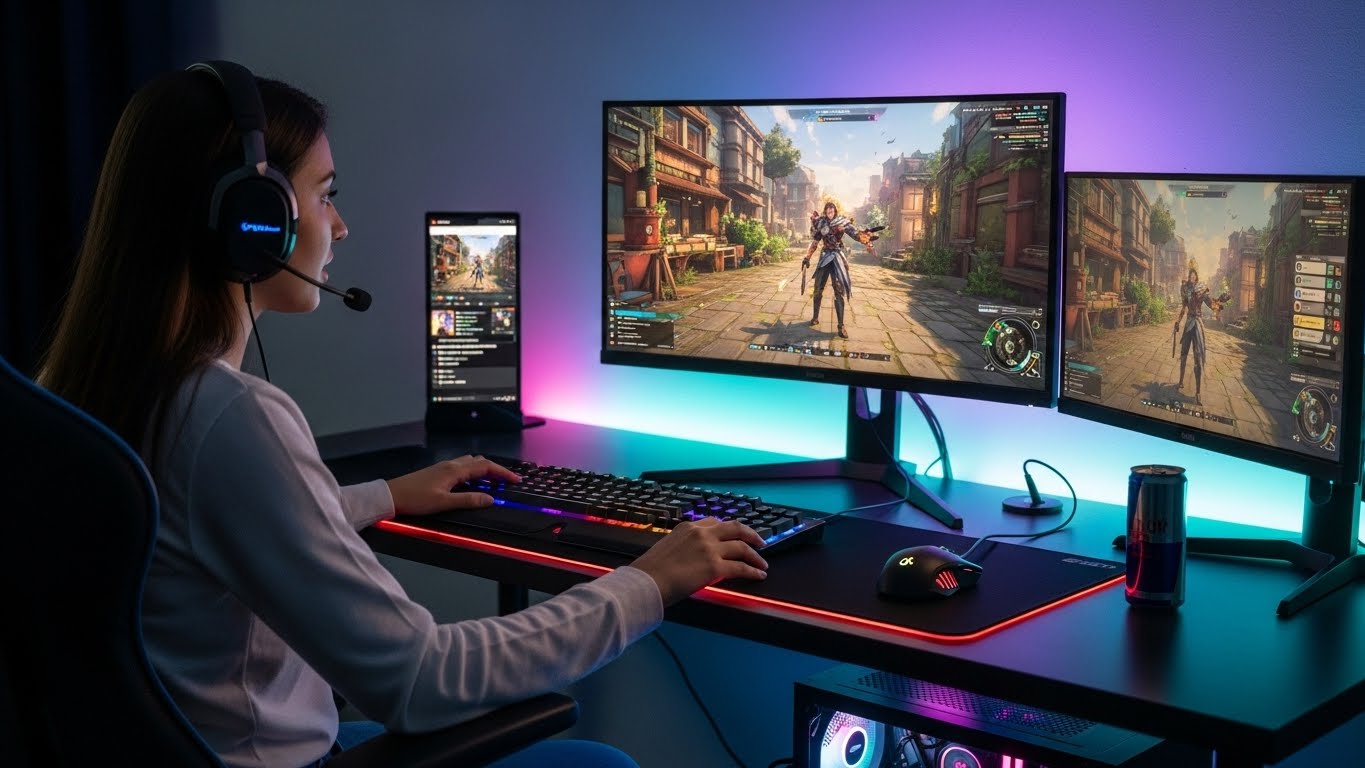
Streaming platforms and video-sharing sites further expanded the gaming culture. Players became entertainers, influencers, and educators, reaching millions of viewers. Watching games became as popular as playing them, creating a whole new ecosystem of content and community.
The Era of Mobile Gaming
When smartphones emerged in the late 2000s, gaming became more accessible than ever. Games like “Angry Birds,” “Candy Crush,” and “Clash of Clans” reached audiences who had never considered themselves gamers before. The convenience of mobile play allowed people to enjoy games anytime, anywhere — on the bus, during breaks, or before bed.
Mobile gaming also revolutionized the industry’s business model. The introduction of free-to-play games with in-app purchases made gaming more inclusive, while also generating unprecedented revenue. Developers began to focus on shorter, addictive gameplay loops that fit modern lifestyles.
While some critics argue that mobile games lack the depth of traditional console or PC titles, there’s no denying their impact. They have democratized gaming, turning it into a truly global pastime that transcends age, gender, and culture.
The Emergence of Virtual and Augmented Reality
Virtual Reality (VR) and Augmented Reality (AR) have brought gaming to a new dimension. With headsets like the Oculus Quest and PlayStation VR, players can now step inside the game world and experience it firsthand. Immersion has become the new frontier, blurring the boundary between the digital and physical realms.
Augmented reality, meanwhile, overlays digital elements onto the real world, as seen in games like “Pokémon GO.” This form of play encourages physical movement and real-world exploration, creating unique experiences that combine technology and environment.
These innovations have redefined what it means to play. Instead of controlling a character on a screen, players can become that character, moving through virtual spaces that respond to their gestures, voice, and presence. It’s not just a game — it’s an experience.
The Role of Storytelling in Modern Games
Today’s games rival movies and books in their storytelling depth. Titles like “The Last of Us,” “Red Dead Redemption 2,” and “God of War” deliver narratives filled with emotion, moral complexity, and cinematic beauty. The player is no longer just a participant but a co-creator of the story, making choices that shape the outcome.
This narrative power is one of gaming’s greatest strengths. Unlike passive media, games engage players directly in the decision-making process, creating empathy and immersion that no other art form can match. Games can make us laugh, cry, reflect, and grow — all while keeping us entertained.
The Global Gaming Community
Gaming has become a universal language that connects people from every corner of the globe. Online platforms, forums, and multiplayer experiences have fostered diverse and inclusive communities. Players share strategies, art, fan fiction, and experiences, creating a culture that celebrates creativity and collaboration.
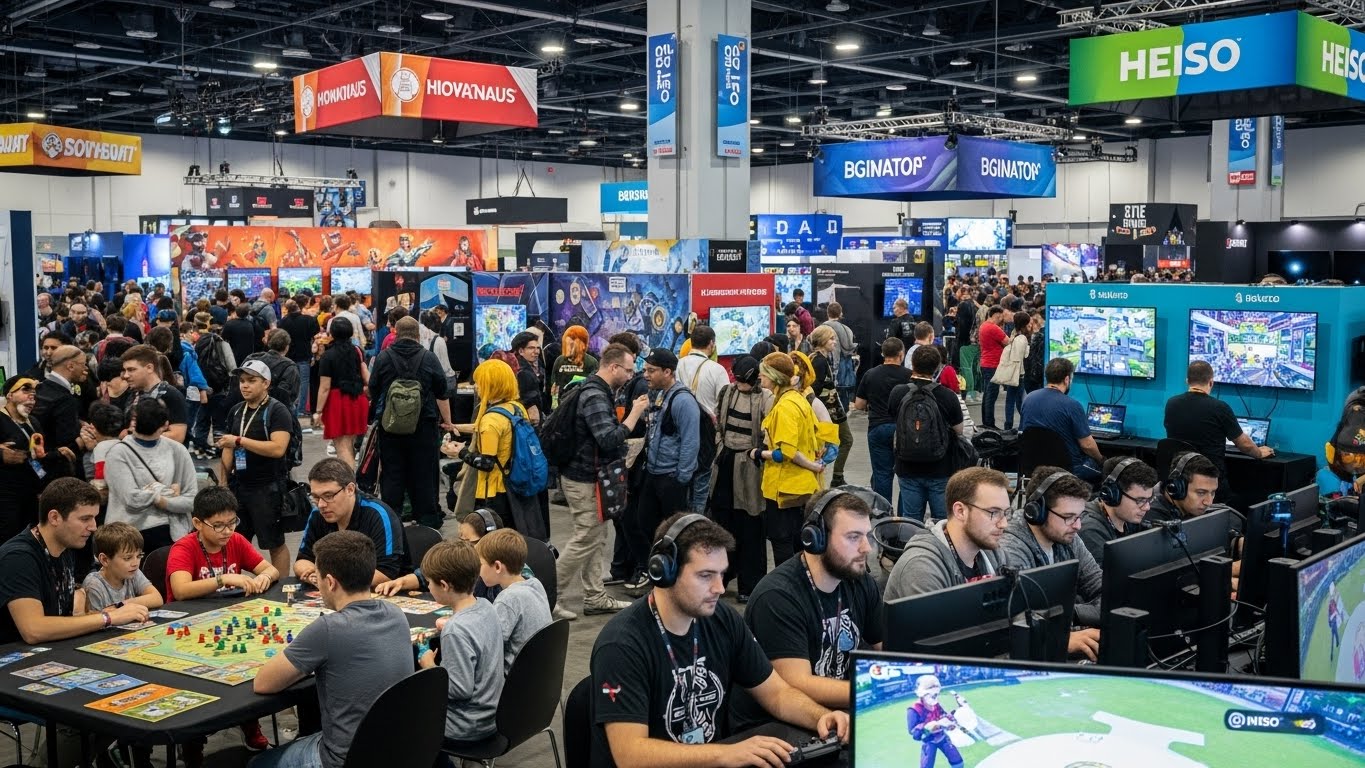
Events like gaming conventions, cosplay gatherings, and esports tournaments bring fans together in physical spaces as well. Whether through a shared love of a specific game or the general joy of play, gaming has the power to unite people across barriers of age, language, and nationality.
The Future of Gaming
As technology continues to advance, the future of gaming looks brighter than ever. Artificial Intelligence is enhancing game design, creating adaptive worlds and smarter NPCs that respond dynamically to player behavior. Cloud gaming allows players to stream high-quality titles without expensive hardware, making top-tier experiences more accessible.
The line between reality and virtuality will continue to blur, with innovations in haptic feedback, neural interfaces, and holographic displays. Games may one day engage all five senses, providing experiences indistinguishable from real life.
Moreover, the social and educational potential of games is expanding. Serious games are being used to teach history, science, and problem-solving skills. Simulation games help train professionals in medicine, aviation, and engineering. Gaming is no longer just about play — it’s about learning, empathy, and exploration.
The Enduring Power of Play
At its core, gaming taps into something deeply human: the love of play. From childhood to adulthood, play is how we learn, experiment, and connect. Games give us a safe space to take risks, make choices, and experience triumph or failure. They inspire creativity, encourage teamwork, and offer moments of pure joy.
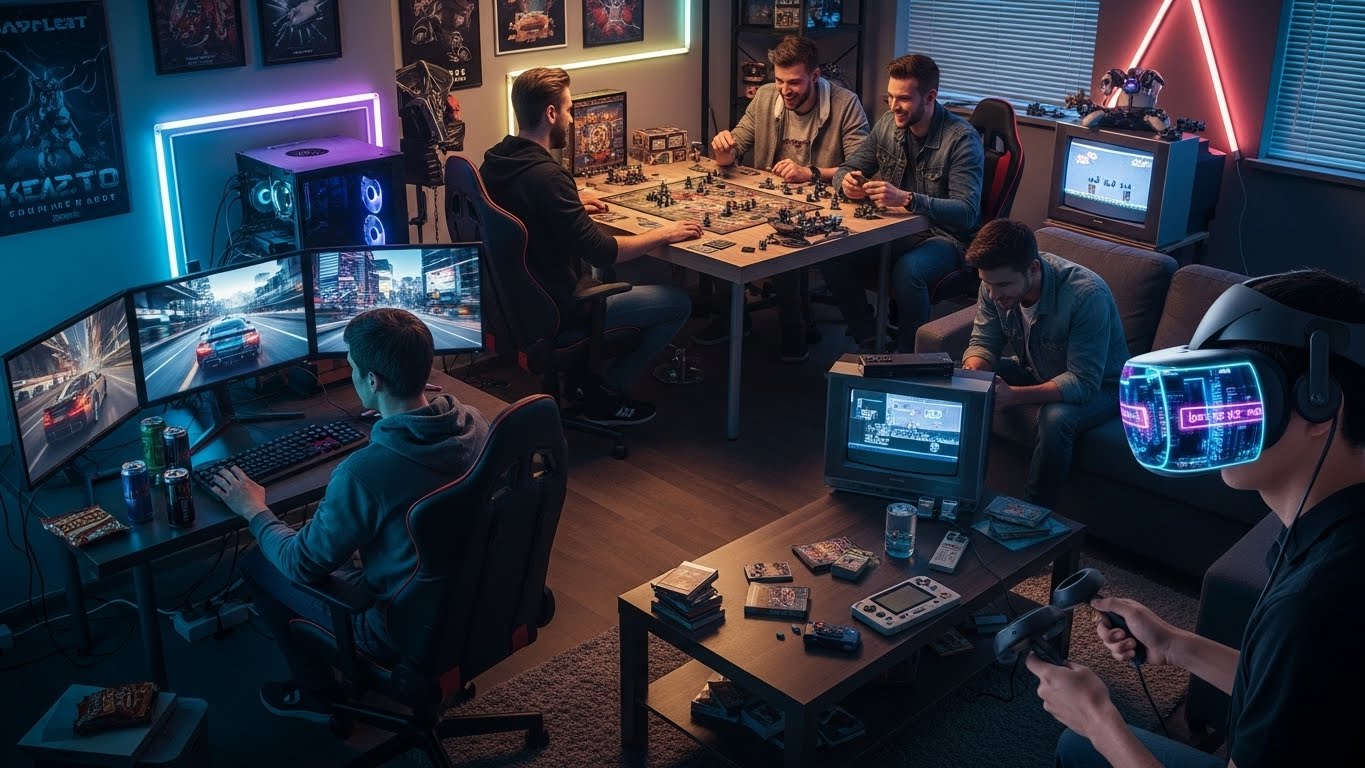
Whether it’s a family gathered around a board game, a team competing in an online tournament, or a solo player exploring a vast open world, gaming continues to evolve while staying true to its essence — fun, challenge, and imagination.
Conclusion
The journey of games is a story of innovation and passion. From ancient stones to virtual realms, humanity’s love for play has shaped an entire industry and culture. Games are not just distractions; they are expressions of creativity, intelligence, and human connection. They challenge our minds, engage our hearts, and bring people together in ways few other mediums can.
As technology advances, one thing will always remain constant — our desire to play, to explore, and to connect through games. Whether digital or physical, competitive or casual, the world of gaming will continue to grow, inspire, and unite us for generations to come.