
Introduction: The Timeless Appeal of Games
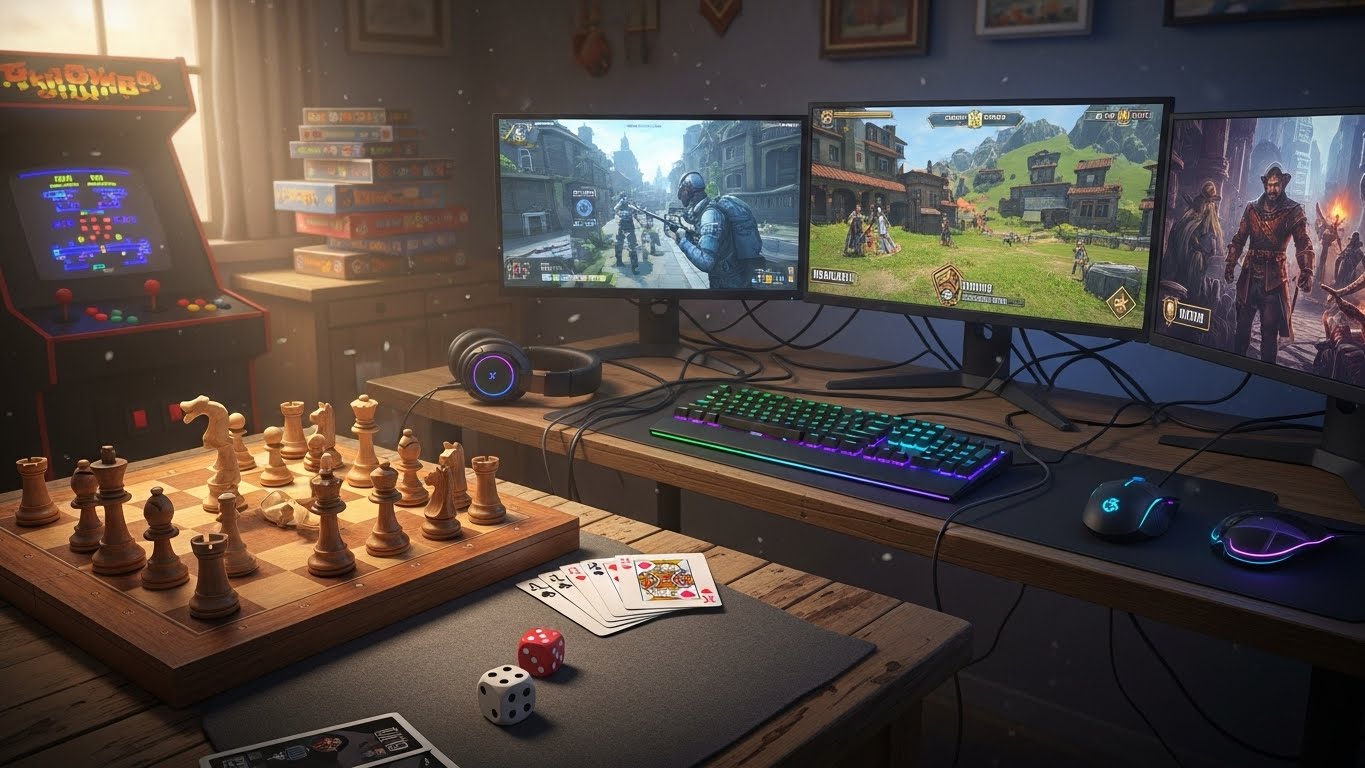
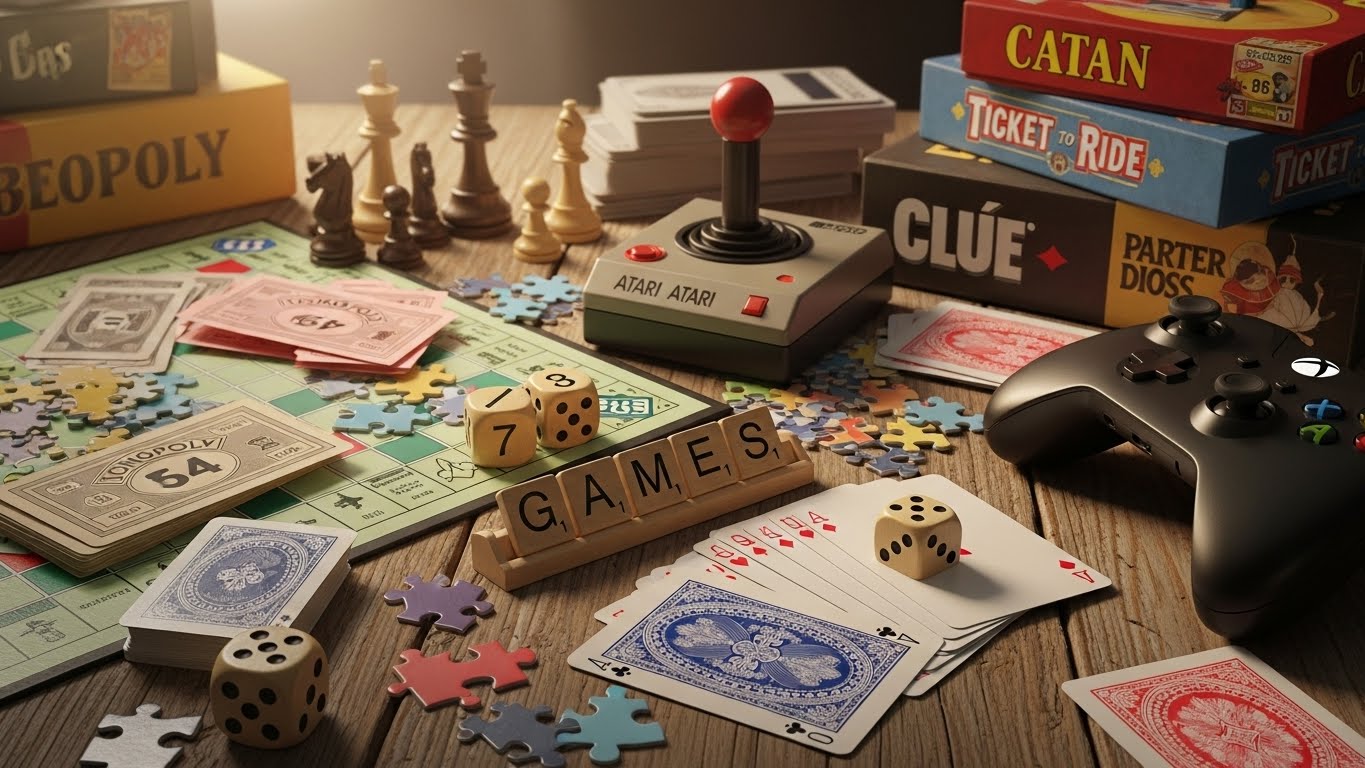
Games have been an integral part of human culture for centuries. From ancient board games played on carved stones to immersive digital experiences that span entire virtual worlds, games capture the imagination and challenge the mind. But what makes games truly fascinating is their diversity. They are more than just a form of entertainment; they are a medium for storytelling, a tool for education, and a platform for social interaction. In this blog, we explore the dynamic world of games, highlighting unique types, trends, and the reasons why they continue to captivate players of all ages.
The Evolution of Games Through History
Games have evolved alongside human civilization. Ancient societies played strategic games like Senet in Egypt and Go in China, which were not just for fun but also a demonstration of intellect and planning skills. As civilizations advanced, games became more structured, incorporating rules and competitive elements. The invention of playing cards in the Middle Ages, followed by board games like chess and backgammon, laid the foundation for modern gaming. Each era introduced innovations, reflecting the cultural values and technological advancements of its time. Today, digital technology has transformed gaming into an immersive and interactive experience that goes far beyond simple rules or physical pieces.
Video Games: A New Frontier
The introduction of video games marked a significant turning point in the gaming world. Early arcade games such as Pong and Pac-Man captured the attention of a growing audience, while home consoles brought the excitement directly into living rooms. Modern video games are incredibly diverse, ranging from action-packed shooters and sprawling role-playing adventures to thought-provoking puzzle games. The development of realistic graphics, complex narratives, and online multiplayer capabilities has elevated video games to an art form. What makes video games particularly unique is their ability to combine storytelling, strategy, and real-time action, offering experiences that are impossible in other forms of entertainment.
Board Games: Strategy and Social Interaction
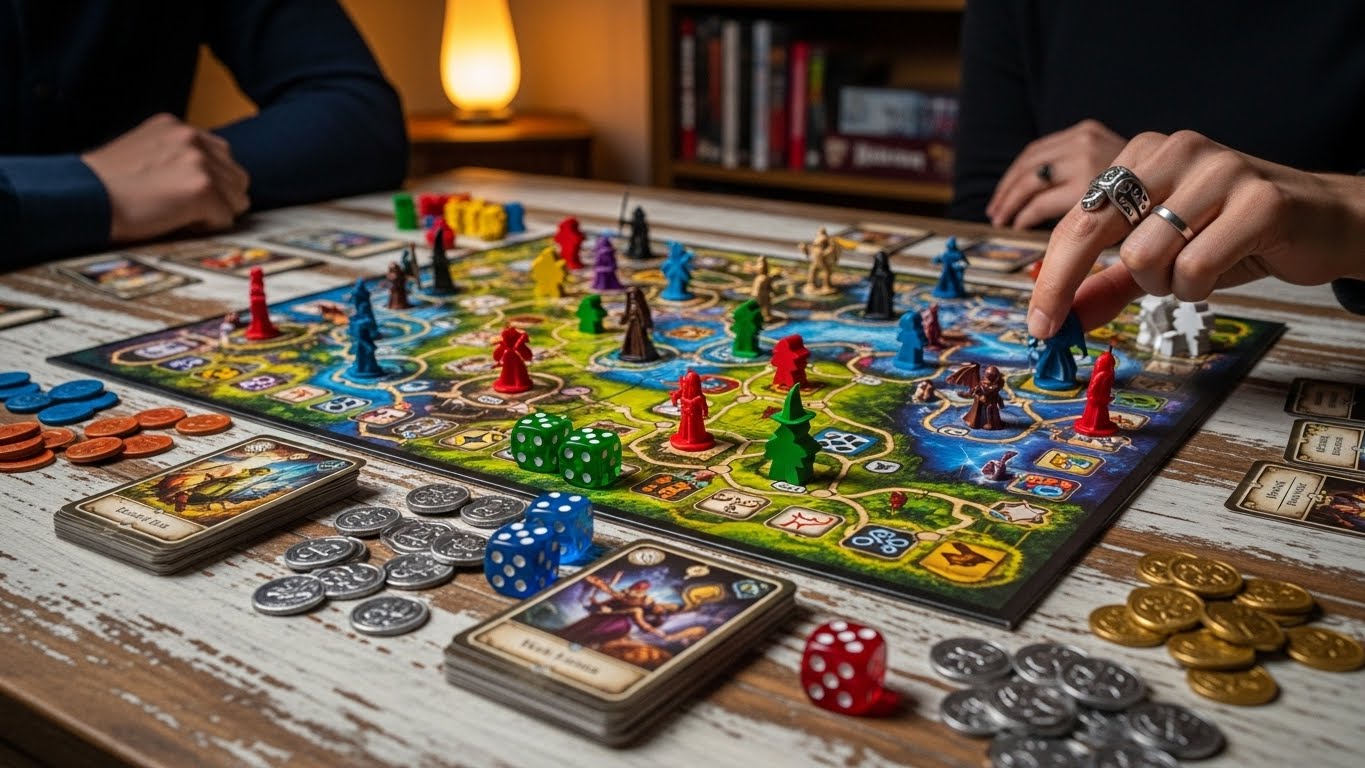
While video games dominate much of the modern gaming landscape, board games have experienced a remarkable resurgence in recent years. Titles like Catan, Ticket to Ride, and Pandemic offer players a chance to engage in strategy, cooperation, and competition in a tangible way. Unlike video games, board games provide a social experience where players interact face-to-face, negotiate alliances, and react to one another’s moves. The tactile nature of pieces, cards, and boards adds a layer of satisfaction that digital games often cannot replicate. Board games also encourage critical thinking and planning, making them both fun and educational.
Role-Playing Games: Immersion and Imagination
Role-playing games, or RPGs, have a unique charm that sets them apart from other types of games. Whether in tabletop form or digital format, RPGs allow players to step into the shoes of a character and navigate a world filled with quests, challenges, and choices. Tabletop RPGs, such as Dungeons and Dragons, emphasize creativity, storytelling, and group dynamics. Players collaboratively build narratives, often leading to memorable and unpredictable adventures. Digital RPGs extend this experience through visually rich worlds and interactive mechanics. The allure of RPGs lies in their ability to immerse players fully, making them an active participant in a dynamic story rather than a passive observer.
Puzzle Games: Challenges for the Mind
Puzzle games have long captivated those who enjoy intellectual challenges. These games range from classic jigsaw puzzles and logic-based brain teasers to modern digital games like Tetris, Portal, and Sudoku apps. The common thread is problem-solving, critical thinking, and creativity. Puzzle games engage the mind in a unique way, providing a sense of accomplishment and mental stimulation that is both satisfying and rewarding. They appeal to players who enjoy mastering challenges at their own pace, and the absence of time pressure in many puzzles makes them suitable for relaxation as well as cognitive development.
Sports and Physical Games: Beyond Entertainment
Sports and physical games have always been more than just entertainment. From traditional team sports like soccer and basketball to individual pursuits such as martial arts and swimming, these games test physical endurance, skill, and strategy. They also teach teamwork, discipline, and perseverance. In addition to organized sports, casual physical games like tag, hide-and-seek, or frisbee provide spontaneous fun and social interaction. The physical aspect of these games is a unique characteristic that digital or board games cannot fully replicate. They connect players with their environment, promote health, and foster a sense of community.
Educational Games: Learning Through Play
Educational games have emerged as a powerful tool to make learning enjoyable. By combining entertainment with instruction, these games help players develop skills in math, language, science, and critical thinking. Whether in schools, online platforms, or mobile apps, educational games provide an interactive and engaging alternative to traditional teaching methods. Players learn by doing, experimenting, and solving problems within the context of a game. The success of educational games lies in their ability to make learning immersive, memorable, and fun, demonstrating that play and education are not mutually exclusive.
The Rise of Multiplayer and Social Gaming
One of the most significant trends in modern gaming is the rise of multiplayer and social games. Online platforms have created communities where players from around the world can compete, cooperate, and share experiences. Games like Fortnite, Among Us, and Minecraft have become cultural phenomena because they combine gameplay with social interaction. Multiplayer games encourage teamwork, communication, and strategy, while social features like chatting and streaming create a sense of belonging. The communal aspect of gaming has transformed it from a solitary hobby into a shared experience that connects people across continents.
Virtual Reality and Augmented Reality: The Future of Immersion
Virtual reality (VR) and augmented reality (AR) represent the cutting edge of gaming technology. VR games transport players into fully immersive worlds where they can interact with the environment and other players in real-time. AR games overlay digital elements onto the real world, creating unique experiences that blend reality and fantasy. These technologies push the boundaries of how games can be experienced, providing unprecedented levels of immersion and interactivity. VR and AR are not just about entertainment; they have potential applications in education, training, therapy, and even fitness, showing that the future of games is limited only by imagination.
The Cultural Impact of Games
Games are more than just a pastime; they are a reflection of culture and society. They can address social issues, explore human emotions, and convey complex narratives. Video games have influenced music, film, and literature, while board games and sports often carry cultural traditions and values. The stories told within games allow players to explore diverse perspectives and experiences, fostering empathy and understanding. Moreover, gaming communities have created spaces for collaboration, creativity, and activism. The cultural significance of games continues to grow as they evolve into a major form of modern expression.
Games as a Career and Industry
The gaming industry has grown into a global economic powerhouse. Professional players, game developers, streamers, and content creators have turned gaming into a legitimate career path. Esports competitions now draw audiences comparable to major sports events, and streaming platforms allow players to reach millions of viewers. This professionalization of gaming has transformed it from a casual hobby into a competitive and creative field. Game development, in particular, combines technology, art, storytelling, and psychology, offering a multidisciplinary career for passionate individuals. The gaming industry is a testament to how play can evolve into a thriving profession.
Conclusion: Why Games Matter
Games, in all their forms, continue to capture the hearts and minds of people across the globe. They challenge us, entertain us, and bring us together. Whether through strategic board games, immersive video adventures, or cooperative physical activities, games provide unique experiences that no other medium can match. They stimulate our intellect, enhance our creativity, and foster social connections. As technology advances, games will continue to evolve, pushing the boundaries of imagination and interactivity. In a world that is constantly changing, games remain a timeless and universal source of joy, learning, and inspiration.
Final Thoughts
Exploring the world of games reveals their profound impact on individuals and society. They are not merely activities but dynamic experiences that shape our cognitive abilities, social interactions, and cultural understanding. The diversity of games ensures that there is something for everyone, from casual players to dedicated enthusiasts. In embracing the endless possibilities of gaming, we celebrate the creativity, innovation, and human connection that games foster. The world of games is vast, exciting, and ever-changing, and its journey is far from over.