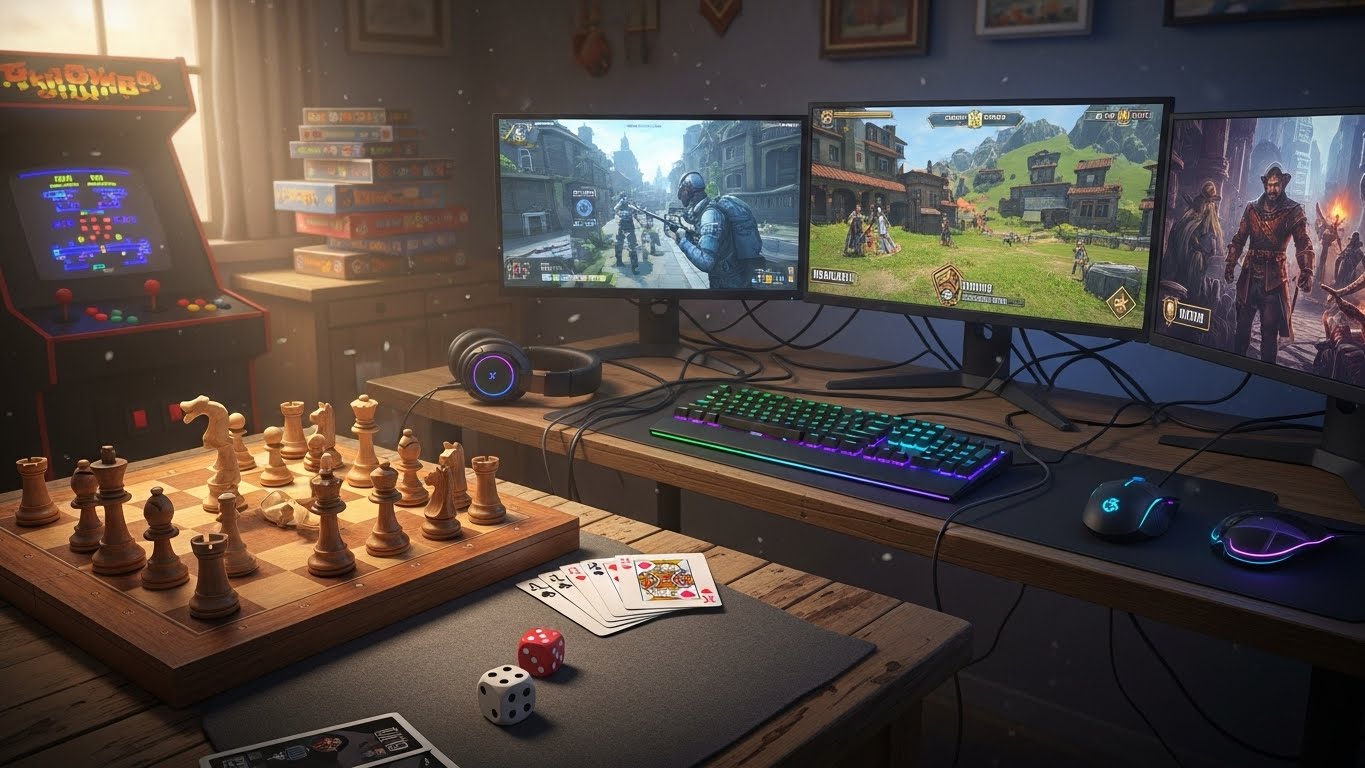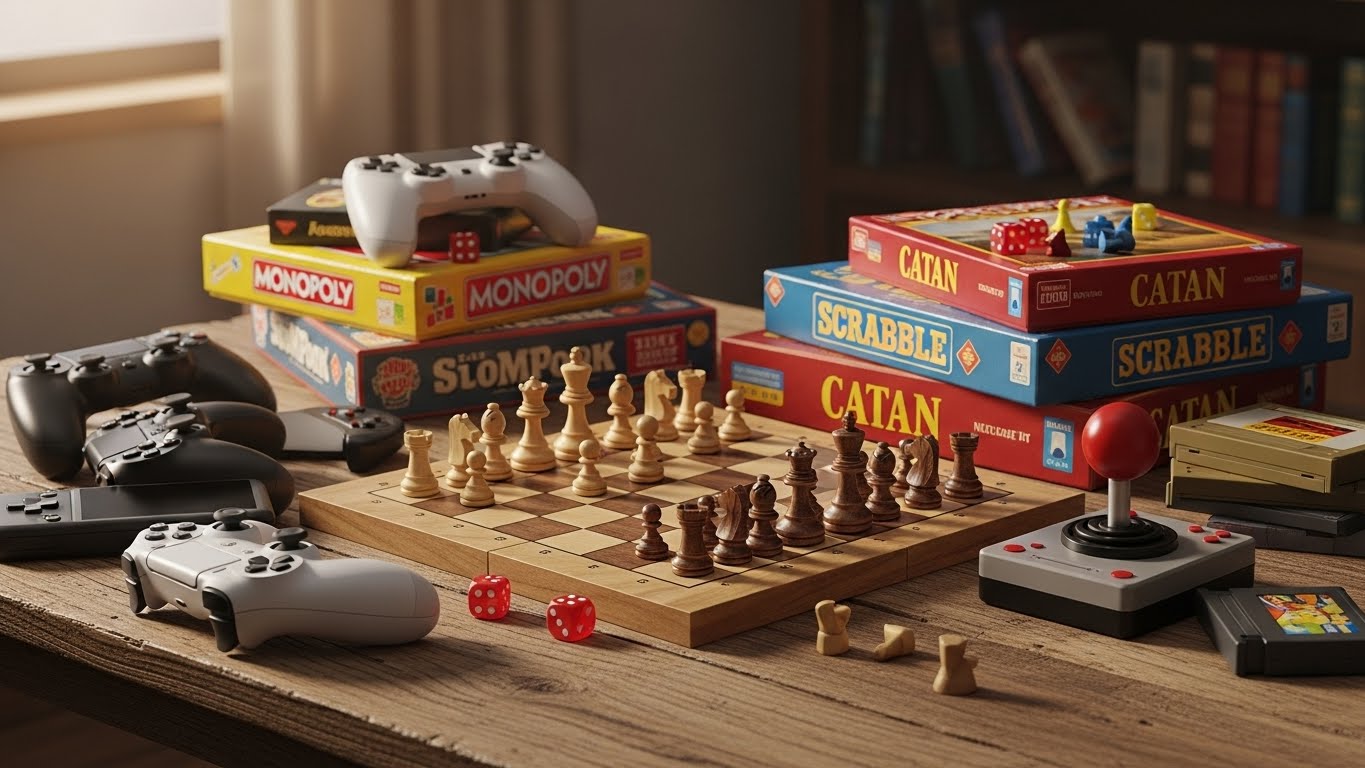

Games have always been more than just entertainment. They’re a reflection of culture, imagination, technology, and human curiosity. From ancient board games carved in stone to digital worlds built with millions of polygons, games have traveled an incredible journey. And even today, that journey is still moving forward at lightning speed.
The Origins of Play
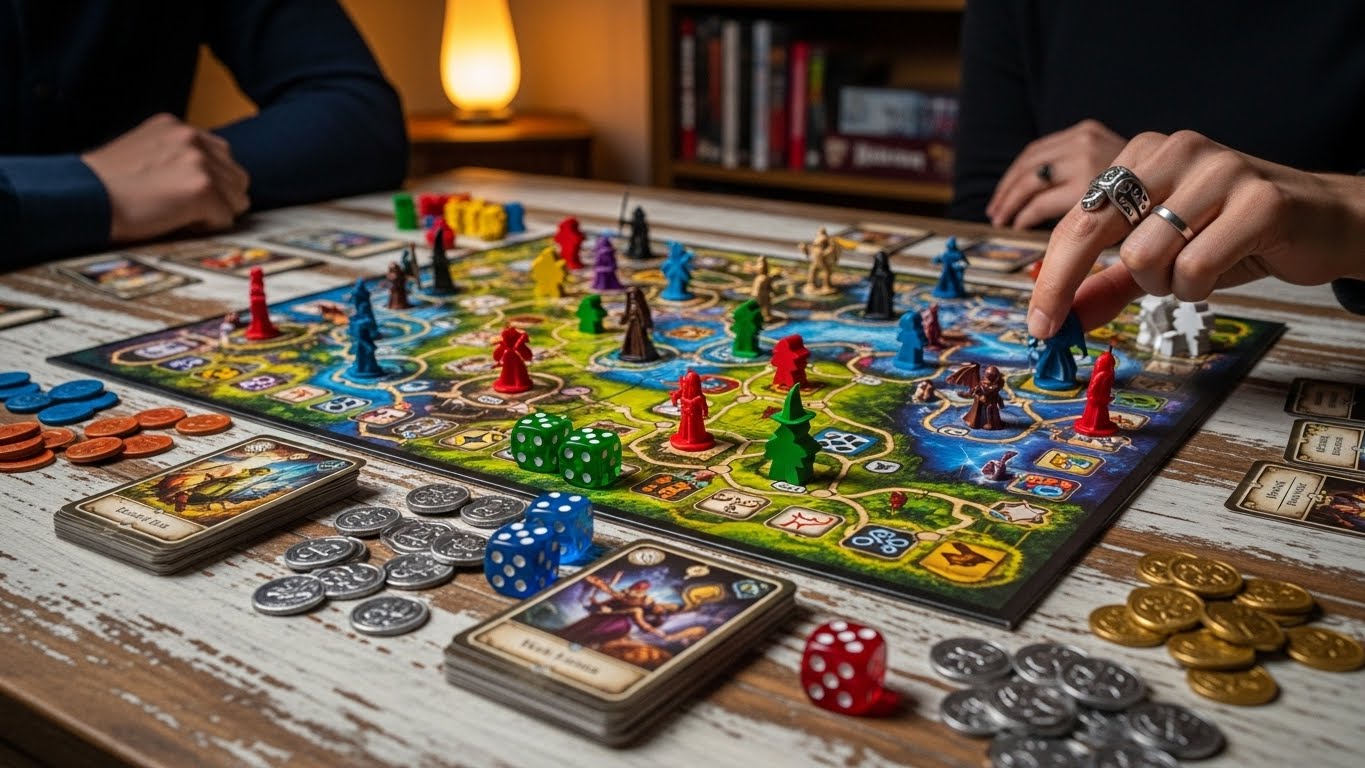
Before there were screens, joysticks, or even dice, there was play. Humans—and animals—have always found ways to play. It’s a natural part of learning and bonding. Archaeologists have discovered ancient gaming boards that date back thousands of years. Games like Senet from ancient Egypt or Go from China weren’t just for passing time; they held spiritual or philosophical meaning. They represented life, fate, and strategy.
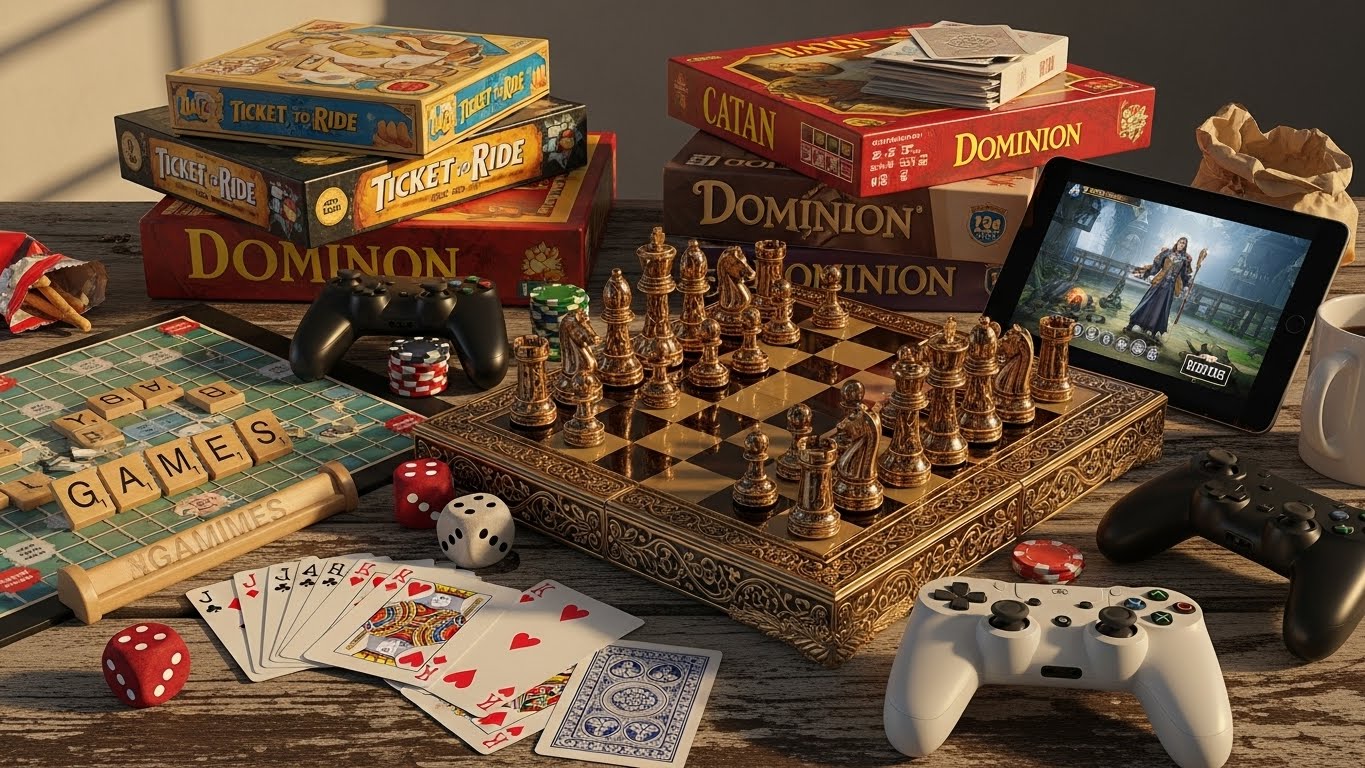
Over time, societies created games that mirrored their values. Chess, for instance, was born out of the art of war. It reflected hierarchy, planning, and patience. Meanwhile, simpler games like checkers or Mancala were about quick thinking and adaptability. Even in ancient times, games challenged the mind and fostered competition.
The Birth of Video Games
Fast forward to the 20th century. Technology began reshaping every corner of life, and games were no exception. The earliest digital games were simple experiments, often created by scientists or engineers. One of the first known examples is “Tennis for Two,” a game played on an oscilloscope in 1958. Then came “Spacewar!” in the 1960s, which became a cult hit among computer enthusiasts.
But it was the 1970s that truly kick-started the gaming industry. Arcades began popping up everywhere. “Pong” became the first commercially successful video game, and it changed everything. People lined up in front of screens, mesmerized by the bouncing pixel that represented a ball. From that moment on, games were no longer just for kids or hobbyists—they were a phenomenon.
The Golden Age of Arcades
The late 1970s and early 1980s were magical for arcade gaming. Titles like “Pac-Man,” “Space Invaders,” “Donkey Kong,” and “Galaga” dominated entertainment. Kids gathered around arcade machines with coins clinking in their pockets, trying to beat high scores. The atmosphere was electric. There were no save points, no online guides, just skill and persistence.
Each game had its own personality. “Pac-Man” was colorful and family-friendly, while “Defender” and “Asteroids” pushed reflexes to the limit. The creativity of that era laid the groundwork for every game genre we know today—from shooters to platformers to puzzle games.
The Rise of Home Consoles
While arcades ruled public spaces, something else was happening in living rooms. The home console revolution was underway. Systems like the Atari 2600, NES (Nintendo Entertainment System), and Sega Genesis brought games directly into people’s homes. Suddenly, gaming was part of daily life.
Nintendo, in particular, became a household name. Mario, Zelda, and Metroid turned into global icons. The concept of storytelling in games began to take shape. Players weren’t just chasing high scores anymore—they were embarking on adventures, saving kingdoms, and exploring mysterious worlds. These games sparked imagination in ways books and films couldn’t.
The PC Gaming Explosion
While consoles were gaining ground, the personal computer was quietly building its own gaming empire. PC gaming offered something consoles couldn’t: flexibility. Developers could push the boundaries of technology and creativity. Games like “Doom,” “Wolfenstein 3D,” and “Warcraft” defined the 1990s and became legends.
PCs also allowed for community-driven innovation. Modding (modification of games) became popular, and some mods even evolved into full-fledged games—like “Counter-Strike” emerging from “Half-Life.” Strategy games flourished too, giving rise to franchises like “Civilization” and “Age of Empires.” These weren’t just games; they were virtual worlds where every choice mattered.
The 3D Revolution and the Modern Era
When 3D graphics entered the scene in the mid-1990s, gaming took another giant leap. Games suddenly had depth—literally. Players could explore fully realized environments in three dimensions. Titles like “Super Mario 64” and “Tomb Raider” redefined how movement, perspective, and interaction worked.
The late 1990s and early 2000s were a transformative period. Sony’s PlayStation and Microsoft’s Xbox joined the console race, pushing technology forward and introducing cinematic storytelling. Franchises like “Final Fantasy,” “Halo,” and “Grand Theft Auto” turned games into blockbuster experiences. They weren’t just games anymore—they were cultural events.
The Rise of Online Gaming
As the internet became more accessible, another transformation began—online gaming. Multiplayer modes changed how people interacted. Suddenly, players could connect with friends or strangers around the world. “World of Warcraft” and “Runescape” introduced millions to the concept of persistent online worlds. Meanwhile, shooters like “Call of Duty” and “Counter-Strike” made competitive gaming a lifestyle.
Online gaming also gave birth to a new form of culture: clans, guilds, leaderboards, and esports. Competition moved beyond local arcades and living rooms to global stages. The idea of professional gamers, once unthinkable, became a reality.
Mobile Games: Gaming in Your Pocket
The next revolution came not from consoles or PCs but from phones. When smartphones became common, games became accessible to everyone. Titles like “Angry Birds,” “Candy Crush,” and “Clash of Clans” reached billions of people. These games proved that simplicity, accessibility, and creativity could still capture the world’s attention.
Mobile gaming also blurred the line between casual and serious play. People played during commutes, breaks, or even at bedtime. It made gaming universal. No longer did you need expensive equipment—just a device you already owned.
The Indie Game Renaissance
While big studios dominated headlines, a quiet revolution was taking place in small rooms and basements. Independent (indie) developers began creating games that focused on innovation, art, and emotion rather than massive budgets. Games like “Undertale,” “Hollow Knight,” “Stardew Valley,” and “Celeste” reminded players that heart mattered more than graphics.
Indie games proved that storytelling could be personal and profound. They tackled themes like loss, hope, and identity in ways mainstream titles rarely dared to. With digital platforms making it easier to publish games, creativity exploded. The indie movement gave players fresh experiences and reshaped the gaming landscape forever.
The Age of Streaming and Cloud Gaming
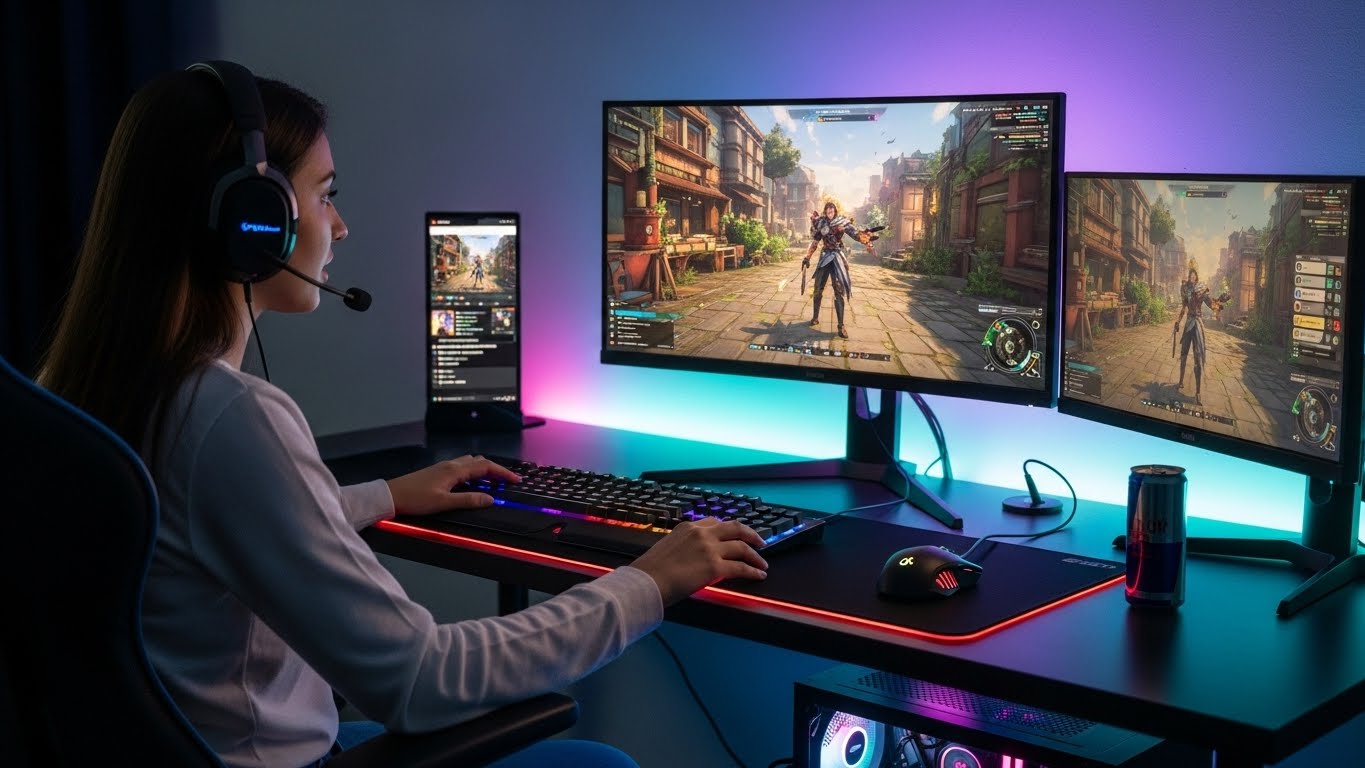
As internet speeds improved, gaming entered yet another phase—streaming. Platforms like Twitch allowed players to share their gameplay live, building communities around personalities and shared experiences. Watching someone play became almost as popular as playing itself.
Cloud gaming also emerged, allowing players to stream games without needing powerful hardware. Services like Xbox Cloud Gaming and others introduced the concept of playing high-end titles on any device. It’s a sign of where gaming is heading—toward accessibility, flexibility, and global reach.
Esports: The New Digital Arena
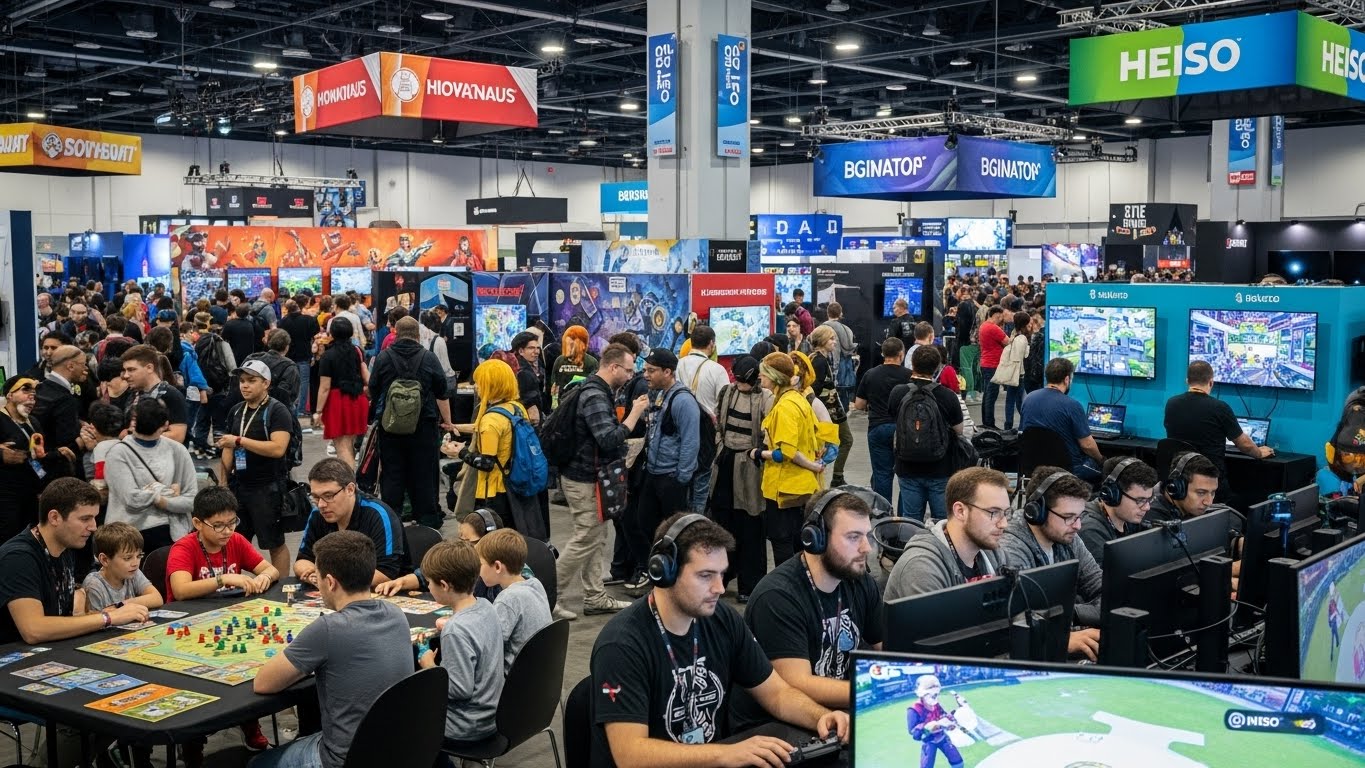
Competitive gaming has become a full-fledged sport. Esports tournaments now fill stadiums, attract millions of online viewers, and offer prize pools rivaling traditional sports. Games like “League of Legends,” “Dota 2,” and “Valorant” have professional players, coaches, analysts, and fans.
Esports has transformed gaming from a pastime into a profession. It’s not just about winning; it’s about teamwork, strategy, and endurance. Entire industries now revolve around esports—from sponsorships to streaming deals. For younger generations, it’s proof that gaming can be both passion and career.
Virtual Reality and Augmented Reality
The next frontier in gaming is immersion. Virtual Reality (VR) lets players step inside digital worlds, while Augmented Reality (AR) blends the virtual with the real. Games like “Beat Saber” and “Half-Life: Alyx” have shown the potential of VR to create unforgettable experiences.
AR, on the other hand, captured the world’s imagination with “Pokémon GO.” Suddenly, players were exploring real cities and parks to catch virtual creatures. The future promises even more integration—where gaming, reality, and imagination merge seamlessly.
Storytelling in Games
One of the most powerful aspects of modern gaming is storytelling. Unlike films or books, games allow you to live the story. Choices matter, actions have consequences, and players feel emotionally connected to characters. Games like “The Last of Us,” “Red Dead Redemption 2,” and “Life is Strange” demonstrate how deeply narrative and gameplay can intertwine.
This evolution has turned games into an art form. They’re capable of making players laugh, cry, and think. The lines between creator and player blur, as interactive storytelling gives players agency over how tales unfold.
The Social Side of Gaming
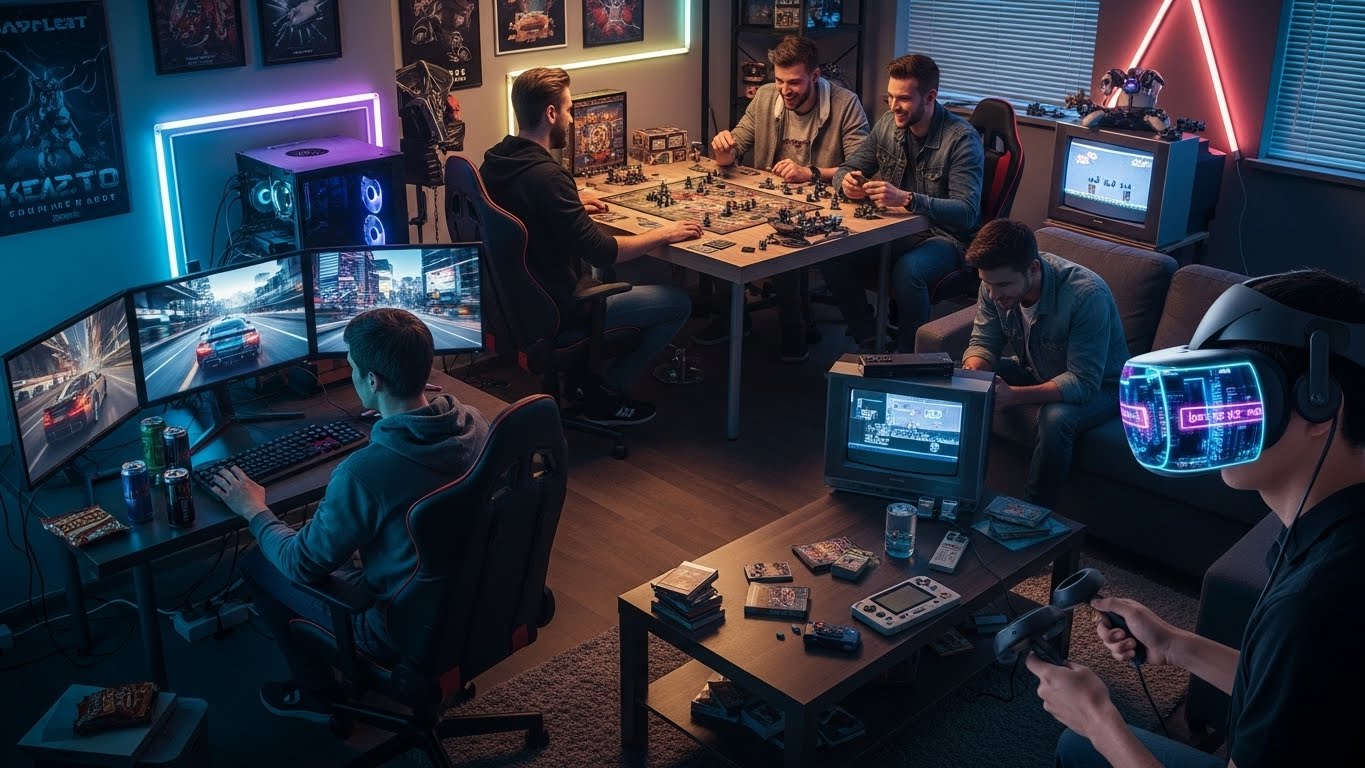
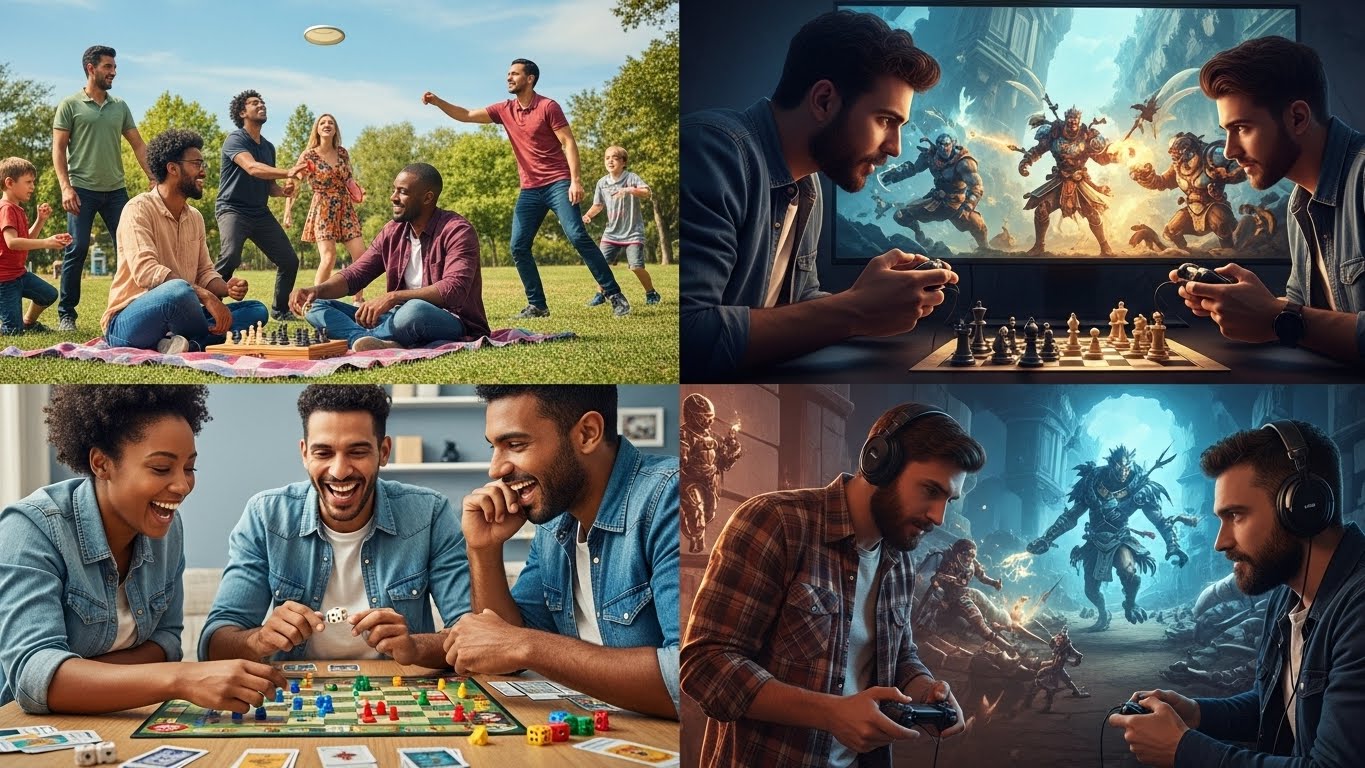
Gaming isn’t a solitary activity anymore. It’s social, communal, and sometimes even educational. Online multiplayer games, voice chat, and gaming communities have built friendships that span continents. For many, gaming is a way to connect, collaborate, and communicate.
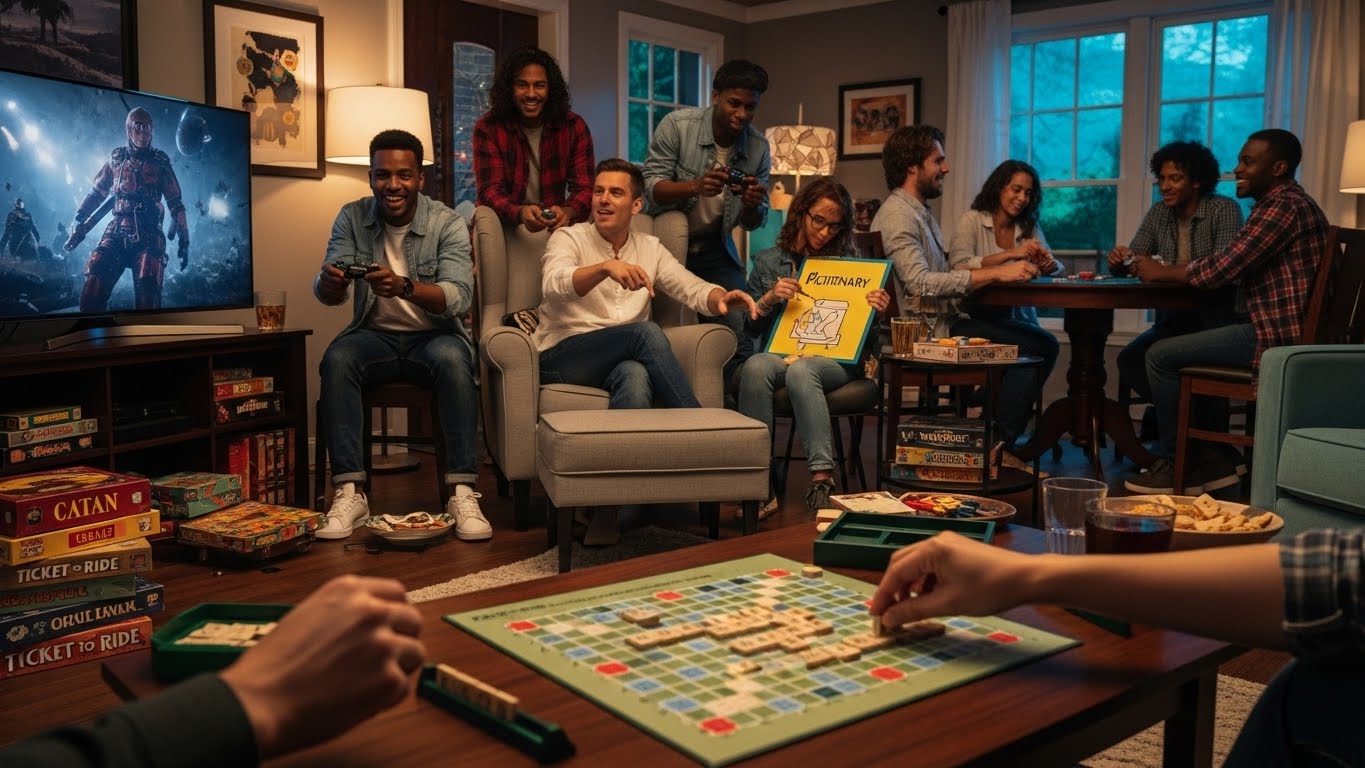
Even local co-op games—like playing on the same couch—still hold a special charm. The laughter, the friendly competition, and the shared memories make gaming more than just pixels on a screen. It’s human connection through play.
The Impact on Culture and Society
Games influence fashion, music, movies, and even language. Iconic characters like Mario, Sonic, and Master Chief are recognized worldwide. Game soundtracks are performed in orchestras. Movies are inspired by game narratives, and vice versa.
But gaming also sparks debates—about addiction, violence, and online behavior. As games become more realistic and engaging, society continues to explore how to balance playtime with well-being. The conversation is ongoing, but one thing is certain: games have become a core part of modern culture.
The Future of Games
So what’s next? The future of gaming looks limitless. Artificial intelligence, cloud computing, and cross-platform play are reshaping what’s possible. We may soon see games that adapt to each player’s emotions or decisions in real-time. Virtual worlds will grow more realistic, and storytelling will become even more interactive.
Games might also play a bigger role in education, therapy, and creativity. Imagine learning history by walking through ancient Rome in VR or managing anxiety through mindful interactive experiences. The potential is enormous.
Why Games Matter
At their heart, games are about stories, challenges, and connection. They push boundaries—not just technological ones, but emotional and social ones too. Whether you’re battling monsters, solving puzzles, or farming in a quiet valley, you’re part of something bigger: a shared human tradition of play.
Games teach patience, problem-solving, and teamwork. They provide escape when needed, but they also inspire creativity and imagination. They remind us that even in a digital world, the joy of play remains timeless.
Conclusion
From carved stones to virtual worlds, from arcades to esports arenas, games have traveled an extraordinary path. They’ve become one of humanity’s greatest creative expressions—a blend of art, technology, and imagination. And the best part? The journey is far from over.
The next era of gaming might be something we can’t even imagine yet. But one thing’s for sure: as long as people crave stories, challenges, and connection, games will continue to evolve—and continue to matter.