

Introduction
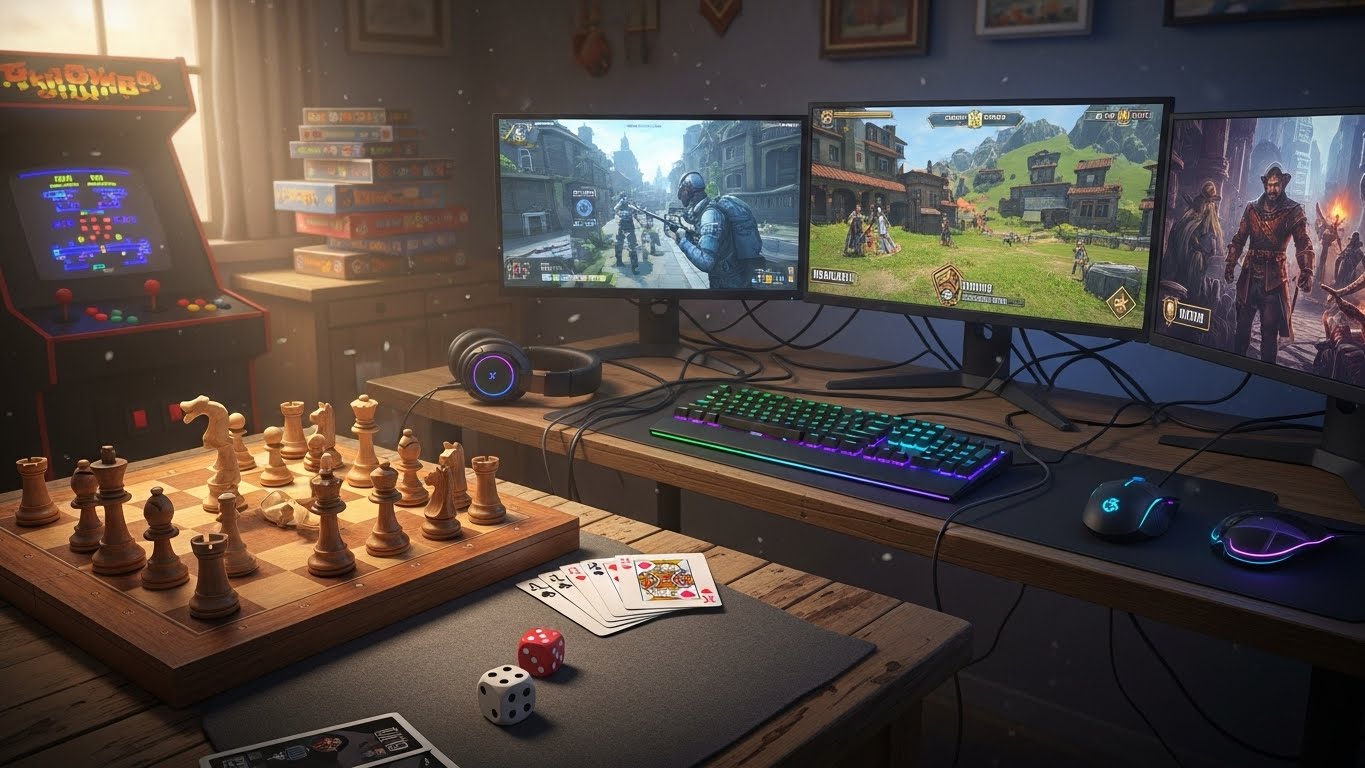
Games have been an integral part of human culture for millennia, serving as tools for entertainment, education, socialization, and strategy. From simple board games and outdoor activities to complex digital experiences, games have evolved alongside society, reflecting changes in technology, culture, and human creativity. Beyond mere amusement, games help develop cognitive skills, foster social interaction, and provide a medium for storytelling and cultural expression.
This blog explores the history of games, the development of various types, their impact on society, the rise of digital gaming, psychological and educational benefits, economic significance, and the future of games in a rapidly evolving world.
The Origins of Games
Games have ancient origins, with evidence of early play found in civilizations such as Mesopotamia, Egypt, and China. The Royal Game of Ur, dating back over 4,500 years, is one of the earliest known board games, highlighting humans’ fascination with strategy and competition. Similarly, ancient Egyptians played Senet, a game that combined chance, strategy, and religious symbolism.
In ancient China, games such as Go and Xiangqi (Chinese chess) emphasized tactical thinking, patience, and planning. These early games were more than entertainment; they were tools for developing critical thinking, social interaction, and cultural transmission. Sports and physical games, including wrestling, running, and ball games, also held social, ceremonial, and military significance, demonstrating the multifaceted roles games played in society.
Board Games and Strategy Games
Board games have long been a staple of recreational and intellectual activity. Games like chess, backgammon, and checkers require strategic thinking, foresight, and problem-solving skills. Chess, originating in India around the 6th century, is particularly notable for its global reach and cultural impact, becoming a symbol of strategy, intelligence, and competition.
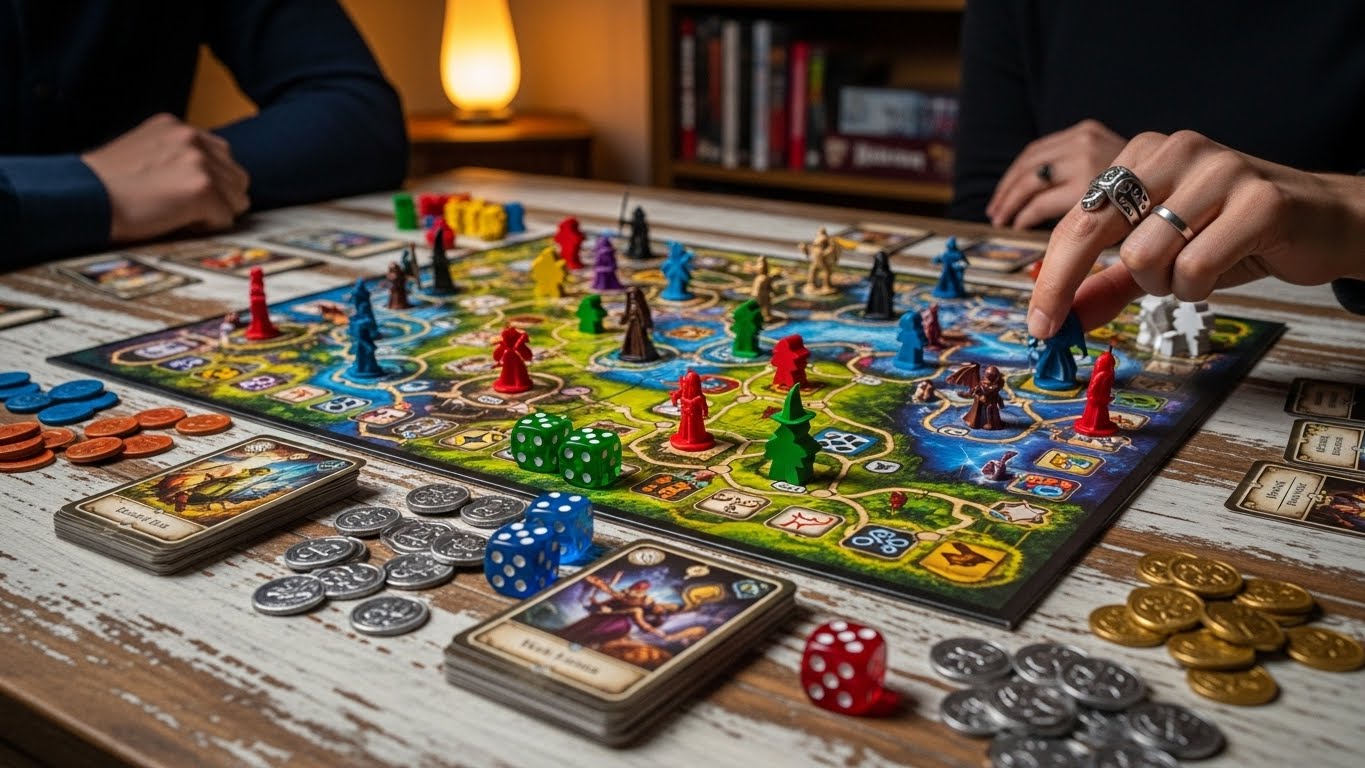
Strategy games challenge players to plan, adapt, and anticipate opponents’ moves. They encourage analytical thinking and decision-making, skills that extend beyond the game into professional and personal life. Board games also foster social engagement, as players negotiate rules, form alliances, and compete in shared spaces, making them tools for both entertainment and socialization.
Card Games and Social Interaction
Card games, which emerged in the Middle Ages, added another dimension to gaming culture. Games like Poker, Bridge, and Solitaire combine chance, strategy, and psychology, testing players’ risk assessment, memory, and social skills. Card games have also served as social tools, bringing people together in competitive and cooperative settings.
Modern collectible card games, such as Magic: The Gathering, introduced elements of customization and strategy, allowing players to build unique decks and develop complex strategies. These games highlight how play can evolve from simple amusement to highly competitive and creative experiences.
Outdoor and Physical Games
Physical games, from traditional sports to playground activities, have long contributed to human development. Running, jumping, throwing, and team-based games promote fitness, coordination, and teamwork. Games like tag, hide-and-seek, and hopscotch combine physical activity with creativity and imagination.
Organized sports such as football, basketball, and cricket transformed play into structured competition. Rules, leagues, and tournaments provided opportunities for skill development, social recognition, and cultural expression. Physical games also promote values such as fair play, discipline, and perseverance, which carry over into everyday life.
The Rise of Video Games
The 1970s and 1980s marked the birth of video games, transforming the concept of play. Early arcade games like Pong, Space Invaders, and Pac-Man introduced interactive digital entertainment, capturing the imagination of millions. Home consoles, such as the Atari 2600 and Nintendo Entertainment System, brought gaming into living rooms, making it a mainstream cultural phenomenon.
Video games expanded the possibilities of storytelling, interactivity, and competition. Genres diversified into action, adventure, role-playing, simulation, sports, and strategy, catering to different interests and playstyles. Games became not just a pastime but a medium for creative expression, social interaction, and technological innovation.
Online and Multiplayer Gaming
The advent of the internet transformed gaming into a global social experience. Online multiplayer games allow players to connect, collaborate, and compete with others across the world. Massively multiplayer online games (MMOs) like World of Warcraft create persistent virtual worlds where players engage in quests, trade, and social activities.
Online gaming fosters communities, friendships, and competition. Platforms provide spaces for discussion, collaboration, and fan-driven content, making games a social and cultural hub. Competitive gaming, or esports, has emerged from online multiplayer experiences, offering professional opportunities, tournaments, and live-streaming events that attract global audiences.
The Educational Value of Games
Games are powerful educational tools that enhance cognitive, social, and emotional skills. Strategy and puzzle games improve critical thinking, problem-solving, and planning abilities. Role-playing and narrative-driven games develop creativity, empathy, and storytelling skills by immersing players in complex worlds and moral dilemmas.
Simulation and educational games provide practical learning experiences. Flight simulators, language-learning apps, and historical recreations allow users to practice skills, experiment, and explore concepts interactively. Gamification, the application of game principles in learning, motivates engagement and enhances retention, demonstrating that games can be both enjoyable and intellectually stimulating.
Psychological and Social Benefits
Beyond education, games provide numerous psychological and social benefits. Playing games reduces stress, encourages relaxation, and provides a sense of achievement. Social games foster communication, teamwork, and negotiation skills, while competitive games teach resilience, patience, and adaptability.
Games also create opportunities for identity formation and self-expression. Players can explore different roles, make choices, and engage with narratives that reflect personal values or challenges. Online and community-based games foster belonging, collaboration, and cross-cultural interaction, creating meaningful social connections that extend beyond the digital space.
Economic Impact of Games
The gaming industry has become a major economic force, generating billions in revenue annually. Game development, publishing, esports, streaming, and merchandising support diverse career paths, including programming, design, marketing, and professional play. Independent developers can reach global audiences through digital platforms, fostering creativity and entrepreneurship.
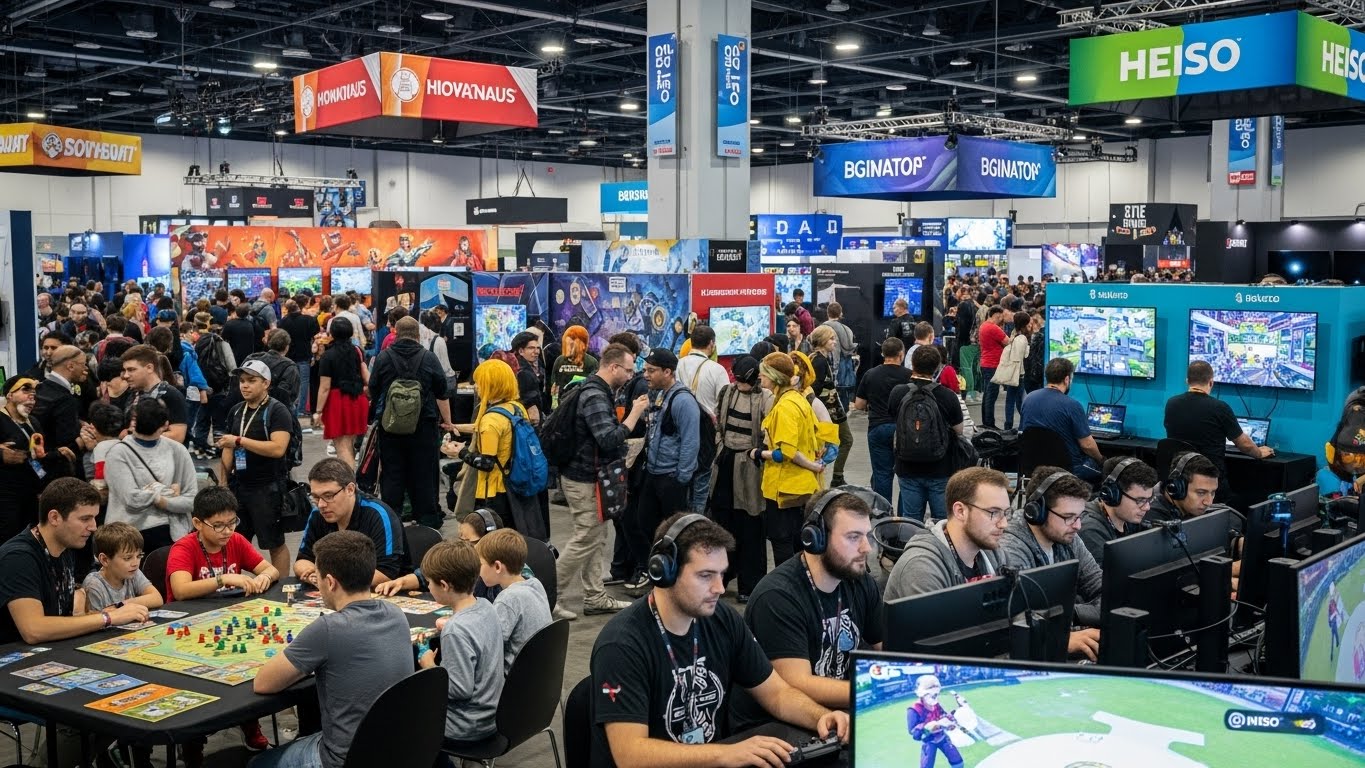
Monetization strategies, including in-game purchases, downloadable content, and subscriptions, allow sustainable growth while providing continuous updates and improvements. Gaming events, tournaments, and conventions drive tourism, media coverage, and community engagement, highlighting the broad economic and cultural impact of games worldwide.
Technological Innovations in Gaming
Technological advancements have revolutionized the gaming experience. High-definition graphics, motion-sensing controls, virtual reality (VR), and augmented reality (AR) create immersive and interactive environments. Game engines and artificial intelligence enhance realism, complexity, and adaptive gameplay, making experiences more engaging and challenging.
Cloud gaming and streaming platforms make high-quality games accessible without expensive hardware, expanding the reach of digital play. Artificial intelligence is also used to generate content, personalize experiences, and provide dynamic challenges, ensuring that gaming continues to evolve alongside technological progress.
Games as Cultural Artifacts
Games reflect the culture, values, and imagination of their time. They explore themes such as heroism, morality, conflict, and cooperation, often drawing inspiration from literature, history, and art. Iconic game franchises become cultural touchstones, influencing fashion, music, and media.
Games also foster creative expression. Players contribute to fan art, mods, custom levels, and narratives, expanding the cultural footprint of games. By blending technology, storytelling, and social engagement, games have become a unique form of modern cultural expression, bridging entertainment and art.
Challenges in Gaming
Despite its benefits, gaming faces challenges. Concerns about addiction, excessive screen time, and social isolation are common, requiring responsible play and parental guidance. Toxic behavior, online harassment, and cheating threaten community well-being and fairness in competitive spaces.
Additionally, diversity and representation remain areas for improvement. Ensuring inclusive game design, equitable opportunities, and accessibility is essential for fostering a healthy and vibrant gaming culture. Developers, communities, and policymakers must work together to address these challenges while preserving the positive impact of games.
The Future of Gaming
The future of gaming promises innovation, immersion, and cultural influence. Virtual reality, augmented reality, artificial intelligence, and cloud technology will redefine gameplay and accessibility. Games will continue to merge with other forms of entertainment, creating hybrid experiences that combine storytelling, music, performance, and social interaction.
Esports and competitive gaming are likely to grow further, offering professional opportunities and global recognition. Education, training, and gamified experiences will expand, demonstrating the practical applications of games beyond recreation. Games will remain a central aspect of human culture, entertainment, and creativity, continually shaping the way people play, learn, and interact.
Conclusion
Games have evolved from simple pastimes to complex digital experiences that influence culture, education, and social interaction. They provide entertainment, foster creativity, develop skills, and create communities that transcend geographic and cultural boundaries. From ancient board games to immersive online worlds, games reflect human ingenuity, imagination, and the desire for challenge and connection.
As technology and culture continue to evolve, games will remain a dynamic and transformative part of society. They will continue to inspire, educate, and entertain, shaping the way people think, play, and engage with the world for generations to come.