
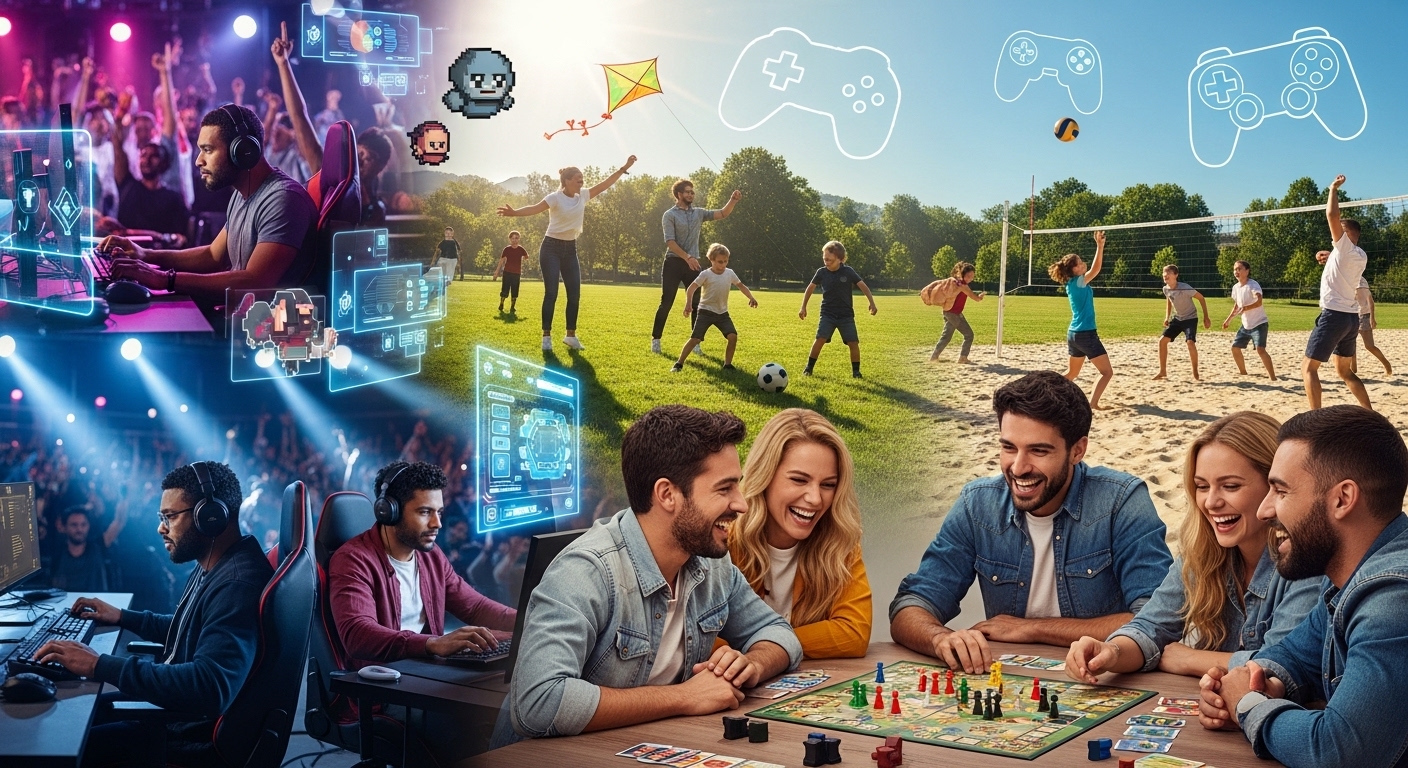
Introduction: Why Games Matter
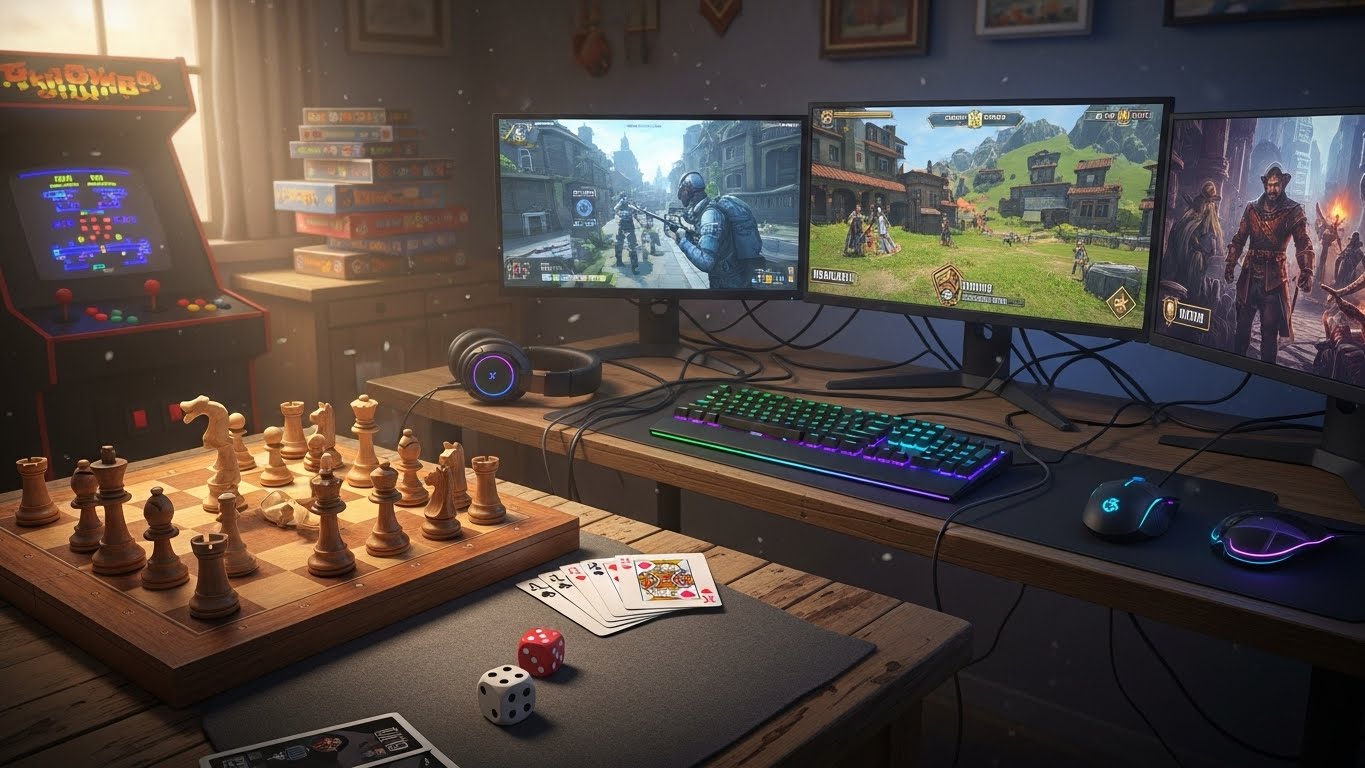
Games are more than just entertainment—they are a reflection of human culture, creativity, and problem-solving. From ancient board games to the immersive virtual worlds of today, games have evolved alongside humanity, influencing social interactions, education, and even technology.
Whether played competitively or casually, games offer an opportunity for players to learn, strategize, and connect with others. They engage the mind, challenge the body, and often provide a sense of achievement and community. In this post, we will explore the history of games, their cultural significance, technological advancements, and the impact they have on modern society.
The Origins of Games: Ancient Entertainment
Games have existed for thousands of years, often serving as both leisure and educational tools. Ancient civilizations developed games that reflected their values, beliefs, and social structures.
Board Games and Strategy
Board games are among the oldest forms of gaming. Archaeologists have discovered evidence of board games dating back to 3500 BCE in Mesopotamia. One notable example is the Royal Game of Ur, a race game with elements of strategy and luck. Ancient Egyptians played Senet, a game believed to have spiritual significance, symbolizing the journey to the afterlife.
These early games required strategy, patience, and critical thinking. They were often enjoyed by elites and commoners alike, and they reflected the culture and beliefs of the societies that created them.
Physical Games and Sports
In addition to board games, ancient civilizations developed physical games to test agility, strength, and endurance. Ancient Greece is renowned for the Olympic Games, which celebrated athletic prowess and competition. Similarly, the Romans organized gladiatorial contests and chariot races as public spectacles.
These games served not only as entertainment but also as social and cultural events, bringing communities together and reinforcing shared values.
The Role of Games in Education and Skill Development
Games have long been used as educational tools, helping players develop cognitive and social skills. Chess, for example, is a game of strategy that has been played for centuries. It teaches critical thinking, planning, and foresight. Educational games, such as math puzzles or word games, have historically been used to enhance learning in young minds.
Games also encourage social interaction and teamwork. Children playing team sports or cooperative board games learn communication, collaboration, and conflict resolution—skills that are essential in real life. Even competitive games teach resilience, patience, and how to handle success and failure.
The Rise of Digital Gaming
The 20th century marked a revolutionary shift in the world of games with the advent of digital gaming. Video games emerged as a new form of entertainment, combining storytelling, strategy, and interactivity.
Early Video Games
The first widely recognized video games appeared in the 1970s. Titles like Pong and Space Invaders introduced simple gameplay mechanics that captivated audiences. Early consoles such as the Atari 2600 brought gaming into homes, making it accessible to a wider audience.
These early games laid the foundation for more complex and immersive experiences, demonstrating the potential of interactive entertainment.
The Expansion of Consoles and PCs
In the 1980s and 1990s, gaming expanded rapidly with the release of home consoles and personal computers. Nintendo, Sega, and Sony became household names, producing games that combined story, graphics, and challenge. Titles like Super Mario Bros., The Legend of Zelda, and Sonic the Hedgehog became cultural phenomena, captivating players around the world.
The rise of PC gaming also introduced genres such as strategy, simulation, and role-playing games. Players could now experience rich narratives, develop skills, and compete with others in ways that were previously impossible.
Online Gaming and Multiplayer Worlds
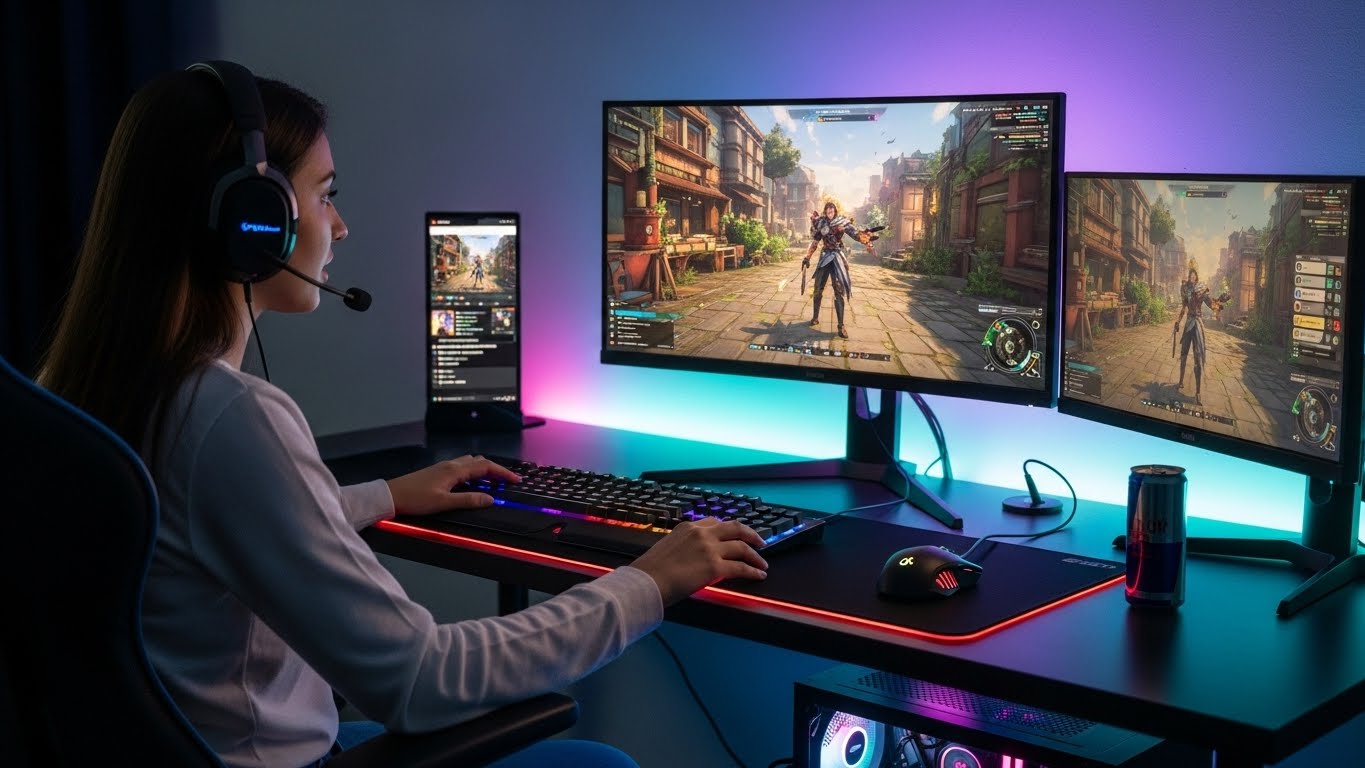
The advent of the internet brought multiplayer gaming to the forefront. Players could now connect with friends and strangers worldwide to compete or cooperate in virtual environments. Games like World of Warcraft, Counter-Strike, and League of Legends created massive online communities, where teamwork, strategy, and social interaction were key to success.
Online gaming not only revolutionized gameplay but also created a new culture around esports, streaming, and game content creation, fostering global communities around shared passions.
The Cultural Significance of Games
Games are more than entertainment—they reflect societal values, inspire creativity, and influence culture. Video games often explore themes such as heroism, morality, and conflict, allowing players to immerse themselves in narratives and explore perspectives different from their own.
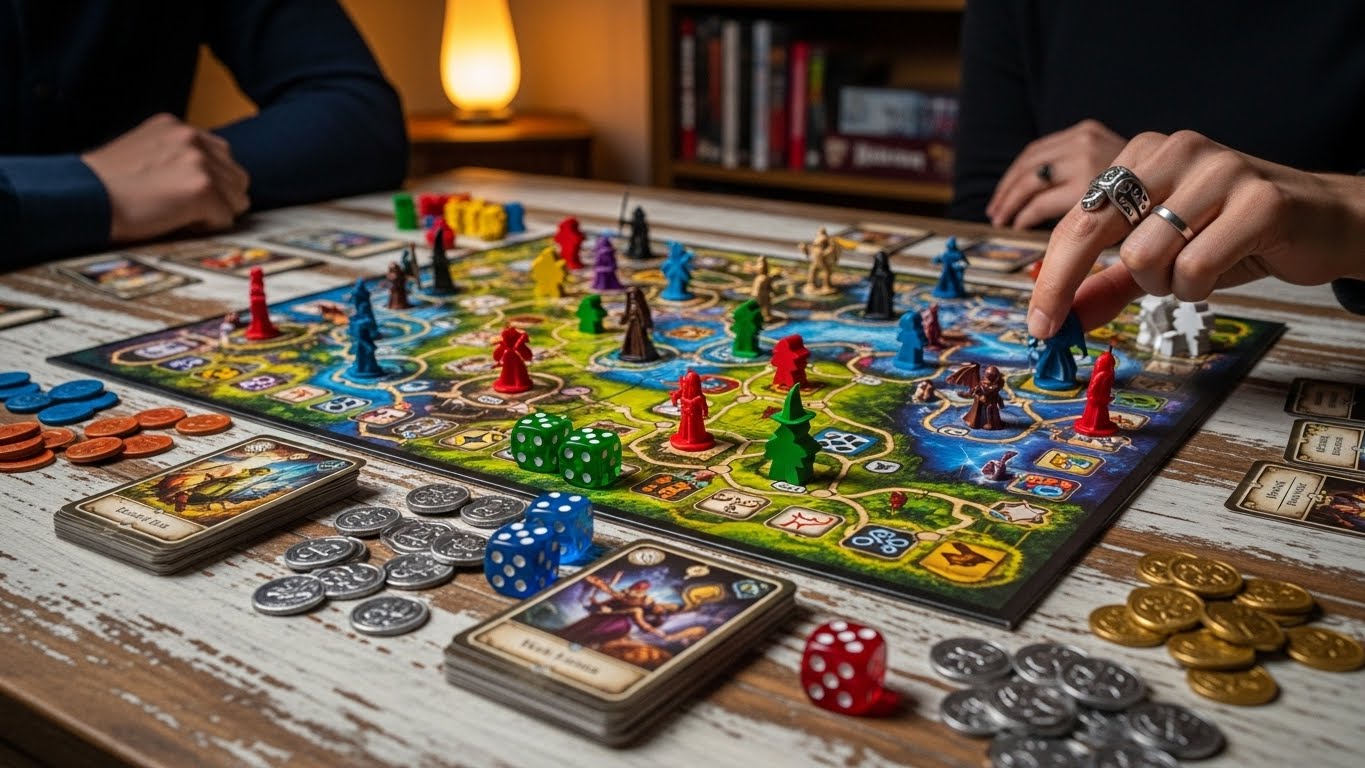
Board games and tabletop role-playing games, such as Dungeons & Dragons, have created enduring communities where storytelling, imagination, and collaboration flourish. Games also serve as cultural artifacts, offering insight into the societies and times in which they were created.
Games and Technology: Innovations That Changed Play
Technology has continuously reshaped the gaming industry, introducing innovations that enhance the player experience.
Graphics and Immersion
Advancements in graphics and computing power have allowed games to become increasingly realistic and immersive. Modern consoles and PCs deliver stunning visuals, lifelike animations, and detailed environments, making gameplay more engaging than ever before.
Virtual and Augmented Reality
Virtual reality (VR) and augmented reality (AR) are revolutionizing how players interact with games. VR headsets immerse players in fully interactive environments, while AR overlays digital content onto the real world. These technologies are pushing the boundaries of immersion, creating experiences that blur the line between reality and the digital world.
Mobile Gaming and Accessibility
The rise of smartphones has made gaming accessible to billions worldwide. Mobile games like Candy Crush, Clash of Clans, and Pokémon GO have reached audiences that might not traditionally play video games, demonstrating the universal appeal of interactive entertainment. Mobile gaming has also introduced innovative gameplay mechanics, such as location-based games and touch-based controls, further expanding the possibilities of game design.
The Impact of Games on Society
Games have a profound impact on society, influencing entertainment, education, social interaction, and even mental health.
Social Connection
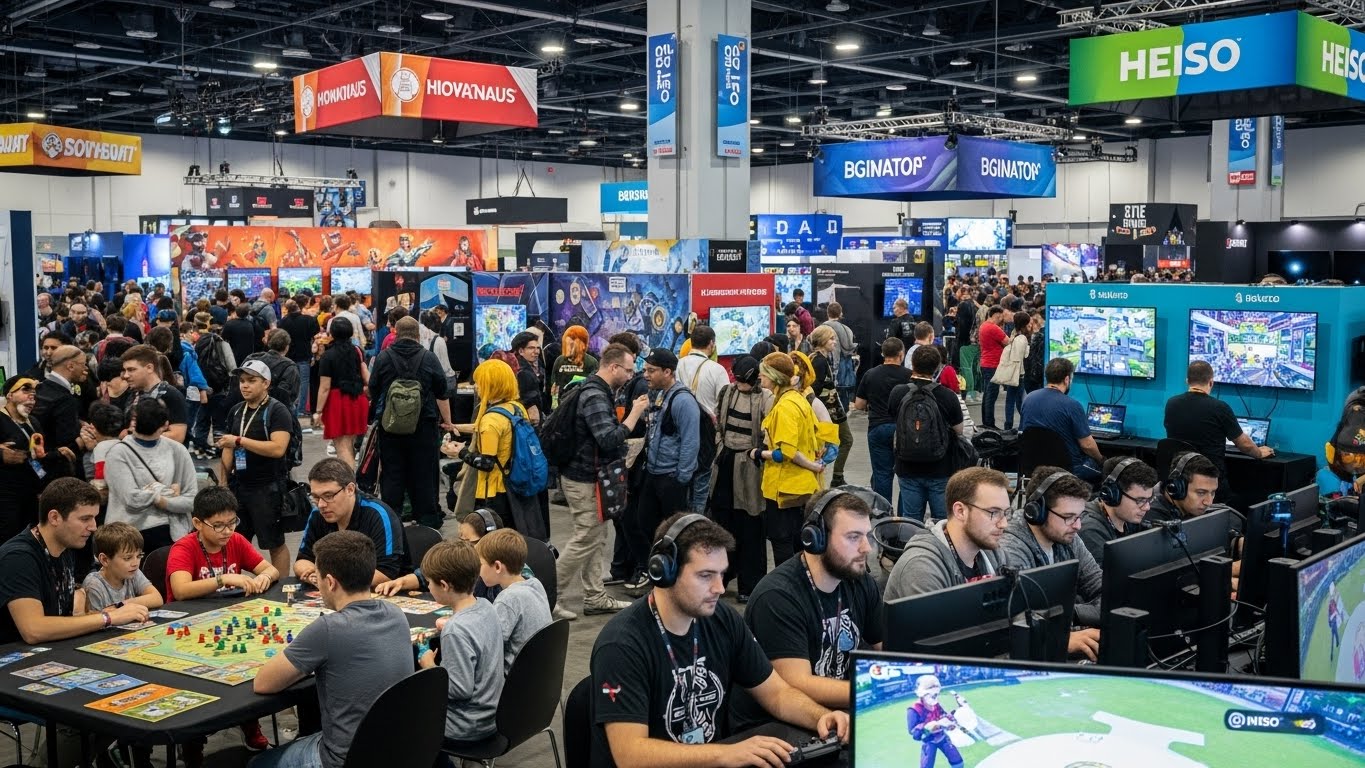
Games foster social connections by bringing players together. Multiplayer games, online communities, and gaming events create shared experiences that encourage teamwork, friendship, and collaboration. Competitive gaming, in particular, can build a sense of belonging and camaraderie among players.
Educational Value
Games are increasingly being used as educational tools. Educational video games, simulations, and gamified learning platforms make learning more interactive and engaging. Through problem-solving, strategy, and critical thinking, games can enhance cognitive development and improve decision-making skills.
Mental and Physical Benefits
While often criticized for promoting sedentary behavior, games can also provide mental and emotional benefits. Strategic and puzzle games challenge the brain, improve concentration, and enhance memory. Physical games, particularly motion-controlled and VR games, encourage physical activity and coordination. Additionally, games can serve as a form of stress relief and relaxation, offering players an escape from the pressures of daily life.
The Business of Games: An Industry of Billions
The gaming industry has grown into a multi-billion-dollar global enterprise. Video games, mobile apps, board games, and esports generate revenue through game sales, subscriptions, microtransactions, advertising, and merchandise.
Esports, in particular, has emerged as a professional sector, with players, teams, and organizations earning substantial incomes through competitive gaming. Streaming platforms such as Twitch and YouTube Gaming have created new opportunities for content creators, fostering a vibrant ecosystem around gaming entertainment.
The Future of Games: Emerging Trends
The future of gaming promises continued innovation and expansion. Emerging trends include:
Cloud Gaming
Cloud gaming allows players to stream games directly to devices without the need for high-end hardware. This technology reduces barriers to entry and enables gaming on a wider range of devices, from smartphones to smart TVs.
Artificial Intelligence in Games
Artificial intelligence (AI) is transforming game design, creating dynamic environments, adaptive challenges, and intelligent non-player characters. AI also personalizes gameplay experiences, tailoring challenges and content to individual players.
Cross-Platform Play
Cross-platform gaming enables players to compete or cooperate across different devices and platforms. This inclusivity expands player communities and enhances the social aspect of gaming.
Gamification Beyond Entertainment
The principles of gaming are increasingly applied in non-gaming contexts, such as education, health, and workplace productivity. Gamification uses game mechanics to motivate engagement, encourage learning, and promote positive behavior, demonstrating the far-reaching influence of games in society.
Conclusion: The Enduring Appeal of Games
Games have evolved from simple pastimes into complex, interactive experiences that entertain, educate, and connect people worldwide. They are a testament to human creativity, technological innovation, and the desire for challenge and social interaction.
As technology continues to advance, games will become more immersive, interactive, and inclusive, bridging the gap between digital and physical worlds. Their cultural, social, and educational significance will continue to grow, solidifying their place as one of the most influential forms of entertainment in human history.
Whether it’s rolling dice in a board game, competing in an esports tournament, or exploring virtual worlds, games will remain an essential part of the human experience, bringing joy, connection, and inspiration to players around the globe.