
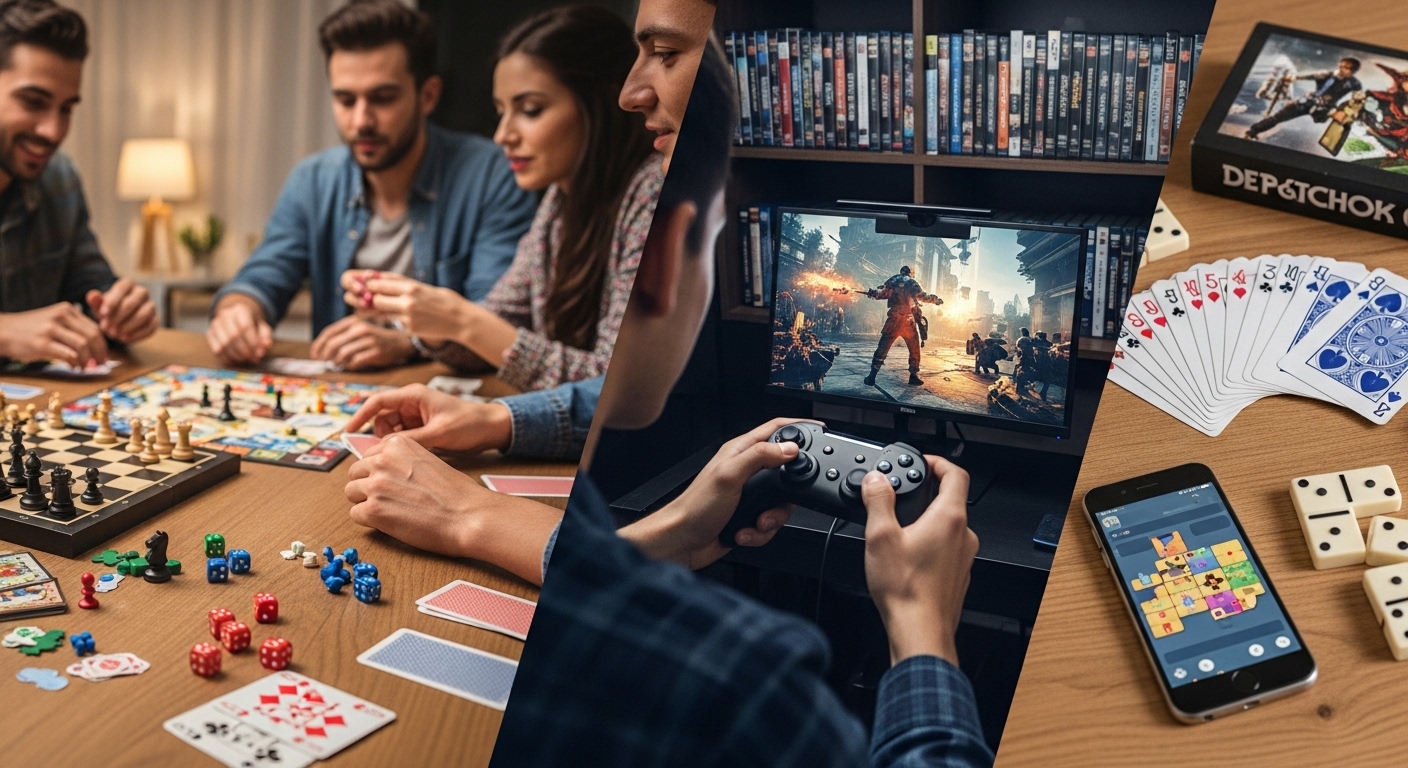
Games have been a central part of human culture for centuries. From ancient civilizations to the digital age, games have served as a source of entertainment, social interaction, and even education. Whether it’s the timeless joy of a simple card game or the immersive experiences offered by the latest virtual reality (VR) titles, games have evolved in both complexity and scope. In this blog post, we’ll explore the fascinating journey of games throughout history, how they have shaped our social and cultural landscapes, and where they might be heading in the future.
The Origins of Games: A Glimpse into Ancient History
Games have been a part of human civilization for as long as we have evidence of organized societies. The earliest recorded games date back to around 5000 BCE. Archaeological findings suggest that ancient Egyptians, for example, played a game called Senet, which is considered one of the first known board games. Senet was not just a form of entertainment but also had spiritual significance, as it was believed to represent the journey of the soul through the afterlife.
The ancient Mesopotamians played a game called the Royal Game of Ur, which was a strategy board game that combined luck and skill. Similarly, the Greeks and Romans enjoyed games like dice and various types of gambling games. These early games were typically simple, involving basic strategies and luck, but they laid the foundation for the more complex games that would emerge in the centuries to come.
The Birth of Modern Board Games
As time progressed, so did the complexity of games. By the 19th century, board games began to take a more recognizable form, with standardized rules and structured gameplay. One of the most iconic games of this era was Monopoly, which was created in 1935 and became a cultural staple across the world. Monopoly’s rise in popularity also marked the beginning of a golden age for tabletop games. The classic board game Scrabble soon followed, and new strategy games such as Risk and Clue gained massive traction.
During the same period, card games like Poker and Bridge became increasingly popular, particularly in social settings and casinos. These games, often based on chance and strategy, would become central to the entertainment culture in both the U.S. and Europe. The social aspect of games was becoming just as important as the gameplay itself, with family gatherings and parties often revolving around a shared game experience.
The Advent of Video Games: A New Era of Digital Entertainment
While board games and card games were flourishing, the 20th century ushered in an entirely new form of gaming: video games. The origins of video gaming can be traced back to the late 1940s and early 1950s when scientists and engineers began experimenting with computers and interactive entertainment. One of the earliest examples is Tennis for Two, created in 1958 by physicist William Higinbotham, which allowed players to engage in a simple game of tennis on an oscilloscope screen.
However, it wasn’t until the 1970s that video games truly began to take off. The release of Pong in 1972 by Atari marked the first commercially successful video game, providing the foundation for the video game industry we know today. In the years that followed, the gaming world expanded with arcade games, early home consoles, and personal computer games. Titles like Space Invaders and Pac-Man became cultural icons, and arcades became social hubs for teenagers and young adults.
The 1980s and 1990s saw the rise of iconic gaming consoles like the Nintendo Entertainment System (NES) and the Sega Genesis, along with a host of legendary franchises such as Super Mario, The Legend of Zelda, and Sonic the Hedgehog. These games, along with the technological advancements in graphics and sound, changed the way people interacted with games. Instead of simply moving pieces around a board, players could now control characters and immerse themselves in vast, fantastical worlds.
The Internet and Online Gaming Revolution
The 1990s and early 2000s marked another significant turning point in the evolution of games: the advent of online gaming. With the rise of the internet, games were no longer limited to single-player or local multiplayer experiences. The concept of massively multiplayer online role-playing games (MMORPGs) like World of Warcraft and first-person shooters like Counter-Strike revolutionized how players interacted with each other in virtual spaces.
Online gaming allowed people from all over the world to come together, compete, cooperate, and form virtual communities. The rise of internet cafes, where people could meet up to play games like Warcraft and Starcraft, created a new social space, further enhancing the connection between gaming and social interaction. This new era of online gaming saw the explosion of genres such as multiplayer battle royales, team-based shooters, and competitive eSports.
eSports, in particular, grew to become a billion-dollar industry, with professional leagues, sponsorships, and global tournaments like The International for Dota 2 and League of Legends World Championship bringing in millions of viewers worldwide. These events elevated gaming into the realm of professional sports, further solidifying its place in mainstream culture.
The Mobile Gaming Explosion
In the 2010s, the rise of smartphones and tablets added a new dimension to the gaming world. Mobile gaming took the industry by storm, with casual games like Angry Birds, Candy Crush, and Clash of Clans attracting millions of players across the globe. Mobile devices brought gaming to a new, wider audience, as people could now play on the go, during commutes, or even while waiting in line.
Mobile gaming’s accessibility and convenience helped break down barriers for players of all ages. Unlike traditional gaming consoles, which often required dedicated setups and physical discs, mobile games could be downloaded with a simple tap and played instantly. The microtransaction model, where players can make small purchases for in-game items or bonuses, also allowed developers to monetize games in new ways, making mobile gaming a profitable industry.
The Rise of Virtual Reality and Augmented Reality
As technology continued to advance, the gaming industry entered another new frontier: virtual reality (VR) and augmented reality (AR). VR, which allows players to immerse themselves in fully digital environments through the use of specialized headsets, is rapidly gaining popularity. Games like Beat Saber, Half-Life: Alyx, and The Walking Dead: Saints & Sinners have demonstrated the potential of VR to create an incredibly immersive gaming experience.
Similarly, augmented reality games like Pokémon Go have allowed players to interact with digital elements overlaid onto the real world. The global success of Pokémon Go in 2016 proved that AR could bring new layers of interactivity to gaming, merging the digital and physical worlds in ways previously unseen. The potential for VR and AR in gaming is still unfolding, but it’s clear that these technologies are set to revolutionize the way we play games in the future.
The Future of Gaming: Artificial Intelligence and Beyond
Looking ahead, the future of gaming seems brighter and more innovative than ever. One of the most exciting developments is the integration of artificial intelligence (AI) into gaming. AI is already being used to create more dynamic, responsive, and intelligent non-playable characters (NPCs), and the next step will be creating games where AI adapts and responds to the player’s behavior in real time.
Another area that is likely to shape the future of gaming is the development of cloud gaming. Services like Google Stadia and Microsoft’s Xbox Cloud Gaming allow players to stream games directly to their devices, eliminating the need for powerful hardware and physical media. This could make high-quality gaming more accessible to people who may not have the budget or interest in purchasing expensive consoles or gaming PCs.
Additionally, the integration of blockchain technology and non-fungible tokens (NFTs) in gaming could change the way in-game items are bought, sold, and owned. The potential for players to have real, tradable ownership of digital assets like skins, characters, and other virtual goods may create new economic ecosystems within gaming.
Conclusion: Games as a Cultural Cornerstone
Games have come a long way from their ancient roots in simple board games and dice rolls. Today, they are a vital part of global culture, influencing everything from social interactions to art, storytelling, and even education. The rise of digital and online games has expanded the reach of games, turning them into a multi-billion-dollar industry that transcends borders and connects people from all walks of life.
As technology continues to advance, games will likely evolve even further, incorporating new ways to engage players, tell stories, and create virtual worlds. Whether through virtual reality, augmented reality, AI, or blockchain, the future of gaming is filled with exciting possibilities.
One thing is certain: as long as there is a desire for entertainment, competition, and connection, games will continue to be an essential part of our lives. The evolution of games is a testament to humanity’s unending quest for creativity, interaction, and fun.