

Introduction
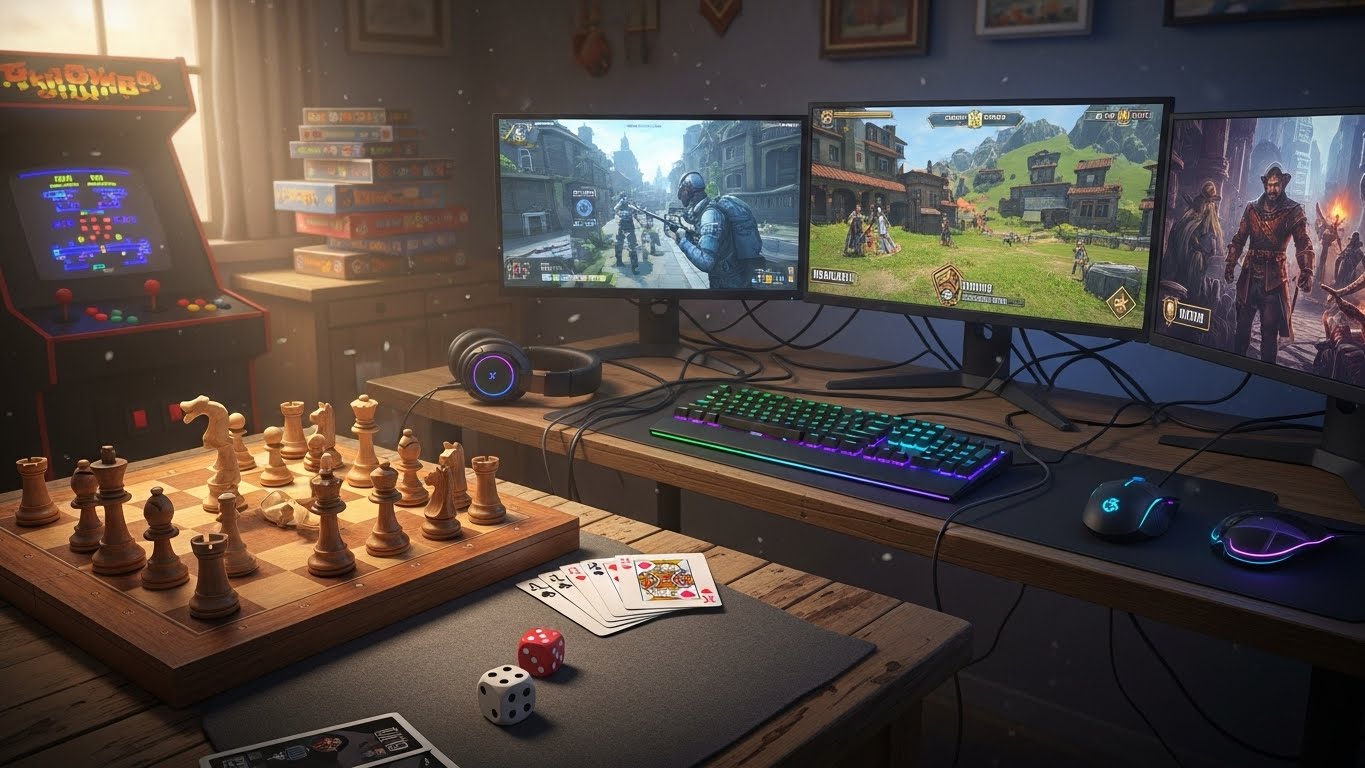
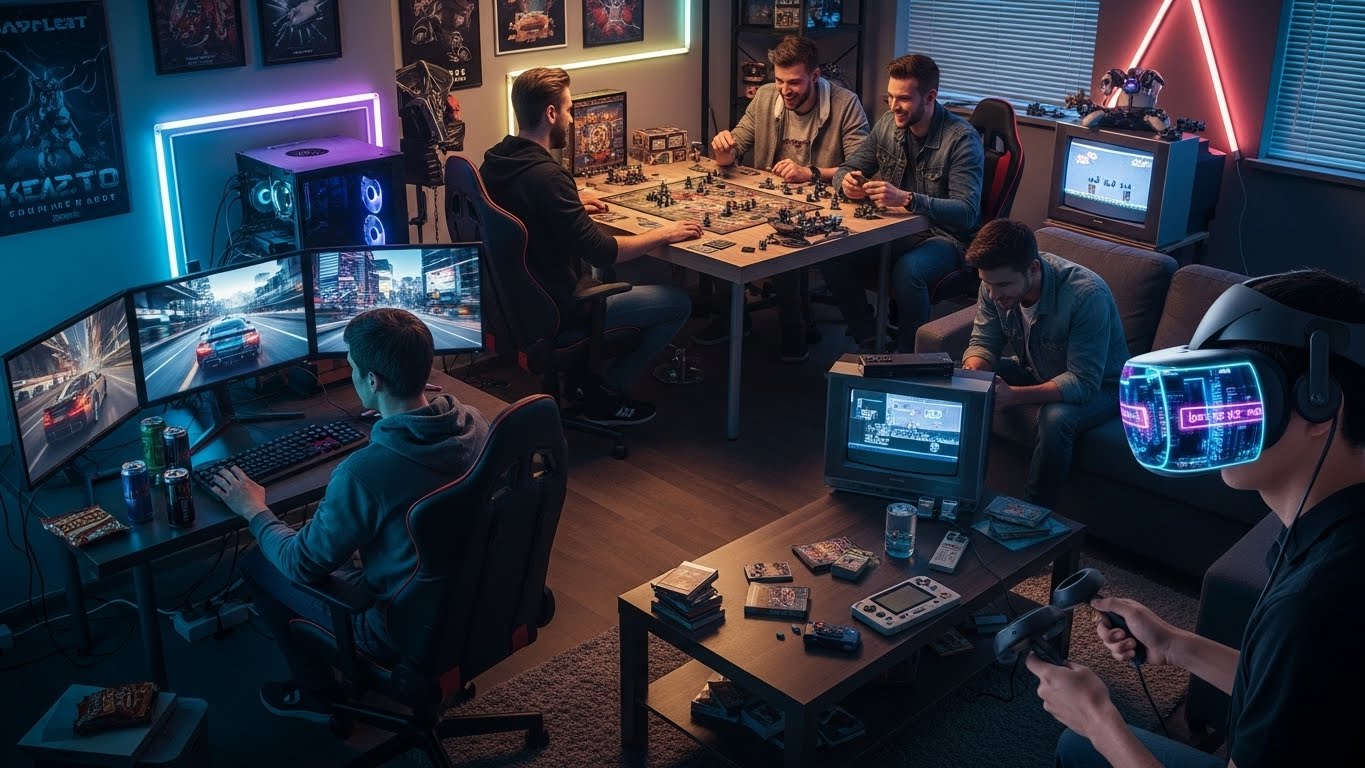
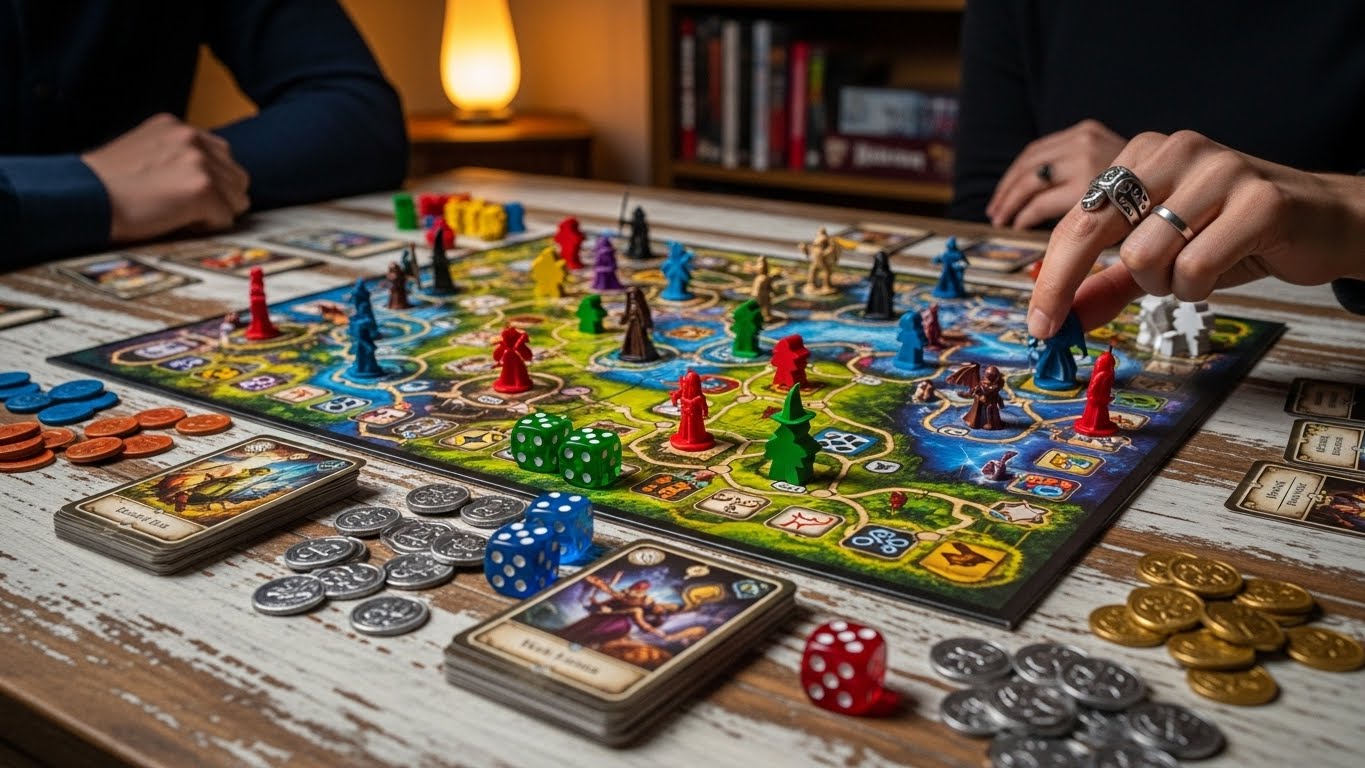
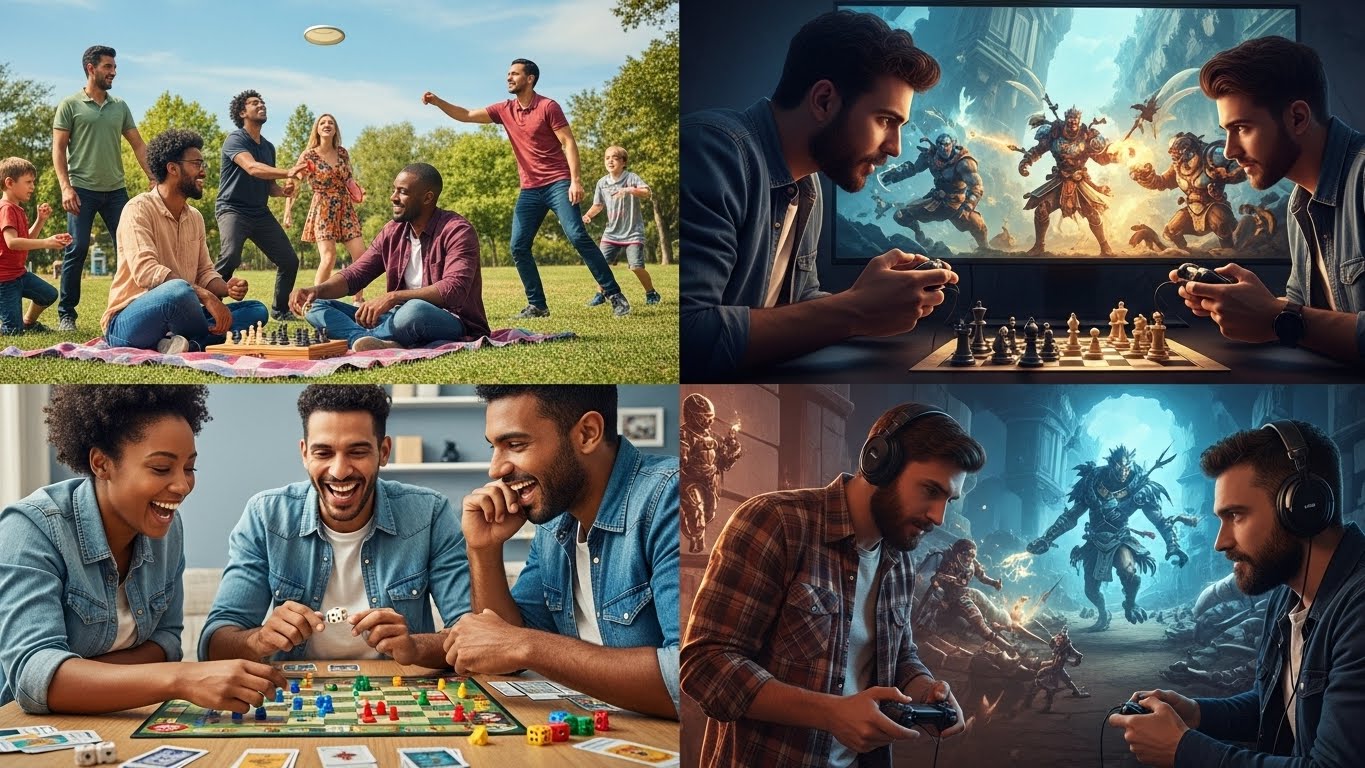
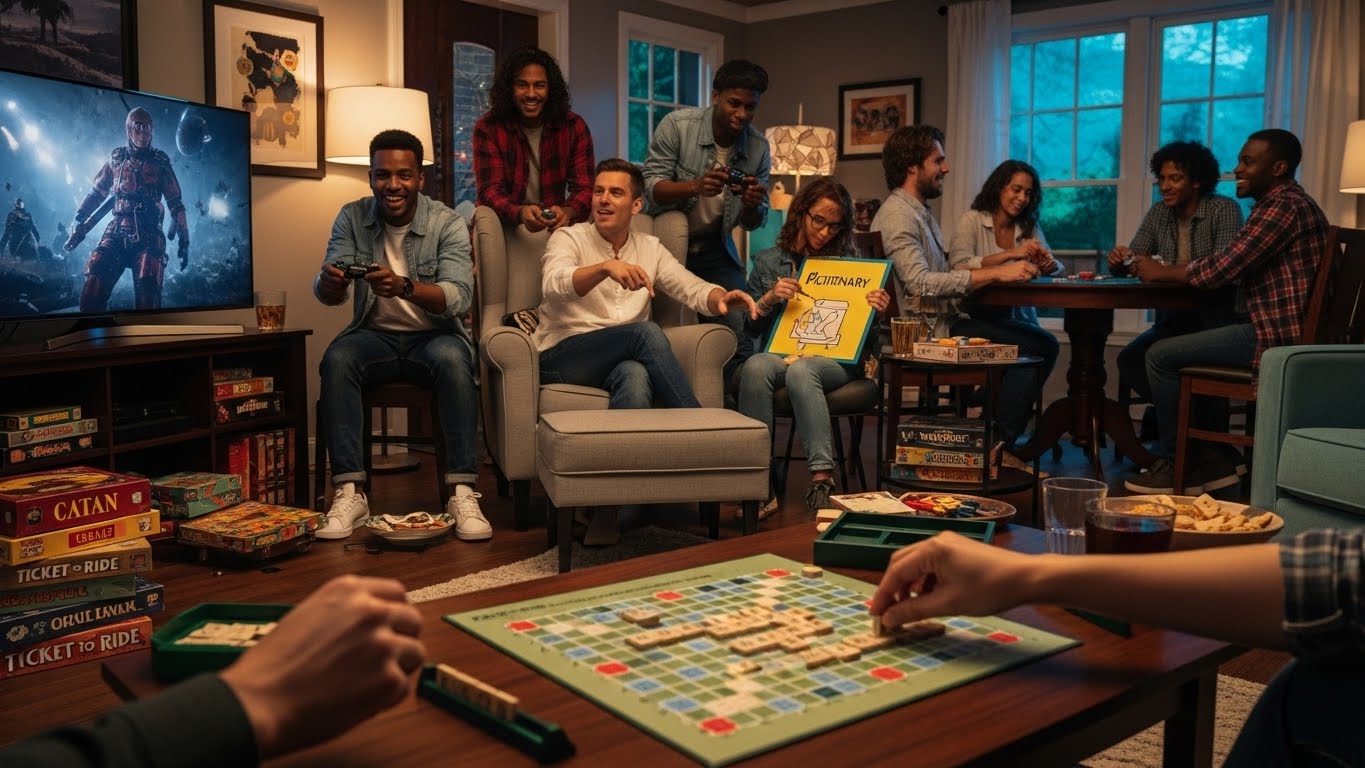
Gaming has evolved into one of the most dominant forms of entertainment in the world, shaping cultures and influencing generations. What was once a simple form of leisure has grown into a global phenomenon, encompassing not just video games, but also board games, online multiplayer experiences, esports, and mobile gaming. Over the years, the technology behind games has rapidly advanced, pushing the boundaries of what games can offer. This evolution in gaming reflects societal changes, technological advancements, and the growing need for interactive, immersive experiences. From humble beginnings as family-friendly activities to today’s ultra-realistic, multiplayer universes, the world of gaming is far more than just play.
The Early Beginnings of Games
The history of gaming dates back thousands of years. Early forms of games were simple yet served as a vital part of social interaction, learning, and cultural development. Ancient civilizations, such as the Egyptians and the Greeks, played games that revolved around strategy, luck, and skill. Board games like Senet, which date back to around 3100 BC, have been found in the tombs of Egyptian pharaohs, while the Greeks invented dice games, many of which focused on chance and prediction.
These games were often used to train military leaders, sharpen minds, and provide entertainment during religious ceremonies or leisure times. In essence, early games helped shape human society by promoting critical thinking and fostering social relationships.
The Rise of Modern Games and Video Games
The 20th century saw the rapid development of games that would eventually evolve into the digital experiences we know today. The introduction of commercial video games in the 1970s changed the landscape of entertainment forever. Arcade games like Pong and Space Invaders were the first to captivate the masses, offering a thrilling combination of skill, challenge, and entertainment.
As video game consoles like the Atari 2600 and the Nintendo Entertainment System (NES) entered homes across the world, gaming started to shift from the arcade to living rooms. With titles like Super Mario Bros., The Legend of Zelda, and Tetris, the gaming experience became accessible to a wider audience, from children to adults. It was during these early days of home consoles that gaming began to take its place as a mainstream form of entertainment.
The 1990s and 2000s introduced more sophisticated graphics, 3D environments, and immersive storylines. Games like Final Fantasy VII, Super Mario 64, and The Legend of Zelda: Ocarina of Time set the stage for what would later become an era of cinematic, narrative-driven video games. These games were not just about high scores—they were about telling stories and creating worlds that players could get lost in.
The Rise of Online Gaming and Multiplayer Experiences
As the internet began to permeate households in the late 1990s, online gaming emerged as a groundbreaking development in the industry. No longer did players need to gather in person to play together; they could now connect across continents in real-time. The first massively multiplayer online games (MMOs), like EverQuest and World of Warcraft, provided sprawling digital worlds where thousands of players could interact, collaborate, and compete.
This shift in gaming didn’t just change how games were played; it changed how people viewed gaming as a social activity. Titles like Counter-Strike, Halo, and later, Fortnite, brought competitive multiplayer experiences to the forefront, allowing players to form teams, build communities, and engage in digital competitions. Online gaming became a social platform, where friendships were formed, and virtual communities were created.
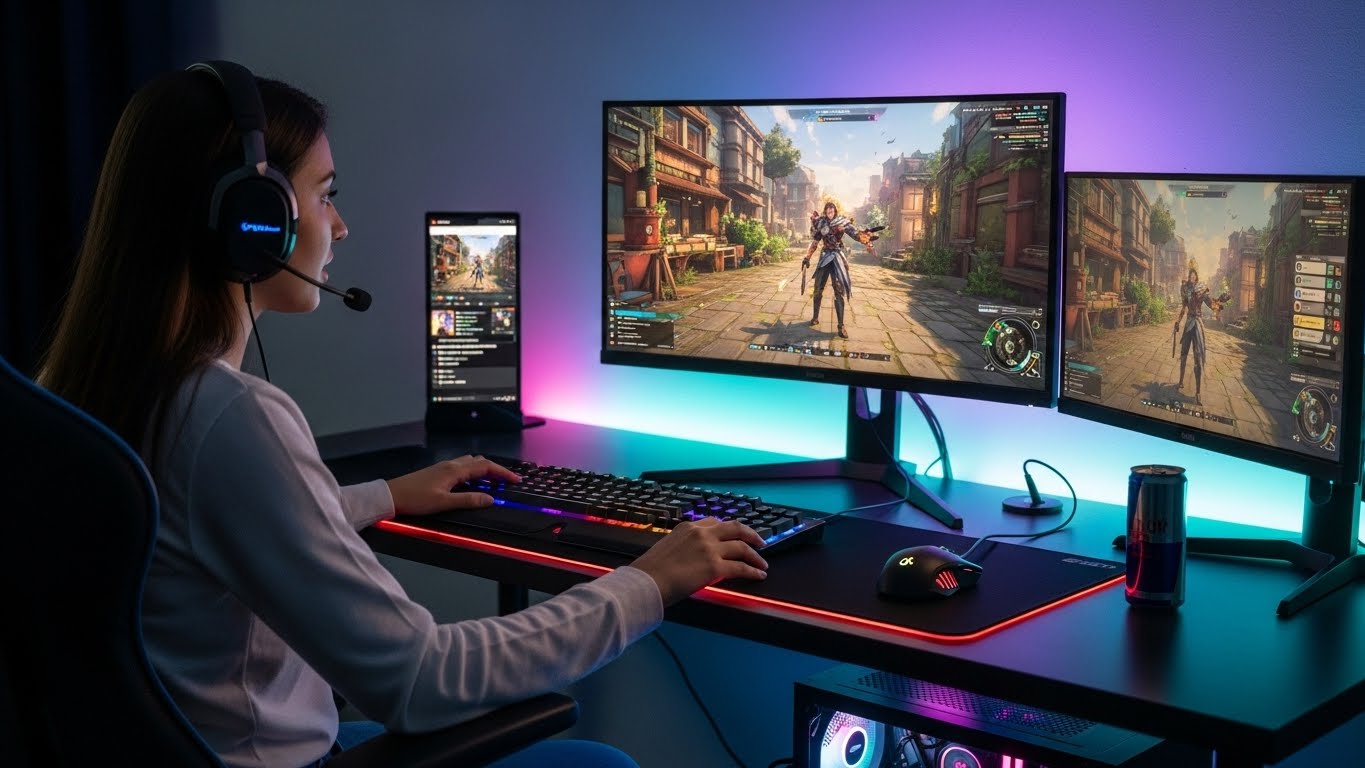
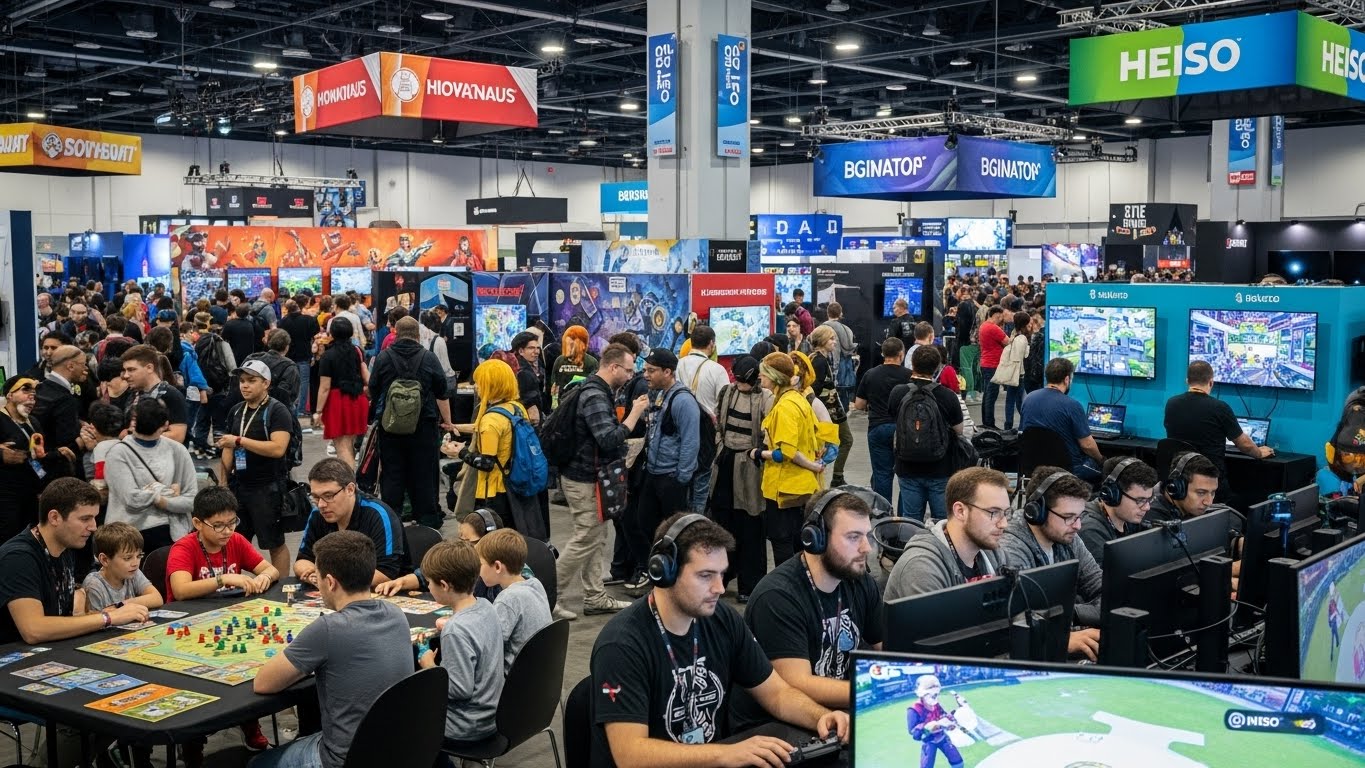
The expansion of online games also brought forth the rise of esports—competitive video gaming as a professional career. Esports tournaments now attract millions of viewers worldwide, with players competing for multimillion-dollar prizes. Esports has transformed gaming from a hobby into a legitimate career, offering sponsorships, streaming opportunities, and professional leagues.
Mobile Gaming: The Democratization of Play
The next major revolution in gaming came with the advent of mobile technology. As smartphones became more advanced, games evolved to meet the needs of users who wanted to play on the go. Mobile games like Angry Birds, Candy Crush Saga, and Clash of Clans turned into global sensations, with millions of people across all age groups engaging in simple, yet addictive, gameplay.
The beauty of mobile gaming lies in its accessibility. Unlike traditional consoles that require expensive hardware, mobile games are easy to access and cost little to play, making them appealing to a vast audience. Free-to-play models, with optional in-game purchases, have also made mobile games more accessible, removing barriers to entry and allowing anyone with a smartphone to dive into the world of gaming.
With the rise of mobile gaming, casual gaming became a more prominent part of the industry. These games didn’t require hours of commitment or complex mechanics, making them perfect for players who sought short, enjoyable gaming sessions during their spare time. As a result, mobile gaming is now one of the largest segments of the gaming industry.
The Role of Technology in Gaming Evolution
The rapid pace of technological innovation continues to push the boundaries of gaming. The graphics, artificial intelligence (AI), and immersive experiences that we now take for granted were once impossible to imagine. In the 21st century, high-definition graphics, realistic physics engines, and complex character models have become the standard, providing players with lifelike worlds to explore.
The introduction of virtual reality (VR) and augmented reality (AR) has been another significant development in gaming. With VR headsets like Oculus Rift and PlayStation VR, players can now immerse themselves in fully interactive worlds that simulate real-life experiences. AR, popularized by games like Pokémon GO, merges the digital and physical worlds, encouraging players to engage with their environment in new ways.
AI has also transformed the way games are designed and played. Game characters now exhibit realistic behaviors, reacting to player actions and providing more dynamic and challenging gameplay experiences. AI-driven procedural generation, as seen in games like Minecraft and No Man’s Sky, allows for endless, ever-changing worlds, ensuring that no two gaming experiences are alike.
The Impact of Games on Culture and Society
Beyond entertainment, games have had a profound impact on culture, education, and even politics. They have become vehicles for storytelling, providing immersive experiences that explore complex themes such as morality, heroism, and survival. Games like The Last of Us, Red Dead Redemption 2, and BioShock have tackled issues of loss, inequality, and political corruption, proving that games can be more than just entertainment—they can be an art form.
In terms of education, games have proven to be valuable tools for teaching problem-solving, critical thinking, and teamwork. Educational games are used in classrooms to teach subjects like mathematics, history, and science, while serious games simulate real-world problems in fields such as medicine, architecture, and engineering. Gamification—incorporating game-like elements into non-game contexts—has been shown to increase engagement and motivation, helping students and workers alike reach their goals.
Socially, games have provided a platform for communities to thrive. Players connect with others worldwide, forming friendships and networks. Online multiplayer games allow players to engage in cooperative activities, while esports fosters global competition. Streaming platforms like Twitch and YouTube have allowed gamers to share their experiences with a broader audience, turning gaming into a social event.
Challenges and Controversies in Gaming
Despite its widespread popularity, gaming faces its share of challenges and controversies. Issues such as video game addiction, the portrayal of violence, and the representation of gender and race in games are topics that continue to spark debate.
Video game addiction has become a growing concern, with some players spending excessive amounts of time immersed in virtual worlds. Game developers are working to implement features that promote healthier gaming habits, such as mandatory breaks or time limits.
The portrayal of violence in games has also come under scrutiny, particularly in light of real-world violence. While many studies suggest no direct link between violent games and violent behavior, the issue remains a point of contention among parents, lawmakers, and gaming critics.
Finally, representation in gaming has long been a topic of conversation. Historically, video games have been criticized for their lack of diverse characters and storylines. However, in recent years, there has been a push for greater inclusivity, with more games featuring female protagonists, LGBTQ+ characters, and stories that reflect diverse cultures and experiences.
The Future of Gaming
Looking forward, the future of gaming is bright and full of potential. The integration of VR, AR, and AI will continue to redefine the gaming experience, providing players with even more immersive and interactive environments. The growth of cloud gaming will make it easier for players to access high-quality games without the need for expensive hardware, leveling the playing field and allowing gaming to reach new audiences.
Esports will continue to expand, with larger tournaments, bigger prize pools, and a wider audience. Games themselves will become more socially connected, with integrated live events, social hubs, and interactive experiences that bring players closer together.
As games continue to evolve, the line between reality and fiction will become increasingly blurred. New technology will push the boundaries of what’s possible, allowing players to explore new frontiers in both virtual and physical spaces. Gaming, once thought of as just a hobby, is now a central part of our lives, culture, and society.
Conclusion
Gaming has come a long way since its early days, evolving from simple leisure activities into immersive, complex experiences that shape culture, society, and entertainment. Whether through online multiplayer games, mobile apps, or cutting-edge virtual reality, gaming has become a vital part of our daily lives. As technology continues to advance, the possibilities for gaming are limitless. From storytelling and education to social connections and competition, gaming’s impact on the world will only continue to grow, proving that the power of play is here to stay.