

Introduction
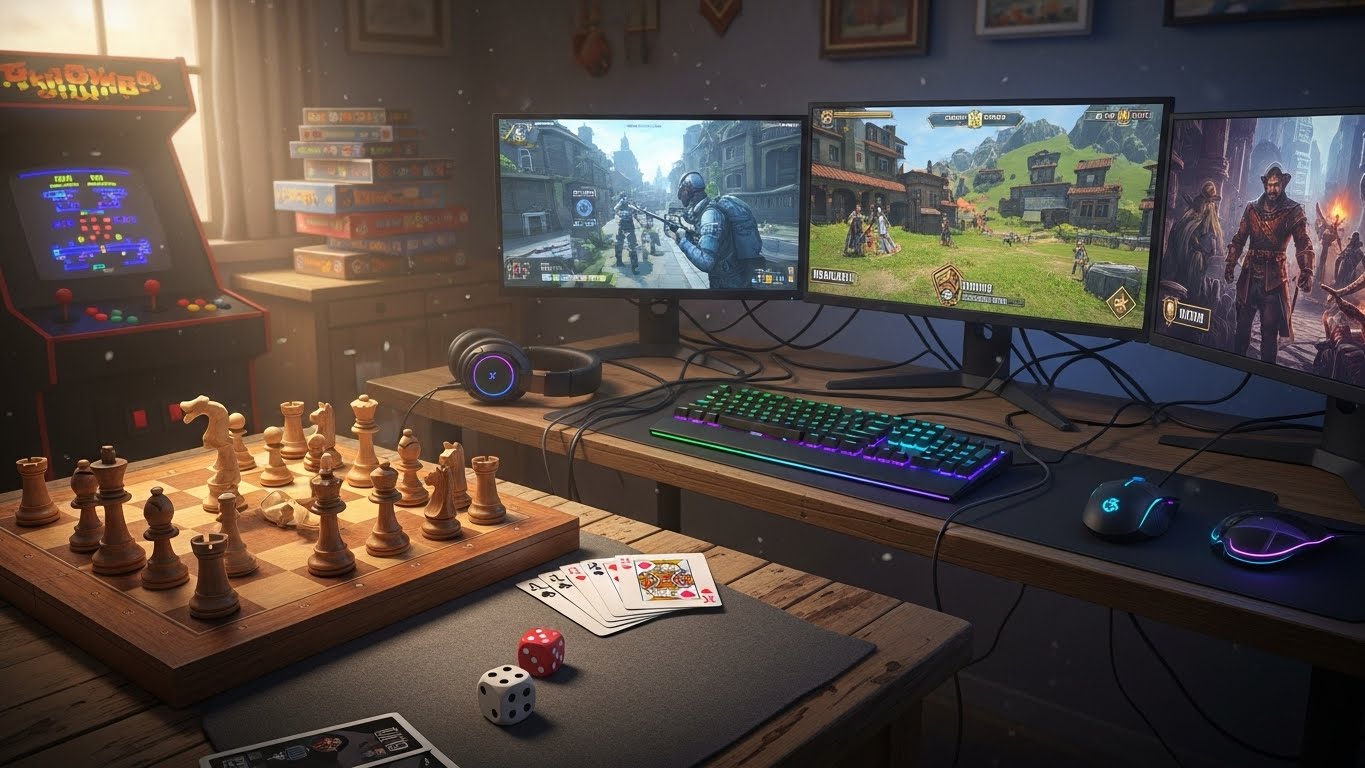
Games have been an essential part of human culture for centuries. From ancient board games to modern digital experiences, they have provided entertainment, fostered social connections, and even contributed to education and skill development. The gaming industry has evolved dramatically, moving from simple physical activities to immersive digital environments accessible to millions worldwide. This blog explores the history, impact, and future of games, offering insight into how they have transformed entertainment and influenced society.
The Origins of Gaming
The history of gaming can be traced back thousands of years. Ancient civilizations developed board games, strategy games, and physical competitions as forms of entertainment and social interaction. Games such as Senet in Egypt and Go in China were not only recreational but also tools for developing strategic thinking. Over time, games spread across cultures, evolving in complexity and rules. These early games laid the foundation for modern gaming, demonstrating humanity’s enduring fascination with challenge, competition, and play.
The Rise of Video Games
The 20th century brought a revolution in gaming with the introduction of video games. In the 1970s, arcade games and home consoles like the Atari 2600 introduced interactive digital entertainment. Titles such as Pong and Space Invaders captured the imagination of players and marked the beginning of a new era. The 1980s and 1990s saw rapid technological advancement, with companies like Nintendo and Sega producing iconic games and consoles that became household names. Video games transformed gaming from a physical activity into a virtual experience, expanding the possibilities for creativity and interaction.
Different Types of Games
Modern games can be categorized into various types, each offering unique experiences. Video games include action, adventure, role-playing, simulation, and strategy games, catering to different interests and skill levels. Board games remain popular, with modern versions incorporating complex strategies and narratives. Mobile games have emerged as one of the fastest-growing sectors, offering casual, accessible gameplay for smartphones and tablets. Additionally, online multiplayer games connect players globally, creating social experiences that transcend geographical boundaries. Each type of game serves different purposes, from entertainment and relaxation to education and skill development.
The Role of Technology in Gaming
Technology has been a driving force in the evolution of games. Advancements in graphics, processing power, and artificial intelligence have transformed simple digital experiences into highly immersive worlds. Virtual reality and augmented reality technologies have taken gaming to a new level, allowing players to interact with digital environments in unprecedented ways. Mobile technology has made gaming more accessible, enabling players to enjoy games anywhere and at any time. Online connectivity has also facilitated multiplayer experiences, connecting millions of players around the globe in real time.
Psychology and Gaming
Games are more than entertainment; they engage the human mind and emotions in powerful ways. Many games incorporate elements of challenge, reward, and progression that stimulate motivation and satisfaction. Role-playing and strategy games encourage critical thinking and problem-solving, while social games foster collaboration and communication. Gamification techniques, such as achievements, levels, and leaderboards, enhance engagement and provide a sense of accomplishment. Understanding the psychological aspects of gaming helps explain why people are drawn to games and why they can be so compelling.
Gaming as a Social Experience
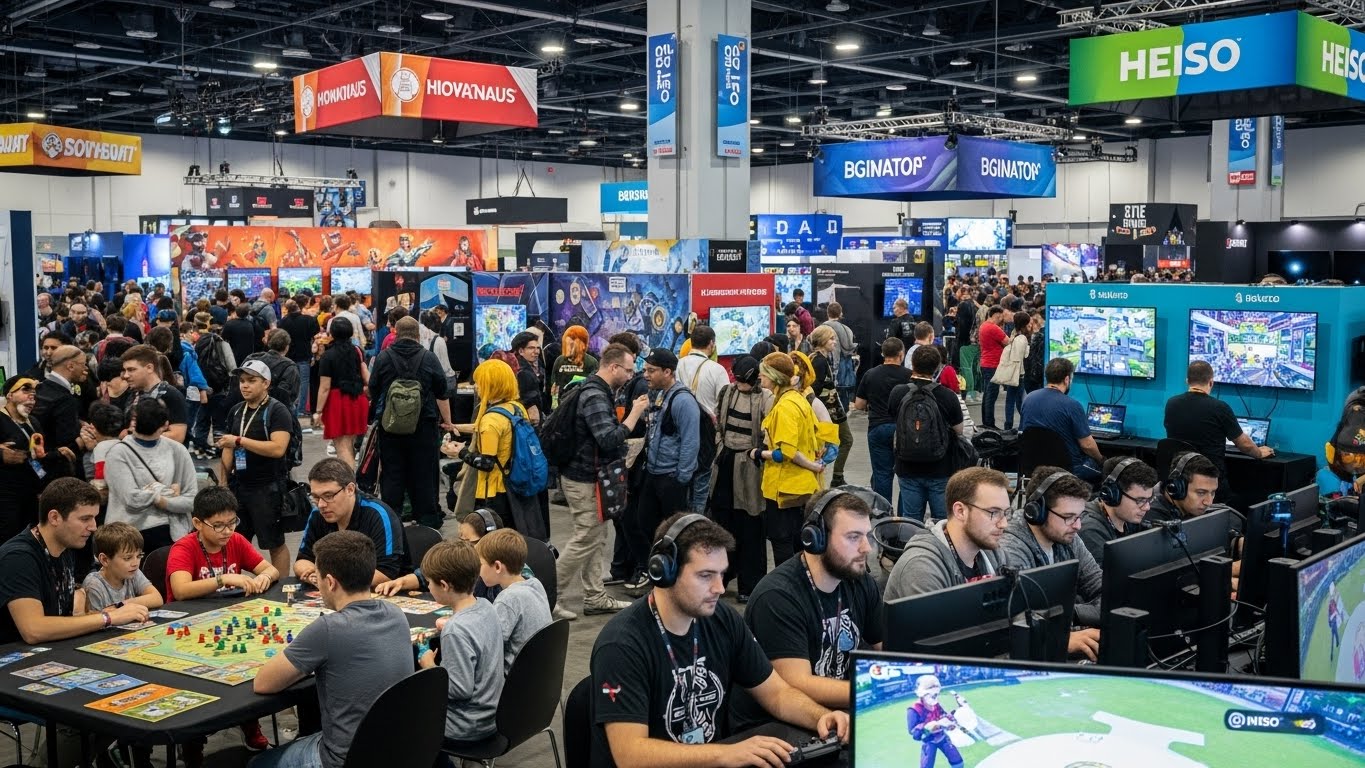
Contrary to stereotypes of solitary players, modern games are often highly social experiences. Online multiplayer games, esports tournaments, and cooperative gameplay allow players to interact, collaborate, and compete with others worldwide. Social features, including chat functions, forums, and in-game communities, create connections that extend beyond the game itself. For many, gaming is a way to make friends, share experiences, and engage in collective challenges. This social dimension has contributed significantly to the popularity and growth of the gaming industry.
Economic Impact of Gaming
The gaming industry is a global economic powerhouse, generating billions of dollars in revenue annually. It encompasses not only game development but also hardware manufacturing, streaming, esports, and related sectors. Major studios, indie developers, and mobile app creators contribute to a dynamic ecosystem that drives innovation and job creation. Gaming has also influenced other industries, including entertainment, technology, and marketing. Its economic impact highlights the significance of games beyond mere leisure, establishing them as a central element of modern culture and commerce.
Educational Benefits of Games
Games are increasingly recognized for their educational potential. Strategy and puzzle games enhance critical thinking, problem-solving, and decision-making skills. Simulation games allow players to explore complex systems, such as city planning, business management, or historical scenarios. Educational games designed specifically for learning combine fun with curriculum-based content, making subjects like math, science, and language more engaging. Gamification in education has proven effective in motivating students, fostering creativity, and promoting active learning.
Trends Shaping the Future of Gaming
The gaming industry is continuously evolving, with trends shaping its future. Mobile and cloud gaming are expanding accessibility, allowing players to stream games without expensive hardware. Virtual and augmented reality are enhancing immersion, creating experiences that feel lifelike and interactive. Artificial intelligence is improving game design, customizing experiences, and enabling smarter non-player characters. Social integration and esports are creating professional opportunities and community-driven engagement. The future of gaming promises greater interactivity, personalization, and inclusivity, appealing to an ever-growing audience.
Challenges in the Gaming Industry
Despite its growth, gaming faces several challenges. Concerns about screen time, addiction, and exposure to inappropriate content are significant issues, especially among younger audiences. Security and privacy risks in online gaming require constant vigilance. The industry also faces challenges related to inclusivity, ensuring representation and accessibility for diverse players. Additionally, competition is fierce, pushing developers to innovate while managing production costs and audience expectations. Addressing these challenges is essential for the sustainable growth of gaming.
The Cultural Impact of Games
Games have become a major cultural phenomenon, influencing art, music, storytelling, and social trends. Iconic game franchises have inspired movies, books, and merchandise, creating immersive fictional universes that resonate with fans. Gaming communities contribute to fan art, streaming content, and online discussions, shaping popular culture. The narratives, characters, and experiences provided by games have become part of the collective imagination, demonstrating the profound cultural significance of this medium.
The Rise of Esports
Esports has emerged as one of the most significant developments in gaming. Competitive gaming tournaments attract millions of viewers worldwide, offering professional players opportunities to earn substantial incomes. Games like League of Legends, Dota 2, and Counter-Strike have become global phenomena, with organized leagues and sponsorship deals similar to traditional sports. Esports not only legitimizes gaming as a professional pursuit but also strengthens community engagement and fan participation.
Responsible Gaming Practices
As games become more immersive and accessible, responsible gaming practices are essential. Encouraging breaks, setting limits, and balancing gaming with other activities help maintain a healthy relationship with games. Parents and educators play a crucial role in guiding younger players, ensuring they benefit from the positive aspects of gaming while minimizing potential risks. Responsible gaming ensures that games remain a source of entertainment, skill development, and social connection rather than a source of harm.
Conclusion
Games have evolved from simple recreational activities to complex, immersive digital experiences that shape entertainment, culture, and society. They provide not only enjoyment but also educational benefits, social connections, and professional opportunities. Technology continues to drive innovation, creating new forms of gameplay, interactivity, and engagement. Despite challenges, games remain a powerful medium that resonates with people of all ages and backgrounds. As the industry grows and evolves, games will continue to influence the way we play, learn, and connect, solidifying their place as a central part of human experience.