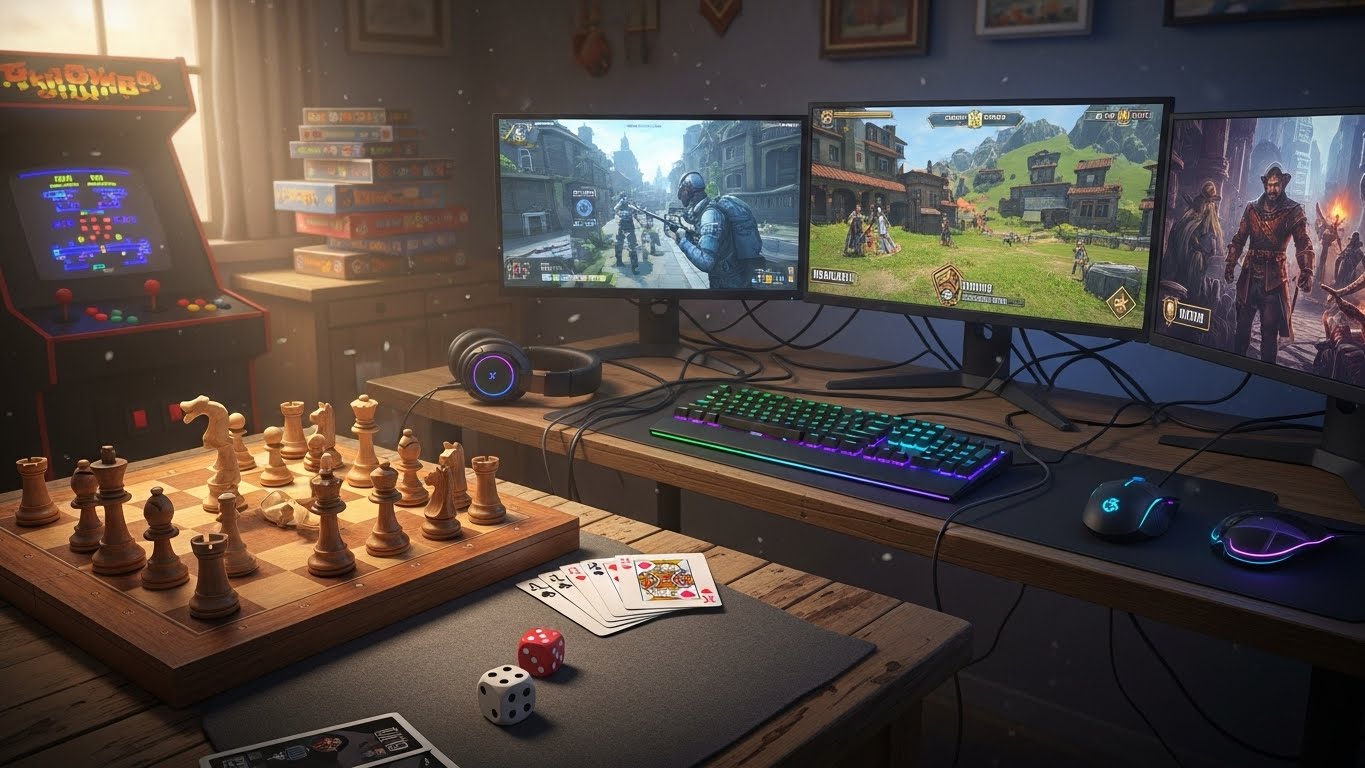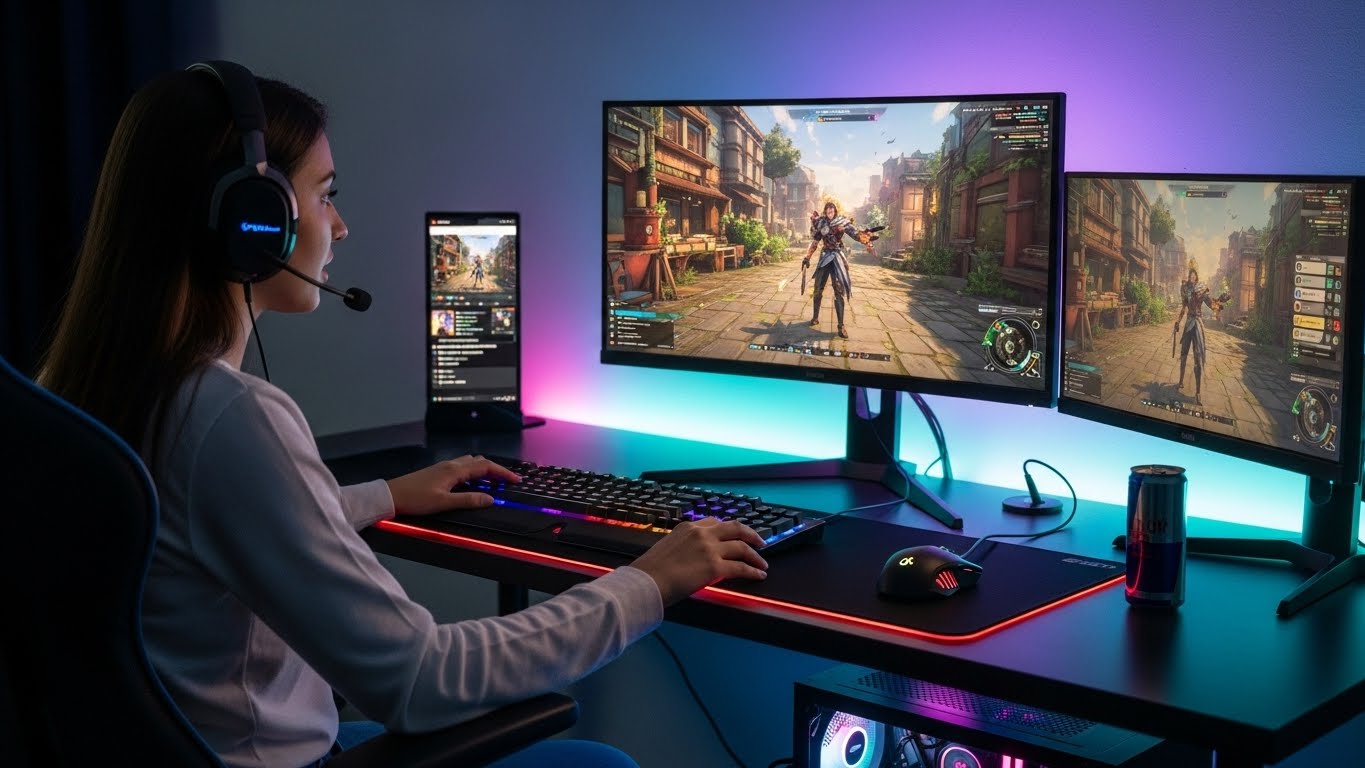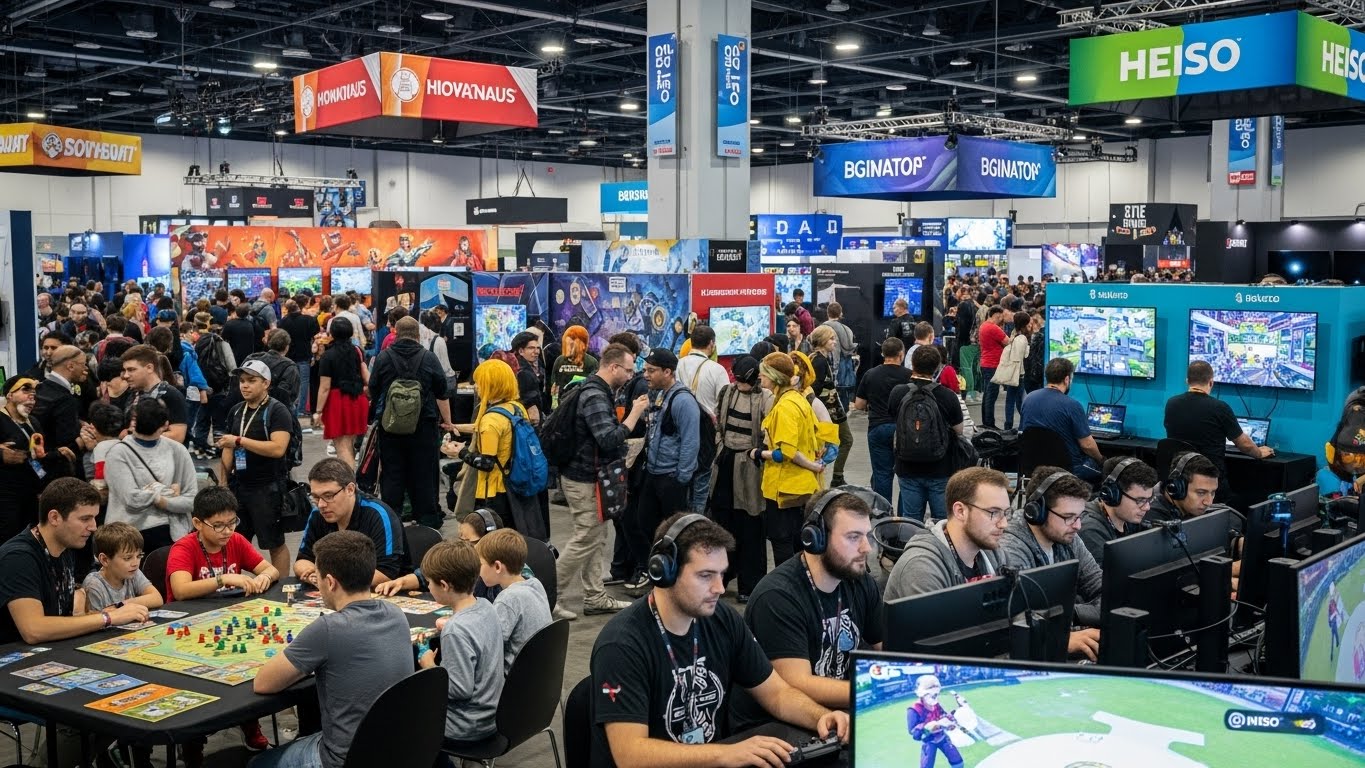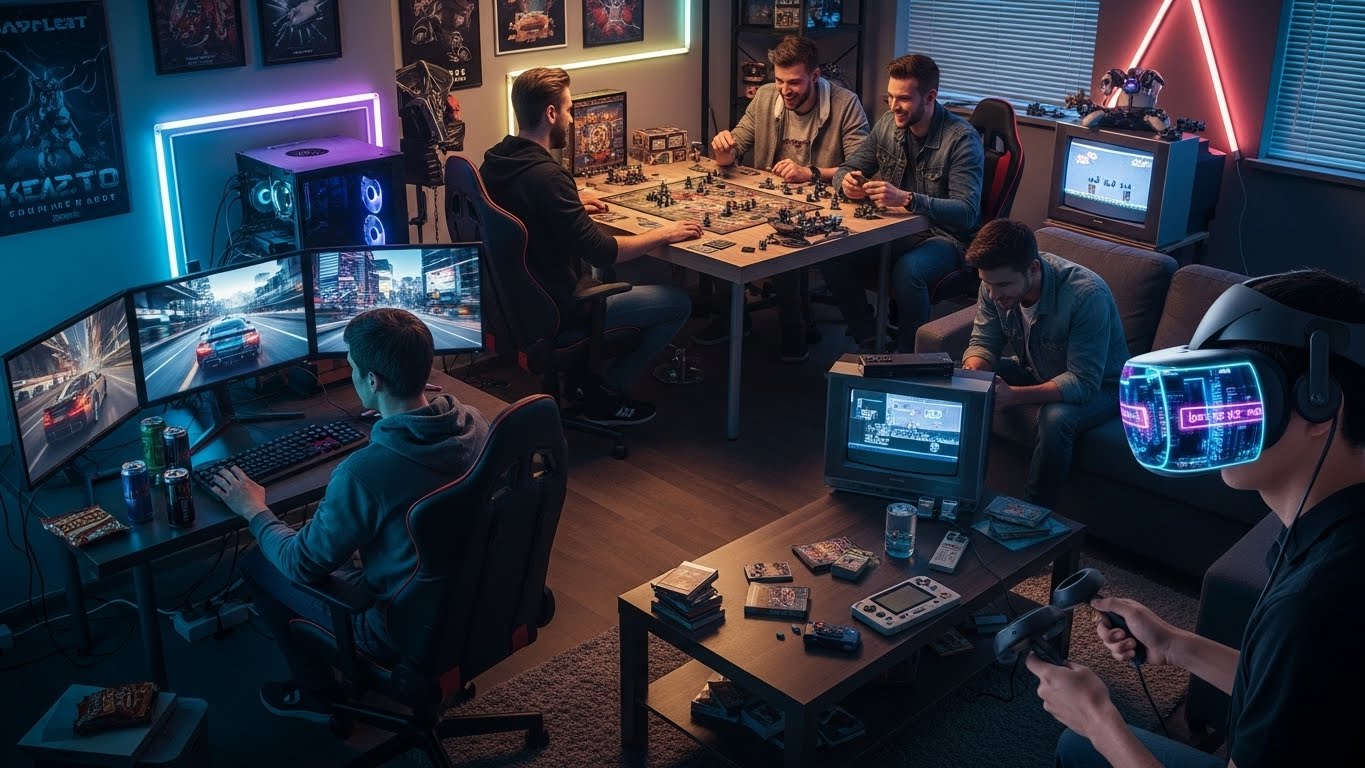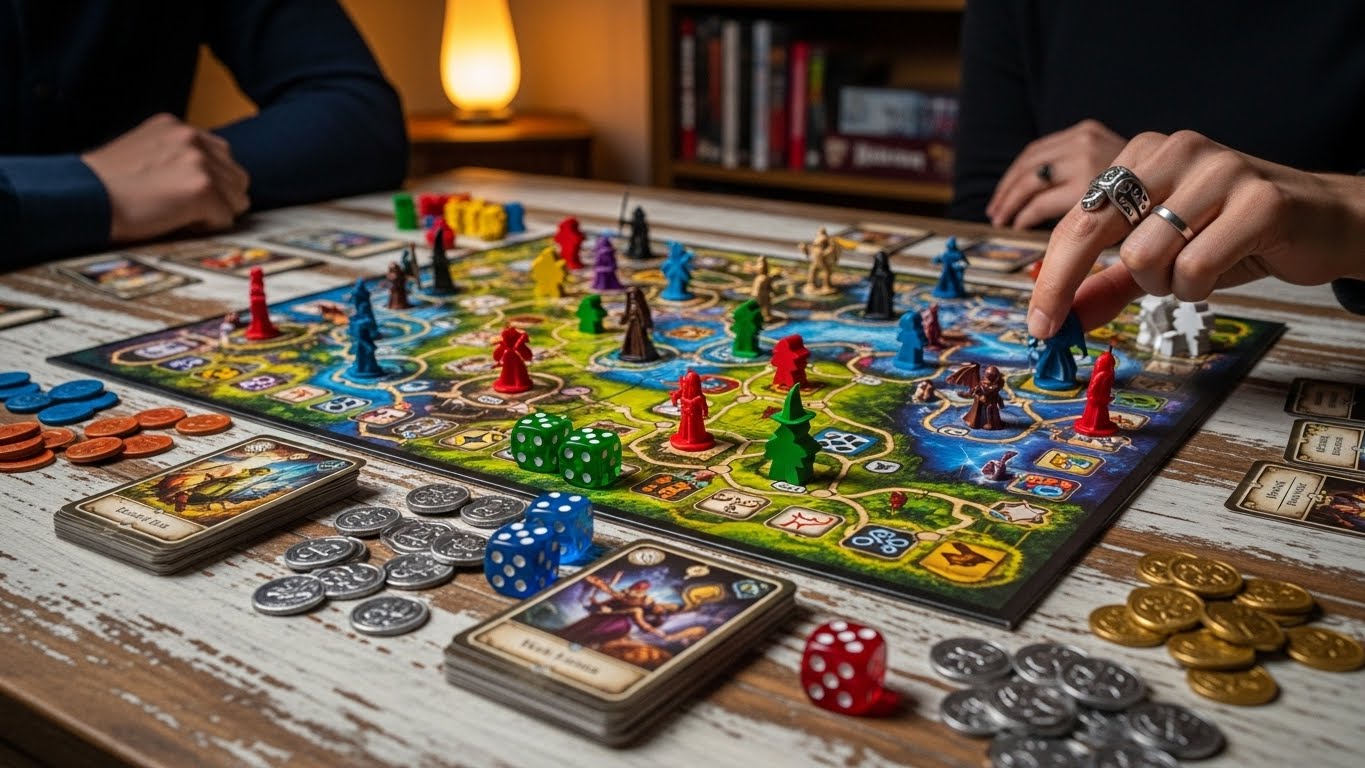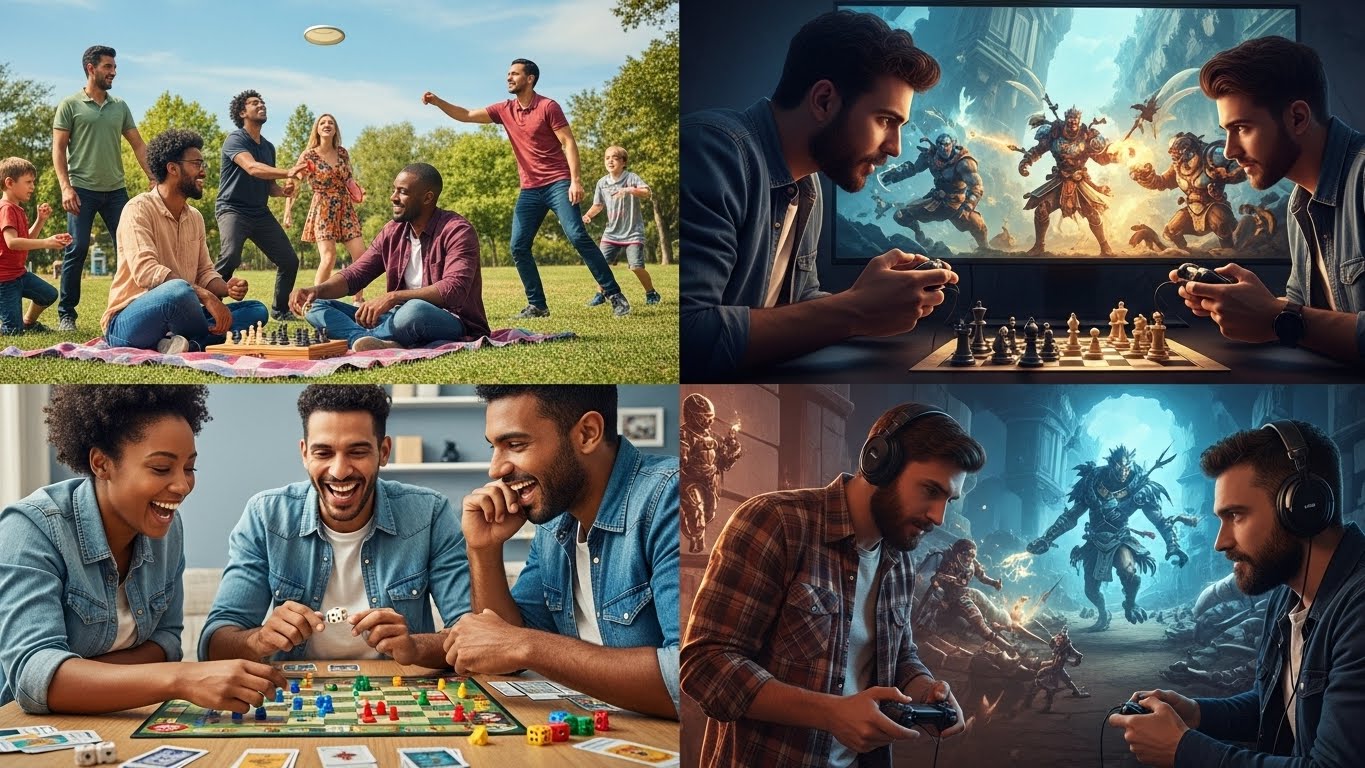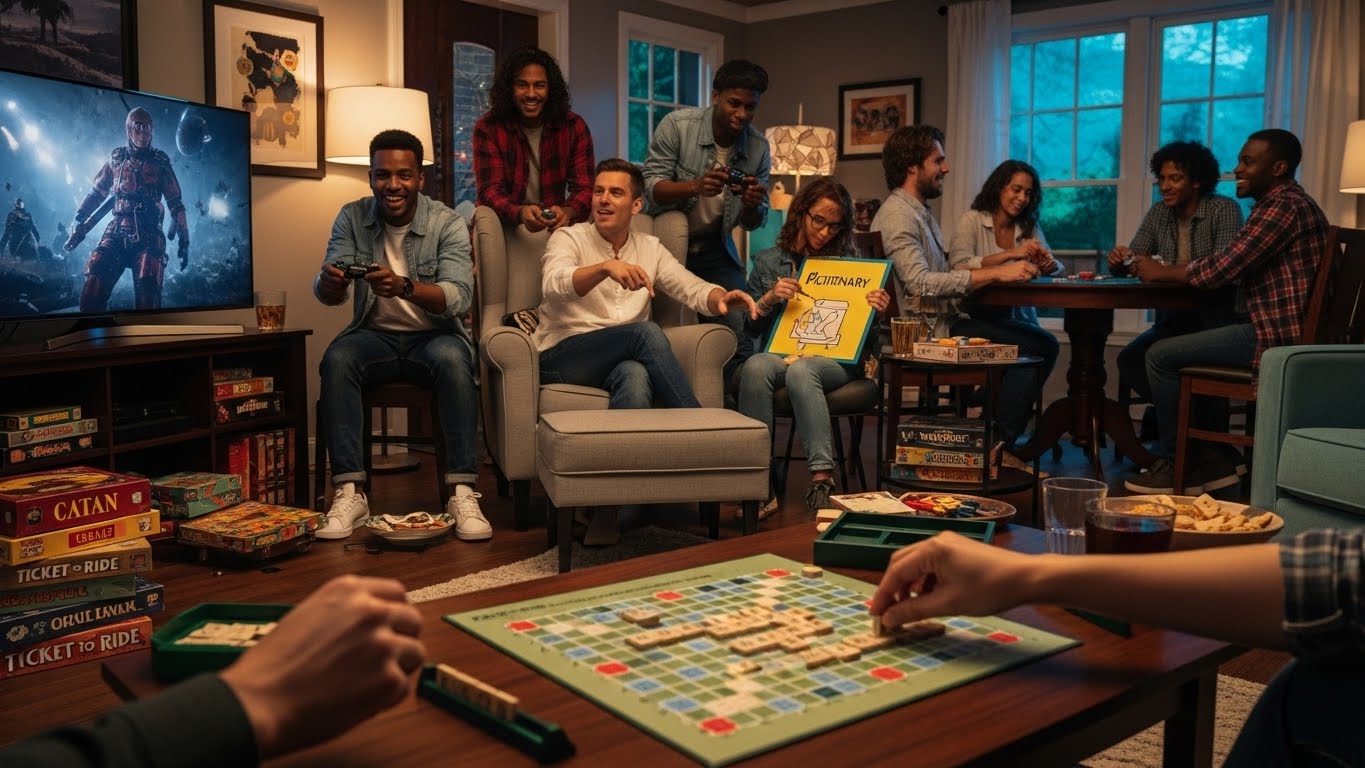


Games have been a fundamental part of human life since ancient times. They have evolved from simple activities carved on stones or played with sticks to complex digital universes that captivate millions of people around the globe. Whether it’s a friendly match of chess, an intense round of football, or a virtual battle in a digital world, games reflect the essence of human imagination, strategy, and social interaction. In this blog, we will explore the vast and dynamic universe of games — their history, impact, psychology, and the role they play in shaping both individuals and societies.
The Ancient Origins of Games
Games have existed for thousands of years, long before technology ever entered the picture. Archaeologists have discovered evidence of board games dating back to 3500 BCE. The ancient Egyptians played Senet, a game believed to represent the journey of the soul to the afterlife. In ancient China, the game Go was developed over 2,500 years ago and is still played today, admired for its incredible depth and simplicity.
Similarly, the Greeks and Romans used games as both entertainment and education. The ancient Olympic Games were not only physical contests but also cultural celebrations, emphasizing the importance of competition, honor, and community. These early examples show that games have always been more than mere pastimes — they are reflections of culture and values.
The Evolution of Games Through Time
As civilizations grew, so did their games. From medieval jousting tournaments to Renaissance chess, from children’s play in the streets to royal courts’ strategic competitions, every era has shaped games in unique ways. In the 19th and 20th centuries, the rise of industrialization and leisure time led to the birth of modern board games such as Monopoly, Scrabble, and Risk. These games became family staples, offering opportunities for social bonding and strategic thinking.
The mid-20th century introduced a revolutionary change — the birth of electronic games. The first video game, “Tennis for Two,” was created in 1958, followed by “Pong” in 1972. From that point onward, the world of gaming entered a new era, one driven by technology, creativity, and global connection.
The Rise of Video Games
The 1970s and 1980s were the golden decades of arcade gaming. Titles like Space Invaders, Pac-Man, and Donkey Kong became cultural phenomena. For the first time, people could experience immersive, interactive entertainment in ways that movies or books could not provide. The home console revolution began soon after, with companies like Atari, Nintendo, and Sega bringing video games into living rooms across the world.
In the 1990s and 2000s, the rise of computers and the internet expanded the possibilities even further. Games like Doom and Quake introduced players to first-person shooting experiences, while online multiplayer games such as World of Warcraft created vast digital worlds where millions of people could connect, cooperate, and compete. This period also gave birth to storytelling masterpieces like Final Fantasy, The Legend of Zelda, and Metal Gear Solid — games that blurred the line between entertainment and art.
The Modern Gaming Era
Today, gaming is one of the most influential industries in the world. It rivals movies and music in global revenue and has become a dominant form of entertainment for all ages. From mobile games like Candy Crush to competitive esports titles like League of Legends and Counter-Strike, the diversity of gaming experiences is unmatched.
Modern gaming is also defined by realism and immersion. With powerful hardware, advanced graphics, and virtual reality technologies, players can explore incredibly detailed worlds and experience lifelike interactions. Games such as The Witcher 3, Red Dead Redemption 2, and Elden Ring showcase how storytelling, art, and gameplay can merge into emotional experiences that rival any other medium.
The Psychology of Gaming
Why do people play games? The answer is deeper than simple entertainment. Games satisfy fundamental psychological needs. They provide a sense of achievement, autonomy, and connection. When players overcome challenges, unlock levels, or achieve high scores, their brains release dopamine — the chemical associated with pleasure and reward. This creates motivation and engagement, making games both enjoyable and fulfilling.
Games also allow players to express creativity and imagination. Sandbox games like Minecraft let players build entire worlds from scratch, while role-playing games enable individuals to step into new identities and explore moral choices. Furthermore, multiplayer games encourage teamwork, communication, and problem-solving — skills that translate well into real-life situations.
The Social Impact of Games
Gaming is no longer a solitary activity. The internet has transformed it into a social experience. Online multiplayer games connect people across continents, cultures, and languages. Communities form around favorite titles, and players forge friendships that can last for years. Esports tournaments attract millions of viewers, and professional gamers are celebrated like athletes, earning sponsorships and fame.
Games have also become platforms for storytelling and cultural exchange. Titles like Assassin’s Creed introduce players to historical settings, while others explore social and political themes. In this way, gaming serves as both entertainment and education, broadening perspectives and promoting empathy.
The Art of Game Design
Behind every great game is a team of creative minds. Game design is an intricate process that combines art, science, and psychology. Designers craft worlds, mechanics, and narratives that engage players emotionally and intellectually. Every element — from sound effects to character movement — contributes to immersion and satisfaction.
The best games balance challenge and reward. If a game is too easy, players lose interest; if it’s too hard, frustration sets in. Striking this balance is the hallmark of skilled design. Additionally, art direction and music play crucial roles in shaping mood and tone. Iconic soundtracks, such as those from The Legend of Zelda or Halo, are as memorable as the games themselves.
Gaming and Technology
Technology continues to revolutionize gaming. The introduction of artificial intelligence has made game worlds more dynamic and responsive. NPCs (non-player characters) now exhibit realistic behaviors, and adaptive systems adjust difficulty based on player skill. Meanwhile, virtual reality (VR) and augmented reality (AR) have blurred the boundaries between the digital and physical worlds.
Cloud gaming is another innovation changing how people access games. Instead of relying on expensive consoles or PCs, players can now stream high-quality games directly to their devices. This democratization of gaming opens the door for more people to experience premium content regardless of hardware limitations.
The Role of Mobile Gaming
In the last decade, mobile gaming has become a dominant force. With smartphones in nearly every hand, games have become more accessible than ever before. Titles like Angry Birds, PUBG Mobile, and Clash of Clans have attracted billions of players worldwide. Mobile games cater to both casual and competitive audiences, offering bite-sized entertainment and deep gameplay alike.
The success of mobile gaming also demonstrates how flexible the medium can be. Developers constantly innovate with new control schemes, social features, and business models. While some criticize mobile gaming for its reliance on microtransactions, others see it as a powerful tool for engagement and accessibility.
The Competitive World of Esports
Esports has transformed gaming into a professional sport. Players train rigorously, strategize as teams, and compete in international tournaments with massive audiences. Titles like Dota 2, League of Legends, and Valorant have built thriving ecosystems with sponsors, coaches, and analysts. Esports athletes are no longer niche figures; they are icons of modern culture.
The rise of streaming platforms has amplified this phenomenon. Millions tune in to watch their favorite players and teams in real-time. For many fans, esports provides the same excitement and community that traditional sports offer, proving that competition transcends physical boundaries.
The Educational Value of Games
Beyond entertainment, games are powerful educational tools. Educational games teach subjects like math, science, and history in engaging ways. Simulations and strategy games help players develop problem-solving, critical thinking, and decision-making skills. Even non-educational games often foster cognitive growth through pattern recognition, resource management, and spatial awareness.
Educators increasingly recognize the potential of gamification — the use of game-like elements in learning environments. By incorporating points, challenges, and rewards, schools and training programs make learning more interactive and motivating.
The Cultural Influence of Games
Games influence music, movies, fashion, and even language. Iconic characters like Mario, Lara Croft, and Master Chief are recognized globally, transcending their digital origins. Game soundtracks appear in orchestral concerts, and game-inspired movies dominate box offices. The cultural footprint of gaming continues to expand, reshaping how people express creativity and connect with others.
Furthermore, games often reflect the social and political climates of their times. Titles that address war, morality, or identity encourage players to think critically about the world around them. In this way, gaming becomes a mirror of society — a medium that both entertains and provokes thought.
The Challenges of the Gaming Industry
Despite its success, the gaming industry faces challenges. Issues such as crunch culture, addiction, and online toxicity have sparked important conversations. Developers are increasingly aware of the need for healthy work environments and ethical design practices. Similarly, communities and platforms are taking steps to ensure inclusivity and positive interactions.
Another ongoing debate surrounds violence in games. While research largely shows no direct link between gaming and real-world aggression, the discussion highlights the importance of context, age-appropriateness, and parental guidance.
The Future of Gaming
Looking ahead, the future of gaming is full of exciting possibilities. Artificial intelligence will create smarter worlds and more personalized experiences. Virtual reality and augmented reality will deepen immersion, while blockchain and digital ownership may redefine how players interact with virtual assets.
The boundaries between reality and the virtual world will continue to blur. Metaverse concepts — persistent digital universes where people can socialize, work, and play — may redefine how we think about games altogether. In this future, gaming could become not just a pastime, but a central pillar of digital life.
The Human Connection Through Games
At its core, gaming is about connection — connection to others, to stories, and to the human spirit. Whether played in ancient arenas or on modern screens, games bring people together. They teach cooperation, spark creativity, and challenge us to think differently. Through competition and play, we discover not only entertainment but also lessons about perseverance, empathy, and imagination.
Conclusion
Games are far more than diversions; they are expressions of human creativity and intellect. From the earliest board games carved into stone to the sprawling virtual worlds of today, gaming has been a constant companion in humanity’s journey. It reflects our desires to compete, to explore, and to connect.
As technology advances and society evolves, games will continue to shape the way we learn, communicate, and understand one another. They bridge generations, cultures, and even realities. The story of games is, in many ways, the story of humanity itself — an endless quest for joy, challenge, and meaning.