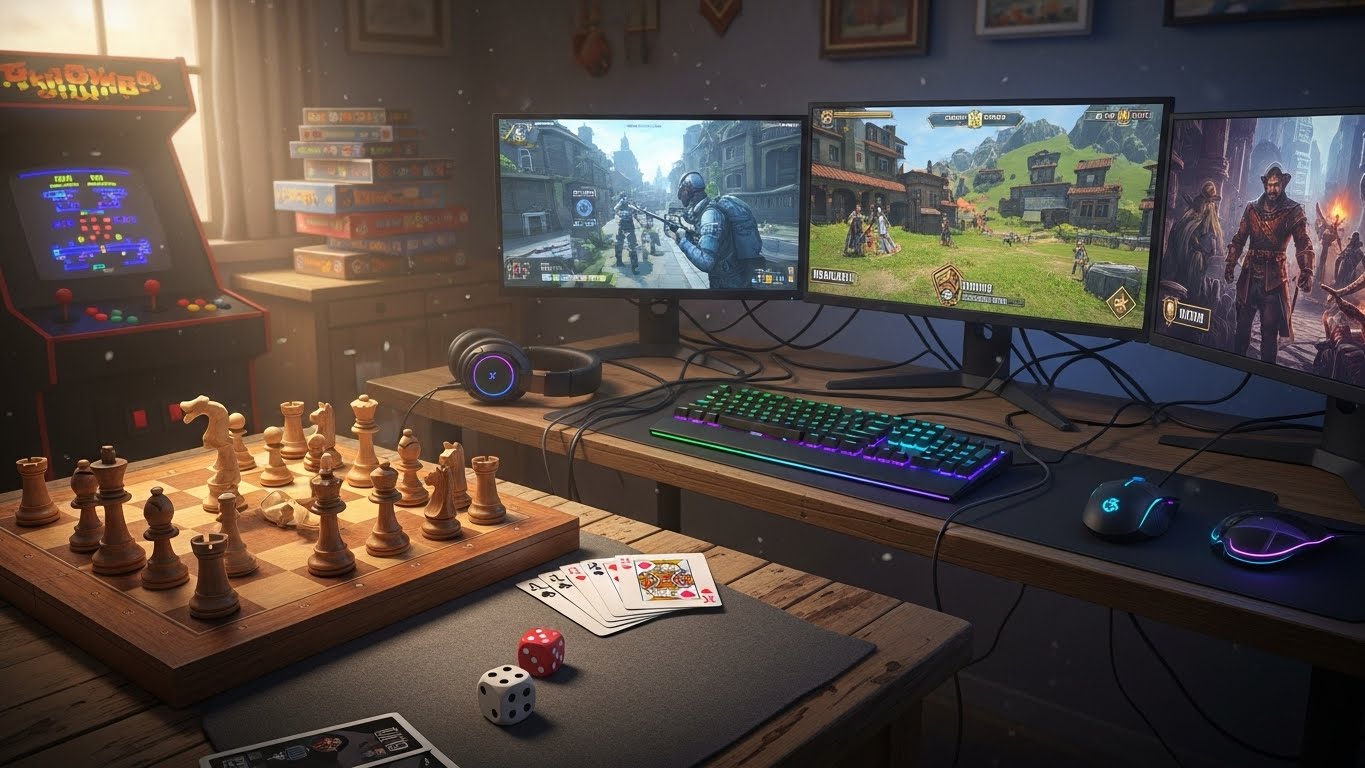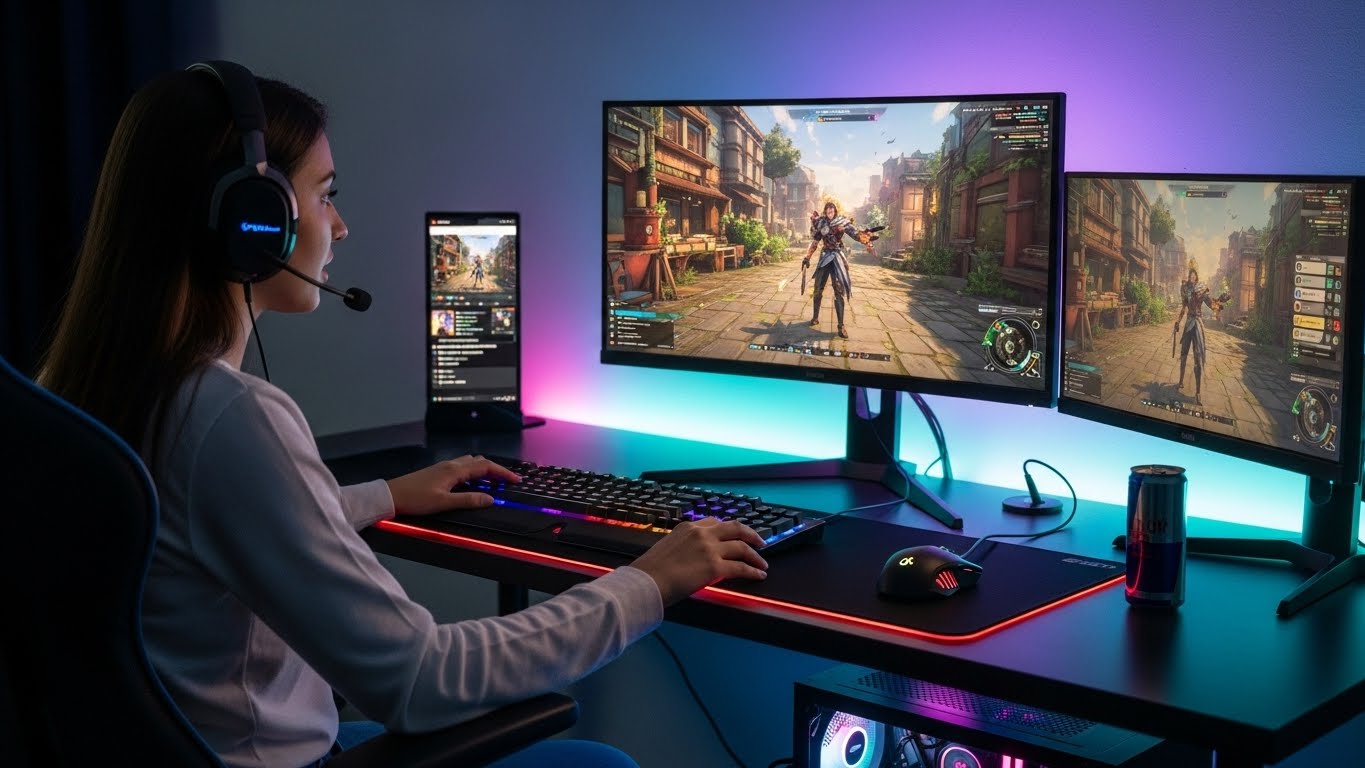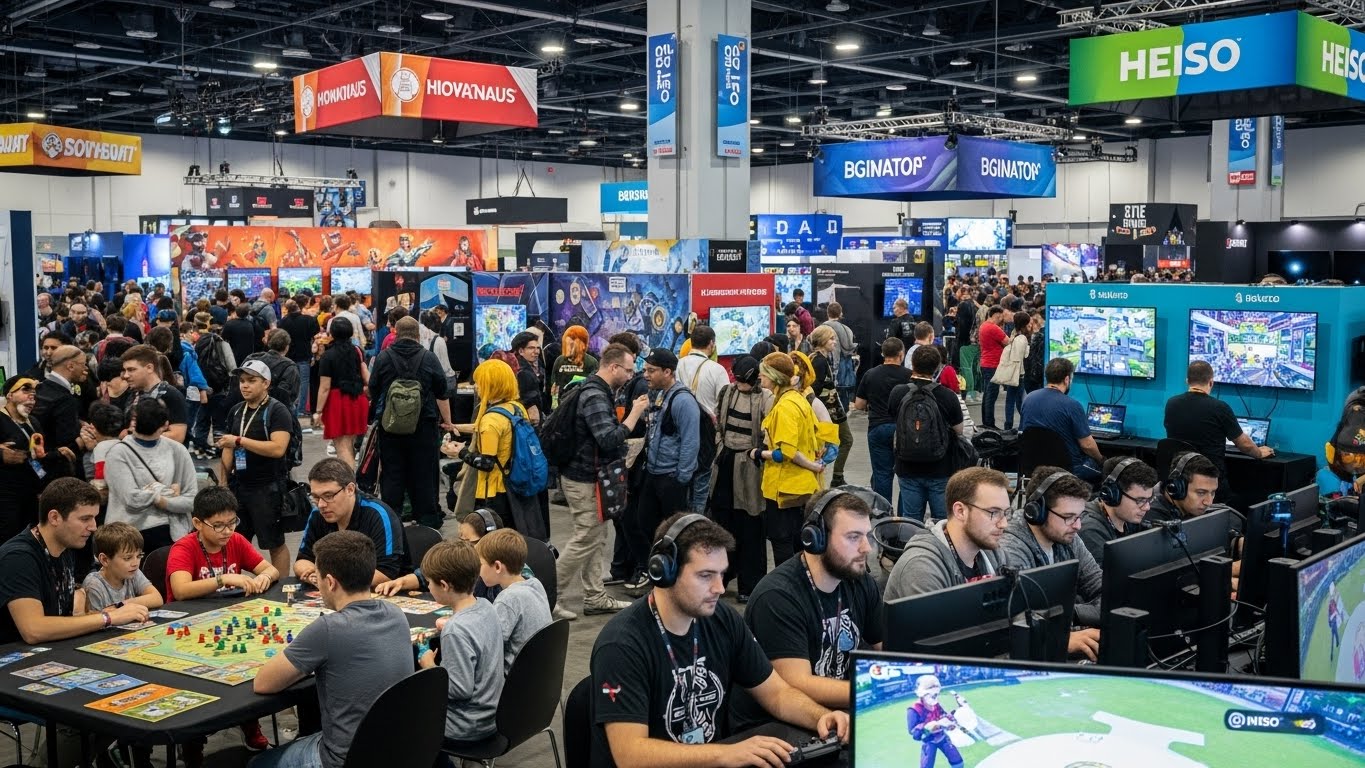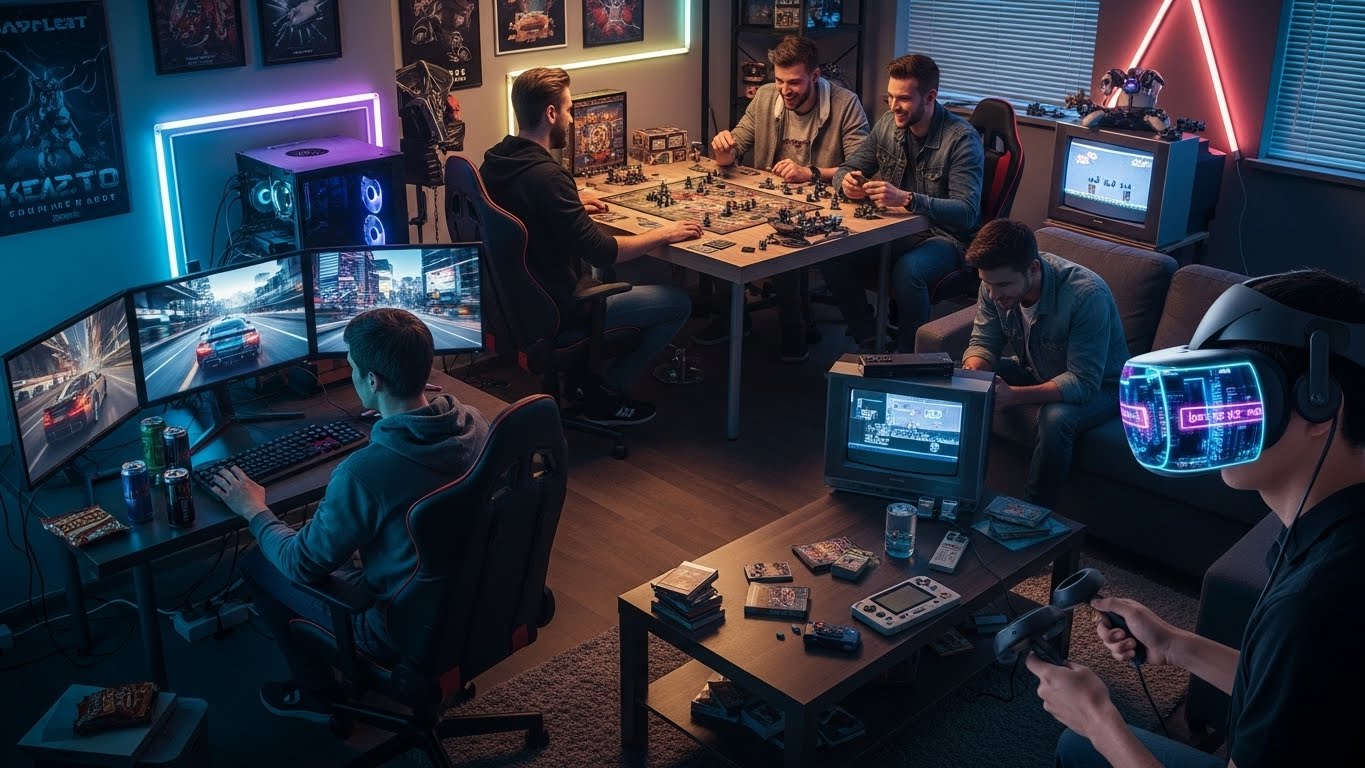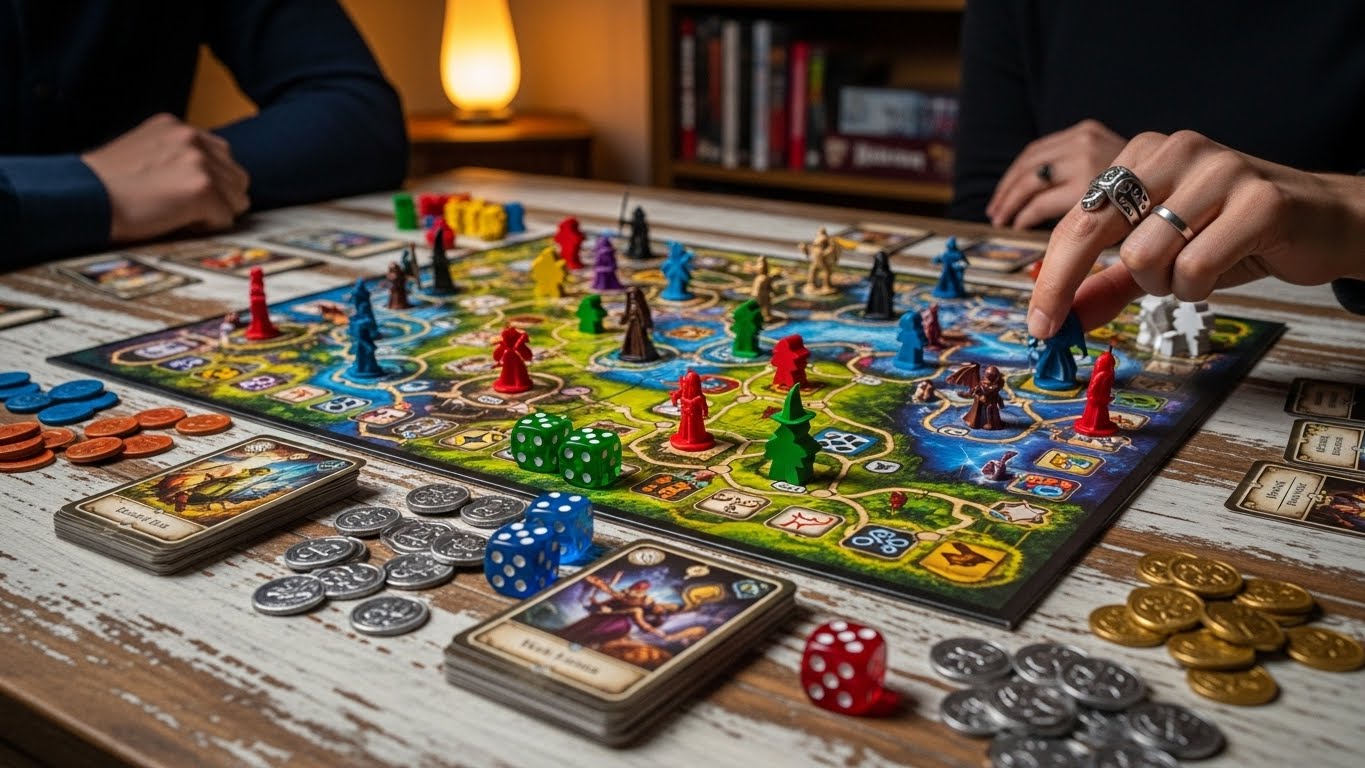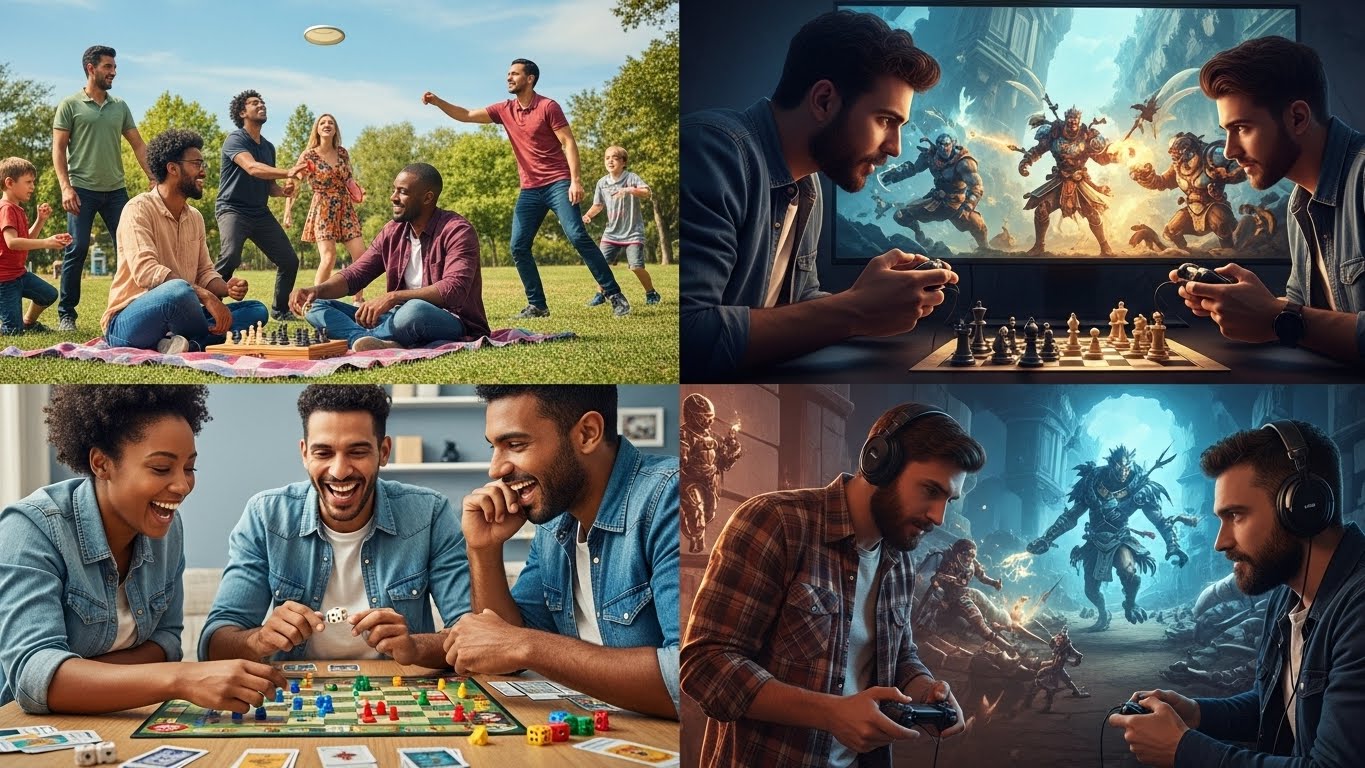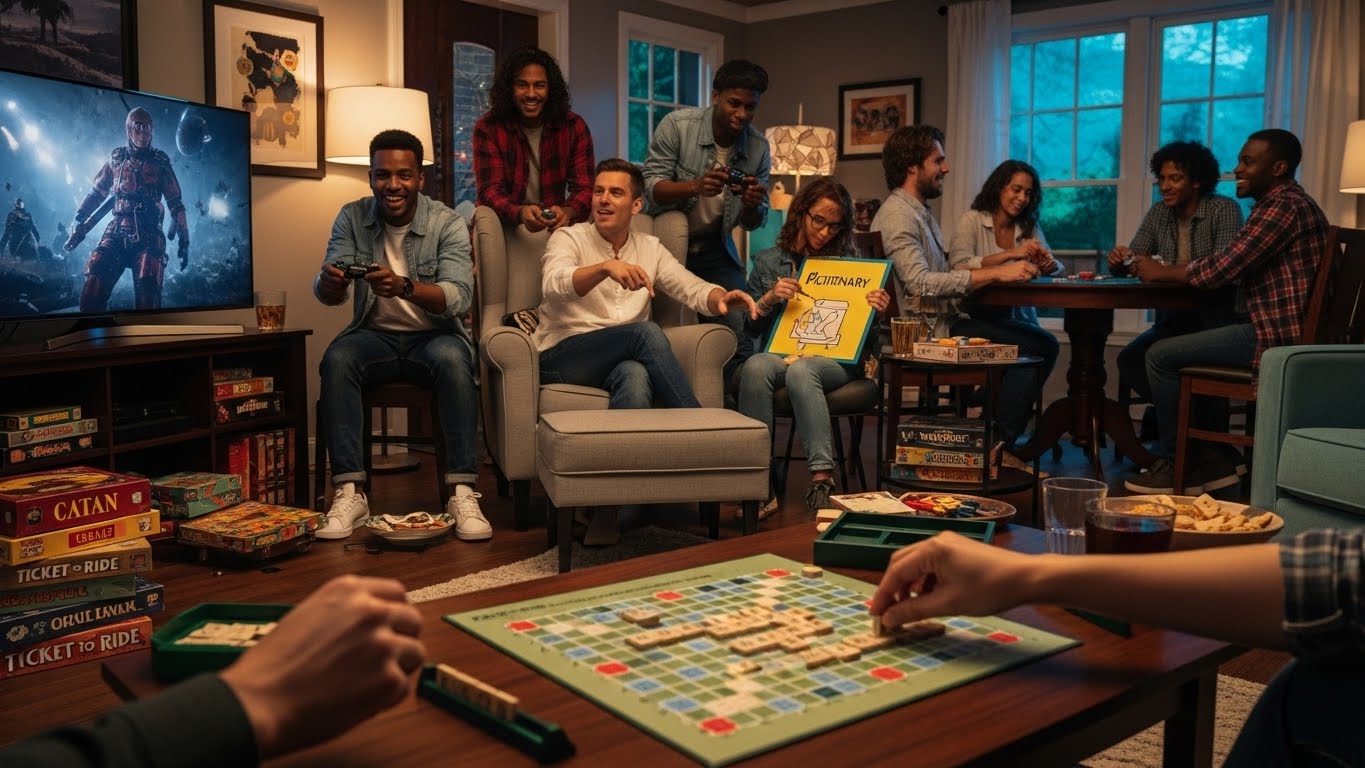


Games have been an inseparable part of human life since the dawn of civilization. From the earliest forms of play carved into the sands of ancient Egypt to the advanced virtual worlds of today, games have evolved alongside humanity, reflecting culture, creativity, and competition. They are more than just a pastime—they are a language of emotion, a tool of learning, and a mirror to our imagination. In every form, whether digital or physical, games carry stories, challenges, and a sense of wonder that binds people together across generations.
The Origins of Games
The concept of games dates back thousands of years. Early civilizations found joy in structured play long before modern technology existed. Archaeologists have discovered game boards and dice in ancient Mesopotamia, Egypt, and China, proving that humans have always sought entertainment and mental stimulation. Games like Senet in Egypt or Go in China weren’t just simple diversions—they had deep cultural and sometimes spiritual meanings.
Senet, for example, was believed to represent the journey of the soul through the afterlife. Go, on the other hand, symbolized strategy and intellect, challenging players to balance offense and defense with precision. Even back then, games were not only about winning or losing; they were about understanding life, testing logic, and expressing identity.
The Evolution of Games Through Time
As societies advanced, so did the complexity of their games. The Middle Ages brought about tournaments, board games, and sports that tested strength and strategy. Chess, one of the most enduring games in history, emerged as a tool for intellectual and military training. Every move represented a decision of life or death, making it both an art and a science.
With the industrial age came the mass production of board games. Titles like Monopoly, Scrabble, and Clue became household names, bringing families together for hours of laughter, competition, and bonding. Each game offered a different kind of challenge—financial management, wordplay, or deduction—but they all shared one goal: to create joy through play.
The Rise of Video Games
The 20th century marked a revolution in gaming. The introduction of electronic technology transformed games forever. What started as simple experiments with pixels and circuits in laboratories soon became a worldwide cultural movement. The 1970s gave birth to arcade classics like Pong and Space Invaders, laying the foundation for the gaming industry.
By the 1980s, home consoles like the Nintendo Entertainment System (NES) changed the way people interacted with entertainment. For the first time, children and adults could explore digital adventures from the comfort of their homes. Mario, Zelda, and Pac-Man became cultural icons, and the idea of storytelling through interactive play began to take shape.
As technology progressed, video games evolved into immersive experiences. Graphics became more realistic, soundtracks became cinematic, and gameplay became more complex. The 1990s and early 2000s were golden years for gaming, producing unforgettable franchises such as Final Fantasy, Halo, and The Legend of Zelda: Ocarina of Time. Each game offered not only fun but also emotional depth, teaching lessons about bravery, friendship, and perseverance.
Games as a Cultural Phenomenon
Today, games are more than just entertainment—they are cultural forces that shape identities, economies, and communities. Esports, for instance, has turned competitive gaming into a global spectacle. Millions of viewers tune in to watch players compete in games like League of Legends, Dota 2, and Counter-Strike. These events rival traditional sports in terms of viewership and prize money, showing how deeply gaming has embedded itself into modern culture.
Beyond competition, games also serve as a form of artistic expression. Developers blend storytelling, music, and visual design to create worlds that evoke emotion and thought. Titles like The Last of Us, Journey, and Red Dead Redemption 2 are often compared to films or literature because of their narrative depth and emotional impact. Through these experiences, games have proven that they are an art form worthy of recognition.
The Psychology of Games
Why do people love games so much? The answer lies in human psychology. Games fulfill fundamental emotional and cognitive needs. They provide a sense of achievement, allowing players to set goals and overcome obstacles. The reward systems within games—points, levels, or trophies—trigger feelings of satisfaction and progress.
Games also encourage creativity and problem-solving. Whether it’s building a city in SimCity, solving puzzles in Portal, or crafting weapons in Minecraft, players use their imagination and intellect to shape outcomes. This active engagement makes games one of the most effective learning tools ever created.
Moreover, games offer an escape from reality. In moments of stress or sadness, stepping into a virtual world can provide comfort, relaxation, and even healing. Many players form emotional connections to the stories and characters, finding inspiration in their journeys.
The Social Aspect of Gaming
While some people imagine gamers as isolated individuals, the truth is that gaming is one of the most social activities in the modern world. Multiplayer games connect millions of people across continents, enabling friendships that transcend borders. Platforms for online gaming foster communities where teamwork, communication, and cooperation are key.
Games like Fortnite, Minecraft, and Among Us have become social spaces where people not only play but also chat, celebrate, and share experiences. Even during global events that forced isolation, such as the pandemic, games provided a sense of connection and belonging. This social dimension highlights the power of play to unite people under a shared passion.
The Role of Technology in Modern Gaming
Technology continues to redefine what games can be. Virtual reality (VR) and augmented reality (AR) have opened doors to experiences that blur the line between the digital and the physical world. Players can now step into their favorite universes, physically moving, interacting, and exploring.
Artificial intelligence (AI) has also enhanced gaming. Smarter opponents, adaptive difficulty, and realistic environments make every session unique. Developers use AI to create dynamic stories where player choices truly matter. The result is a personalized adventure that reacts to individual decisions.
Cloud gaming has made high-quality experiences accessible to anyone with an internet connection. No longer is expensive hardware a barrier. This democratization of gaming is expanding the audience and fostering inclusivity.
The Educational Value of Games
Contrary to the belief that games distract or waste time, research has shown that they can be powerful educational tools. Educational games help children learn math, science, and languages in engaging ways. Strategy games improve decision-making and critical thinking, while simulation games like Civilization or Kerbal Space Program teach resource management and physics.
Even non-educational games promote valuable skills. Fast-paced action games enhance reflexes and coordination, while role-playing games (RPGs) develop empathy by placing players in diverse characters’ shoes. Many schools and universities now use gamification techniques to make learning more interactive and rewarding.
The Economy of Gaming
The gaming industry is now one of the most profitable entertainment sectors in the world, surpassing film and music combined. From console sales to mobile apps, the economic impact of games is immense. Game developers, designers, writers, and artists all contribute to a thriving creative ecosystem.
Microtransactions, downloadable content (DLC), and subscription services have changed the way games generate revenue. While controversial at times, these systems have allowed developers to maintain ongoing updates and support for their creations. Indie developers also benefit from digital marketplaces, giving smaller studios a chance to reach global audiences.
The Artistic Side of Games
Games are art. They combine storytelling, design, music, and interaction in a way no other medium can. Each game is a carefully crafted experience, from the intricate level design to the emotional soundtrack. Art styles vary—from the pixelated nostalgia of retro games to the breathtaking realism of modern titles—but all reflect human creativity.
Music plays a vital role in shaping a game’s atmosphere. The haunting melodies of a horror game or the triumphant anthems of an adventure can heighten emotion and memory. Likewise, visual aesthetics define a game’s identity. A minimalist puzzle game and an open-world epic can both be beautiful, each in their unique way.
The Future of Games
The future of gaming is filled with endless possibilities. With rapid advancements in artificial intelligence, graphics, and cloud technology, the boundaries of imagination are continually expanding. Games will become more immersive, more realistic, and more inclusive.
Cross-platform play will unite gamers regardless of device or console. Artificial intelligence will generate living, breathing worlds that evolve with players’ actions. Virtual reality will allow us to step into entirely new dimensions, where the only limit is creativity.
Moreover, as society becomes more aware of diversity and representation, games will reflect a broader range of stories and experiences. Characters from different cultures, genders, and backgrounds will help players see themselves in the worlds they explore.
The Emotional Power of Games
Perhaps the most remarkable quality of games is their ability to evoke emotion. A well-designed game can make you laugh, cry, fear, and hope—all within the span of a single adventure. Games tell stories that players live, not just watch. They make you feel responsible for the outcomes and emotionally invested in the characters.
Moments of triumph after a hard-fought battle, the sorrow of losing a beloved companion, or the satisfaction of solving a complex puzzle—these emotions define the magic of gaming. They remind us that games are not merely digital activities but meaningful experiences that resonate deeply.
The Community of Players
The gaming community is vast, diverse, and vibrant. Players share fan art, stories, strategies, and friendships. Conventions, tournaments, and online forums bring fans together to celebrate their passion. While challenges such as toxicity and exclusion exist, the majority of gamers strive to create welcoming spaces where everyone can play freely.
Streaming platforms and content creation have given rise to a new form of entertainment. Gamers can now share their experiences with millions, turning their passion into careers. This new ecosystem has expanded the influence of games beyond the screen, shaping trends, humor, and culture worldwide.
The Balance Between Play and Reality
While games offer immense enjoyment and growth, maintaining balance is essential. Excessive gaming can lead to burnout or neglect of real-life responsibilities. However, when played mindfully, games enrich lives by providing stress relief, learning opportunities, and social interaction.
Parents, educators, and players themselves are learning to embrace games positively. Rather than viewing them as distractions, they can be harnessed as tools for creativity, education, and connection. Healthy gaming habits ensure that play remains a joyful part of life without overshadowing other priorities.
Conclusion: The Eternal Spirit of Play
From ancient stones to virtual realities, games have always been a reflection of humanity’s desire to explore, compete, and create. They capture the essence of imagination and the spirit of discovery. Whether one is solving a riddle, fighting a dragon, or managing a city, every game tells a story of challenge and triumph.
The world of games is vast and ever-changing, yet its purpose remains timeless—to bring joy, to teach, to inspire, and to connect. As technology evolves and creativity flourishes, the future of gaming shines brighter than ever. It reminds us that at the heart of every game lies something truly human—the desire to play, to dream, and to grow.