
Introduction
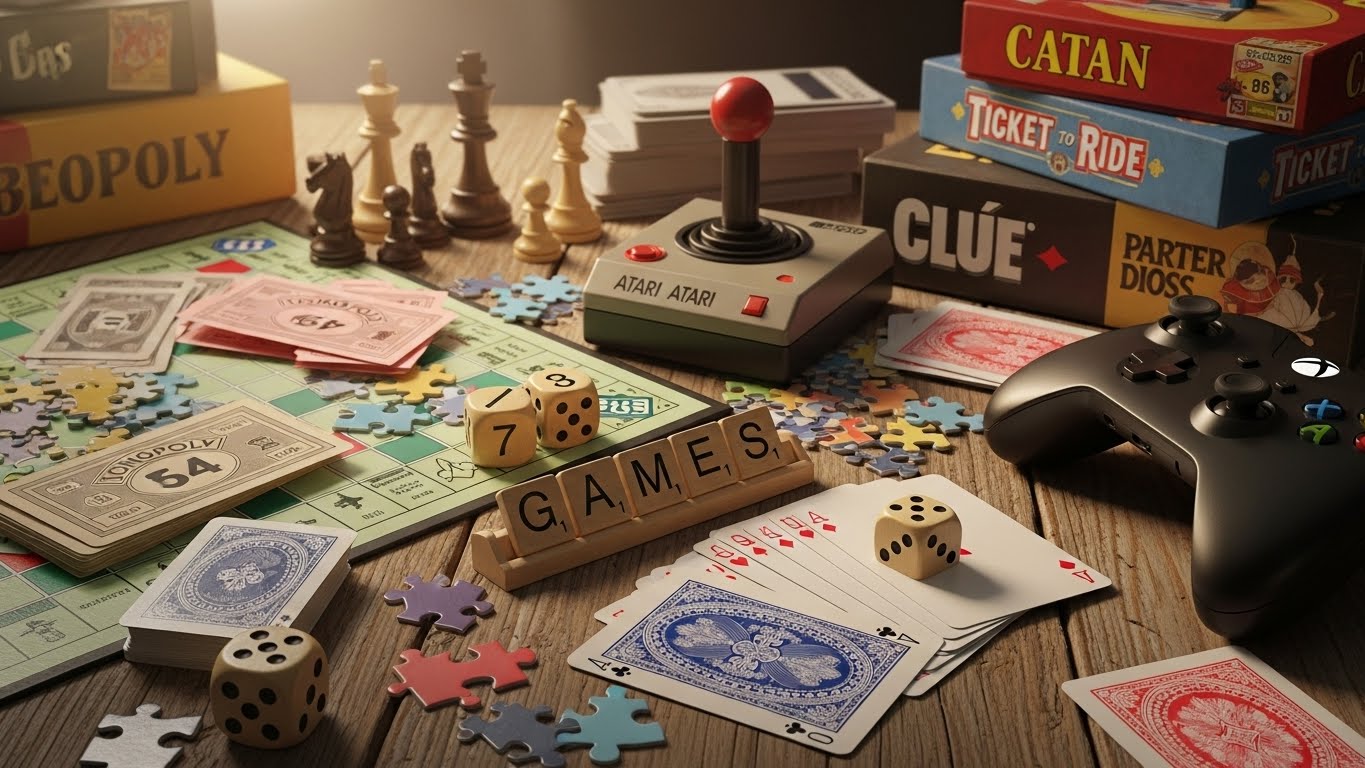
Games have always been a natural part of human life. From childhood play to complex adult competitions, games entertain, educate, and connect people across cultures and generations. What once existed as simple physical or board-based activities has evolved into a massive global industry that includes video games, mobile games, tabletop games, and competitive gaming experiences.
In the modern world, games are no longer just a source of fun. They influence technology, education, psychology, social interaction, and even professional careers. Games challenge the mind, encourage creativity, and build communities that transcend geographical boundaries. This blog explores the evolution of games, their impact on society, major game types and genres, emerging trends, challenges, and the future of gaming.
The Evolution of Games Through History
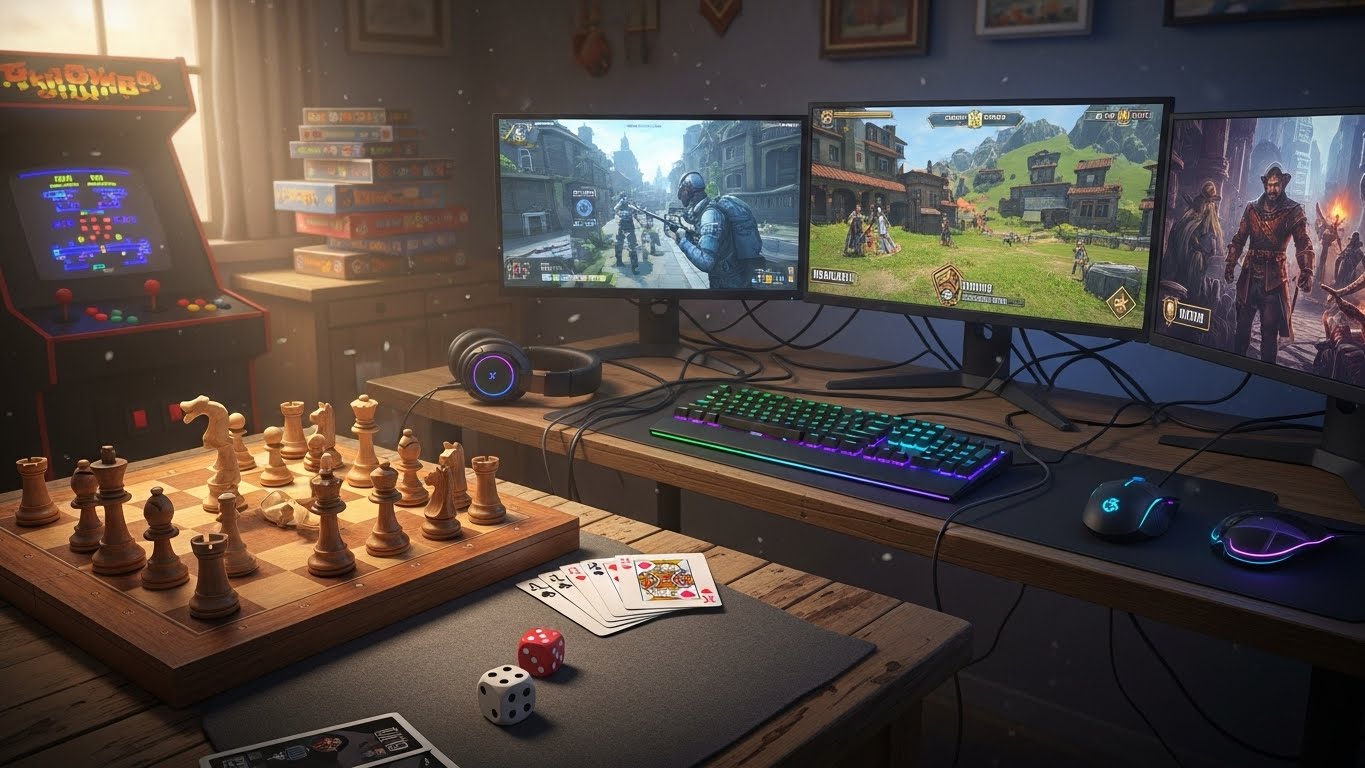
Games date back thousands of years. Ancient civilizations played games for entertainment, education, and spiritual purposes. Early board games such as Senet in Egypt and Go in China reflected strategic thinking and cultural values. Physical games and sports helped develop strength, coordination, and social bonds within communities.
As societies evolved, so did games. Card games, chess, and traditional outdoor games became popular across different regions. The industrial age introduced mass production, making games more accessible to people of all classes.
The biggest transformation came in the 20th century with the birth of video games. Arcade machines introduced electronic gaming to the public, while home consoles later brought gaming into living rooms. The rise of computers and the internet further expanded gaming possibilities, allowing multiplayer interaction, global competition, and digital distribution. Today, games exist across consoles, PCs, mobile devices, and cloud platforms, offering immersive experiences for players of all ages.
The Role of Games in Society
Games play a significant role in shaping modern society. They influence behavior, learning, communication, and cultural expression.
Social Connection and Community
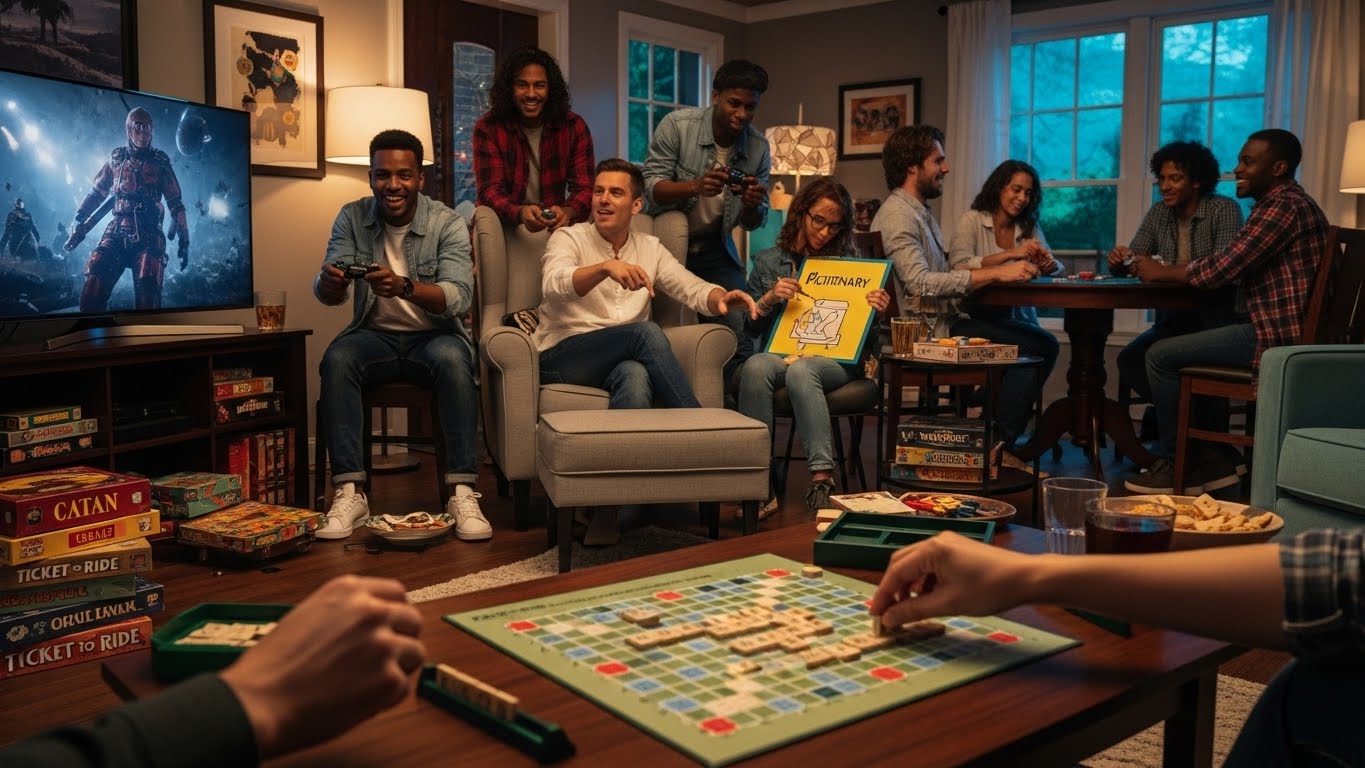
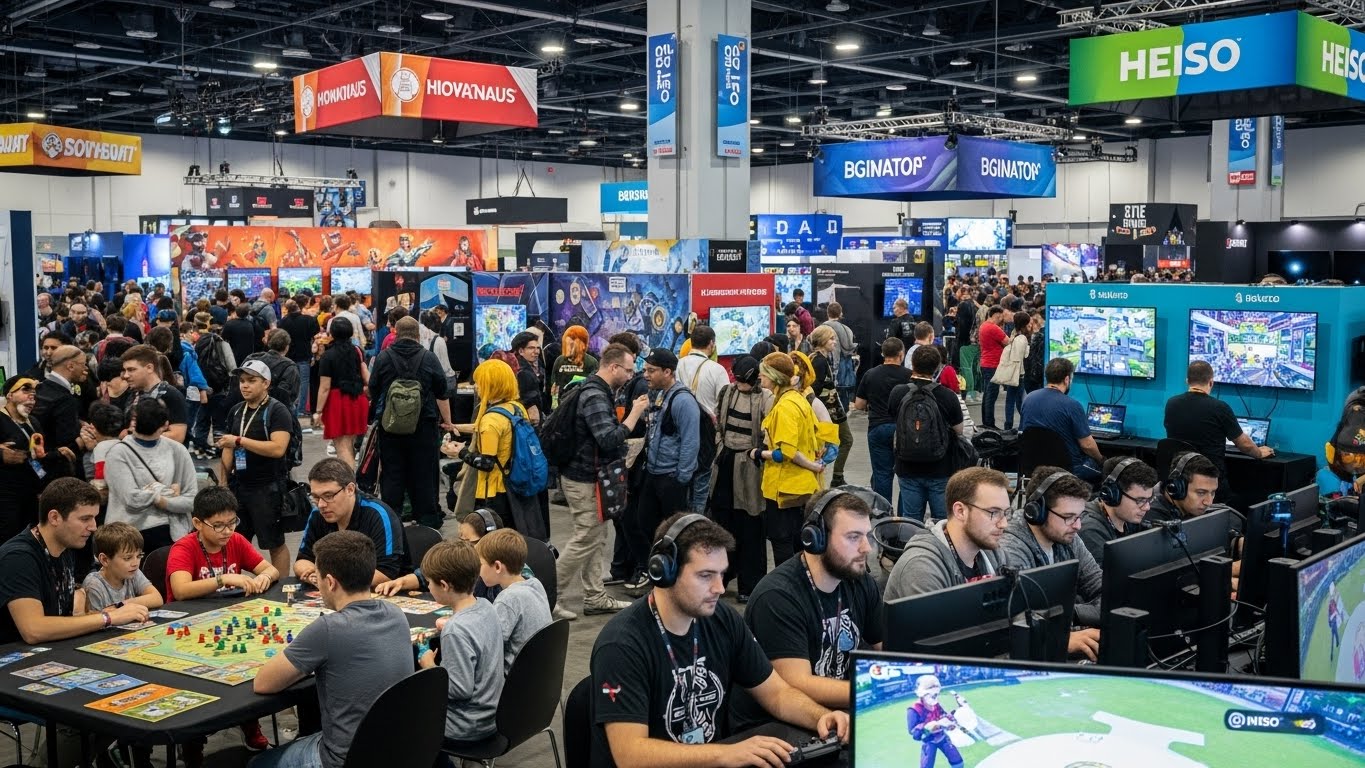
Games bring people together. Multiplayer and cooperative games encourage teamwork, communication, and shared goals. Online gaming communities allow players from different countries and cultures to interact, forming friendships and social networks. Even offline games such as board games and party games strengthen family bonds and social interaction.
Cognitive and Skill Development
Many games challenge players intellectually. Strategy games develop planning and decision-making skills, puzzle games enhance problem-solving abilities, and action games improve reflexes and hand-eye coordination. Games often require players to adapt, analyze situations, and think critically, which can translate into real-world skills.
Emotional Expression and Mental Health
Games provide emotional outlets. They offer relaxation, stress relief, and a sense of achievement. Story-driven games allow players to experience complex emotions, empathy, and moral choices. For many individuals, games offer comfort, escapism, and a safe space for self-expression.
Economic and Cultural Influence
The gaming industry is a major contributor to the global economy. It supports millions of jobs in development, design, marketing, esports, and content creation. Games also influence movies, music, fashion, and popular culture, making them a powerful cultural force.
Different Types of Games
Games exist in many forms, each offering unique experiences and benefits.
Video Games
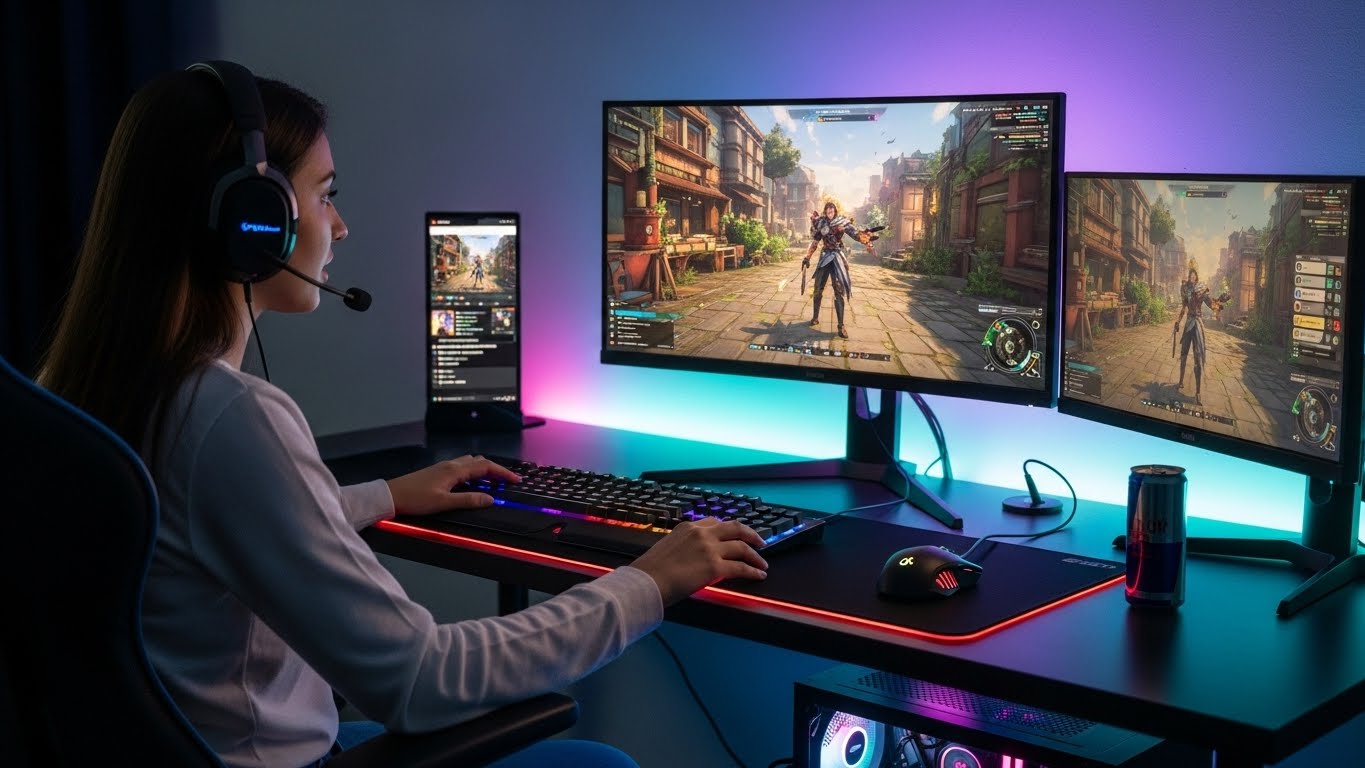
Video games are interactive digital experiences played on consoles, computers, or mobile devices. They range from simple casual games to complex, narrative-rich adventures. Video games often combine visuals, sound, and storytelling to create immersive worlds.
Mobile Games
Mobile games have made gaming more accessible than ever. With smartphones widely available, people can play games anywhere and anytime. Mobile games often focus on short play sessions, social interaction, and intuitive controls, attracting a broad audience across age groups.
Board and Tabletop Games
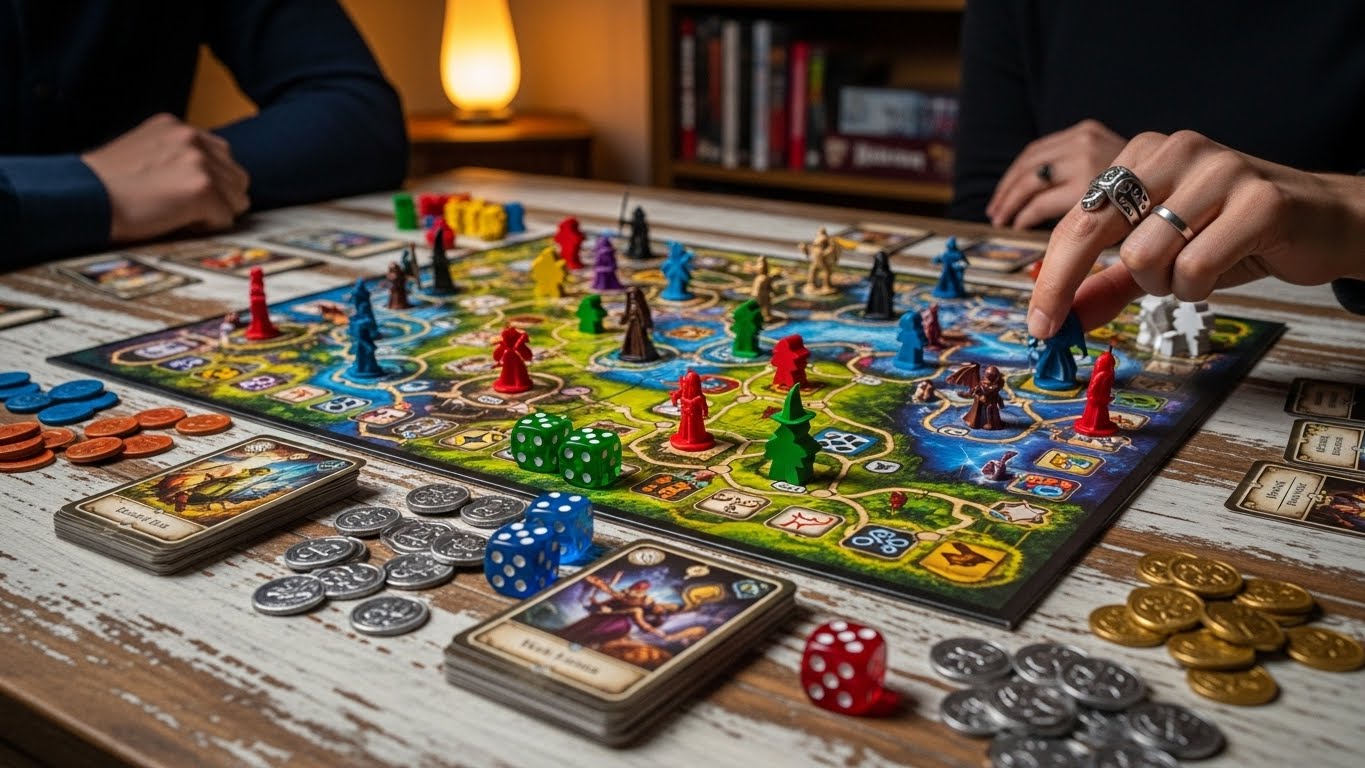
Board games and tabletop games remain popular for their social and strategic nature. These games encourage face-to-face interaction, cooperation, and creativity. Tabletop role-playing games allow players to create stories together, fostering imagination and teamwork.
Physical and Traditional Games
Traditional and physical games promote physical activity, coordination, and teamwork. Outdoor games and sports encourage healthy lifestyles while maintaining cultural traditions and social engagement.
Popular Game Genres
Games are categorized into genres based on gameplay mechanics and themes.
Action and Adventure Games
These games focus on exploration, combat, and fast-paced challenges. Players navigate environments, overcome obstacles, and engage in dynamic gameplay. Action and adventure games often combine storytelling with skill-based mechanics.
Role-Playing Games
Role-playing games allow players to assume the roles of characters within detailed worlds. Players make decisions that shape story outcomes, develop characters, and explore rich narratives. These games emphasize creativity, strategy, and emotional engagement.
Strategy and Simulation Games
Strategy and simulation games challenge players to manage resources, plan long-term goals, and make critical decisions. These games often mirror real-world systems, such as city building or civilization management, encouraging analytical thinking and patience.
Sports and Racing Games
Sports and racing games recreate real-life athletic and racing experiences. Players compete individually or in teams, developing timing, precision, and strategy. These games often appeal to fans of traditional sports.
Casual and Puzzle Games
Casual and puzzle games focus on simplicity and accessibility. They are designed for short play sessions and appeal to players seeking relaxation or mental stimulation without complex mechanics.
The Rise of Competitive Gaming
Competitive gaming has transformed games into spectator entertainment. Players compete in organized tournaments, leagues, and events watched by millions. Competitive games emphasize skill, teamwork, and strategic mastery.
Professional players train rigorously, similar to traditional athletes. Competitive gaming has also created roles such as coaches, analysts, commentators, and event organizers. This evolution has helped legitimize gaming as a professional pursuit and entertainment medium.
Emerging Trends in Gaming
The gaming industry continues to evolve rapidly, driven by technology and player expectations.
Cloud Gaming
Cloud gaming allows players to stream games without owning expensive hardware. This increases accessibility and allows high-quality gaming experiences on various devices.
Virtual Reality and Immersive Experiences
Virtual reality creates fully immersive gaming environments where players can interact physically with digital worlds. This technology enhances realism and emotional engagement, offering new ways to experience games.
Cross-Platform Play
Cross-platform play enables players on different devices to play together. This strengthens communities and reduces barriers between gaming platforms.
Game Streaming and Content Creation
Streaming has changed how people experience games. Players share gameplay, commentary, and tutorials, creating entertainment and educational content. Content creation has become a career path for many gamers.
Artificial Intelligence in Games
Artificial intelligence improves game design by creating realistic characters, adaptive difficulty levels, and dynamic environments. AI enhances immersion and replayability.
Challenges in the Gaming World
Despite its benefits, gaming faces several challenges.
Excessive Gaming
Overplaying can lead to physical strain, mental fatigue, and reduced social interaction. Promoting balance and responsible gaming habits is essential.
Online Safety
Online games can expose players to toxic behavior, cyberbullying, and privacy risks. Creating safe and respectful gaming environments is a shared responsibility among developers and players.
Ethical Concerns
Monetization practices, violent content, and age-appropriate design raise ethical questions. Responsible development and regulation help maintain trust and fairness.
Market Competition
With thousands of games released regularly, standing out requires creativity, quality, and strong community engagement.
The Future of Games
The future of games is full of possibilities. Advances in technology will make games more immersive, accessible, and interactive. Games will continue to blend entertainment with education, training, and social experiences.
As gaming becomes more inclusive, diverse voices and stories will shape new experiences. Games will likely play a greater role in learning, professional development, and virtual collaboration. The line between games and reality will continue to blur, offering innovative ways to play, connect, and create.
Conclusion
Games have evolved from simple forms of play into a powerful global phenomenon. They entertain, educate, and connect people across cultures and generations. Whether digital or physical, casual or competitive, games offer experiences that stimulate the mind, strengthen relationships, and inspire creativity.
With emerging technologies, expanding communities, and growing cultural influence, games are shaping the future of entertainment and interaction. While challenges exist, responsible gaming and thoughtful development ensure that games remain a positive force.
Games are more than a pastime. They are a reflection of human imagination, collaboration, and innovation, and their impact on modern life will continue to grow for years to come.