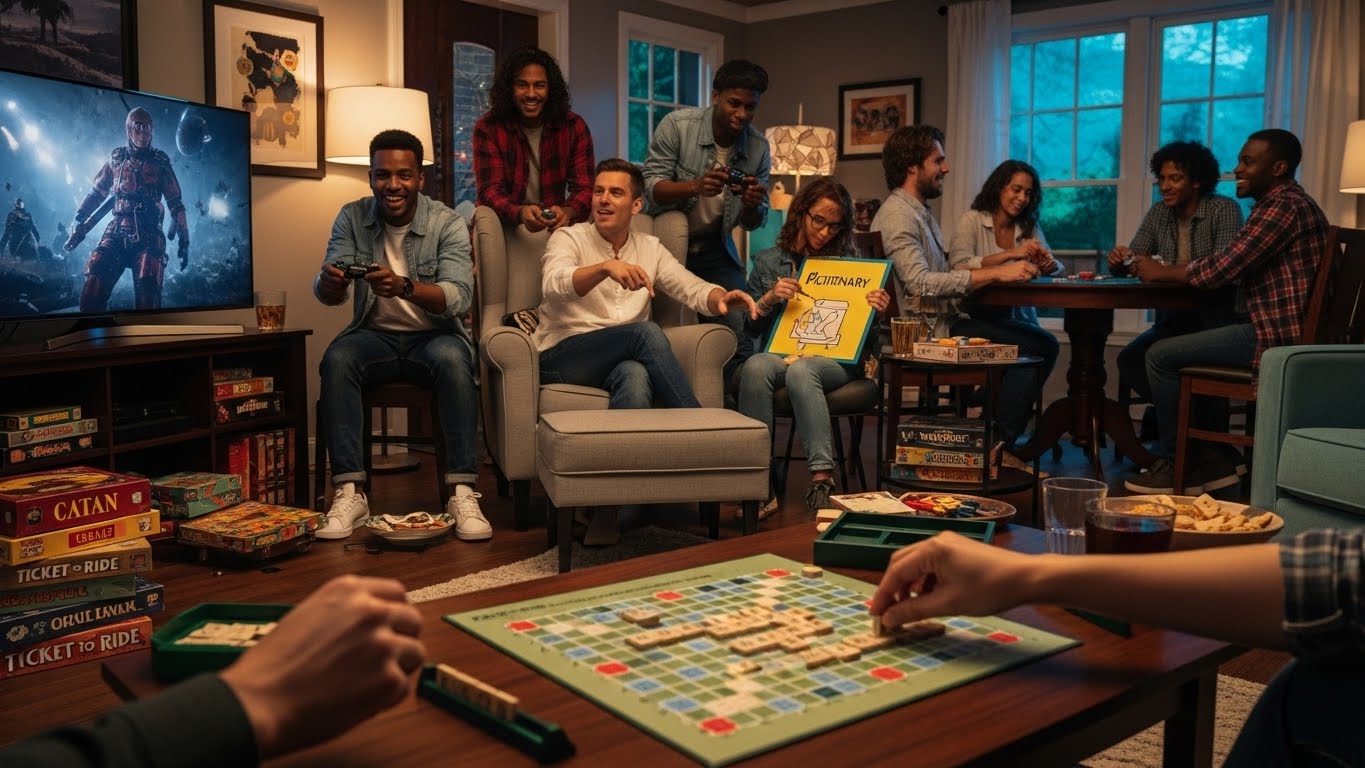


Introduction: The Universal Language of Games
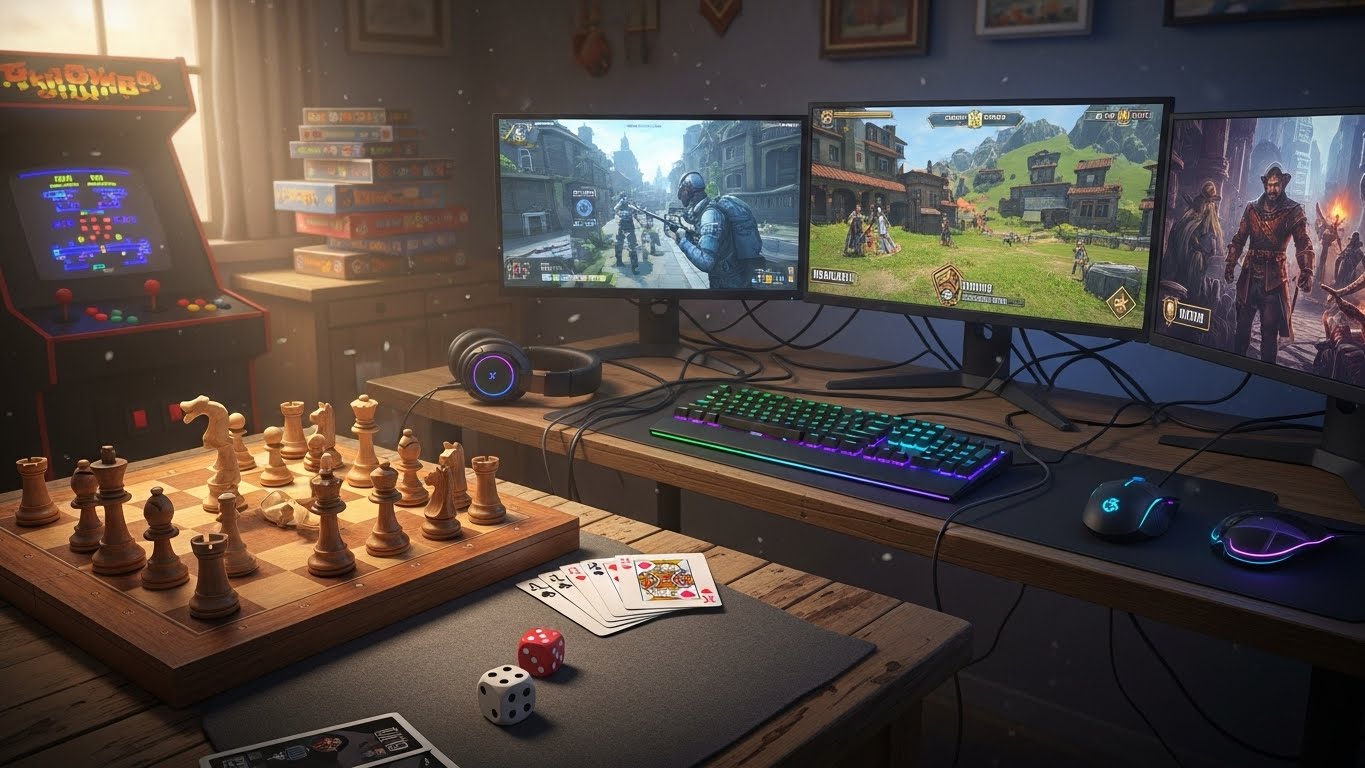
Games have always been a part of human history, serving as a source of entertainment, education, and connection. From ancient board games carved on stones to the virtual realities of the digital era, games have continuously evolved to reflect human creativity and progress. In today’s fast-paced world, games are not just a form of amusement but a powerful cultural force that bridges generations, educates minds, and inspires innovation. Whether it is the excitement of competition, the satisfaction of problem-solving, or the joy of exploration, games remain one of the most universal languages that connect people across all boundaries.
The Ancient Roots of Gaming
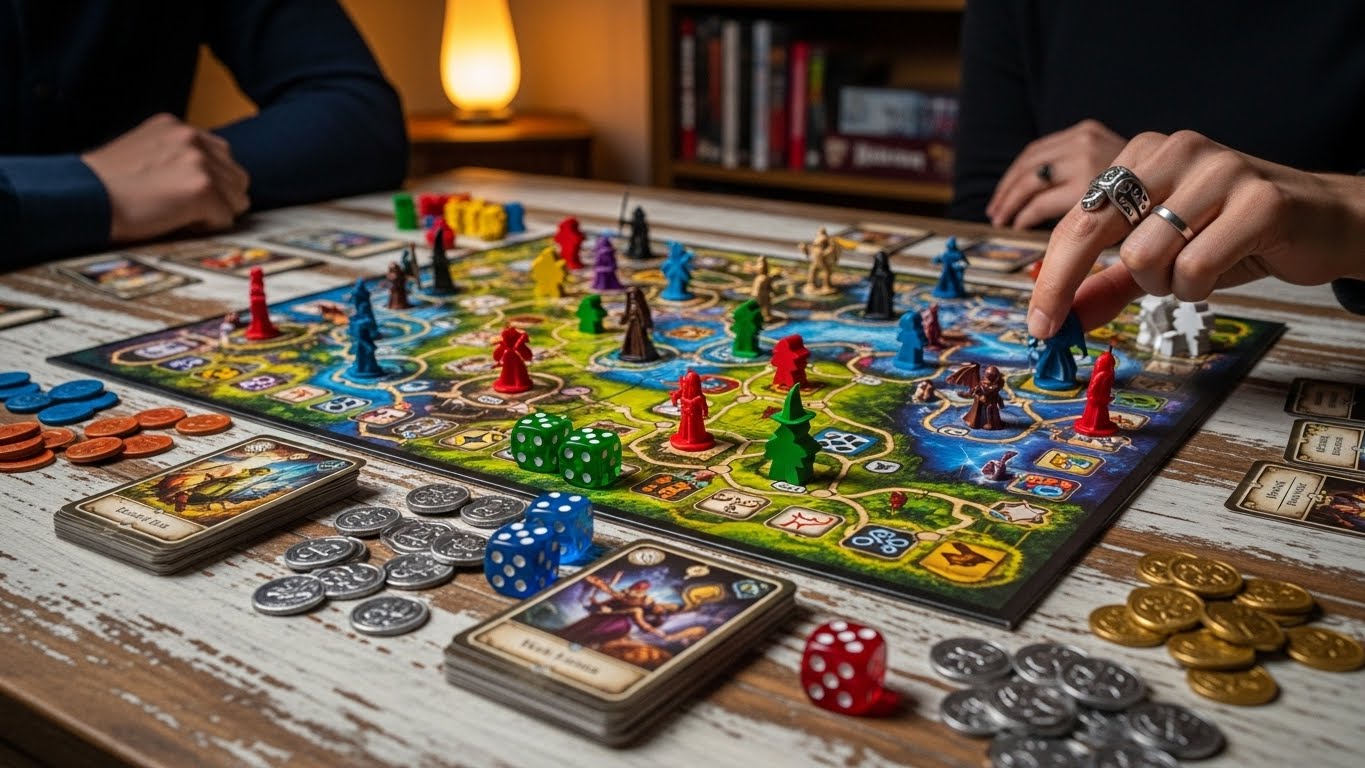
Long before consoles and computers, people played games to pass time, sharpen their minds, and connect with others. Ancient civilizations such as Egypt, China, and India had their own versions of board and strategy games. The Egyptian game Senet, the Chinese game Go, and India’s Chaturanga (an ancestor of chess) were more than entertainment—they reflected philosophies of life, war, and wisdom. These early games proved that humans have always found joy in play and challenge. They also laid the foundation for the structure and strategy we see in modern games today.
The Birth of Modern Gaming
The modern gaming era began in the 20th century with the invention of card games, board games, and eventually video games. Monopoly, Scrabble, and Clue became household names, teaching players about money management, vocabulary, and deduction. The mid-20th century introduced the world to electronic entertainment, as simple arcade games like Pong and Tetris captivated millions. These innovations marked a new chapter, transforming the way people viewed play. The introduction of home consoles brought gaming into living rooms, making it an integral part of family entertainment.
The Rise of Video Games as a Cultural Phenomenon
When the first video games appeared, few imagined they would grow into one of the world’s largest industries. Titles such as Super Mario Bros, The Legend of Zelda, and Sonic the Hedgehog defined a generation. These games combined colorful worlds, engaging challenges, and memorable characters, creating experiences that stayed with players long after the console was turned off. The storytelling, design, and emotional engagement of games evolved rapidly, turning them into an art form that could rival films and literature.
The Social Impact of Games
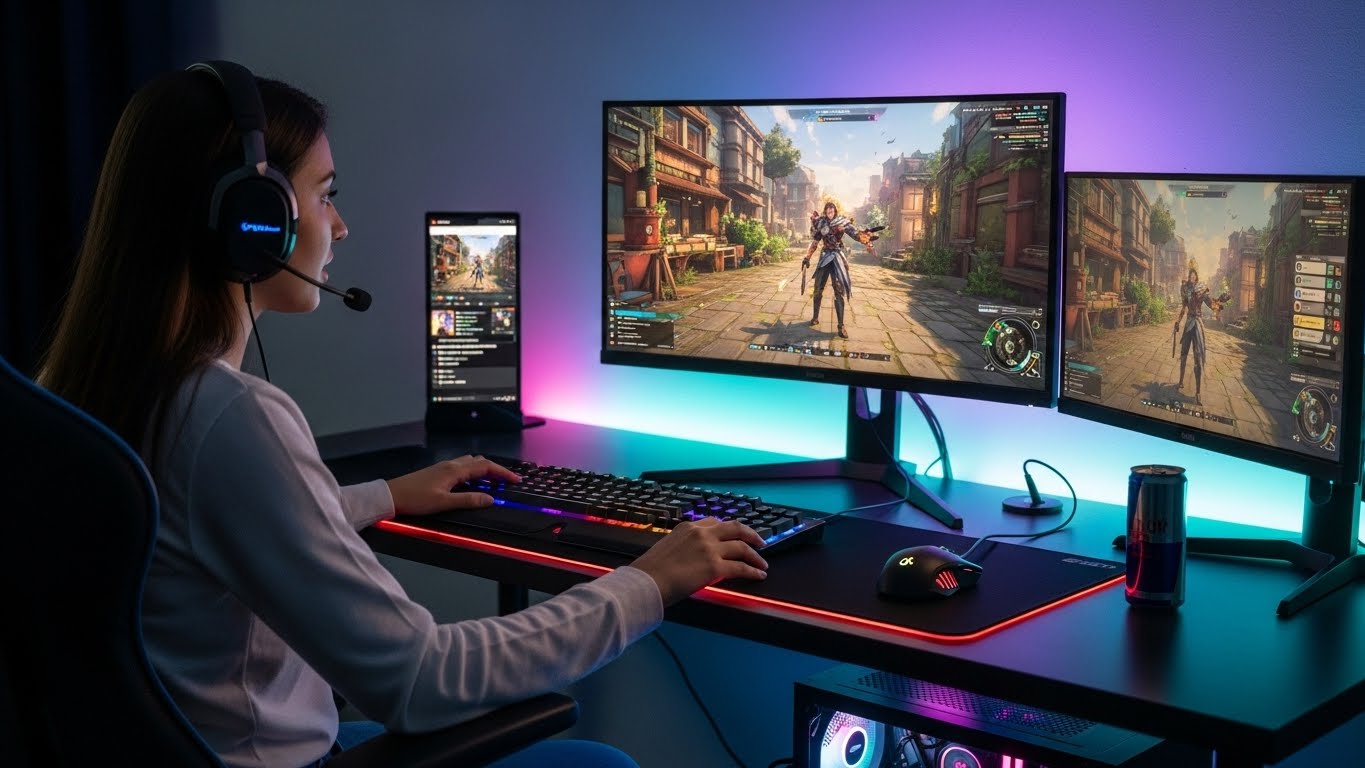
Games have a unique ability to bring people together. Multiplayer modes, online communities, and cooperative gameplay encourage teamwork, communication, and friendship. Whether two players are sitting on a couch or thousands are connecting online, gaming builds bonds that transcend physical distance. Even during global challenges, such as the pandemic, games became a means of socialization and comfort. Titles that promoted creativity, like Minecraft and Animal Crossing, helped people stay connected and inspired.
Games and Education: Learning Through Play
One of the most remarkable benefits of gaming is its potential in education. Educational games transform learning into a fun and interactive experience. They enhance cognitive skills, improve hand-eye coordination, and teach problem-solving. Strategy games encourage critical thinking, while simulation games like city builders or management titles promote planning and decision-making. Educational institutions have begun to recognize the value of gamification—using game elements in teaching to make learning more engaging. Through this approach, games are reshaping how we acquire knowledge in the modern era.
Mobile Gaming and the Democratization of Play
The arrival of smartphones revolutionized how people play games. With a single tap, millions of individuals could access entertainment anywhere and anytime. Mobile games became a cultural phenomenon because of their simplicity and accessibility. From puzzle titles to adventure epics, mobile gaming opened the world of play to people of all ages. It blurred the lines between casual and hardcore gamers, proving that anyone with a phone could be a player. Moreover, mobile gaming introduced new economic models, such as free-to-play systems, which further expanded the reach of the gaming industry.
Esports: The Competitive Side of Gaming
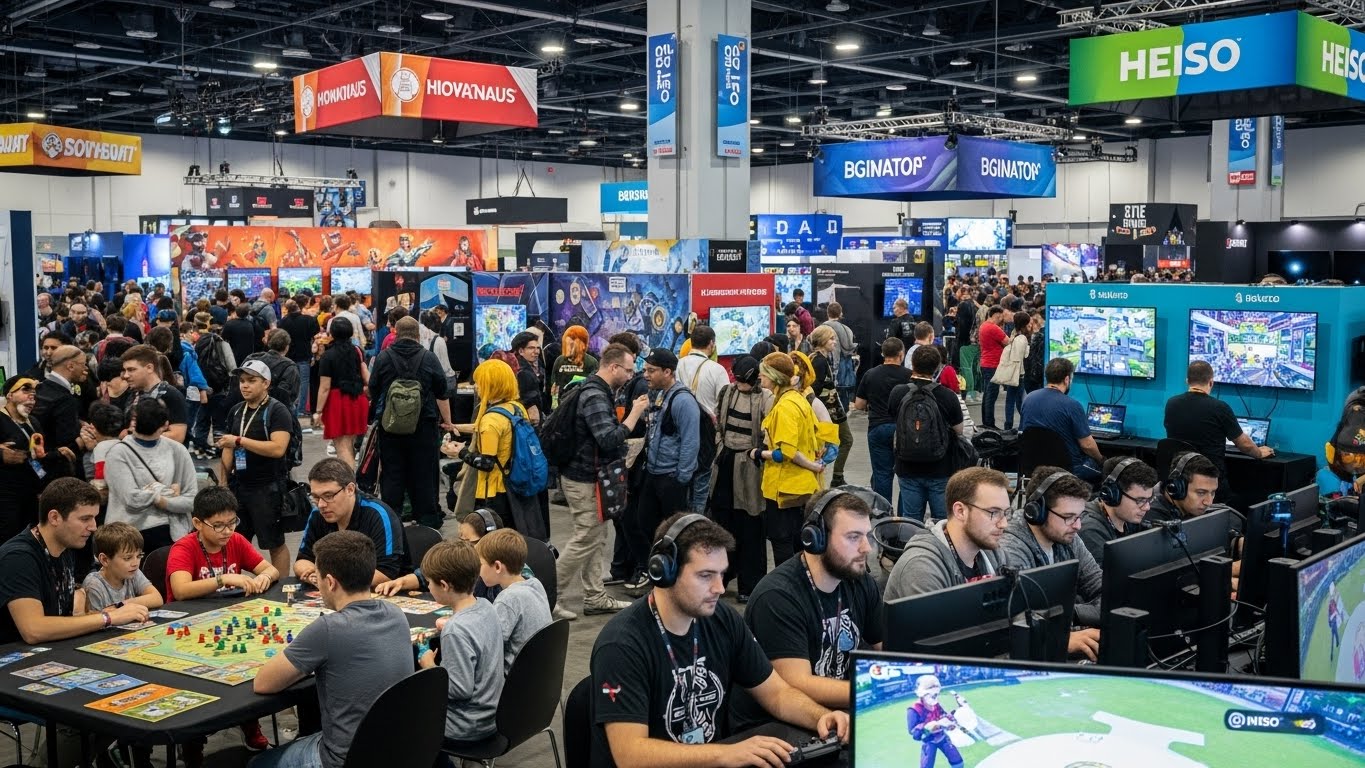
What once started as friendly competition among friends has now evolved into professional tournaments with global audiences. Esports has become one of the fastest-growing entertainment sectors, with professional gamers earning fame and recognition worldwide. These events combine skill, strategy, and teamwork, turning games into digital sports. Fans follow their favorite teams and players much like traditional athletes. This rise of competitive gaming showcases the discipline, focus, and determination required to excel—proving that gaming is not just play but a serious pursuit.
The Technological Evolution of Games
The advancement of technology has been the driving force behind the gaming revolution. From 8-bit graphics to stunning 3D worlds, each generation has pushed the limits of imagination. Today, gaming incorporates virtual reality, augmented reality, and artificial intelligence to create immersive experiences. VR headsets allow players to step directly into the game world, while AI-driven characters react intelligently to player choices. Cloud gaming is breaking hardware barriers, enabling people to play high-quality games on almost any device. The fusion of art and technology in gaming continues to redefine the future of entertainment.
Games as a Storytelling Medium
Modern games have become a powerful medium for storytelling. Developers craft intricate narratives that rival novels and films. Players are no longer passive observers but active participants in the story. Games such as narrative adventures or role-playing titles allow individuals to make choices that influence outcomes, giving them a sense of agency. These stories explore complex emotions, moral dilemmas, and social themes. Through this interactive storytelling, games have gained recognition as a legitimate art form capable of conveying deep human experiences.
The Psychological Benefits of Gaming
Contrary to old stereotypes, studies have shown that gaming can have several mental benefits. It improves concentration, enhances memory, and promotes problem-solving. Games that require teamwork also build social skills and cooperation. They can provide stress relief by offering escapism from real-world pressures. Moreover, gaming can foster creativity, as players design, build, and strategize in virtual worlds. While moderation is essential, responsible gaming can be a healthy and enriching part of life.
The Economic Power of the Gaming Industry
The global gaming industry has become a financial powerhouse, surpassing both movies and music combined. Its success drives innovation in technology, design, and storytelling. From major studios to independent creators, the industry thrives on diversity and creativity. Developers are exploring new genres, styles, and platforms to meet the growing demands of players worldwide. The rise of digital distribution has made it easier for small studios to share their creations, encouraging artistic experimentation and innovation.
The Rise of Indie Games
Independent games, often called “indie” titles, have reshaped the creative landscape of gaming. Unlike big-budget productions, indie developers focus on unique ideas, emotional depth, and experimental gameplay. Games created by small teams have gained massive popularity for their originality and heart. These games remind the world that creativity, not just resources, defines greatness in gaming. They offer diverse experiences that often challenge norms and explore topics rarely addressed in mainstream entertainment.
Inclusivity and Representation in Games
The gaming world is becoming more inclusive, representing diverse voices and experiences. Developers are introducing characters from various cultures, genders, and backgrounds, allowing players to see themselves in the games they love. Accessibility features ensure that gaming is open to everyone, including those with physical or cognitive challenges. This inclusivity not only enriches storytelling but also strengthens the sense of belonging within the global gaming community.
The Future of Games: Beyond Imagination
The future of gaming promises endless possibilities. As technology continues to evolve, games will become even more immersive, realistic, and emotionally engaging. Virtual reality may allow players to interact naturally with digital worlds, while artificial intelligence will personalize experiences based on each player’s behavior. Blockchain technology could create virtual economies where players truly own digital assets. Moreover, the boundary between real and virtual will blur as games become intertwined with social media, education, and even fitness. The future of gaming is not just about better graphics—it’s about deeper experiences that connect people in new ways.
Conclusion: The Enduring Magic of Play
Games are more than entertainment—they are a reflection of human creativity, connection, and curiosity. They teach us strategy, empathy, patience, and resilience. From ancient board games to futuristic virtual realities, the spirit of play remains timeless. Games remind us that learning and joy can coexist, that competition can lead to friendship, and that imagination has no limits. In every era, games have adapted to the times, yet their purpose remains the same: to bring people together, challenge the mind, and celebrate the joy of being human.