
Introduction
Games, in all their forms, have been a central part of human culture for millennia. From ancient board games to modern virtual reality, games have evolved alongside society, reflecting the changing dynamics of technology, culture, and human interaction. They are no longer just tools for entertainment; games have become powerful mediums for storytelling, education, socialization, and even professional careers. In this blog post, we will explore the world of games, their evolution, cultural significance, and how they continue to shape our world and our futures.
The Origin of Games: Entertainment and Strategy Through Time
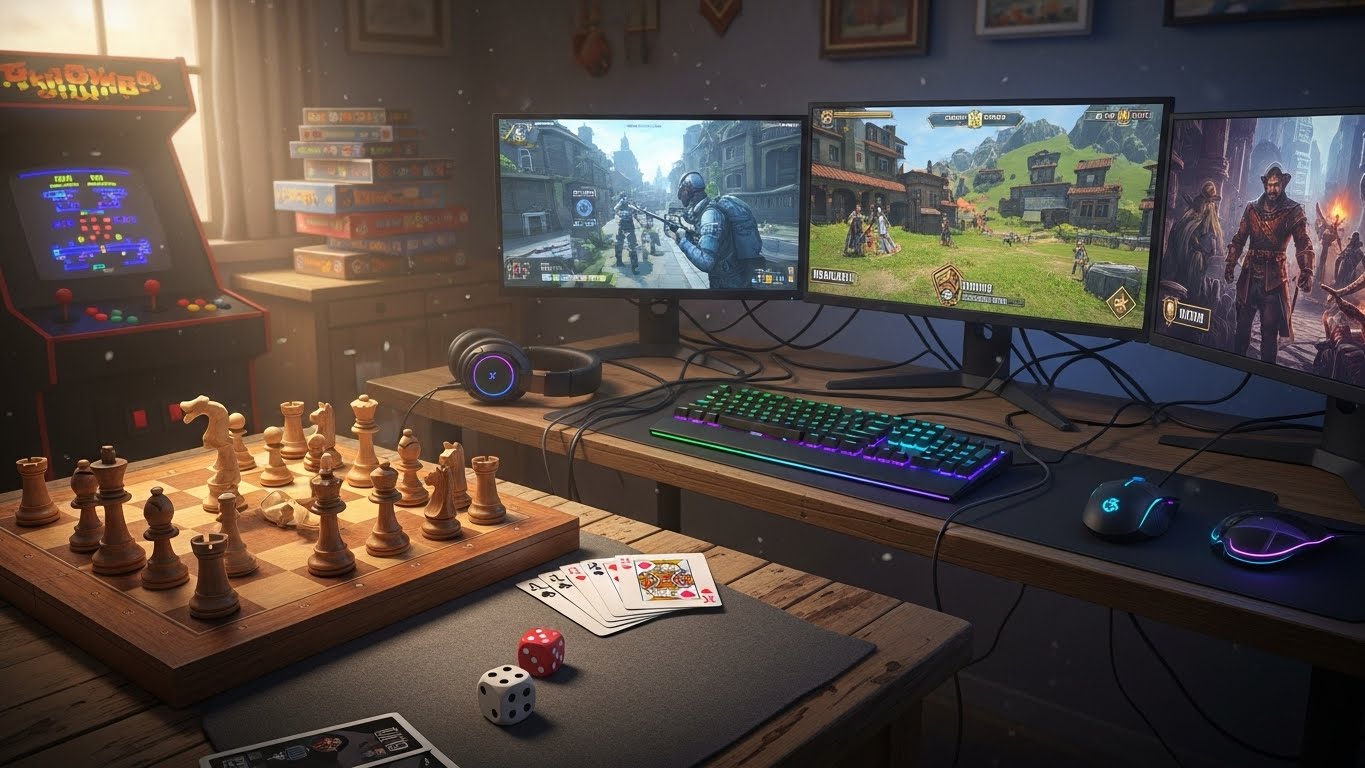
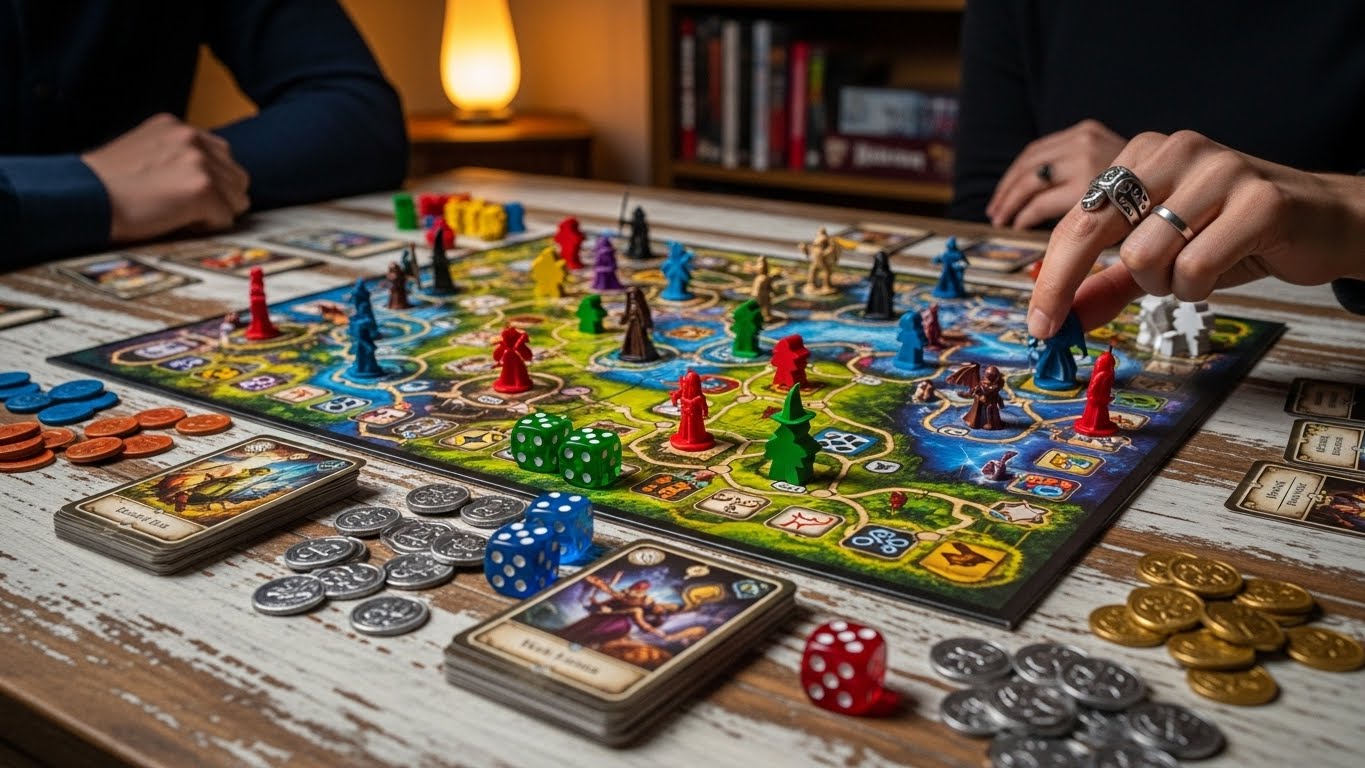
The history of games dates back to the earliest days of human civilization. Games were originally simple, with rules designed for entertainment, skill-building, or even training purposes. Ancient cultures, including the Egyptians, Greeks, and Chinese, all had their versions of games that provided both fun and a way to sharpen the mind. Games like Senet in ancient Egypt, Chaturanga in India (the precursor to chess), and Go in China were not just pastimes but also intellectual exercises.
Senet, which was played around 3000 BCE, is believed to have had a spiritual significance, symbolizing the journey of the soul. Meanwhile, Chaturanga, an ancient Indian game, laid the groundwork for what would eventually become modern chess. These games were used for entertainment but also helped develop strategic thinking and mental acuity.
As civilizations grew, so did the complexity and variety of games. The Greeks and Romans enjoyed various forms of entertainment, including board games, dice games, and physical sports. These games were not just for fun but also played a role in teaching valuable life skills, such as tactical thinking, teamwork, and sportsmanship.
The Video Game Revolution: From Arcade to Home Consoles
The mid-20th century marked the beginning of the modern gaming era, with the birth of video games. The first commercially successful video game, “Pong,” was released in 1972. The simple game of table tennis quickly became a global sensation, leading to the rise of arcade games throughout the 1970s and 1980s. Games like Pac-Man, Space Invaders, and Donkey Kong brought gaming into the mainstream, with arcades becoming social hubs where people could meet, play, and compete.
In the early 1980s, the gaming industry underwent another massive shift with the introduction of home consoles. The Atari 2600, released in 1977, was one of the first widely successful home gaming systems. This innovation brought gaming into the living rooms of millions, allowing players to enjoy video games in the comfort of their homes. The Nintendo Entertainment System (NES) followed in 1985, bringing iconic titles like “Super Mario Bros.” and “The Legend of Zelda” to the forefront of gaming culture.
These early consoles revolutionized the way people interacted with video games. They moved beyond simple arcade games, offering more immersive experiences, rich storylines, and complex gameplay. The home console era laid the foundation for the gaming industry to expand into the global entertainment behemoth it is today.
The Rise of Digital Gaming and Online Multiplayer
With the advent of personal computers and faster internet speeds in the 1990s, gaming underwent a dramatic transformation. PC games like “Doom” and “Warcraft” introduced a new level of interactivity, with players able to compete against each other in real-time, even if they were on opposite sides of the world. The introduction of LAN (local area network) parties, where gamers connected their computers to play together, marked the beginning of a new era of social gaming.
The real revolution, however, came with the rise of online multiplayer gaming. Games like “EverQuest,” “World of Warcraft,” and “Counter-Strike” allowed players to log into expansive, shared online worlds where they could interact with others in real time. This shift not only changed the way people played games but also turned gaming into a social experience. Online multiplayer games created virtual communities where players could form alliances, communicate, and compete against each other in a global setting.
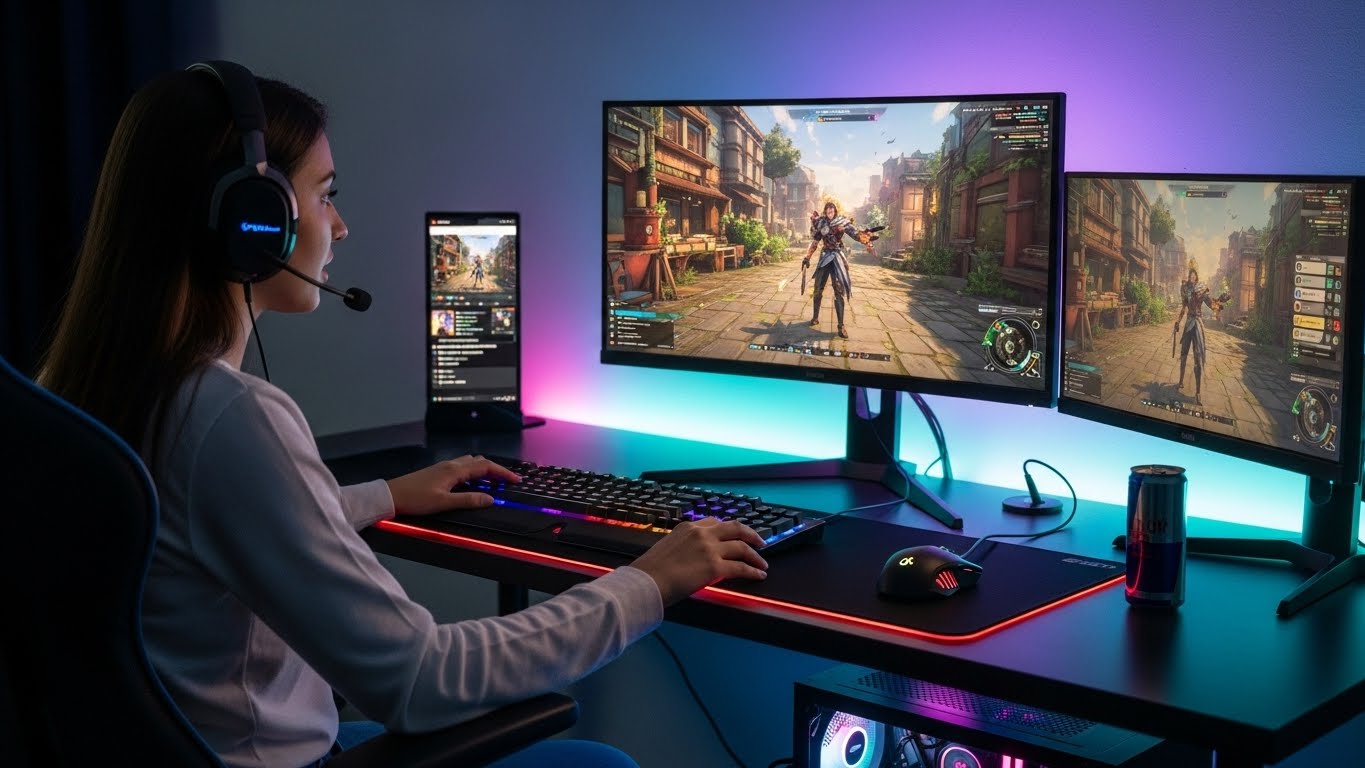
With the rise of esports in the 2000s, competitive gaming became a professional sport, attracting millions of viewers worldwide. Esports tournaments now offer huge prize pools, sponsorships, and celebrity players. Professional gaming organizations and streaming platforms like Twitch have turned gaming into a legitimate career, with many gamers earning substantial incomes by playing and streaming their gameplay.
Mobile Gaming: Bringing Games to the Masses
The 21st century saw another major shift in the gaming landscape with the rise of mobile gaming. The advent of smartphones and tablets in the early 2000s allowed games to become more accessible than ever before. Mobile games like “Angry Birds,” “Candy Crush Saga,” and “Pokémon GO” reached a massive audience that may never have considered themselves “gamers” before.
What set mobile gaming apart was its accessibility. Anyone with a smartphone could enjoy games, and the low-cost, free-to-play models allowed for widespread participation. Casual gamers, who didn’t have the time or interest to engage in long gaming sessions, could enjoy quick, fun, and addictive games during their commutes, while waiting in line, or during breaks.
Mobile games also introduced the concept of microtransactions, where players could purchase in-game items, boosts, or cosmetic features. This model of “freemium” games has been immensely successful, as it allows developers to reach a wide audience while monetizing the game without requiring an upfront purchase.
The Rise of Virtual Reality (VR) and Augmented Reality (AR)
One of the most exciting developments in recent years is the rise of virtual reality (VR) and augmented reality (AR) technologies in gaming. VR has transformed gaming by offering fully immersive, 3D environments where players can physically interact with the game world. With VR headsets like Oculus Rift and HTC Vive, players can step into the shoes of a character, exploring virtual worlds, solving puzzles, and fighting enemies as if they were really there.
VR is quickly becoming a staple of the gaming industry, with developers creating games that offer deep immersion and a truly interactive experience. The potential for VR to revolutionize other industries, including education, healthcare, and architecture, is immense. As the technology becomes more affordable and accessible, VR could reshape how we engage with all types of media.
AR, on the other hand, blends the digital world with the real world. Games like “Pokémon GO” have demonstrated how AR can be used to create interactive experiences that take place in the player’s environment. By using the camera and sensors in a smartphone, AR games overlay digital objects and characters onto the real world, creating a unique and engaging gaming experience.
Games as a Cultural Phenomenon
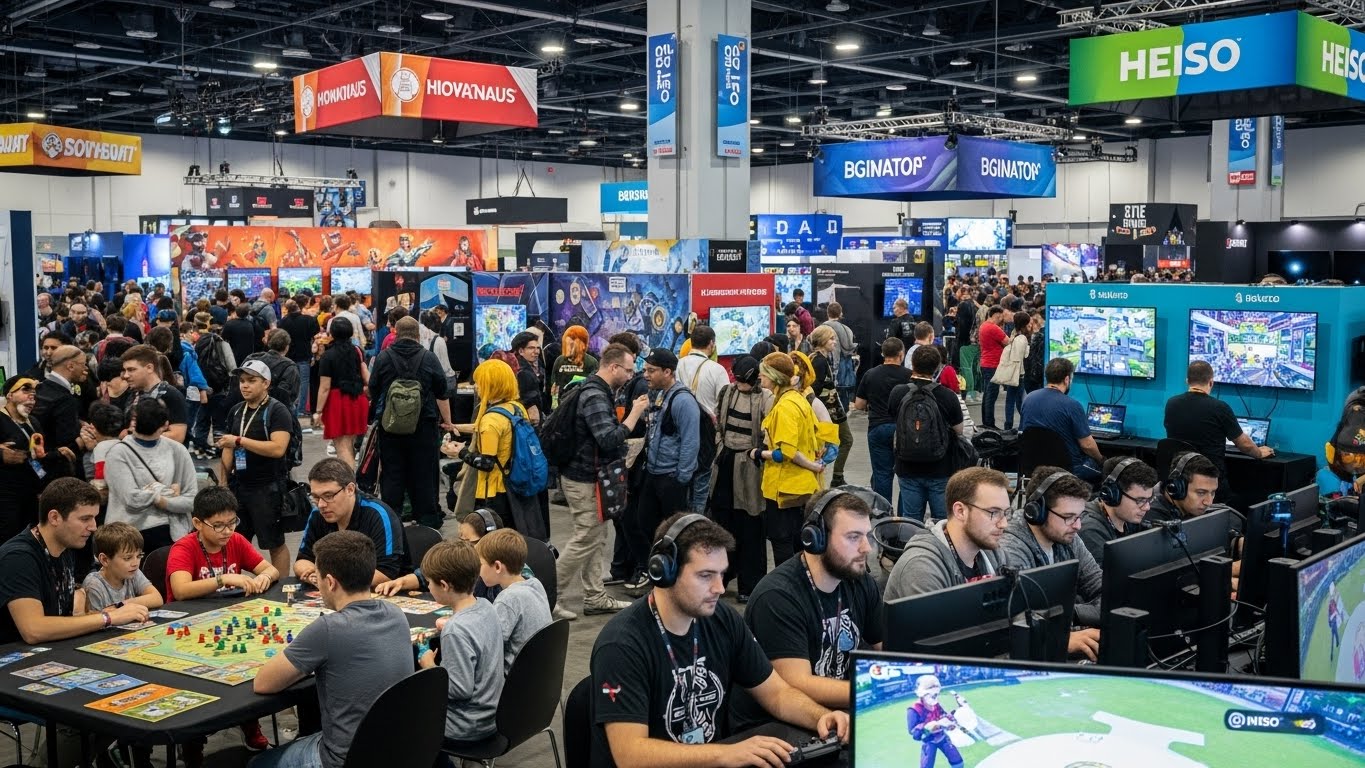
Games have evolved from simple entertainment to a cultural phenomenon, influencing everything from art and storytelling to social behavior and even politics. Iconic characters like Mario, Lara Croft, and Master Chief have become cultural icons, appearing in films, TV shows, and comics. Gaming conventions like E3 and Comic-Con attract millions of fans, and esports tournaments draw massive live and online audiences.
Games are also increasingly used as platforms for social interaction and activism. Online multiplayer games have created communities where players from different parts of the world can connect, form friendships, and collaborate. These virtual spaces have become breeding grounds for global movements, with games like “League of Legends” and “Fortnite” providing platforms for players to organize charity events, raise awareness about social issues, and even influence politics.
Moreover, video games are now widely regarded as an art form. The ability to tell complex stories, create detailed and immersive worlds, and use interactive gameplay to engage players has allowed games to explore profound and meaningful themes. Games like “The Last of Us,” “Red Dead Redemption 2,” and “Journey” have received critical acclaim for their storytelling, cinematography, and emotional depth, further establishing games as an important medium for artistic expression.
The Future of Gaming: Cloud Gaming and AI
As we look to the future, the gaming industry is poised for even more revolutionary changes. Cloud gaming, which allows players to stream games from remote servers instead of relying on high-powered hardware, is already gaining traction. Services like Google Stadia, Xbox Cloud Gaming, and NVIDIA GeForce Now allow players to access high-quality games on any device with an internet connection, eliminating the need for expensive consoles or gaming PCs.
The integration of artificial intelligence (AI) in gaming is another area of rapid development. AI is being used to create more dynamic and responsive game worlds, with non-playable characters (NPCs) that can learn from and adapt to player behavior. This will lead to more personalized and challenging gameplay experiences, as well as more immersive worlds that feel alive and reactive.
Conclusion
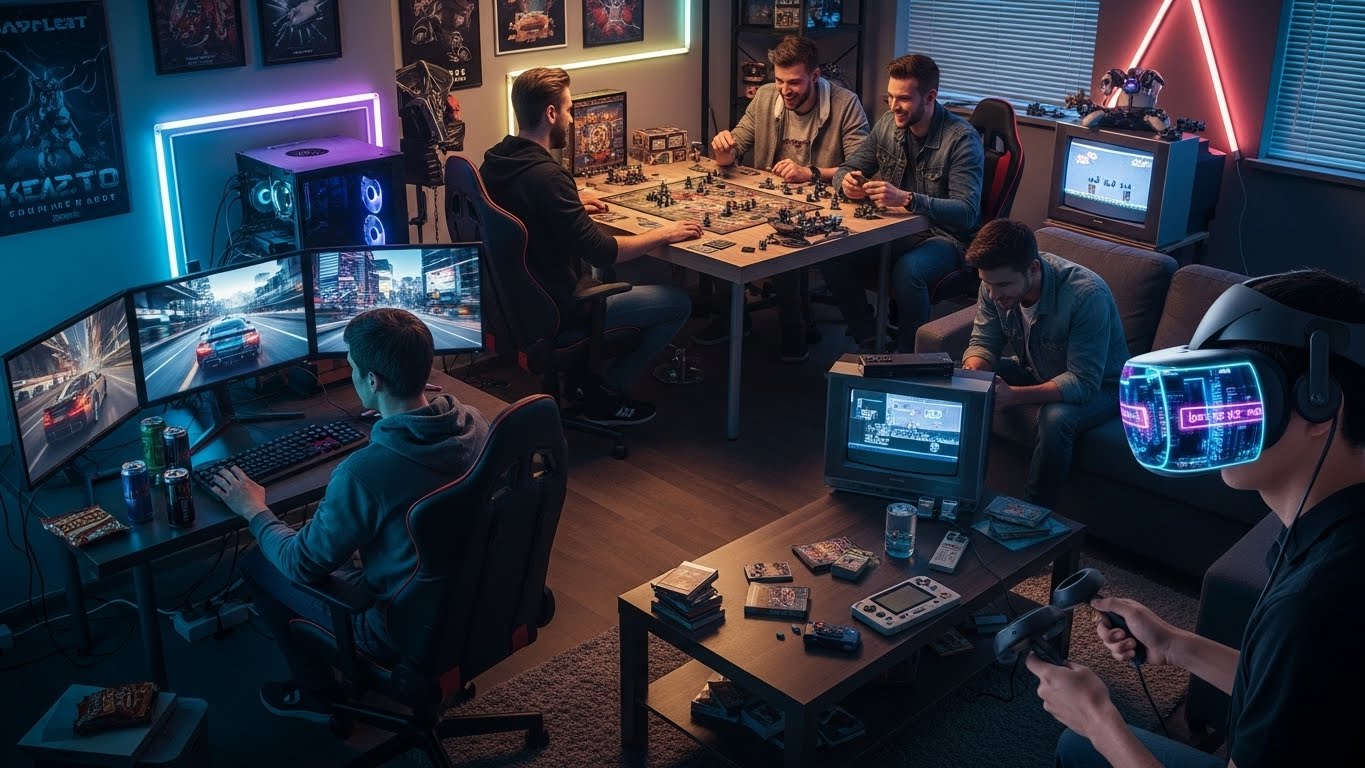
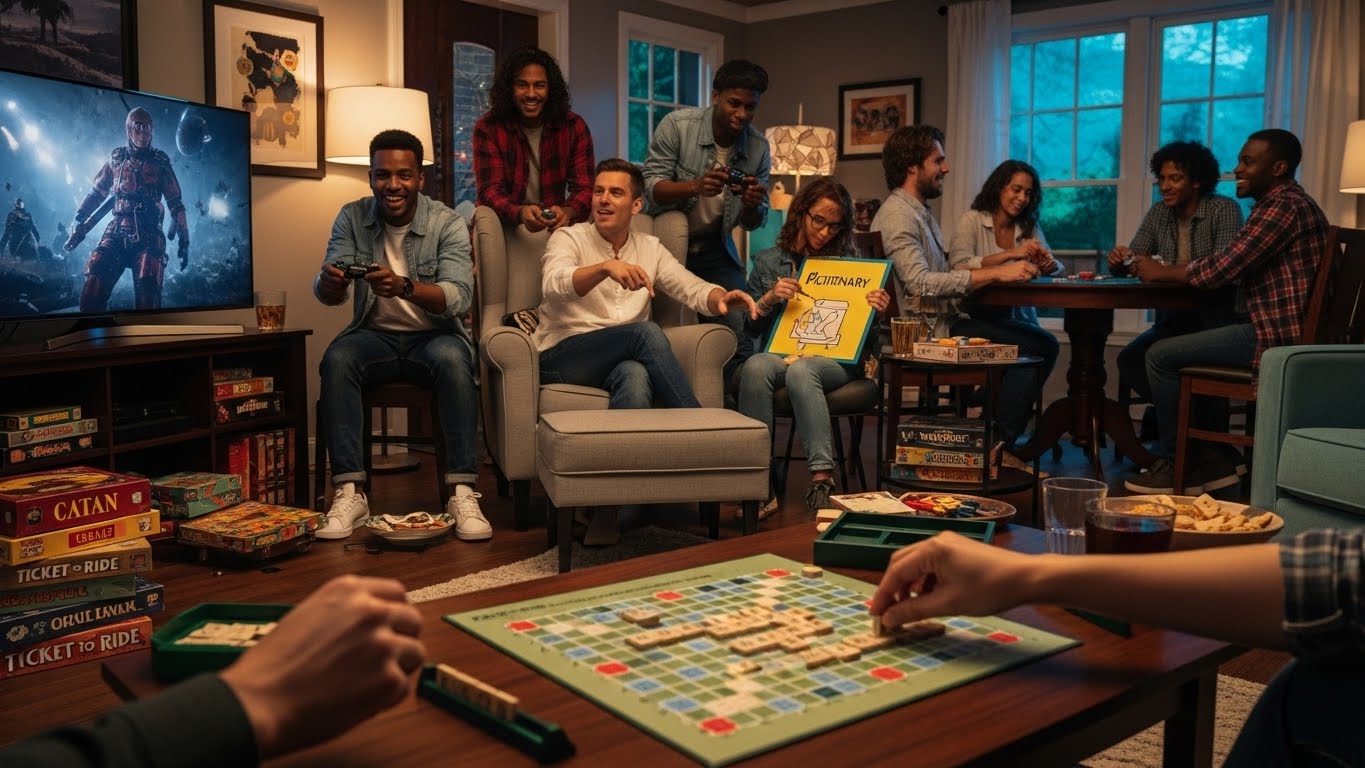
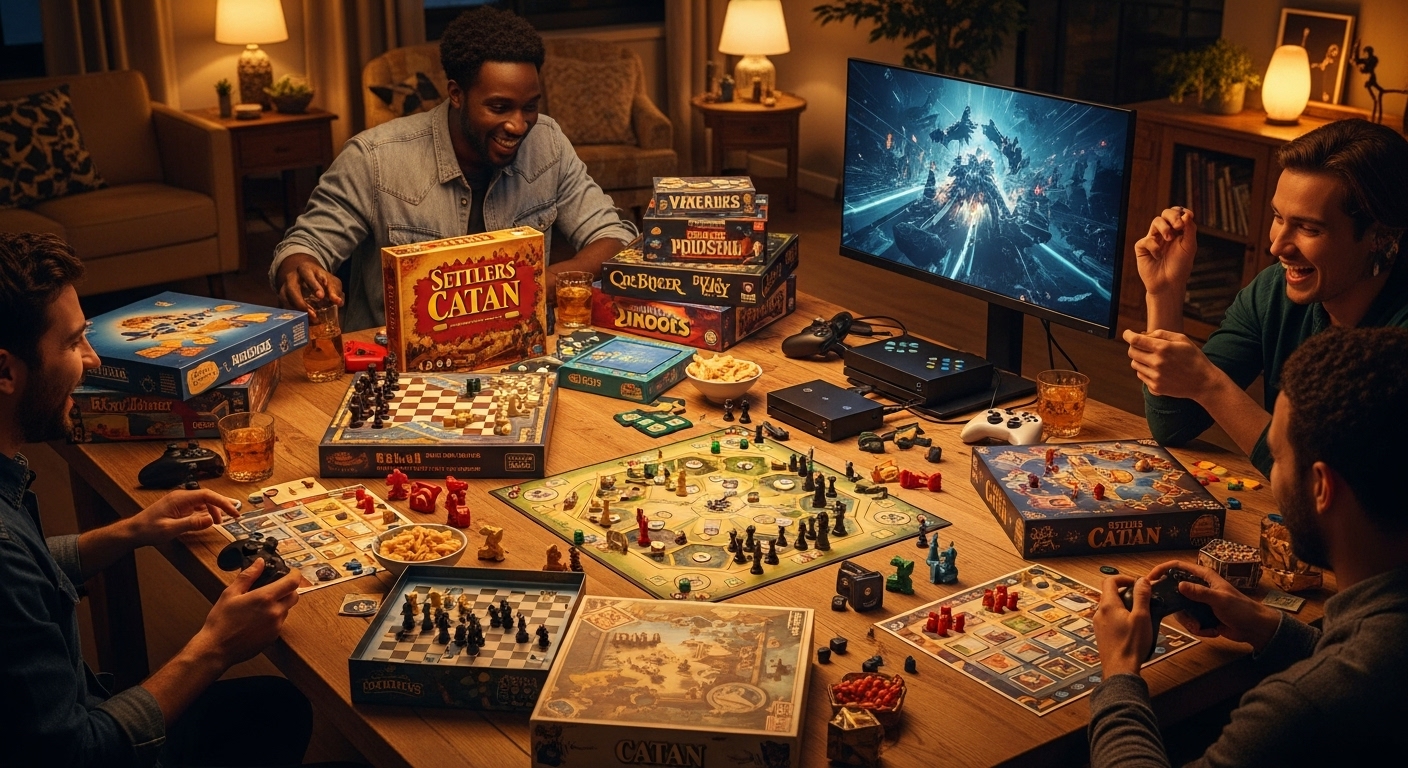
Games have come a long way since their ancient origins. What started as simple forms of entertainment and strategy has grown into a global industry that shapes culture, technology, and social behavior. Whether it’s through consoles, mobile phones, VR headsets, or esports tournaments, gaming has transcended its original purpose and become a central part of our lives.
As technology continues to advance, games will only become more immersive, interactive, and accessible. The future of gaming promises exciting new developments in virtual reality, cloud gaming, and AI, pushing the boundaries of what’s possible. And as games continue to evolve, they will remain a powerful tool for connection, creativity, and storytelling.
Gaming is no longer just a hobby—it’s a dynamic, evolving medium that brings people together, entertains, educates, and challenges us in new ways. The thrill of play, it seems, is just beginning.