

Games have always been an integral part of human culture, acting as both a source of entertainment and a platform for personal and social growth. From ancient board games to modern video games, the world of games has undergone a tremendous transformation, driven by technological advancements, evolving tastes, and new forms of interaction. This blog post will explore the significance of games throughout history, their impact on our daily lives, and where the future of gaming may lead us.
The Origins of Gaming: From Ancient Board Games to Physical Challenges
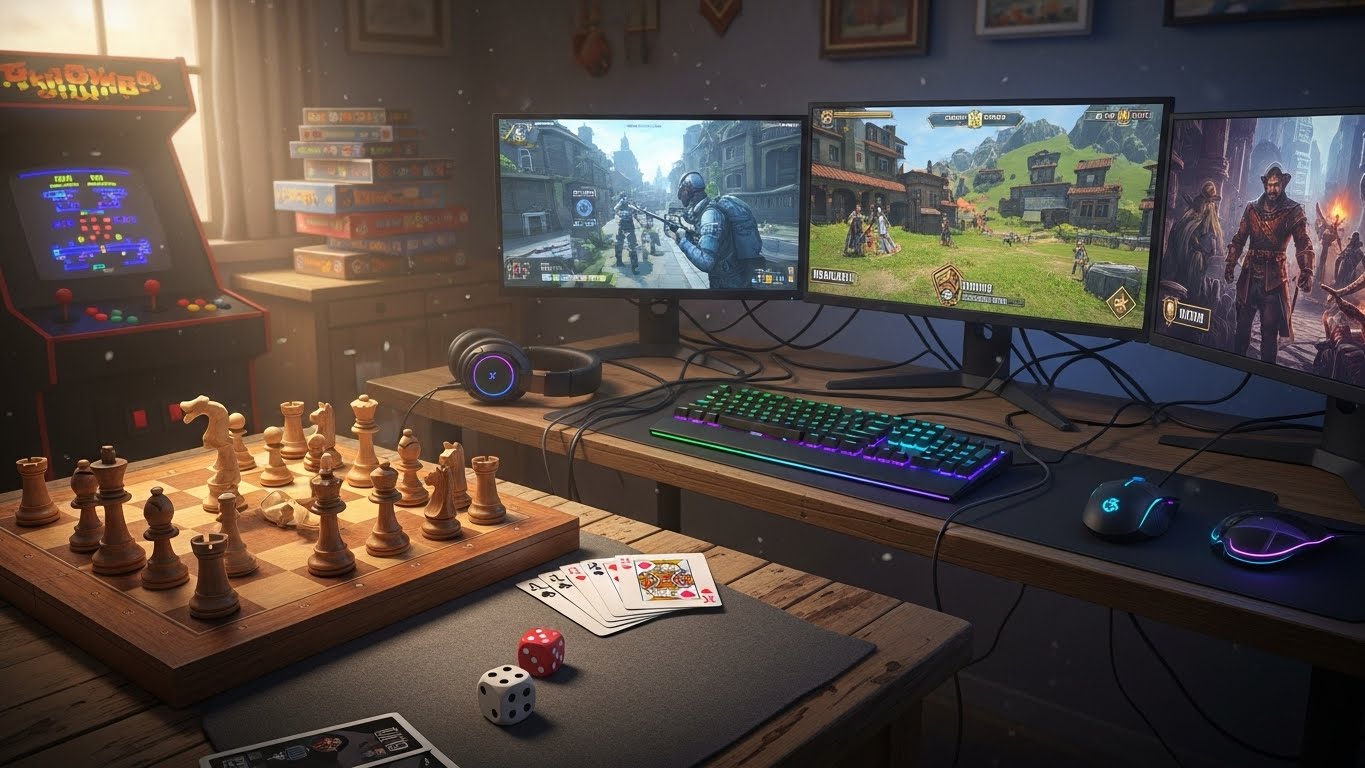
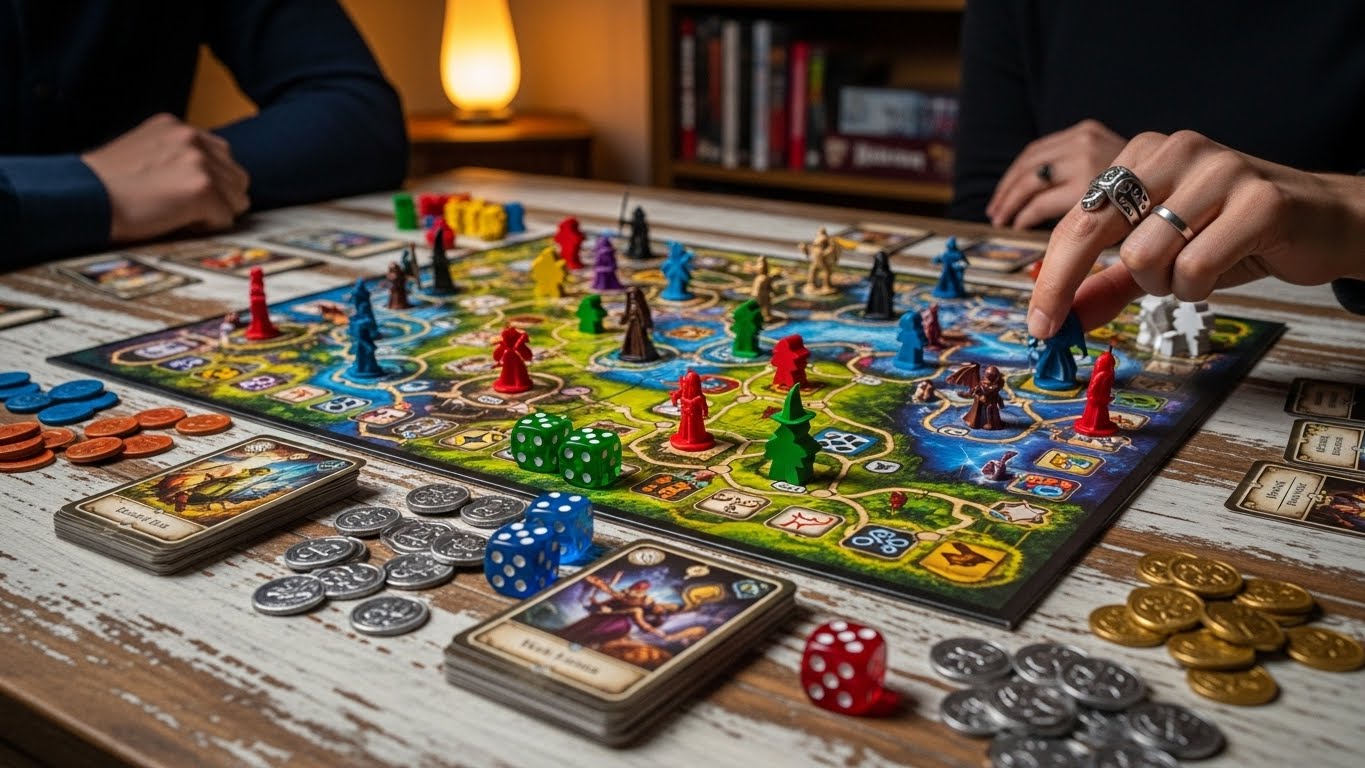
The origins of gaming can be traced back thousands of years. In ancient civilizations, people engaged in various games that served multiple purposes—ranging from entertainment to educational tools and methods of social bonding. Board games like Senet in ancient Egypt, Go in China, and Chess in India became staples of early society. These games were not only a means of leisure but also a way for people to challenge their minds, develop strategic thinking, and sharpen their problem-solving skills.
Other early games involved physical challenges, such as races, hunting contests, or mock battles, which were used to prepare individuals for war, build physical endurance, and strengthen community ties. In ancient Greece, for example, the Olympics were founded as a series of physical competitions to honor the gods, and they continue today as a symbol of human achievement and athleticism.
As time went on, games evolved and began to take more organized forms. The creation of card games in the Middle Ages, for example, helped set the stage for modern-day recreational gaming, with games like poker and bridge becoming globally recognized and cherished.
The Birth of Video Games: A New Era of Digital Play
The modern age of gaming truly began in the 20th century, with the advent of digital technology and the creation of the first video games. The 1950s and 1960s saw the emergence of early experimental games on computers, such as Tennis for Two, developed in 1958, which is widely considered one of the first video games ever made. However, it was Pong, released by Atari in 1972, that truly brought video games into the mainstream. As one of the first commercially successful arcade games, Pong ushered in a new era of interactive entertainment.
The 1980s were pivotal in shaping the future of gaming. This decade saw the explosion of arcade games, such as Pac-Man, Donkey Kong, and Space Invaders, which introduced millions of people to the concept of interactive entertainment. This period also witnessed the birth of home gaming consoles, with systems like the Nintendo Entertainment System (NES) and the Sega Genesis giving consumers the ability to play video games in their own homes.
One of the key developments of the 1980s and 1990s was the rise of video game culture. It was during this time that gaming transitioned from a niche hobby to a global phenomenon. The development of role-playing games (RPGs), first-person shooters (FPS), and platformers helped solidify the diverse landscape of modern gaming. Iconic franchises like Super Mario Bros., The Legend of Zelda, and Final Fantasy took center stage, offering expansive worlds, deep stories, and memorable characters that would go on to define gaming for decades.
The Age of Online Gaming: Connecting Players Across the Globe
The internet revolutionized nearly every aspect of modern life, and gaming was no exception. With the rise of the internet in the late 1990s and early 2000s, multiplayer gaming evolved from local co-op experiences to massive online worlds where players could interact, compete, and cooperate in real-time across vast distances.
One of the first major online gaming successes was StarCraft, a real-time strategy game released in 1998, which allowed players to compete against one another over the internet. However, it was World of Warcraft, released in 2004, that truly solidified the concept of massive multiplayer online games (MMOs). This game allowed millions of players from all over the world to explore a vast fantasy universe together, completing quests, battling enemies, and forming guilds that would become central to the game’s community.
Online gaming also saw the rise of first-person shooters like Call of Duty and Halo, which allowed players to battle it out in virtual arenas with others from around the world. These games introduced competitive play on an entirely new level, and their success led to the rise of esports—professional competitive gaming—that has since become a multi-billion-dollar industry.
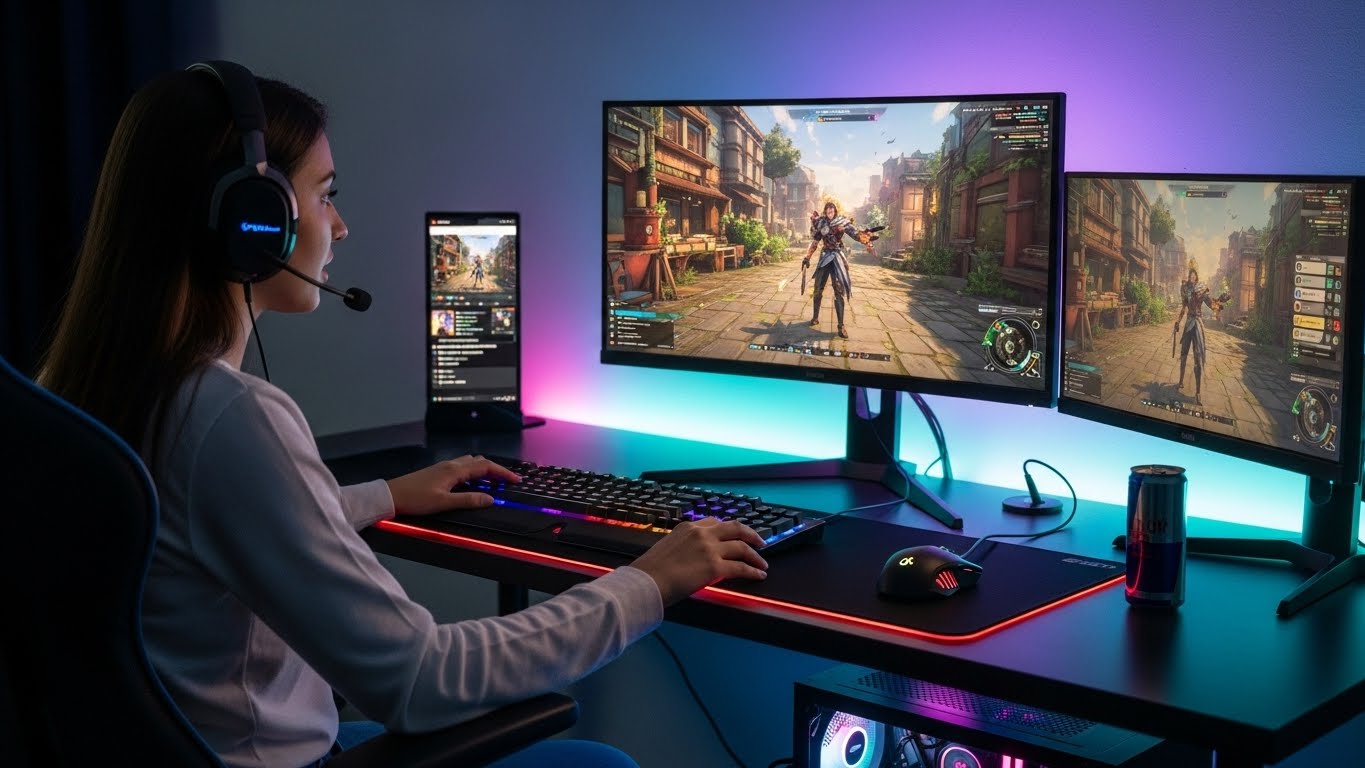
The advent of social media platforms like Twitch and YouTube also allowed gamers to share their experiences with broader audiences, creating a new form of entertainment in the process. Streaming has become a massive part of the gaming world, where players not only compete but also entertain and engage with viewers, building their own communities of fans and followers.
The Evolution of Game Genres: Diversity in Play
As the world of gaming has expanded, so too has the variety of genres available to players. Today, there is a game for virtually every type of player, from casual mobile games to complex simulation experiences. Some of the most popular genres include:
Action and Adventure Games
Action and adventure games remain at the core of the gaming experience. Games like The Legend of Zelda: Breath of the Wild, Red Dead Redemption, and Uncharted have redefined what it means to explore virtual worlds. These games often feature open-world exploration, complex narratives, and a blend of combat, puzzles, and problem-solving.
Role-Playing Games (RPGs)
RPGs are known for their deep storytelling, character development, and immersive worlds. Classic franchises like Final Fantasy, Elder Scrolls, and The Witcher have continued to push the boundaries of gaming, offering vast, detailed universes for players to explore. Many RPGs allow players to make choices that shape the story, giving a personalized experience that varies from playthrough to playthrough.
Sports and Racing Games
Sports and racing games, such as FIFA, Madden NFL, and Gran Turismo, have long been popular with gamers who want to experience the thrill of competition without leaving their homes. These games strive to replicate the real-world experience, offering lifelike graphics and authentic gameplay. They have also evolved to include more immersive features, such as career modes and online multiplayer.
Simulation Games
Simulation games provide players with the opportunity to create and manage virtual worlds, businesses, and life scenarios. Games like The Sims, SimCity, and Animal Crossing allow players to design their environments, interact with characters, and experience the consequences of their decisions. This genre has grown in popularity, with a wide variety of simulation experiences now available to players of all ages.
Survival and Battle Royale Games
Survival games, such as Minecraft and ARK: Survival Evolved, offer players the chance to craft, build, and survive in harsh, hostile environments. Similarly, battle royale games like Fortnite, Apex Legends, and PUBG have introduced a new form of competitive play, where players must outlast each other in ever-shrinking arenas, often requiring fast-paced decision-making and quick reflexes.
Puzzle and Indie Games
Puzzle games like Tetris and Portal continue to challenge players’ cognitive abilities and problem-solving skills. Indie games, often created by smaller studios, have carved out their niche, with titles like Celeste, Hades, and Hollow Knight showcasing the creativity and innovation possible in gaming outside of mainstream titles.
Gaming in the Modern World: A Cultural Phenomenon
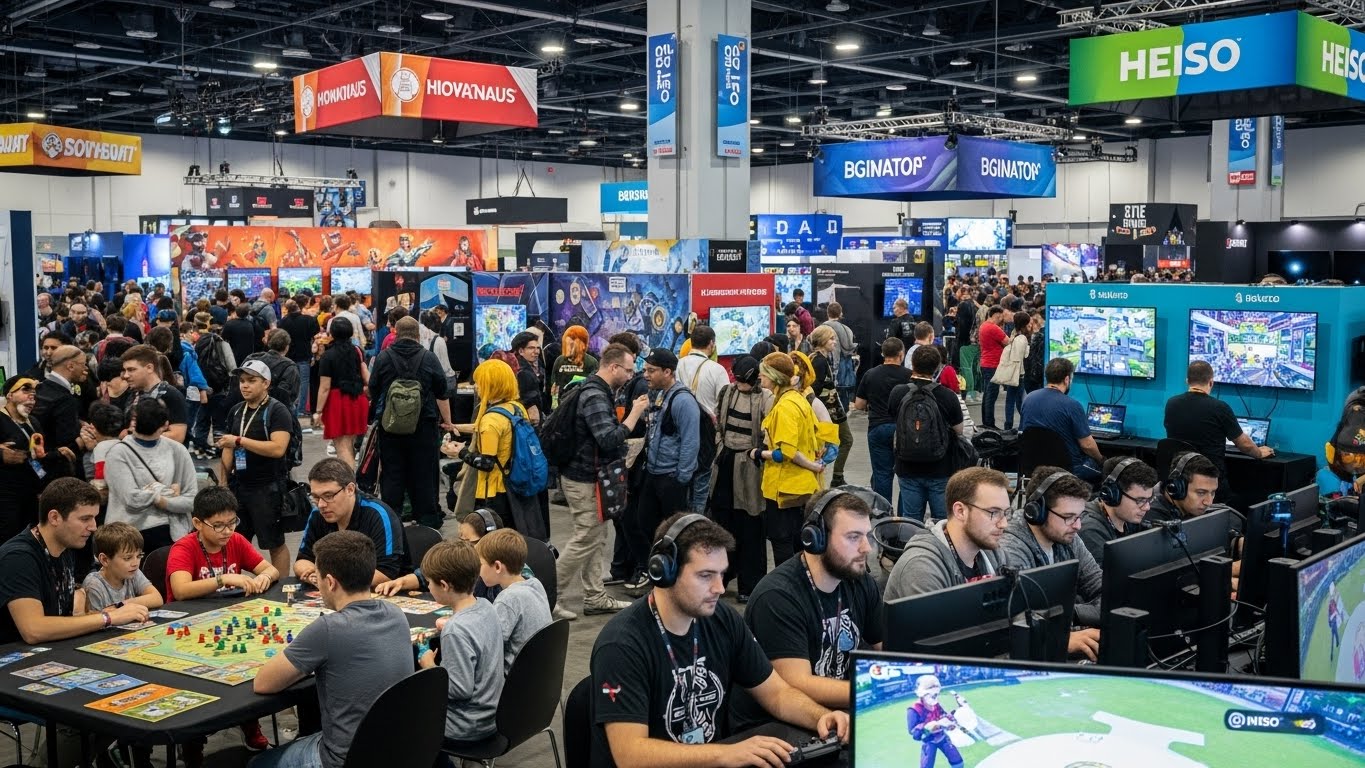
Gaming has become a cultural force to be reckoned with. The popularity of games is evident not only in sales but also in the rise of gaming conventions, such as E3, PAX, and Gamescom, which attract thousands of fans every year. Video game music, too, has gained recognition, with game soundtracks being performed in orchestral concerts around the world.
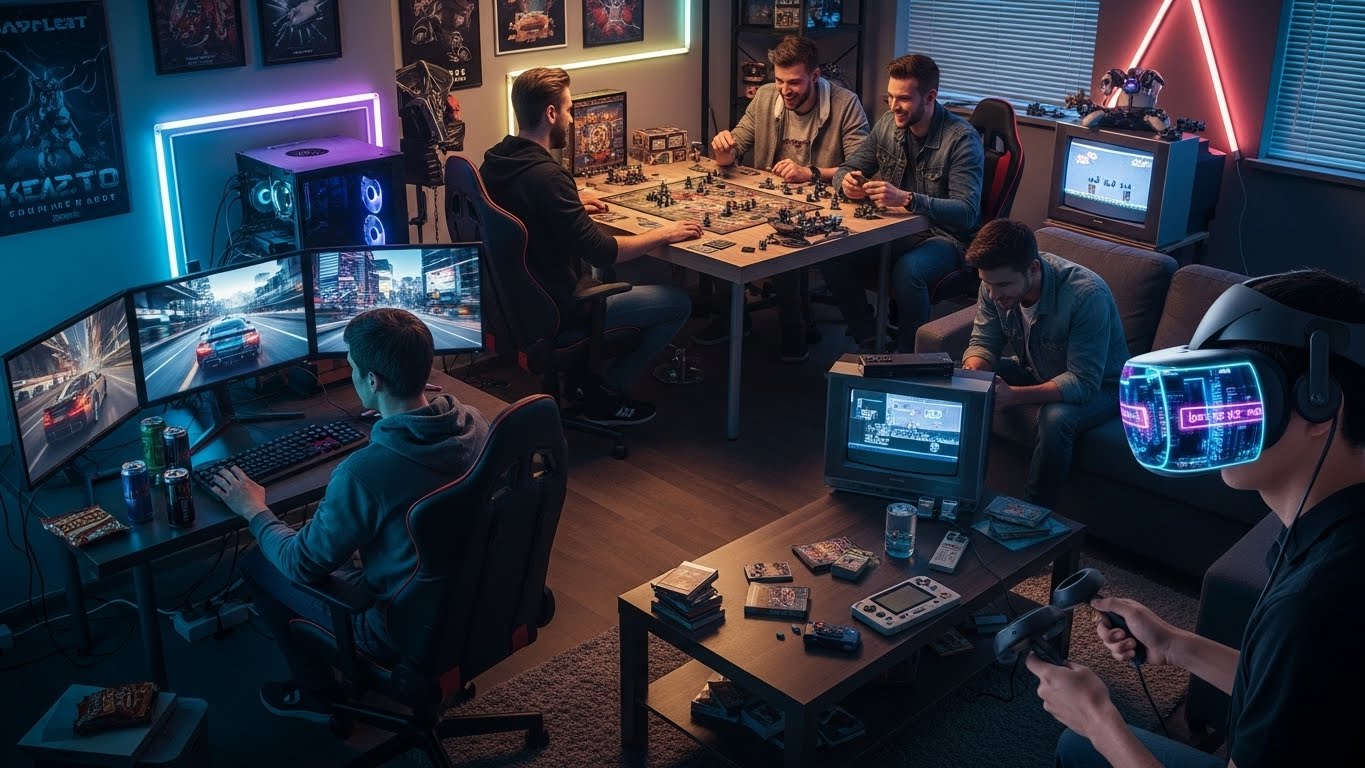
Moreover, gaming has also become a significant part of social culture, with many people turning to games as a way to connect with friends and make new ones. Online communities, fan conventions, and live streaming platforms have created opportunities for social interaction and the exchange of ideas, bringing gamers from diverse backgrounds together to share their passion for gaming.
The Future of Gaming: Virtual Reality, AI, and Beyond
Looking ahead, the future of gaming is brighter than ever. Advancements in virtual reality (VR) and augmented reality (AR) are set to transform how we interact with games. VR headsets are already providing immersive gaming experiences, placing players directly into the action in a way that traditional consoles cannot. Games like Half-Life: Alyx have shown the potential for VR to offer entirely new ways of playing, while Pokémon Go demonstrated the power of AR to bring games into the real world.
The integration of artificial intelligence (AI) is also a major development in gaming. AI can be used to create smarter, more dynamic NPCs (non-playable characters), adapt game difficulty in real-time, and even craft new stories and content on the fly. As AI continues to evolve, games could become more personalized and responsive, offering unique experiences for every player.
Moreover, the rise of cloud gaming and 5G technology could eliminate the need for expensive gaming hardware, allowing players to access high-quality games on any device with an internet connection. This shift could democratize gaming, making it more accessible to people around the world.