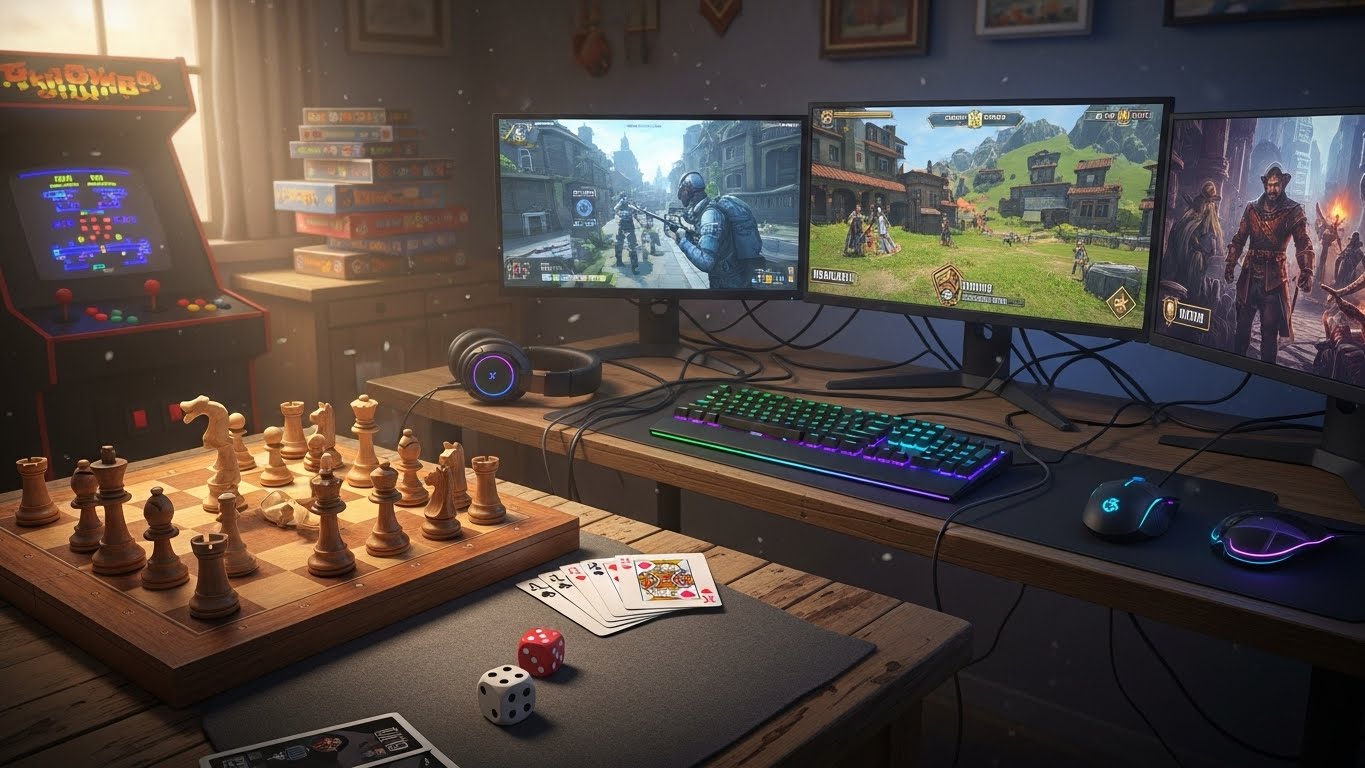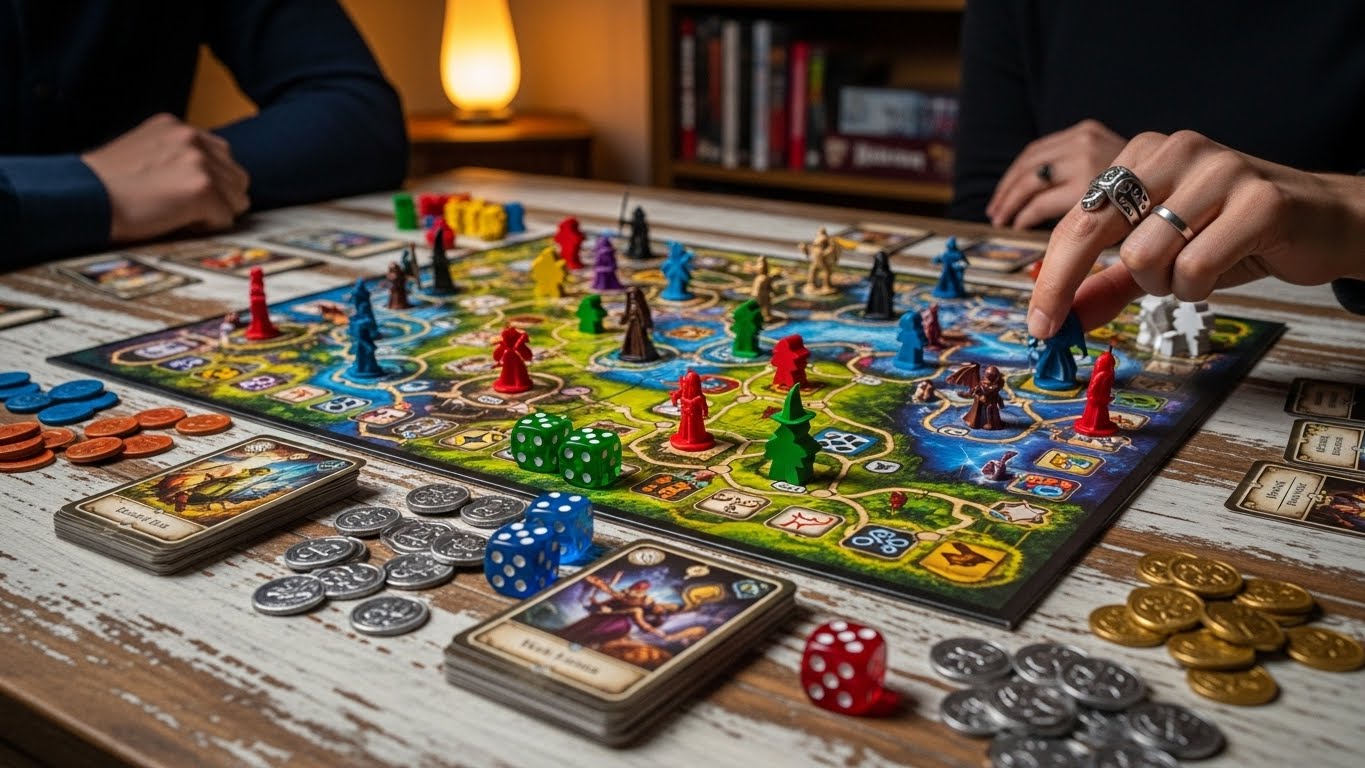

Games have been an integral part of human culture for centuries. From ancient board games to the latest virtual reality experiences, they have always held a special place in the hearts of people around the world. What began as simple pastimes for entertainment and relaxation has now evolved into an expansive global industry that influences social interaction, technological advancements, and even cultural movements. Games are no longer just activities for children or casual entertainment; they are now a multi-billion-dollar industry, a competitive sport, and a powerful medium for storytelling.
This blog post explores the fascinating world of games—be it video games, sports, or traditional tabletop games. We will examine how games have evolved over the years, their impact on society, and the future of gaming as both a form of entertainment and a cultural phenomenon.
The Evolution of Video Games: From Pong to Virtual Reality
Video games have come a long way since the release of the very first commercially successful video game, Pong, in the 1970s. What began as simple pixelated graphics and limited gameplay has now transformed into an incredibly complex and immersive form of entertainment. Over the past five decades, technology has driven the evolution of video games, leading to increasingly sophisticated graphics, advanced storytelling, and deep interactivity.
In the early days, video games were limited to arcade machines and home consoles like the Atari 2600. These games were relatively simple in design and often centered around basic objectives like shooting, jumping, or navigating mazes. As the technology advanced, so did the complexity of the games. By the 1980s, platforms like the Nintendo Entertainment System and Sega Genesis revolutionized the gaming industry with more colorful graphics, better sound, and more engaging gameplay experiences. Games like Super Mario Bros., The Legend of Zelda, and Sonic the Hedgehog defined an entire generation of gamers.
The 1990s and 2000s brought even more radical changes. 3D graphics became the new standard, allowing games like Super Mario 64, Final Fantasy VII, and The Elder Scrolls V: Skyrim to offer players an immersive world in which they could explore vast landscapes, engage in deep narratives, and make meaningful choices. The growth of the internet also led to the rise of online multiplayer games, with titles such as World of Warcraft and Counter-Strike allowing players to connect with others across the globe in real-time.
Today, video games are pushing the boundaries of what is possible with virtual reality, augmented reality, and cloud gaming. Virtual reality (VR) headsets like the Oculus Rift and PlayStation VR provide players with an experience that makes them feel as if they are truly inside the game. Meanwhile, augmented reality (AR) games like Pokémon Go blend the real world with the virtual, offering a more interactive and immersive gaming experience. Cloud gaming services like Google Stadia and Xbox Cloud Gaming allow players to stream games directly to their devices, eliminating the need for expensive hardware and making gaming more accessible than ever.
The Rise of eSports: Gaming as a Competitive Sport
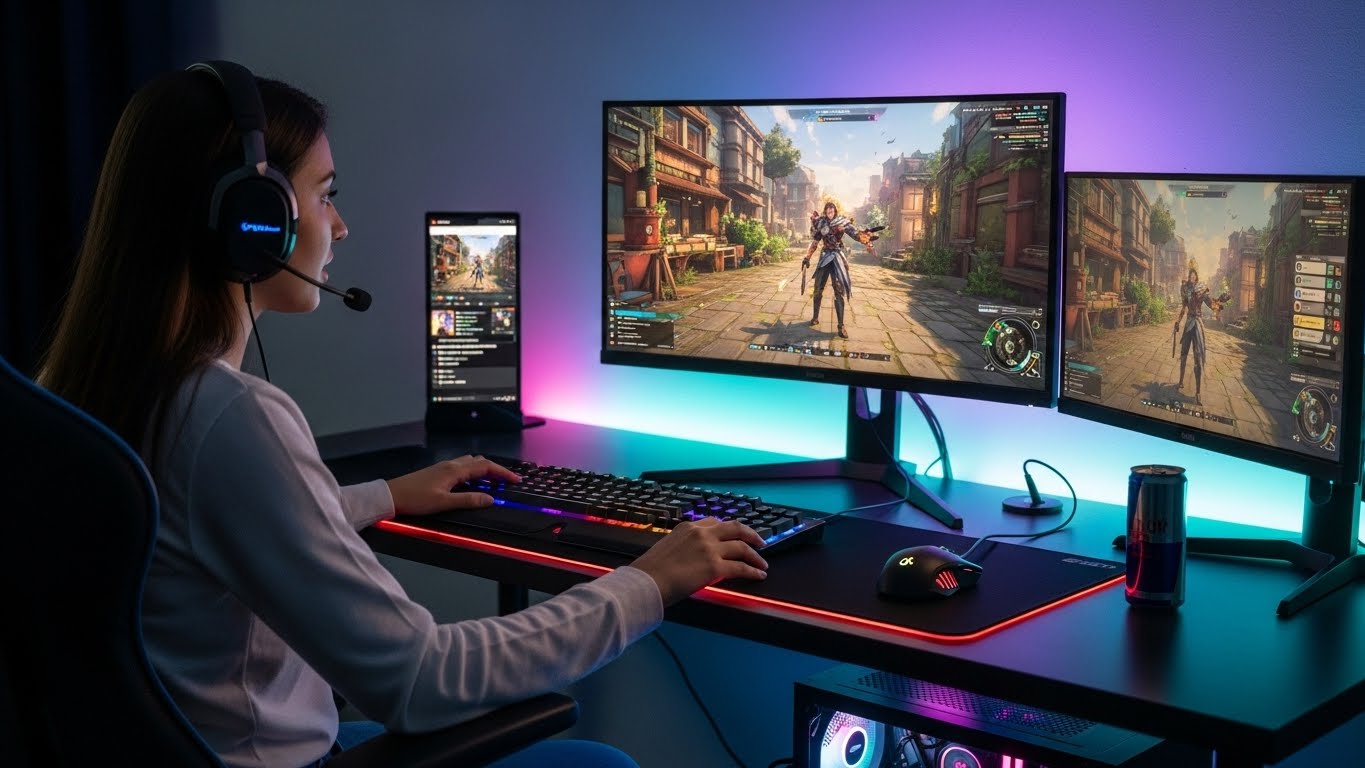
While video games were once viewed primarily as a form of leisure, the rise of eSports has changed the way people view gaming. eSports, or electronic sports, refers to competitive gaming at a professional level, where players compete in organized tournaments for cash prizes, sponsorships, and fame. What was once a niche activity has now blossomed into a global phenomenon, with millions of viewers tuning in to watch their favorite players and teams compete in games like League of Legends, Dota 2, Fortnite, and Counter-Strike: Global Offensive.
The origins of eSports can be traced back to the late 1990s and early 2000s, when games like StarCraft and Quake began to gain popularity in competitive circles. However, it wasn’t until the 2010s that eSports exploded into the mainstream. Large-scale tournaments, such as the League of Legends World Championship and The International (Dota 2’s annual tournament), now attract millions of viewers and offer multi-million dollar prize pools. Professional eSports players can earn salaries comparable to traditional athletes, and the industry as a whole is expected to generate billions in revenue in the coming years.
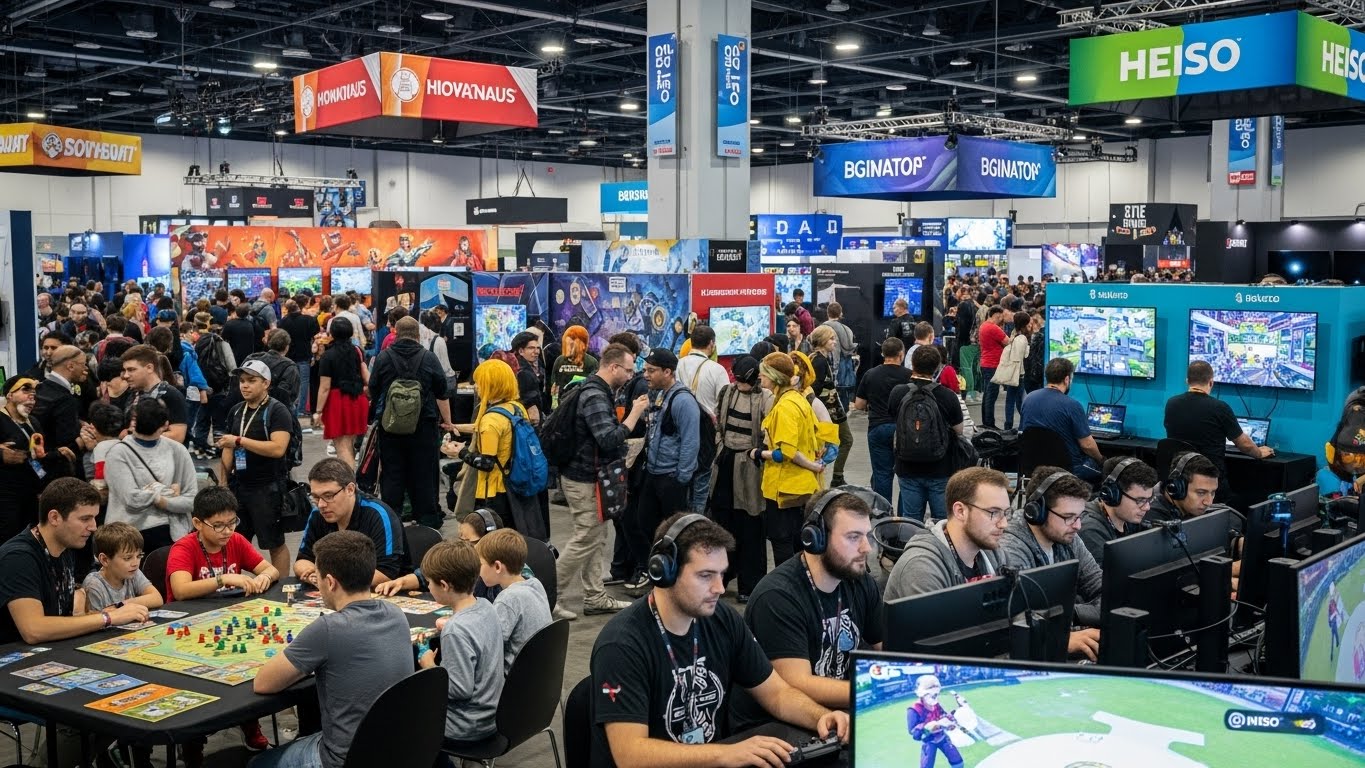
What makes eSports so appealing is its accessibility. Unlike traditional sports, which require specialized facilities and equipment, eSports can be played anywhere with a computer and internet connection. This has led to the rise of amateur players who can compete in local or online tournaments and, with enough skill, make it to the professional level. Moreover, the culture surrounding eSports—comprising fan communities, influencers, and content creators—has made gaming a shared experience that extends beyond the matches themselves. Viewers can watch live streams of tournaments, interact with players and commentators, and engage in fan activities such as cosplay and merchandise collection.
eSports also has a growing presence in the educational system. Many universities now offer scholarships for talented eSports players, and some schools even have eSports teams that compete against other institutions. As the recognition of eSports as a legitimate competitive field continues to grow, its impact on traditional sports and entertainment is becoming increasingly clear.
The Psychology of Gaming: Why We Play
Games are more than just entertainment; they serve as an outlet for social interaction, creativity, and cognitive stimulation. People play games for various reasons—some for relaxation, others for competition, and many for a combination of both. But what is it about games that makes them so compelling?
One key aspect of gaming is the sense of achievement it provides. Whether it’s completing a level, winning a match, or solving a challenging puzzle, games often give players a clear sense of progression and accomplishment. This feeling of success can be deeply rewarding and can trigger the release of dopamine, the “feel-good” neurotransmitter in the brain. Games often offer short-term goals that are within reach, which keeps players engaged and motivated to continue playing.
Additionally, games create a safe environment for players to experiment with different strategies, personas, and identities. In role-playing games (RPGs), players can take on the role of a character that is completely different from themselves, exploring new worlds and stories. This can be a form of escapism, but it also allows players to learn problem-solving skills, develop creativity, and think critically about their actions.
For many players, gaming is also a form of social interaction. Online multiplayer games, in particular, foster a sense of community and teamwork. Players collaborate with others to achieve common goals, whether it’s defeating a raid boss in World of Warcraft or working together to win a competitive match in Overwatch. The ability to communicate, cooperate, and compete with players from around the world adds an extra layer of excitement and depth to the experience.
The Impact of Mobile Gaming: Games for Everyone
While console and PC gaming has long been the dominant force in the gaming industry, mobile gaming has emerged as one of the fastest-growing sectors in recent years. The widespread use of smartphones and tablets has made games more accessible than ever before, allowing players to game on the go, anywhere, at any time.
Mobile games like Candy Crush, Clash of Clans, and Pokémon Go have become global phenomena, reaching millions of players across different age groups, demographics, and cultures. These games are often free-to-play, with optional in-app purchases, making them accessible to a wide audience. What makes mobile gaming so appealing is its simplicity and convenience. Players don’t need expensive hardware or a dedicated gaming space; all they need is a smartphone and an internet connection.
Mobile gaming also appeals to casual gamers, who may not have the time or inclination to invest in the more complex experiences offered by console and PC games. Casual mobile games offer short bursts of gameplay, making them ideal for quick sessions during a commute or while waiting in line. However, this has not diminished the depth or quality of many mobile titles. Games like Monument Valley, Hearthstone, and Genshin Impact showcase how mobile games can provide rich, immersive experiences on par with traditional gaming platforms.
With the rise of mobile gaming, it’s clear that gaming is no longer confined to a specific audience or platform. It has become a truly global and all-encompassing form of entertainment, reaching players of all ages and backgrounds.
The Future of Gaming: What Lies Ahead?
As technology continues to evolve, so too will the world of gaming. The next frontier of gaming lies in the convergence of augmented reality (AR), virtual reality (VR), and artificial intelligence (AI). These technologies are already beginning to change the way we experience games, and they promise to take gaming to new levels of immersion and interactivity.
Virtual reality, for example, offers the potential for a fully immersive gaming experience where players can physically interact with their virtual environments. VR games like Beat Saber and Half-Life: Alyx have already showcased the possibilities of this technology, and as VR headsets become more affordable and accessible, we can expect this medium to continue growing.
Augmented reality, on the other hand, blends the digital world with the real one. Games like Pokémon Go have shown that AR can create unique, location-based experiences where players interact with virtual objects in the real world. Future AR games could incorporate elements of everyday life, allowing players to engage with their surroundings in entirely new ways.
Artificial intelligence also holds great promise for the future of gaming. AI can be used to create dynamic, adaptive game worlds that respond to player decisions in real-time. Non-playable characters (NPCs) could become more lifelike, with complex behaviors and personalities that make interactions feel more genuine. AI-driven storylines could also allow for a more personalized gaming experience, where each player’s choices shape the direction of the narrative.