
Introduction: More Than Just Play
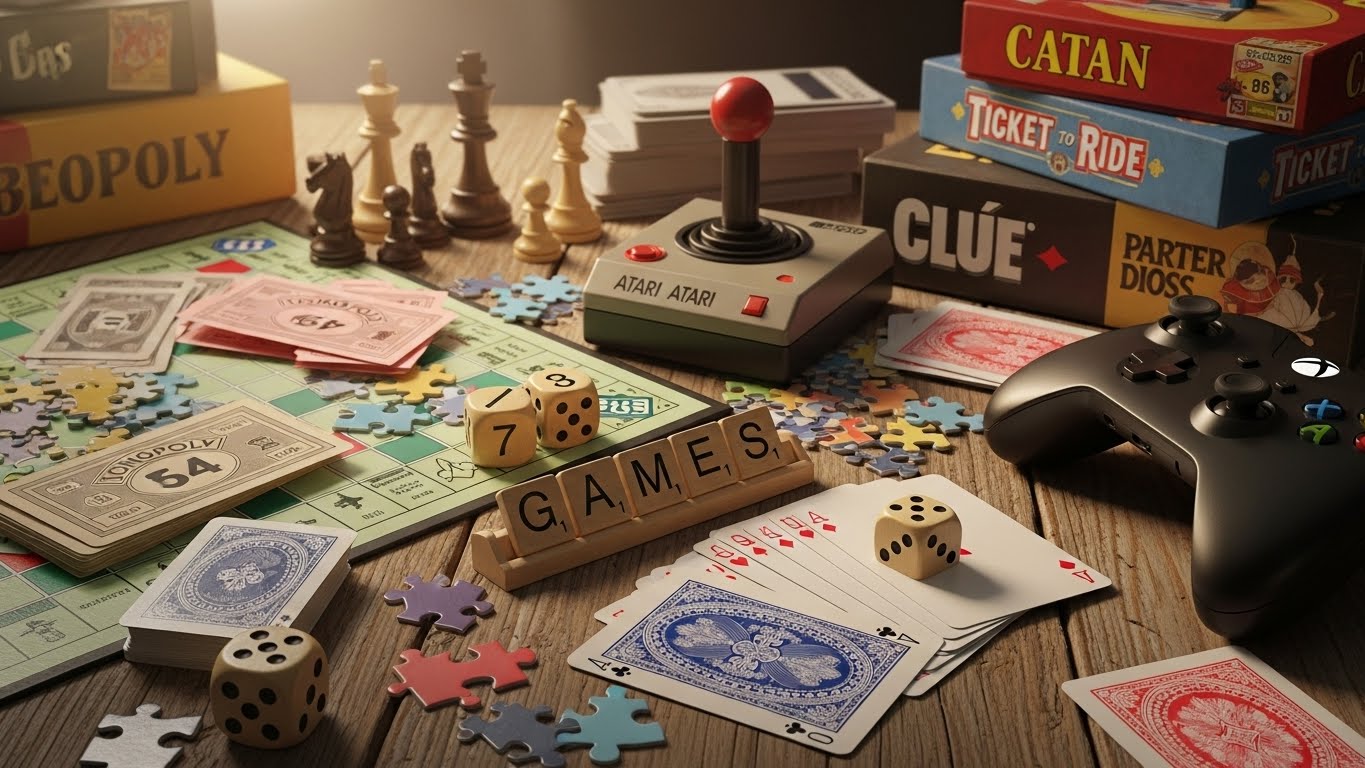
Games have been an essential part of human civilization for thousands of years. From ancient board games to modern virtual realities, gaming has evolved into a complex and multifaceted form of entertainment, education, and social interaction. While often dismissed as a simple pastime, games have far-reaching impacts on cognitive development, social bonding, and even cultural expression. This blog explores the world of games, examining their history, influence, and role in modern life.
The Evolution of Games
Games have existed in virtually every culture throughout history. Early games were often simple, like dice, stones, or boards etched into the ground, but they carried significant cultural and social meaning. They were used to teach strategy, mathematics, and decision-making, often serving both educational and recreational purposes.
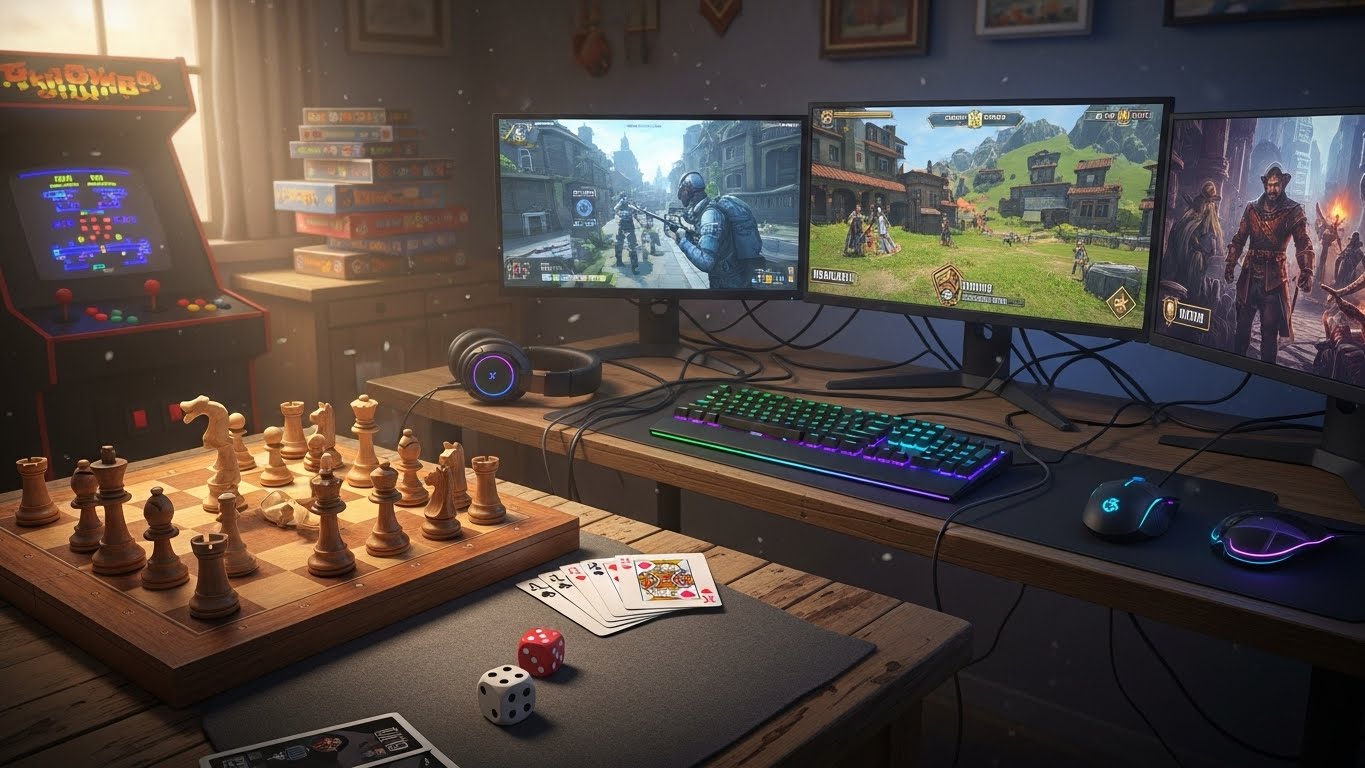
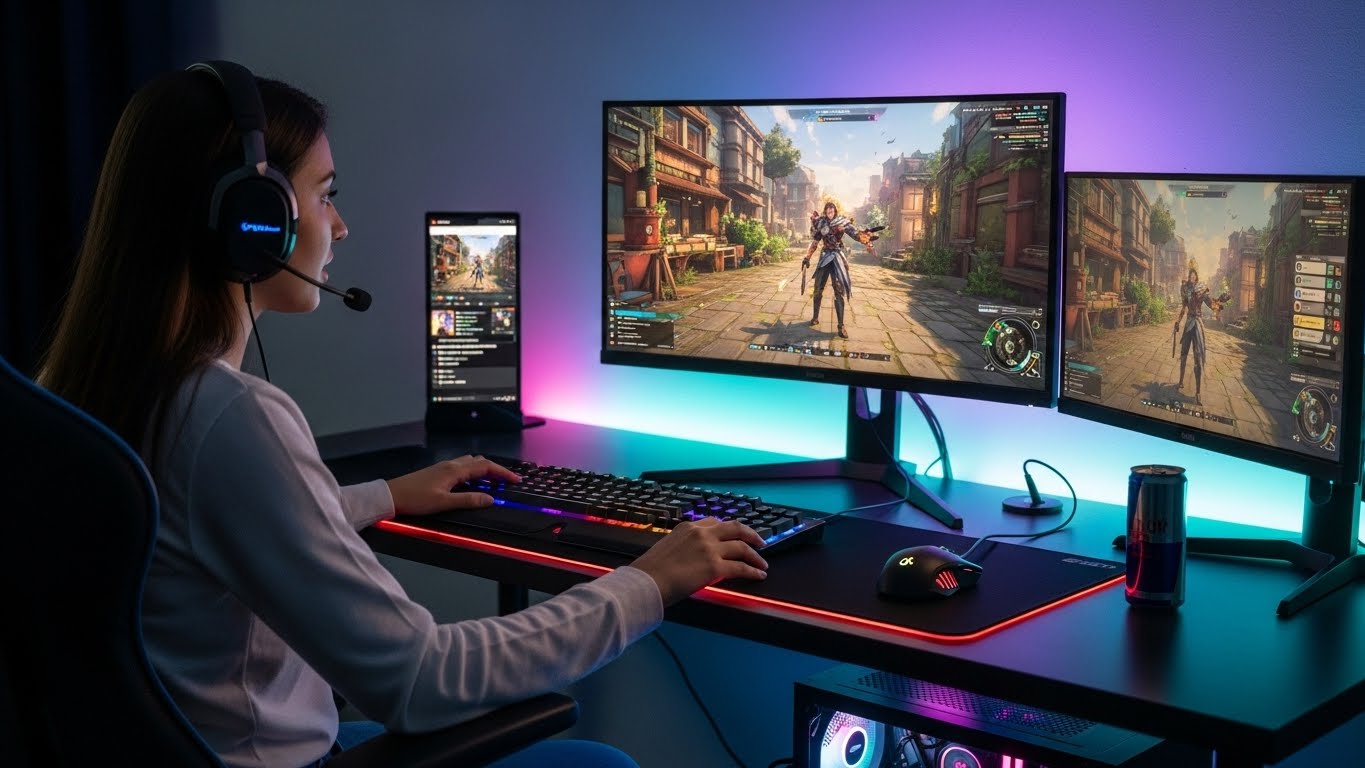
As societies evolved, so did games. Chess emerged as a complex strategic game reflecting military tactics. Card games appeared as a form of social interaction and storytelling. The 20th century saw the rise of video games, revolutionizing gaming by introducing digital interaction and immersive experiences. Today, gaming spans physical, board, card, and digital forms, each offering unique experiences to players worldwide.
Cognitive Benefits of Gaming
One of the most significant aspects of games is their effect on the human mind. Games challenge players to think critically, solve problems, and develop strategies. Puzzle games, for example, sharpen logical thinking and pattern recognition, while real-time strategy games enhance decision-making under pressure.
Beyond thinking skills, games can also improve memory, concentration, and spatial awareness. Even casual games, such as mobile apps, encourage players to set goals, plan moves, and adjust strategies. Research has shown that well-designed games can stimulate neural pathways and contribute to cognitive growth in both children and adults.
Games as Social Connectors
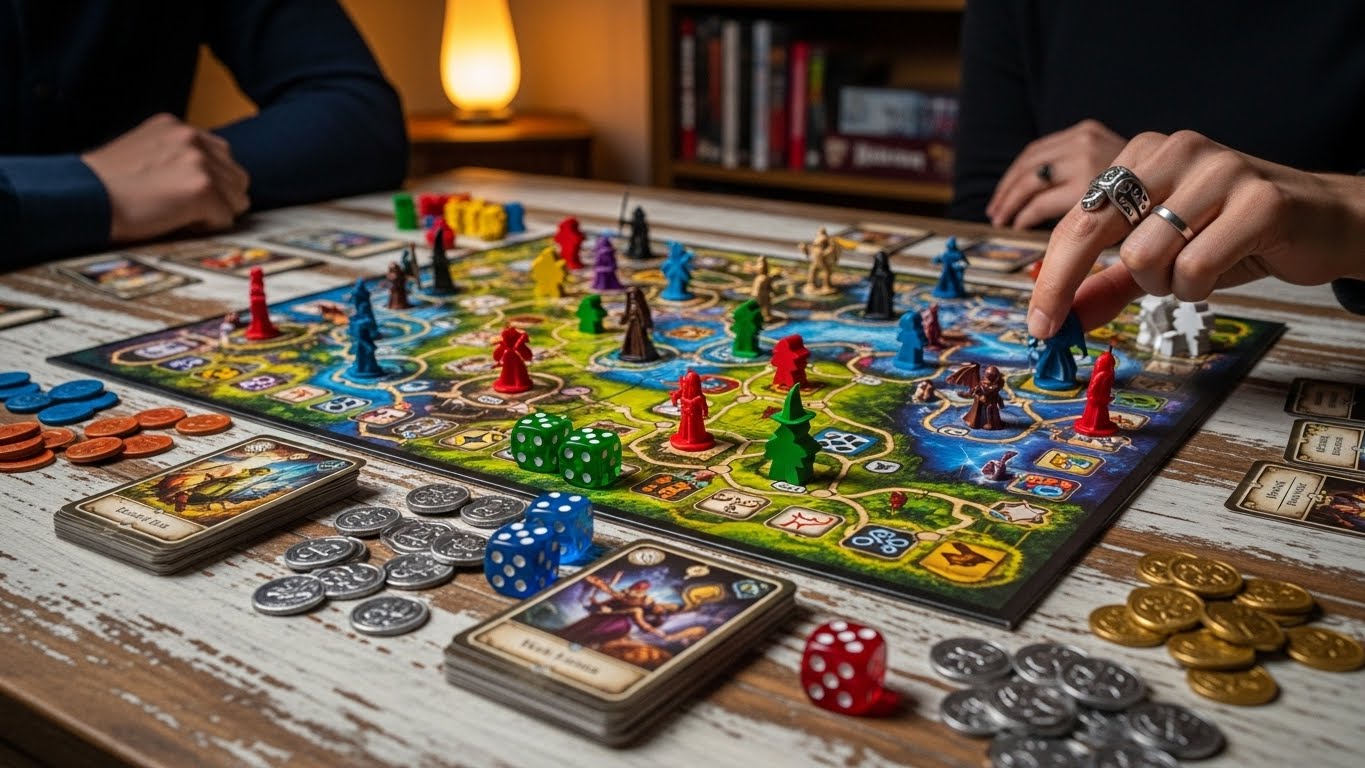
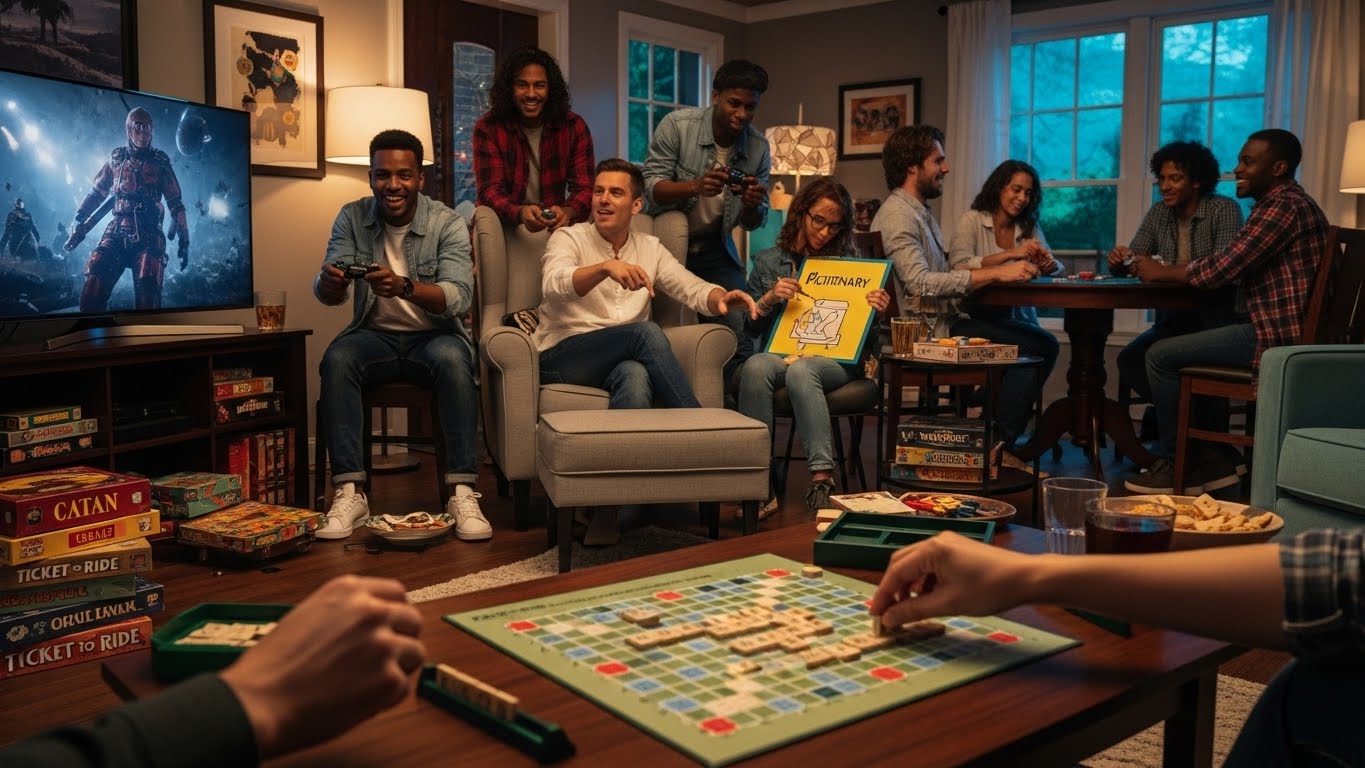
Games are inherently social experiences. Whether playing in person or online, they provide opportunities for collaboration, competition, and communication. Multiplayer games, from board games like Settlers of Catan to online games like massive multiplayer role-playing games, foster teamwork, negotiation skills, and camaraderie.
Social interaction through games also transcends physical boundaries. Online gaming communities connect people from different countries, cultures, and backgrounds. Shared experiences, whether victories or losses, build friendships and a sense of belonging. Games, therefore, serve not only as entertainment but also as social bridges.
The Cultural Impact of Games
Games are deeply intertwined with culture. Traditional games often reflect societal values, historical events, and local customs. For example, Mancala, played across Africa and Asia, has variations that tell stories of community and resource management. Similarly, Japanese Go is more than a game; it is a reflection of strategic thought and patience valued in the culture.
Modern digital games have created their own culture, influencing music, fashion, and language. Popular game franchises inspire art, literature, and film adaptations, becoming cultural touchstones. Players often adopt symbols, terms, and behaviors from games, demonstrating the powerful influence games can have on society.
The Role of Games in Education
Games are increasingly recognized as powerful educational tools. Gamification, the application of game principles to learning, has transformed classrooms and training programs. By introducing competition, rewards, and interactive challenges, games make learning engaging and memorable.
Educational games teach a wide range of skills, from mathematics and language to history and science. They encourage experimentation, critical thinking, and resilience by allowing learners to fail safely and try again. Games are no longer just entertainment; they are effective methods of teaching and skill development.
Psychological and Emotional Effects
Games affect emotions and psychological well-being in complex ways. Playing games can reduce stress, improve mood, and provide a sense of accomplishment. Winning a challenging game or overcoming obstacles can boost self-esteem and confidence.
At the same time, games provide a safe space to explore emotions and experiences. Role-playing games allow players to step into different characters, making decisions they might not encounter in real life. This exploration can enhance empathy, understanding, and emotional intelligence.
The Business of Gaming
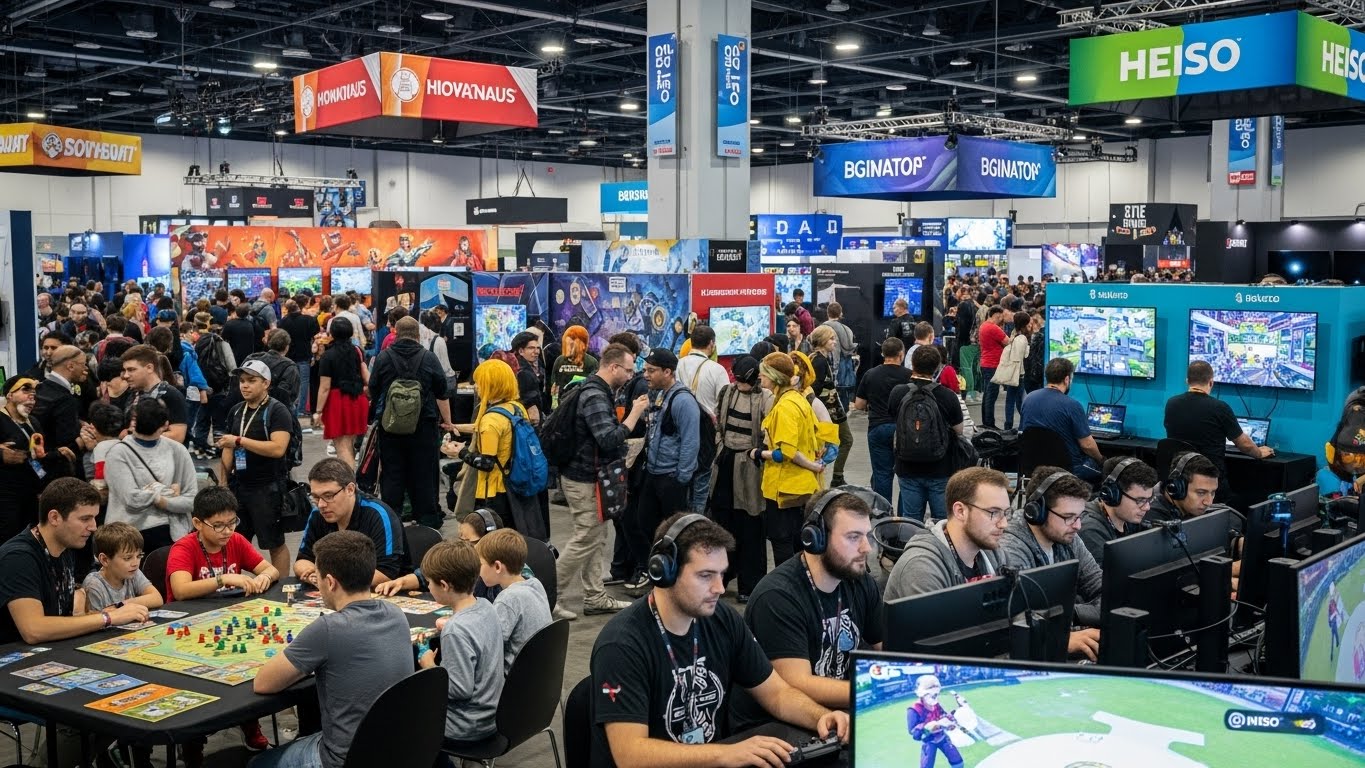
Gaming is one of the most lucrative industries globally. From console and PC games to mobile apps, the business side of gaming is vast and highly competitive. Game development involves not only creative design but also marketing, technology, and consumer analysis.
The financial success of gaming has also fueled innovation. Developers invest in cutting-edge technology, such as virtual reality, augmented reality, and artificial intelligence, to create more immersive experiences. As the industry grows, it continues to influence entertainment, culture, and even technological progress.
Gaming and Technology: Shaping the Future
Technology has transformed gaming in ways unimaginable a few decades ago. Virtual reality and augmented reality allow players to immerse themselves in lifelike environments. Cloud gaming enables access to high-quality games without expensive hardware. Artificial intelligence creates adaptive challenges and smarter non-player characters.
These technological advancements are not just enhancing gameplay; they are changing the way we interact, learn, and socialize through games. The future of gaming is likely to merge virtual and real-world experiences even further, making games an integral part of daily life.
Challenges in Gaming
Despite its many benefits, gaming comes with challenges. Excessive gameplay can lead to addiction, social withdrawal, and negative impacts on physical health. In addition, online gaming can expose players to toxic behavior or cyberbullying.
Balancing play with other aspects of life is crucial. Parents, educators, and players themselves must monitor gaming habits, promote healthy interaction, and encourage moderation. When approached mindfully, gaming can remain a positive, enriching experience.
Games as a Reflection of Society
Games often mirror societal trends, values, and concerns. Storylines in modern games explore issues such as climate change, political intrigue, identity, and social justice. Players engage with these narratives, reflecting on real-world dilemmas and moral choices.
In this sense, games are more than entertainment; they are a cultural lens through which society can examine itself. They allow players to confront challenges, explore alternative perspectives, and develop critical thinking about the world around them.
Conclusion: The Lasting Power of Games
Games are far more than a way to pass the time. They are powerful tools for cognitive development, social connection, cultural expression, and emotional growth. From ancient strategy games to the latest virtual realities, gaming continues to evolve, shaping the way we think, interact, and experience the world.
By understanding the depth and influence of games, we can appreciate them as a vital part of human culture and personal development. Whether played for fun, learning, or connection, games remain a testament to creativity, strategy, and the joy of play. The world of games is limitless, offering opportunities for imagination, growth, and connection that will continue to expand for generations to come.