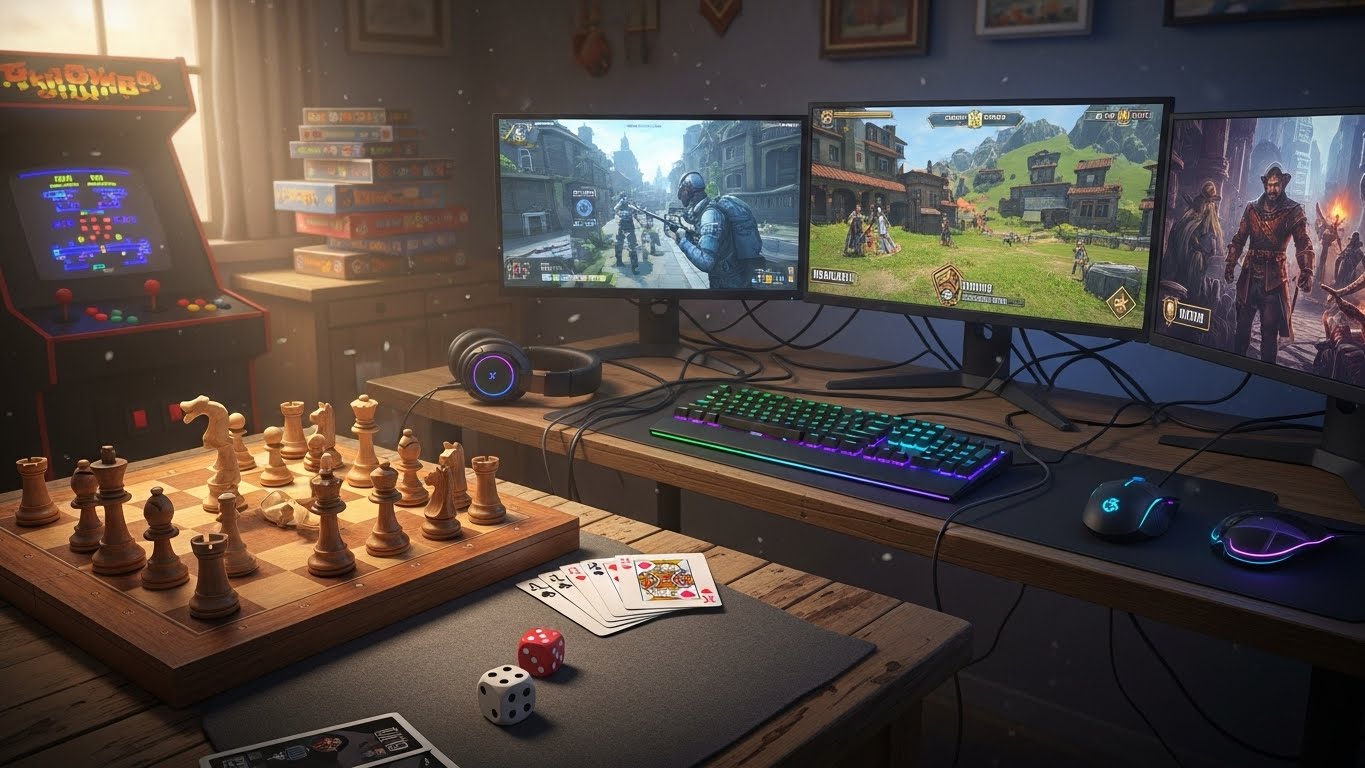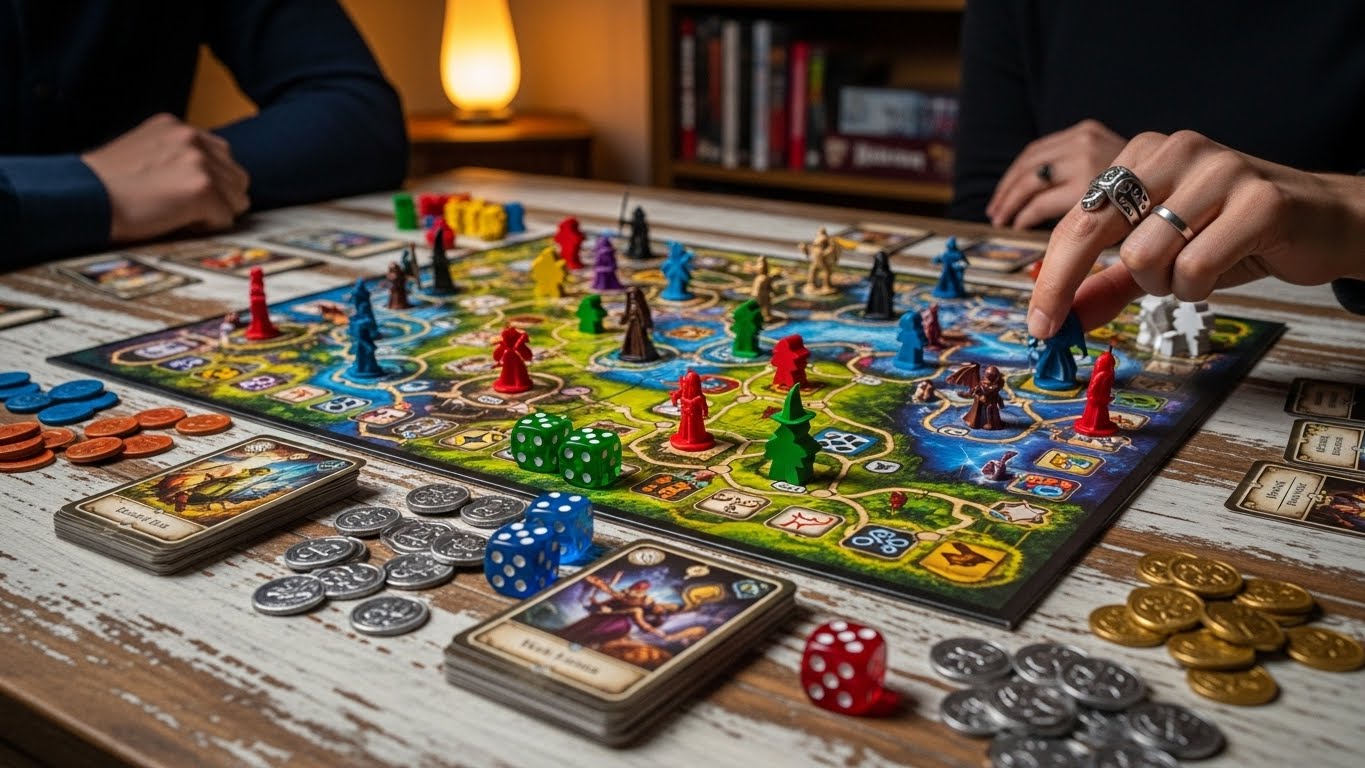

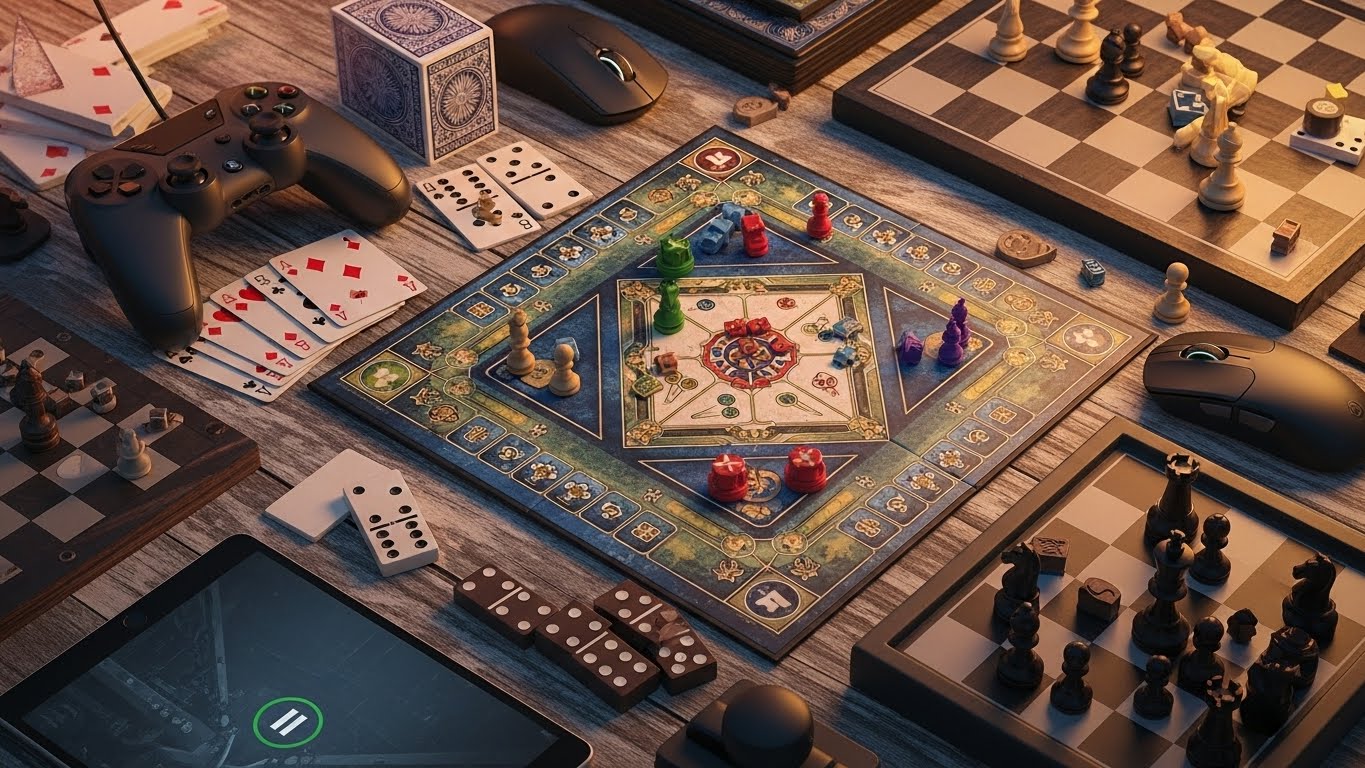
Games have been an integral part of human culture for centuries. From ancient board games to modern digital experiences, they have provided entertainment, challenge, and a platform for social interaction. Today, games are more than a pastime; they are a cultural, educational, and technological phenomenon. This blog explores the diverse world of games, their evolution, impact on society, and why they remain relevant in our lives.
The History of Games
Games have existed for thousands of years, serving as a reflection of human creativity and social interaction. Ancient civilizations developed games to teach strategy, mathematics, and critical thinking. For example, games like chess and Go were designed to sharpen the mind and develop planning skills. Early board games, dice games, and sports not only entertained but also provided ways to bond communities.
With time, games evolved to include more complex rules and structures. Traditional card games, tabletop role-playing games, and sports offered new forms of engagement, blending skill, luck, and strategy. These games laid the foundation for the modern gaming industry, showing that play is not merely a leisure activity but a tool for learning and social development.
The Rise of Video Games
The arrival of video games in the late twentieth century transformed the gaming landscape. Early arcade games like Pong, Pac-Man, and Space Invaders introduced a new form of interactive entertainment. These games were simple in mechanics but addictive, capturing the attention of players worldwide.
The evolution of consoles and personal computers allowed for more complex games with better graphics, narratives, and gameplay mechanics. Titles like Super Mario, The Legend of Zelda, and Final Fantasy created immersive worlds and storytelling experiences. Video games became not only a form of entertainment but also a medium for artistic expression, with developers exploring narrative, visuals, and music to create memorable experiences.
Types of Games and Their Appeal
Games can be categorized into several types, each appealing to different audiences. Action games focus on reflexes, timing, and fast decision-making. Strategy games challenge players to plan, manage resources, and think critically. Puzzle games test logic and problem-solving skills, while role-playing games (RPGs) immerse players in stories where choices matter.
Sports and racing games simulate real-world experiences, providing competition and skill-based challenges. Multiplayer and online games allow players to connect with others worldwide, fostering teamwork, competition, and community. Casual mobile games offer short, engaging experiences for relaxation and entertainment. This diversity ensures that there is a game for every interest, skill level, and age group.
Games as a Social Platform
Games have become powerful social platforms, connecting people from different cultures and locations. Online multiplayer games create spaces where players can cooperate, compete, and communicate in real-time. Communities form around shared interests, with players collaborating to achieve common goals or simply enjoying social interaction.
Social interaction in gaming goes beyond gameplay. Players often share strategies, tips, and content through forums, chat groups, and social media. Gaming communities celebrate achievements, host events, and support creative endeavors like fan art and storytelling. In this way, games foster a sense of belonging and strengthen social connections in a digital age.
The Educational Value of Games
Games are not only entertaining but also educational. They promote critical thinking, problem-solving, and decision-making skills. Strategy games teach planning and resource management, while puzzle games enhance logic and reasoning. Simulation games provide insights into real-world systems, such as economics, city planning, and science.
Educational games designed specifically for learning help students understand complex concepts through interactive experiences. Gamification, the application of game mechanics in non-game contexts, is increasingly used in classrooms and workplaces to motivate learning and engagement. Games demonstrate that play can be both enjoyable and intellectually stimulating.
The Role of Storytelling in Games
Storytelling is a central element in many modern games. Unlike movies or books, games allow players to participate in the narrative, making choices that influence outcomes. This interactivity creates a deeper connection to characters and storylines.
Games explore a wide range of themes, from adventure and fantasy to morality and personal growth. Emotional storytelling, complex characters, and immersive worlds make gaming a unique medium for narrative expression. Players are not merely observers; they become active participants, shaping the story as it unfolds.
The Impact of Technology on Gaming
Technology has significantly shaped the gaming industry. High-definition graphics, realistic physics, and artificial intelligence have enhanced gameplay, making experiences more immersive and engaging. Virtual reality (VR) and augmented reality (AR) bring new dimensions to gaming, allowing players to experience worlds in ways previously unimaginable.
Cloud gaming and streaming have increased accessibility, enabling players to enjoy high-quality games without expensive hardware. Advances in mobile technology have expanded gaming to smartphones and tablets, making it possible to play anywhere, anytime. These innovations continue to redefine how games are designed, played, and shared.
Competitive Gaming and Esports
Competitive gaming, known as esports, has grown into a global phenomenon. Professional players compete in tournaments with prize pools in the millions, drawing massive audiences both online and offline. Esports requires skill, strategy, teamwork, and discipline, similar to traditional sports.
Esports has also created new career opportunities in coaching, broadcasting, event management, and content creation. Beyond professional play, competitive gaming enhances cognitive abilities, reaction time, and decision-making skills. It has turned gaming from a hobby into a legitimate profession and a cultural force.
Games and Mental Health
Contrary to old stereotypes, gaming can have positive effects on mental health. Games provide stress relief, relaxation, and a sense of accomplishment. Immersive gameplay allows players to escape daily pressures, recharge mentally, and experience enjoyment.
Games also promote social well-being. Multiplayer experiences reduce feelings of isolation by creating social connections and shared experiences. Certain games encourage mindfulness, creativity, and strategic thinking, contributing to emotional resilience. When played responsibly, games can support cognitive and mental health while providing entertainment.
Creativity and Innovation in Games
Games foster creativity and innovation, both for players and developers. Sandbox games, modding communities, and level editors allow players to create content, design experiences, and tell their own stories. Many game developers began as players inspired by the creativity they encountered in games.
Developers continually experiment with mechanics, narrative structures, and visual design to engage audiences. The gaming industry drives technological innovation in graphics, artificial intelligence, sound design, and interactive storytelling. Games are a medium where imagination meets technology, creating experiences that challenge both creators and players.
The Future of Games
The future of gaming promises even more innovation and immersion. Advances in artificial intelligence will allow games to adapt dynamically to individual players, offering personalized experiences. Virtual and augmented reality will continue to blur the line between real and digital worlds.
Social and community-driven gaming will grow stronger, empowering players to influence content and shape experiences. Games will increasingly intersect with education, training, and professional development, becoming tools for learning and personal growth. The gaming landscape will continue to evolve, offering richer narratives, interactive worlds, and new ways for people to connect.
Why Games Matter
Games are more than entertainment; they are tools for learning, social interaction, creativity, and personal development. They challenge players intellectually and emotionally, providing opportunities to develop skills such as strategy, problem-solving, teamwork, and communication.
Games also reflect culture, storytelling, and innovation. They bring people together, spark imagination, and provide enjoyment for millions around the world. In a rapidly evolving digital age, games remain relevant because they combine fun, learning, and connection in unique and engaging ways.
Gaming is a testament to human creativity, curiosity, and the desire for connection. It entertains, educates, and inspires, making it one of the most powerful forms of media in modern society. From casual mobile games to professional esports tournaments, games continue to shape culture, technology, and the way people experience the world.