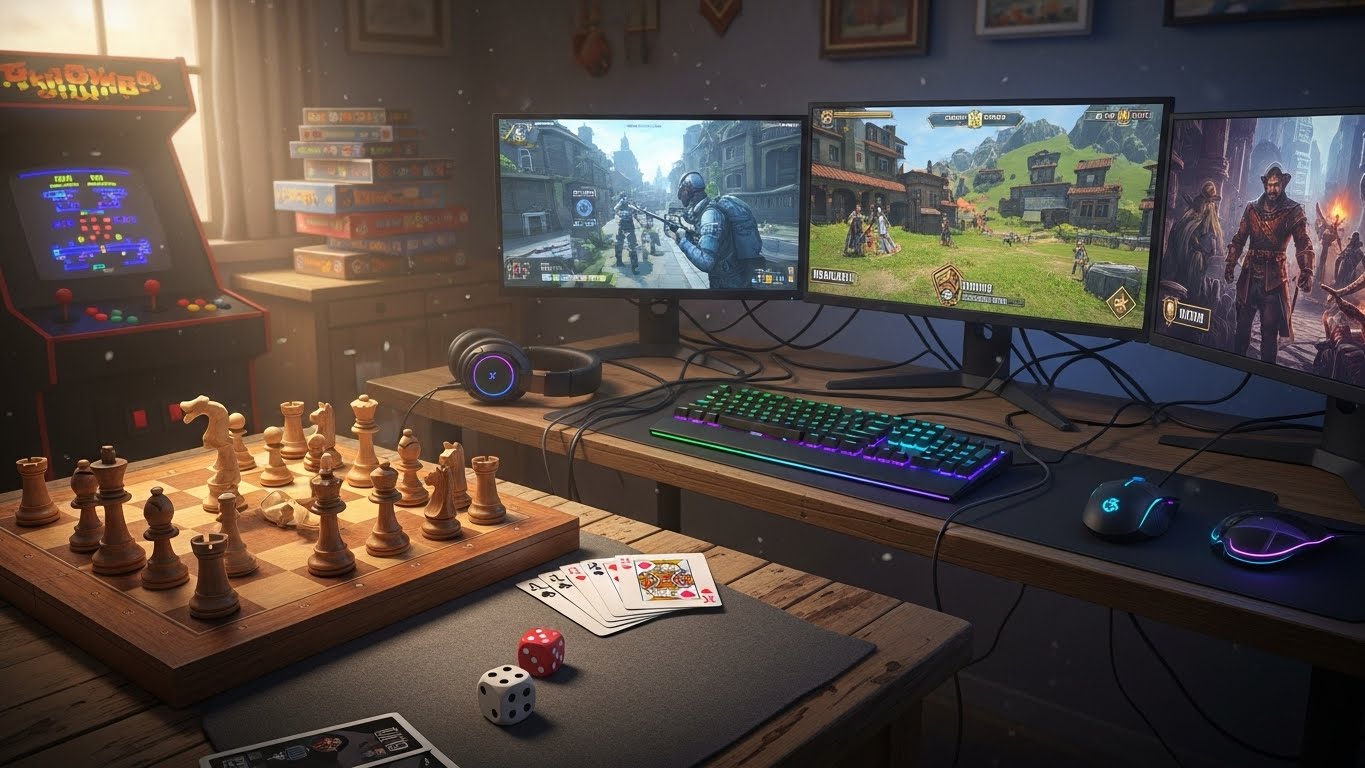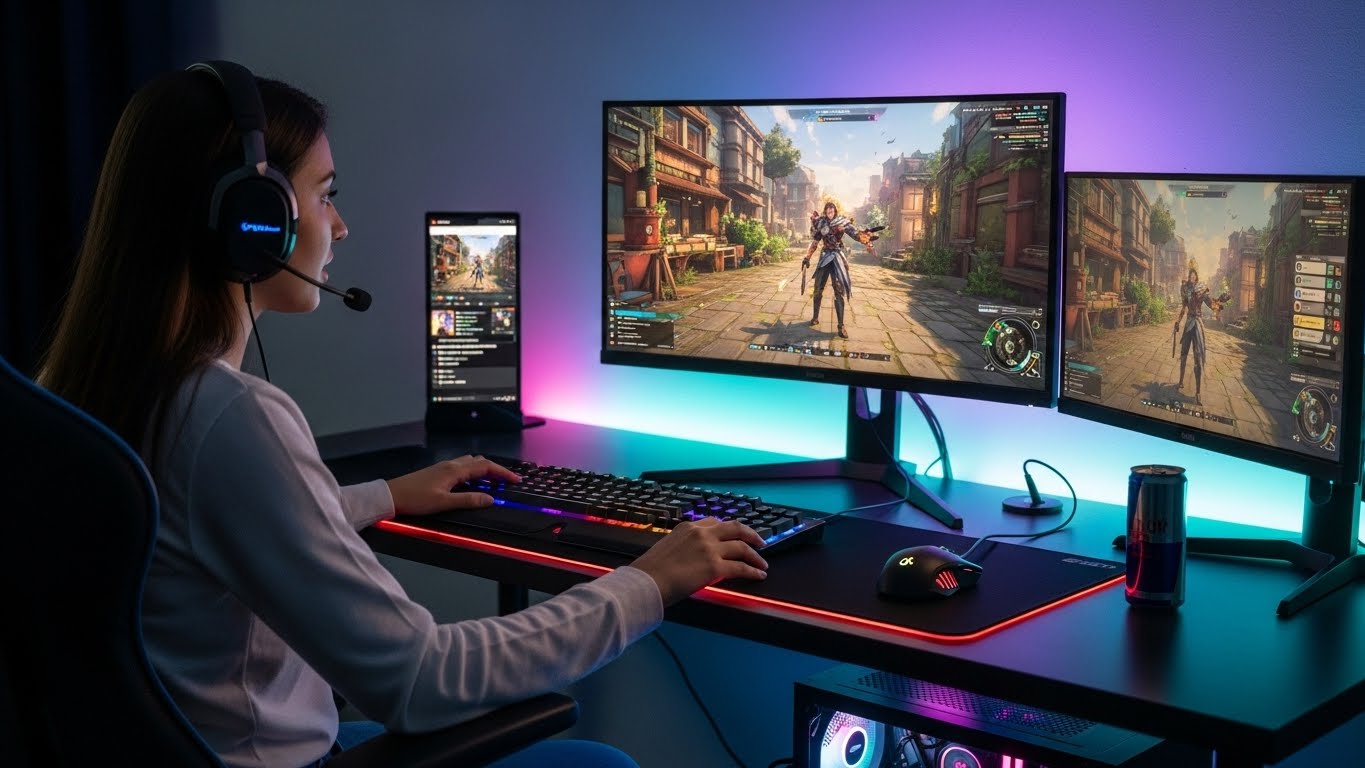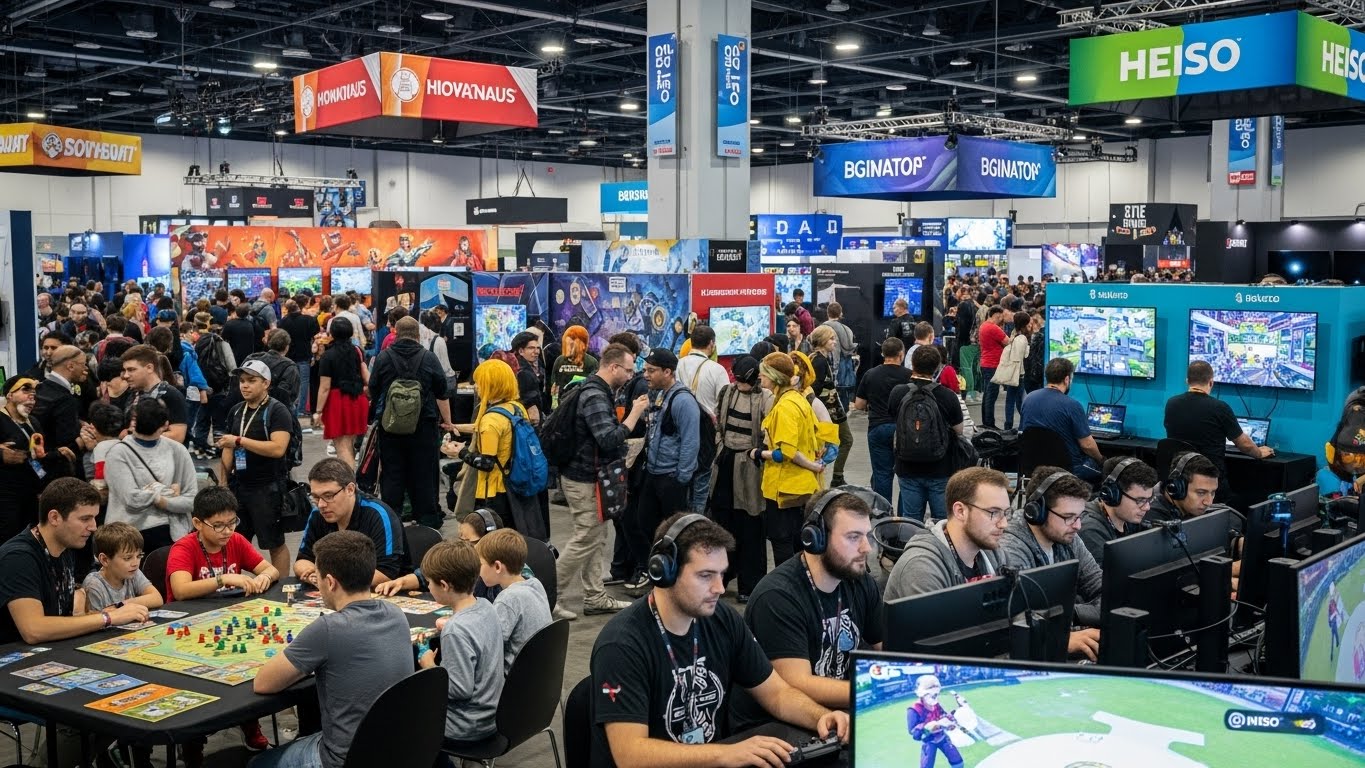

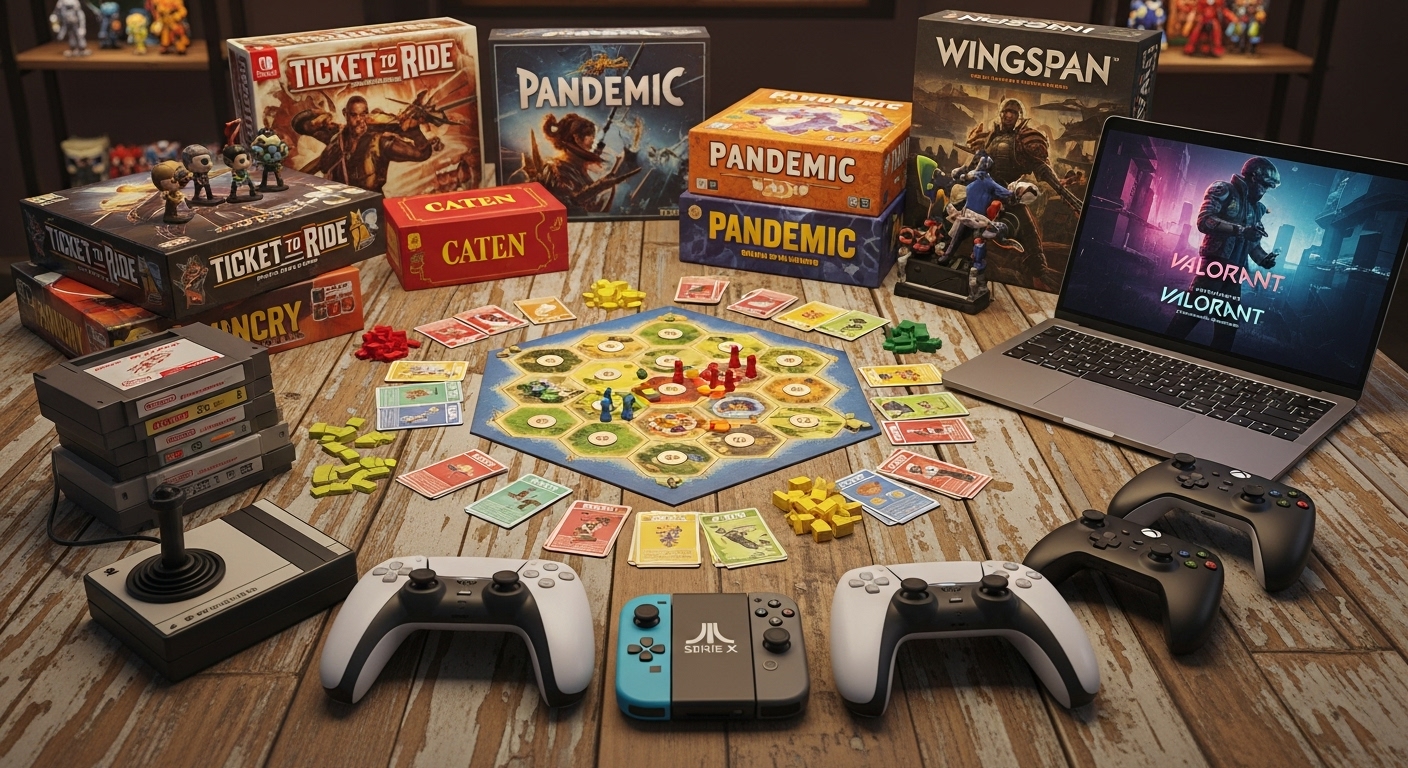
Games have evolved far beyond simple pastimes or childhood hobbies. Today, they are a global phenomenon, blending art, storytelling, technology, and social interaction into immersive experiences. From mobile apps to console powerhouses and virtual reality adventures, games have become a cornerstone of modern entertainment. This blog explores the evolution of games, their cultural and social impact, technological innovations, market trends, challenges, and what the future holds for this dynamic industry.
The Evolution of Gaming
Gaming has come a long way since its inception. Early games, such as board games and simple arcade machines, focused on skill, luck, and strategy. Classics like chess, checkers, and card games provided entertainment while teaching problem-solving and critical thinking skills. The advent of video games in the 1970s and 1980s marked a turning point, with titles like Pong, Pac-Man, and Space Invaders introducing interactive digital gameplay to the public.
The 1990s and 2000s brought home consoles and personal computers into households, transforming gaming into a mainstream entertainment medium. Franchises like Mario, Final Fantasy, and The Legend of Zelda captivated audiences with immersive storylines, intricate gameplay mechanics, and memorable characters. Multiplayer gaming also emerged, enabling players to compete and collaborate globally, laying the foundation for modern online gaming ecosystems.
The Rise of Digital and Online Games
The internet revolutionized gaming by introducing online multiplayer experiences. Players could now compete with others around the world, participate in massive online communities, and share their experiences through emerging social media platforms. Games like World of Warcraft, Counter-Strike, and League of Legends became cultural touchstones, shaping online gaming communities and competitive gaming as we know it today.
Digital distribution platforms like Steam and Epic Games Store further transformed gaming. Players gained instant access to thousands of titles without visiting physical stores. Digital marketplaces also enabled indie developers to reach global audiences, leading to a surge in creativity and innovation. Mobile gaming became a major force, offering entertainment on-the-go and expanding the gaming demographic to casual players and new age groups.
The Cultural Impact of Games
Games are no longer just entertainment; they are a cultural phenomenon. They influence art, music, storytelling, and even social behaviors. Many games feature complex narratives that rival movies and novels, exploring themes of morality, identity, and society. Games like The Witcher series, Red Dead Redemption, and The Last of Us provide rich, cinematic experiences that engage players emotionally and intellectually.
Gaming also fosters social interaction. Multiplayer and online games encourage teamwork, strategy, and communication. Platforms such as Fortnite and Among Us have brought players together across continents, creating shared experiences and communities. The social aspect of gaming has grown so influential that gaming events, esports tournaments, and streaming platforms now attract millions of viewers worldwide, highlighting gaming as a central pillar of modern pop culture.
Technological Innovations in Gaming
Technology drives the evolution of games. Graphics engines, artificial intelligence, and physics simulations create immersive environments that feel lifelike. Virtual reality (VR) and augmented reality (AR) provide new dimensions of interaction, allowing players to step inside the game world and engage with it directly. VR platforms like Oculus and PlayStation VR offer experiences ranging from high-intensity shooters to meditative puzzle games, transforming gaming into a fully immersive medium.
Artificial intelligence enhances both gameplay and game design. NPCs (non-playable characters) react intelligently to player actions, creating dynamic and unpredictable challenges. AI also assists developers by optimizing game mechanics, generating content, and analyzing player behavior to improve game balance and engagement.
Cloud gaming is another transformative technology. Services like Xbox Cloud Gaming and NVIDIA GeForce Now allow players to stream games without high-end hardware, making gaming more accessible and flexible. Cloud technology also facilitates seamless cross-platform play, connecting mobile, PC, and console players in unified gaming experiences.
The Business of Gaming
Gaming has become a multi-billion-dollar industry. Major game developers and publishers generate significant revenue from game sales, downloadable content, in-game purchases, and subscriptions. Mobile gaming, in particular, has created an entirely new business model with free-to-play games monetized through microtransactions and ads.
Esports has emerged as a lucrative sector within gaming. Competitive gaming tournaments attract sponsorships, advertising revenue, and large audiences. Professional players, streamers, and content creators have become celebrities in their own right, demonstrating that gaming can provide viable career opportunities beyond traditional development or design roles.
Game Genres and Player Diversity
The gaming industry caters to a wide range of interests and skill levels. Action games focus on reflexes and quick thinking, while strategy games emphasize planning and problem-solving. Role-playing games immerse players in expansive worlds with rich narratives, while simulation and sports games recreate real-life experiences. Puzzle and casual games appeal to those seeking quick, relaxing entertainment.
Diversity in game genres has expanded the gaming demographic. Games now appeal to players of all ages, genders, and backgrounds. Educational games teach concepts ranging from mathematics to history, while narrative-driven games explore themes relevant to society, culture, and human emotion. The variety ensures that gaming is inclusive and accessible to a global audience.
Challenges in the Gaming Industry
Despite its growth, gaming faces challenges. Game addiction and excessive screen time are significant concerns, particularly among younger players. Developers and platforms are increasingly implementing features like parental controls, playtime limits, and wellness reminders to address these issues.
Monetization strategies, particularly in mobile and free-to-play games, are often criticized for encouraging overspending or exploiting psychological tendencies. Balancing profitability with ethical design is an ongoing challenge for developers. Additionally, issues of harassment, online toxicity, and cheating in multiplayer environments continue to require attention, prompting platforms to implement stricter moderation and community guidelines.
The Future of Gaming
The future of gaming is poised to be even more immersive, interactive, and integrated into daily life. Advancements in VR, AR, and mixed reality will blur the boundaries between the real world and digital environments. Cloud gaming will make high-quality gaming accessible to anyone, regardless of hardware limitations, expanding the player base globally.
Artificial intelligence will continue to enhance gameplay, creating adaptive experiences that respond to player choices. Social and multiplayer elements will strengthen, making gaming a central hub for entertainment, socialization, and creativity. Cross-platform play, game streaming, and collaborative experiences will make gaming more inclusive and interconnected.
Emerging trends also suggest that games will continue to influence broader culture, inspiring movies, books, and other media. Gamification of everyday tasks, educational experiences, and even professional training may become standard, demonstrating that gaming is not just about entertainment—it is a versatile medium that shapes behavior, skills, and interaction.
Conclusion
Games have evolved from simple pastimes into a complex, multi-faceted form of entertainment that impacts culture, technology, and society. The industry combines storytelling, technology, and social interaction to create experiences that engage players emotionally and intellectually. Technological innovations like VR, AR, AI, and cloud gaming continue to push boundaries, while esports and mobile gaming have created new avenues for engagement and monetization.
While challenges such as addiction, monetization ethics, and online toxicity remain, the gaming industry continues to innovate and grow. Its future promises more immersive experiences, broader accessibility, and deeper cultural integration. Gaming is no longer just a form of entertainment—it is a global phenomenon that connects people, inspires creativity, and continues to redefine how we experience digital media.