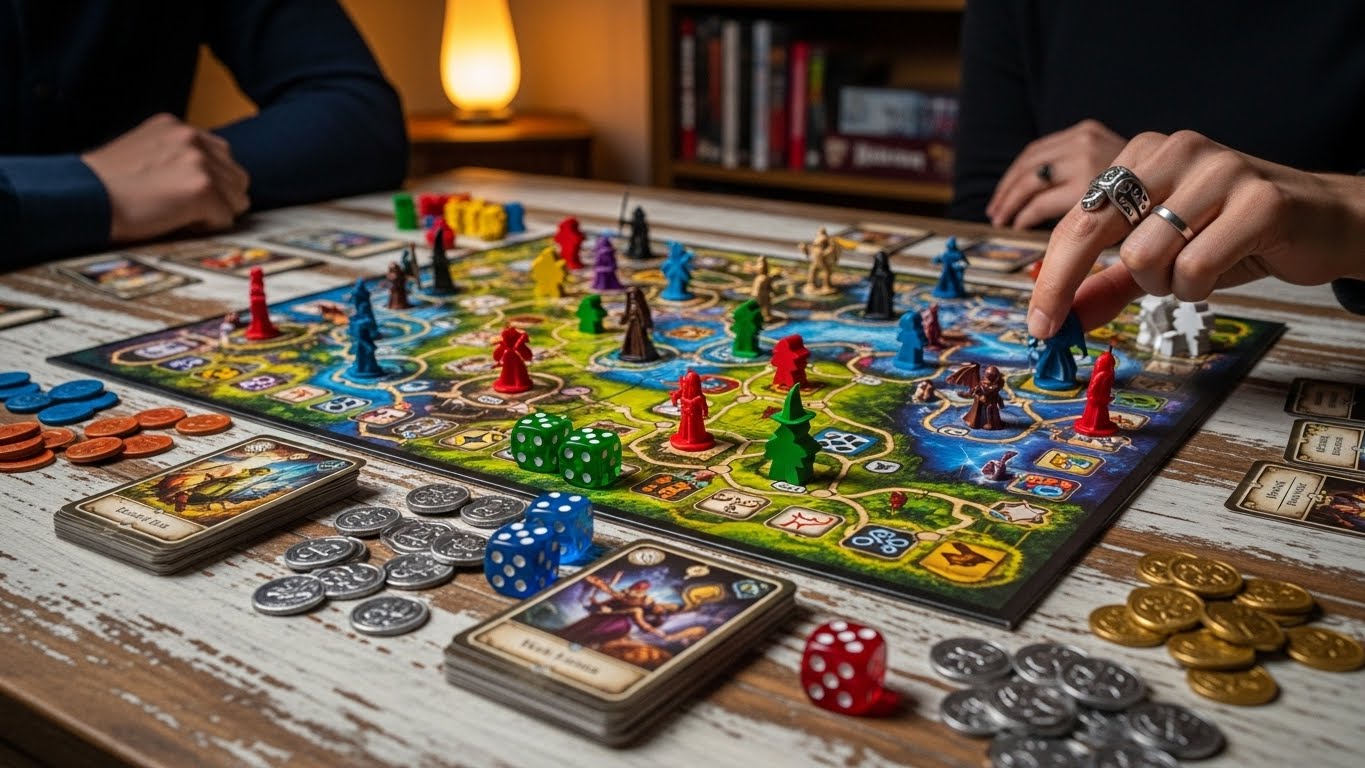


In the ever-expanding universe of video games, there is a treasure trove of experiences waiting to be discovered. While some games offer action-packed adventures, others provide us with a deep dive into immersive worlds that challenge our understanding of gaming as an art form. These unique titles may not always make the headlines, but they stand out for their originality, creativity, and ability to push the boundaries of what games can be. In this blog post, we will explore some of these exceptional games that take a different approach, offering innovative mechanics, storytelling, and visuals that redefine the gaming experience.
What Makes a Game Unique?
Before diving into examples, it’s important to understand what makes a game “unique.” A unique game often breaks away from mainstream trends and conventions, offering something that feels fresh and exciting. This can be achieved through a variety of methods—whether it’s through an unconventional narrative, gameplay mechanics, or artistic style. These games are not necessarily better than mainstream games; they simply stand out for their ability to offer something new or unexpected.
Some games might challenge the player’s perception of reality, while others might focus on emotional depth or conceptual gameplay. What makes these games special is their willingness to experiment, take risks, and create something different from the norm.
The Power of Minimalism in Game Design
One of the most interesting approaches to game design is minimalism. By stripping away unnecessary elements, some games focus on purity, simplicity, and depth. This approach may seem counterintuitive, especially in an age where high-definition graphics and complex systems dominate, but minimalism allows for a more profound experience.
One notable example of a minimalist game is “Journey” by Thatgamecompany. In this game, players control a robed figure in a vast desert, journeying toward a distant mountain. The game’s beauty lies in its simplicity. There is no dialogue or extensive tutorial—players are left to interpret the game world and its meaning. The art style is breathtaking, and the music complements the serene atmosphere perfectly. “Journey” is about the emotional experience rather than the mechanics, allowing players to form a personal connection to the story and the other anonymous players they encounter online.
Another minimalist title that has garnered critical acclaim is “Monument Valley” by ustwo games. This puzzle-adventure game uses optical illusions and impossible architecture to guide the player through surreal landscapes. The game’s clean, geometric design and soft color palette make it visually striking. Despite its simple mechanics, “Monument Valley” presents challenges that require both spatial reasoning and a deep sense of exploration. The sense of wonder and discovery is what makes it a standout in the mobile gaming world.
Narrative Innovation: Breaking the Mold
Video games have long been a medium for storytelling, but some developers are pushing the boundaries of narrative in ways that are truly unique. Instead of relying on traditional storytelling methods, these games experiment with how stories are told and how players interact with the narrative.
Take “The Stanley Parable” by Davey Wreden, for example. This game is a narrative-driven experience that plays with the concept of choice. Players control Stanley, an office worker who discovers that everyone in his company has mysteriously disappeared. The game is built around a narrator who guides Stanley through various scenarios, but players can choose to follow or ignore the narrator’s instructions, leading to an array of different outcomes. The brilliance of “The Stanley Parable” lies in its ability to reflect on the nature of storytelling in video games, the illusion of choice, and the relationship between the player and the game itself.
Another example is “What Remains of Edith Finch” by Giant Sparrow. This game takes the form of a first-person exploration experience, where players explore the Finch family home and uncover the tragic stories of its deceased members. The game is divided into short vignettes, each focusing on a different family member and the unique way in which they met their end. The stories are emotional and deeply personal, and the gameplay changes to match each character’s perspective, offering a fresh experience with every story. “What Remains of Edith Finch” is a masterpiece of interactive storytelling, demonstrating how video games can convey complex themes of loss, family, and memory.
Challenging Conventional Gameplay Mechanics
While many games focus on perfecting well-established mechanics, there are others that embrace unconventional gameplay systems, forcing players to rethink how they approach challenges. These games offer experiences that cannot be easily categorized or replicated.
“Papers, Please” by Lucas Pope is a game that challenges traditional ideas of what a game should be. In it, players take on the role of an immigration officer in a fictional Eastern Bloc-inspired country, where they must check documents and decide whether to let people into the country or deny them entry. The game’s premise sounds simple, but it quickly becomes a complex web of moral decisions, bureaucracy, and emotional weight. The tension of the game is driven by the constant pressure to make life-or-death decisions, with the player’s actions affecting the lives of the characters they interact with. “Papers, Please” is a powerful commentary on the human cost of immigration and authority, and it manages to make a mundane task—checking documents—into something both engaging and thought-provoking.
Another game that innovates in terms of gameplay is “Baba Is You” by Hempuli. This is a puzzle game that lets players manipulate the rules of the game itself. The game features blocks of text that define the rules—such as “Baba is you,” “Flag is win,” or “Wall is stop”—and players can rearrange these blocks to change how the game behaves. For example, by switching “Baba is you” with “Wall is you,” players can control the wall instead of the character. This simple yet brilliant mechanic transforms the entire way players approach puzzles, making “Baba Is You” a mind-bending and innovative experience that requires creative thinking.
Unusual Art Styles: The Beauty of the Unexpected
While many games strive for photorealism or cutting-edge graphics, others embrace unique, often unconventional art styles that help to convey the game’s tone and themes in powerful ways. These games may not have the most advanced graphics, but their visual appeal lies in their distinctive artistic choices.
“Cuphead” by Studio MDHR is an excellent example of a game that uses art as a core part of its identity. Inspired by 1930s hand-drawn animation, the game’s visuals are bursting with vibrant colors and whimsical, vintage-inspired characters. Each frame of the game looks like a piece of classic animation, and the soundtrack complements this aesthetic with jazz and big band music. While the art style may evoke nostalgia, the gameplay itself is challenging, with difficult boss battles and tight controls that keep players on their toes. “Cuphead” is a visual and auditory masterpiece, and its unique approach to animation has made it a standout in the world of indie games.
Another game that uses its art style to tell a story is “Gris” by Nomada Studio. This visually stunning game features a protagonist named Gris, who is navigating through a world of sorrow and loss. The game’s art style is heavily inspired by watercolor paintings, with vibrant hues that change as Gris progresses through her emotional journey. The game’s minimalistic design, combined with its evocative use of color and music, makes “Gris” a deeply emotional experience. The visual storytelling is so powerful that it communicates the narrative without relying on words, making it a prime example of how art can enhance the emotional depth of a game.
Unique Experiences in Gaming
Ultimately, the beauty of unique games lies in their ability to offer experiences that are different from anything players have encountered before. These games are often driven by the vision of passionate developers who are willing to take risks, experiment with unconventional ideas, and explore new ways of engaging players.
Whether it’s a game that plays with narrative conventions, challenges traditional gameplay, or introduces innovative art styles, these unique titles offer fresh experiences that stay with players long after the screen goes dark. They show that games are not just about flashy graphics or complicated mechanics, but about creativity, emotion, and the power of interactive storytelling.
As the gaming industry continues to evolve, it is likely that we will see even more unconventional games emerge, each offering new ways to experience and understand the world. So the next time you’re looking for something truly different, don’t be afraid to dive into a game that defies expectations. Who knows? You may just find your next favorite experience waiting in the most unexpected of places.
Conclusion: The Endless Potential of Unique Games
In conclusion, unique games are a testament to the endless possibilities of video games as a medium. These titles remind us that gaming is not just about entertainment—it can be a form of art, a way to explore new ideas, and a means to experience emotions and stories in ways that traditional media cannot. From minimalist designs to narrative innovation and experimental gameplay, these games prove that the world of video games is far from one-dimensional. It’s a world of constant experimentation, where developers are continually pushing the boundaries of what is possible. And as players, it’s a world we should embrace with open minds and a willingness to explore the unknown.