

Introduction
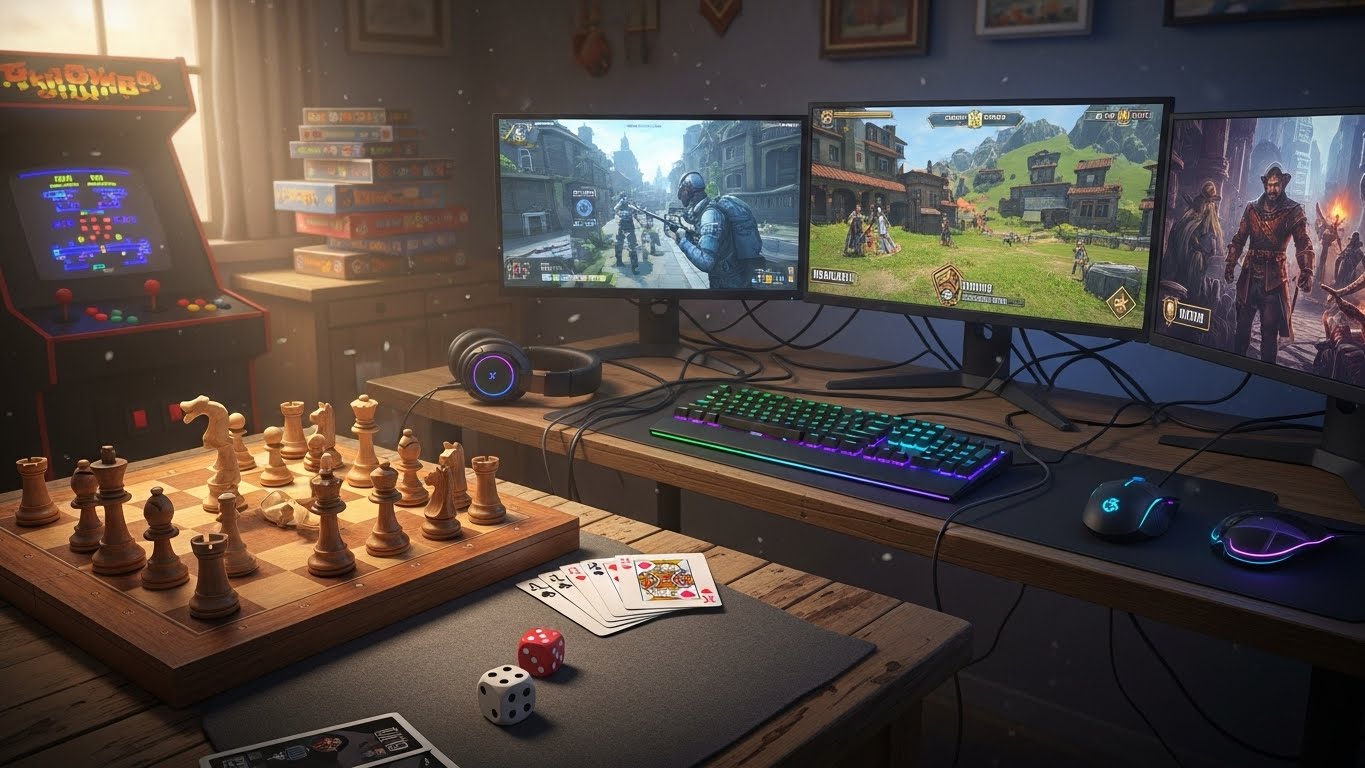
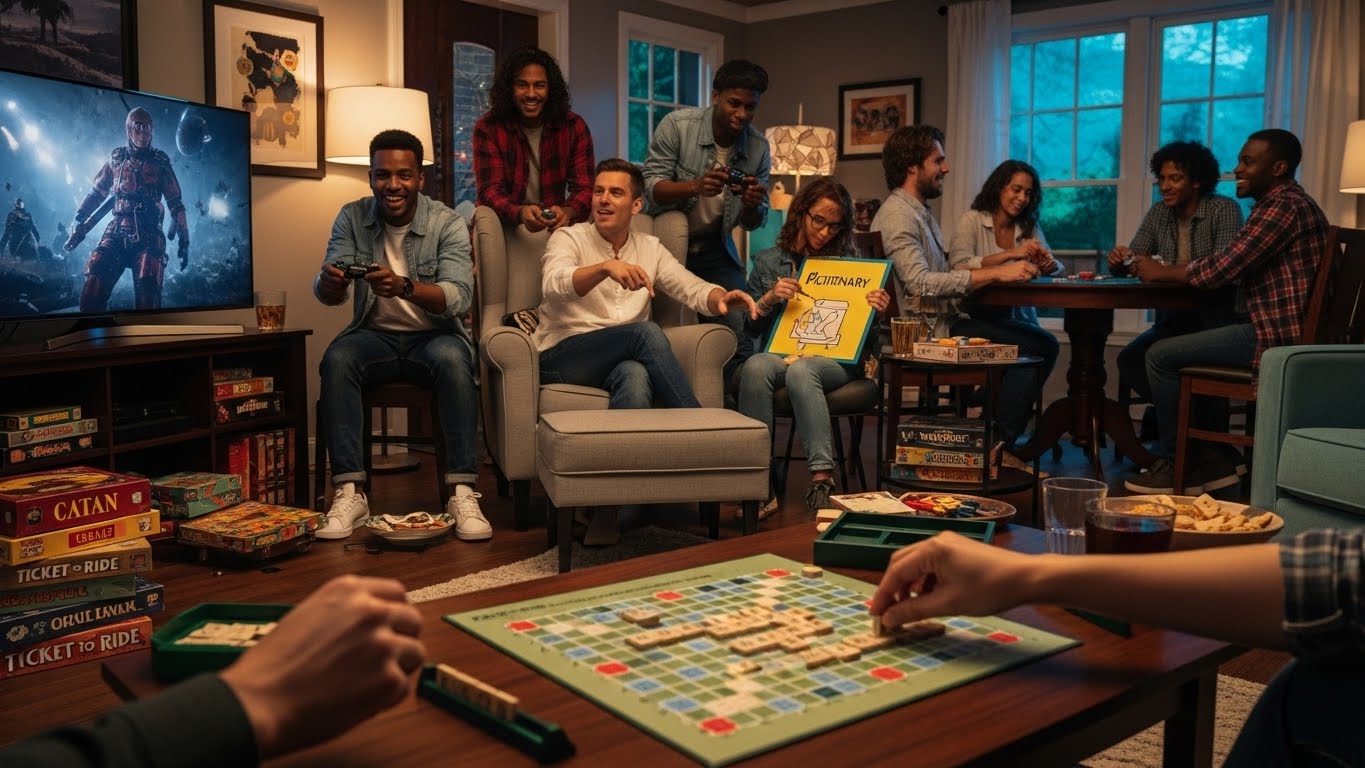
Games have been a part of human civilization for thousands of years, evolving from simple pastimes into a global phenomenon that influences entertainment, education, technology, and even social behavior. Whether it is traditional board games, physical sports, or modern digital video games, the essence of play connects people across generations and cultures. Games are more than just a way to pass time; they teach strategy, build teamwork, stimulate creativity, and offer an escape from daily life. Today, as technology continues to advance, the gaming industry stands at the intersection of art, science, and innovation, shaping how people think, communicate, and interact with the world.
The Ancient Roots of Gaming
Long before the digital age, humans engaged in games as a form of recreation, competition, and education. Archaeological discoveries show that board games such as Senet were played in ancient Egypt as early as 3100 BC. Similarly, the Royal Game of Ur, found in Mesopotamia, reflected both entertainment and spiritual symbolism. Games were also used as tools to teach strategy and discipline, especially in cultures where warfare and competition were part of life.
In ancient Greece and Rome, physical games like wrestling, chariot racing, and gladiatorial contests were popular forms of entertainment that emphasized strength, courage, and skill. These early games laid the foundation for modern sports and competitions, proving that the instinct to play is deeply embedded in human nature.
The Evolution of Modern Gaming
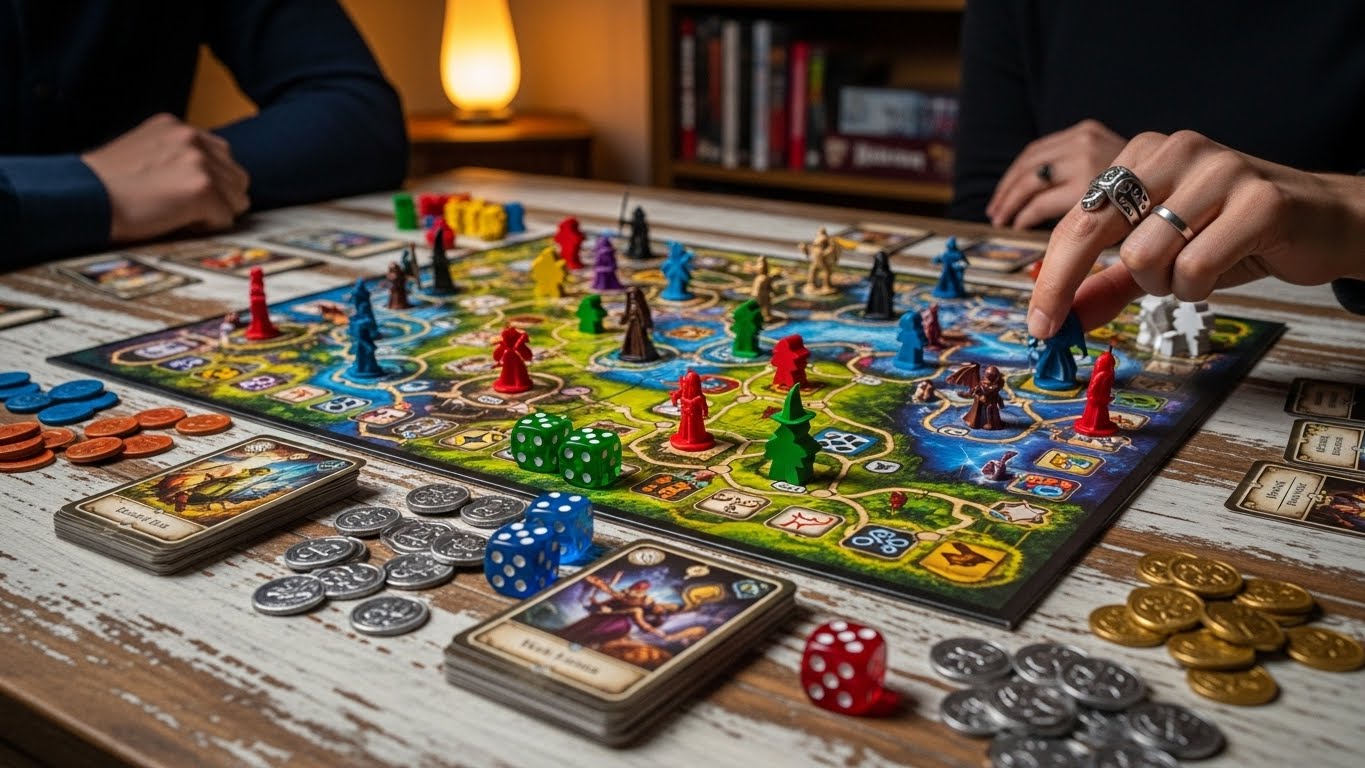
The twentieth century witnessed a revolution in how games were played and perceived. Traditional board games such as Monopoly, Chess, and Scrabble became household staples, teaching players the values of strategy, patience, and decision-making. The invention of video games in the mid-1900s, however, marked the beginning of a new era.
The first electronic game, “Tennis for Two,” appeared in 1958, followed by “Pong” in the early 1970s, which became a cultural sensation. Soon after, arcade games like Pac-Man and Space Invaders captivated audiences around the world. The introduction of home consoles such as the Atari 2600 and later the Nintendo Entertainment System transformed gaming from a public arcade activity into a household experience.
As technology advanced, gaming moved from pixelated screens to immersive 3D environments. Today, the world of gaming encompasses a vast range of genres and platforms—from mobile and console games to virtual reality experiences that blur the lines between imagination and reality.
The Psychology of Play
One of the most fascinating aspects of gaming is its psychological impact. Games engage players’ minds through challenges, rewards, and problem-solving. They stimulate the brain’s reward centers, releasing dopamine when goals are achieved, which creates feelings of satisfaction and motivation.
Games also serve as powerful learning tools. Educational games help children develop cognitive skills, improve memory, and enhance creativity. Strategy games like chess or Civilization encourage logical thinking and long-term planning, while puzzle games strengthen concentration and spatial awareness.
Moreover, gaming can improve hand-eye coordination, reaction time, and multitasking abilities. Research shows that even action games can enhance decision-making speed and accuracy, skills that are useful beyond gaming itself.
However, balance is crucial. While games can be enriching, excessive gaming may lead to issues such as addiction or social isolation. Responsible gaming ensures that players benefit from its positive effects while avoiding potential drawbacks.
The Rise of the Gaming Industry
The gaming industry has grown into one of the largest entertainment sectors in the world, surpassing both film and music in global revenue. Its success can be attributed to innovation, creativity, and accessibility. Developers are constantly pushing technological boundaries to create lifelike graphics, interactive storytelling, and multiplayer experiences that connect players worldwide.
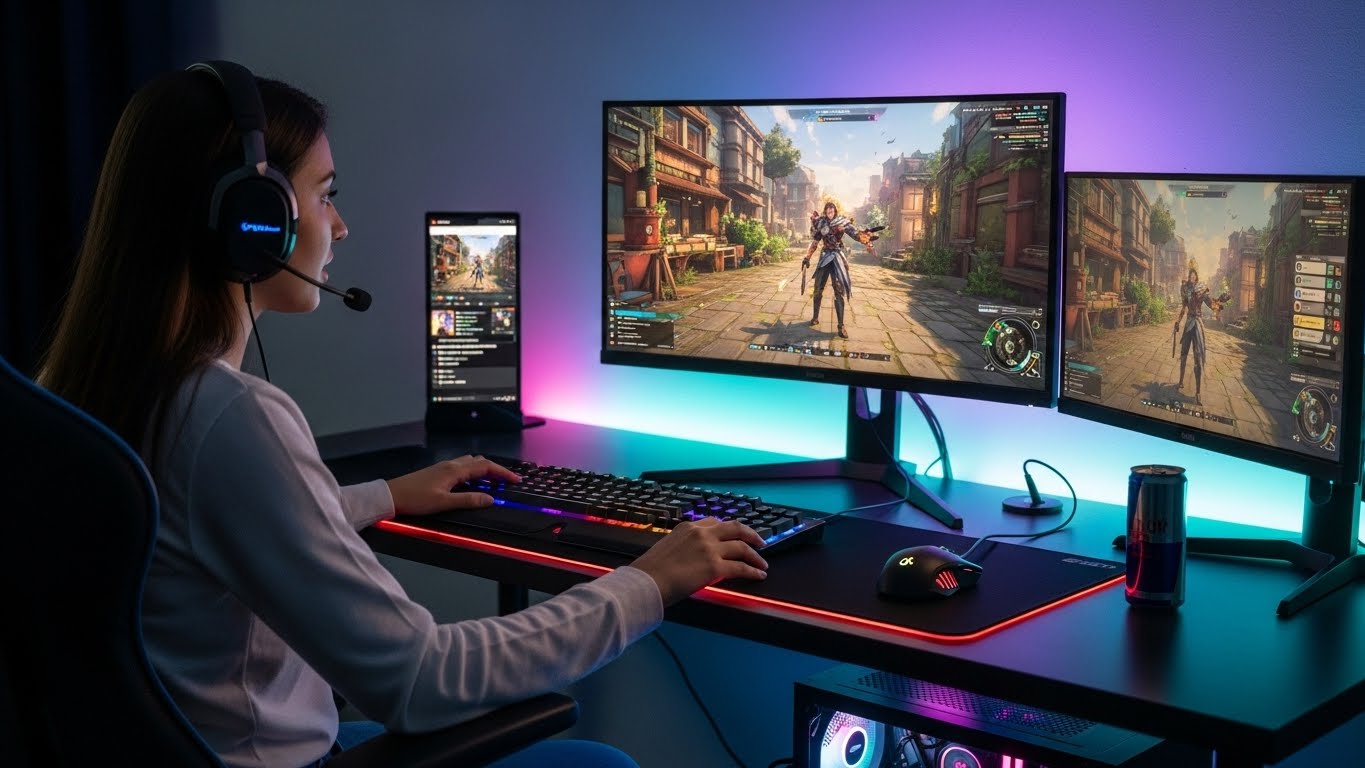
Online gaming has redefined social interaction, allowing people from different countries and cultures to collaborate and compete in real time. Titles such as Fortnite, Call of Duty, and Minecraft have become global communities, where millions of players engage not only in gameplay but also in creative expression and social bonding.
Mobile gaming has made games more accessible than ever. With smartphones in nearly every hand, players can enjoy entertainment anywhere and anytime. Simple yet addictive games have introduced gaming to audiences who might never have considered themselves “gamers” before.
Games as a Form of Art and Storytelling
Modern video games are not just about competition or high scores; they are powerful storytelling mediums. Developers combine visual design, music, dialogue, and gameplay to create emotional experiences. Games like The Last of Us, Journey, and Red Dead Redemption are celebrated for their narrative depth and artistic direction.
Through interactivity, games give players control over the story’s outcome, creating a unique form of emotional engagement. Unlike movies or books, games allow players to become part of the narrative, influencing its direction and experiencing consequences firsthand. This makes gaming one of the most immersive storytelling forms in human history.
Artistic expression in games also extends to visual design. From pixel art to hyper-realistic 3D graphics, game worlds are crafted with immense detail and creativity. Music and sound design play a critical role as well, shaping atmosphere, tension, and emotional impact.
Social Connections and Online Communities
Gaming has evolved into a social activity that connects millions of people globally. Multiplayer games and online platforms allow players to form friendships, join teams, and participate in worldwide tournaments. These digital communities foster collaboration, communication, and teamwork.
For many, gaming provides a sense of belonging. Players find communities that share their interests and passions, creating virtual friendships that often extend into real life. Games also promote inclusivity, offering spaces for people of different ages, genders, and backgrounds to connect on equal ground.
Streaming platforms have amplified this social aspect. Gamers can now share their experiences live with audiences around the world, turning gaming into both a spectator and participatory activity. The rise of professional gamers and content creators has further transformed gaming into a cultural movement.
Educational and Therapeutic Uses of Games
Beyond entertainment, games have significant educational and therapeutic value. Educational games make learning fun and interactive, helping students grasp complex subjects through play. Teachers and educators use gamification techniques to enhance engagement and motivation in classrooms.
In therapy, games are being used to help patients recover motor skills, manage anxiety, and improve cognitive function. Virtual reality games, for example, are employed in rehabilitation programs to encourage movement and coordination. Simulation games help train professionals such as pilots, surgeons, and engineers, offering realistic practice environments without real-world risks.
Games also encourage empathy and understanding by allowing players to experience perspectives different from their own. Story-driven games addressing social issues, such as poverty or mental health, can raise awareness and foster compassion among players.
The Role of Technology in Shaping Gaming’s Future
Technology continues to revolutionize the gaming landscape. Virtual Reality (VR) and Augmented Reality (AR) are creating immersive experiences that make players feel part of the game world. Cloud gaming allows users to stream high-quality games without expensive hardware, making advanced gaming accessible to more people.
Artificial Intelligence (AI) enhances both gameplay and development. Non-playable characters (NPCs) now exhibit complex behaviors and adaptive intelligence, making interactions more dynamic and realistic. Meanwhile, AI-driven analytics help developers understand player preferences and design more engaging experiences.
The introduction of blockchain technology and digital assets has also introduced new gaming economies. Players can own, trade, and sell virtual items, creating digital marketplaces that merge entertainment with real-world value.
Cultural Impact of Games
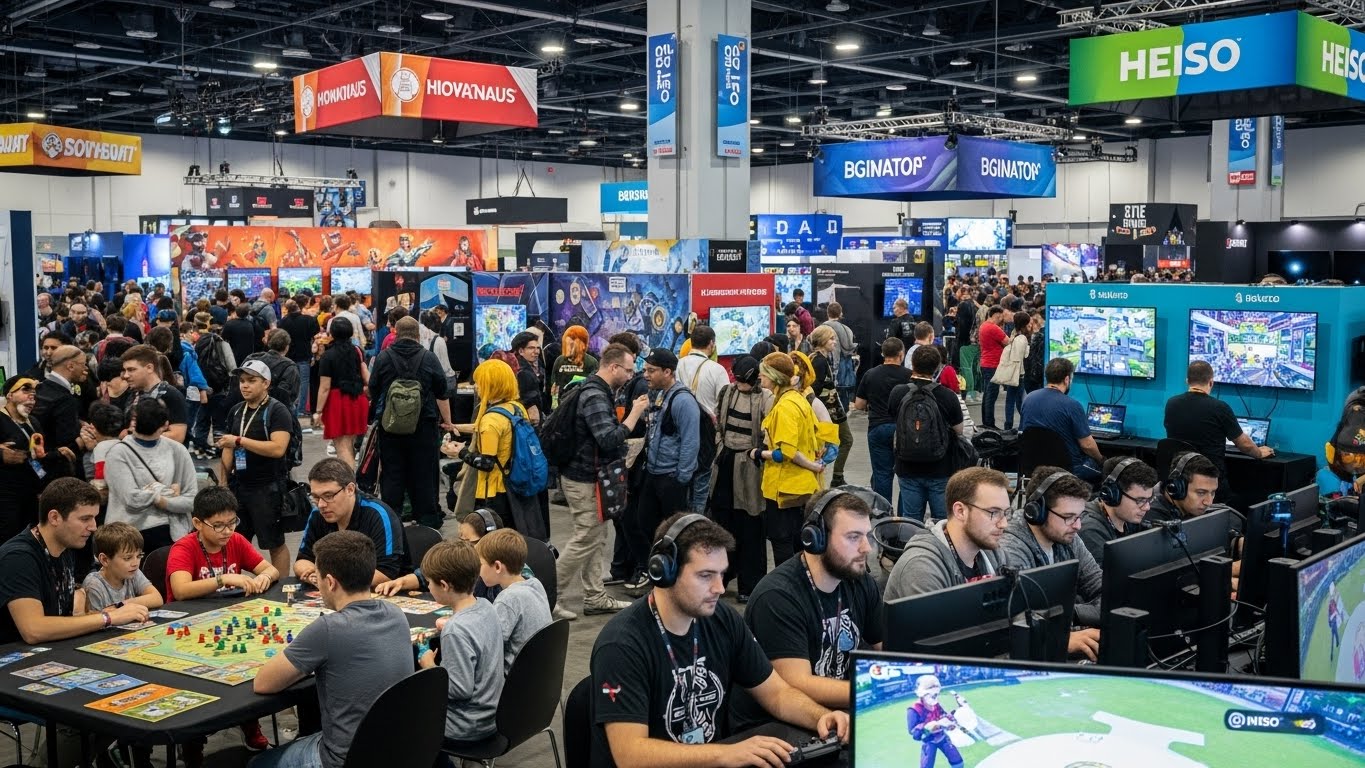
Games have become cultural touchstones that influence art, fashion, music, and even language. Iconic characters like Mario, Lara Croft, and Master Chief are recognized worldwide, symbolizing creativity and innovation. Gaming conventions and tournaments attract millions of fans, celebrating shared passion and community.
Moreover, games serve as reflections of society. They explore themes such as heroism, morality, identity, and freedom. Many games challenge players to make ethical decisions, encouraging reflection on human behavior and consequences. As a result, gaming is increasingly seen as a medium of cultural expression, much like literature or cinema.
Challenges and Responsibilities in the Gaming World
Despite its many benefits, gaming faces challenges such as addiction, cyberbullying, and issues of inclusivity. Developers and communities must work together to create safe and positive gaming environments. Parental guidance and age-appropriate ratings are essential to ensure that younger audiences engage with suitable content.
Diversity and representation also remain important discussions. The industry is making progress in showcasing characters and stories that reflect a wide range of cultures, genders, and backgrounds, promoting inclusivity and empathy through design and storytelling.
The Future of Gaming
The future of gaming is bright and limitless. As technology advances, we can expect even more immersive experiences, interactive storytelling, and innovative gameplay mechanics. Artificial intelligence, virtual worlds, and cross-platform play will continue to bridge gaps between players and redefine what it means to play.
Gaming will likely become an even more integrated part of education, therapy, and daily life. With virtual and augmented realities evolving rapidly, players will soon experience digital worlds that feel indistinguishable from reality.
Conclusion
Games have always been more than mere entertainment—they are a reflection of human imagination, skill, and creativity. From ancient board games to cutting-edge virtual experiences, gaming continues to shape the way we learn, connect, and express ourselves. It unites people across borders, generations, and cultures, reminding us that play is not just an activity but an essential part of the human spirit.
As the world moves forward, games will remain at the heart of innovation and storytelling, inspiring new generations to think, dream, and play without limits.